The peacock means beauty, confidence, renewal, and spiritual visibility. That is the short answer. But depending on where you encounter peacock imagery, in a dream, a piece of art, a religious text, or a real-life sighting, the specific message can shift quite a bit. This guide breaks down every layer of peacock bird meaning, including the spiritual dimension people are often really searching for, and gives you a practical way to figure out which interpretation actually fits your situation.
Peacock Bird Meaning: Symbolism and Spiritual Insights

Marcus Whitley
9 Apr 2026
What the peacock represents as a bird symbol
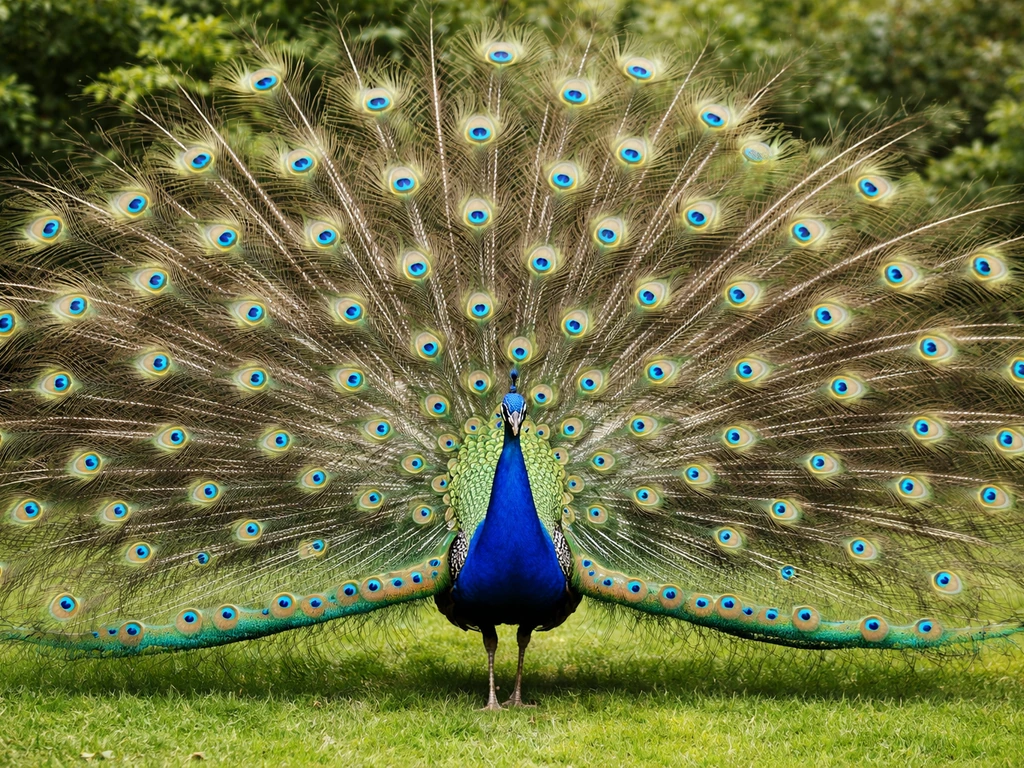
At its core, the peacock is one of the most visually loaded symbols in the natural world. When a peacock fans its tail, it is doing something almost theatrical: displaying every brilliant eye-spot feather it has in a single, unmissable gesture. That behavior is exactly why humans across cultures have attached meanings like self-expression, confidence, and the courage to be seen to this bird. It does not hide. It shows up fully.
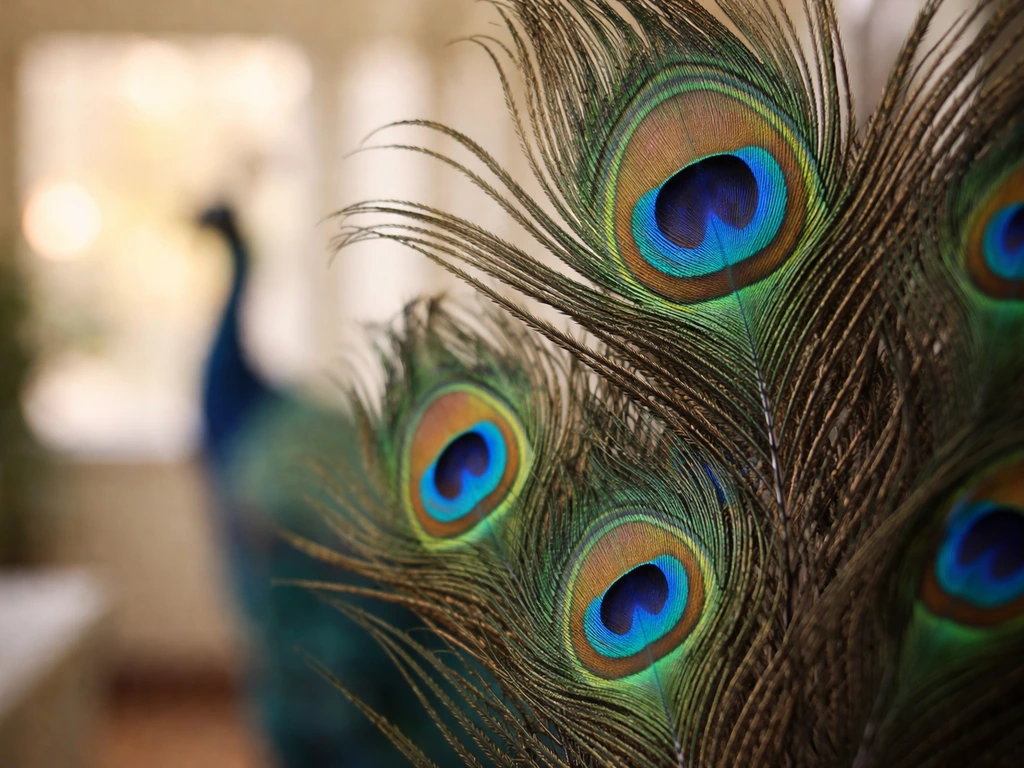
The key meanings most consistently linked to the peacock across traditions are beauty, pride, transformation, protection, renewal, and display. The feathers themselves carry weight: those iridescent eye-spot patterns have historically been read as symbols of all-seeing awareness, divine watchfulness, and even angelic wisdom. When you compare peacock symbolism to something like the peace bird meaning, which centers on gentleness and reconciliation, you can see how the peacock occupies a much more assertive, self-directed symbolic space.
One thing worth knowing upfront: the peacock is not a one-note symbol. It carries both radiant, positive associations and a genuine shadow side involving vanity and superficiality. Holding both of those in mind is what makes interpreting peacock symbolism actually useful rather than just flattering.
Peacock bird spiritual meaning: the core themes
Spiritually, the peacock is most strongly connected to awakening, divine beauty, protection, and the idea of letting your authentic self become visible. These are not vague feel-good concepts, they show up in specific, well-documented religious and cultural traditions that give them real substance.
In Mahayana and Vajrayana Buddhism, there is an entire scriptural tradition built around Mahāmāyūrī, the Peacock Wisdom Queen. The Mahamayuri Vidyarajni Sutra focuses specifically on protection, purification, and spiritual defense. Mahāmāyūrī's attributed merits include eliminating poison and disease and offering protection from fear and disasters. That is not a peripheral or decorative role, the peacock is the central sacred figure of a serious protective ritual tradition.
In Hindu iconography, the war god Kartikeya (also called Skanda or Murugan) rides a peacock named Paravani as his vahana, or divine vehicle. A Reddit thread on Lord Skandha and Murugan iconography also discusses Paravani as the peacock vahana and links the imagery to how practitioners interpret symbolic details like a serpent rides a peacock named Paravani as his vahana. The vahana relationship in Hinduism is deeply symbolic: the animal carries and expresses the deity's power. A peacock carrying a war god suggests that the bird embodies qualities like focused strength, spiritual clarity, and the ability to cut through obstacles. Saraswati, the goddess of knowledge and the arts, is also associated with peacock imagery in certain iconographic traditions, linking the bird to wisdom and creative expression.
In ancient Greece, the peacock was the special bird of Hera, queen of the gods, whose chariot was pulled by peacocks. The Greeks also associated the peacock with immortality, partly from the belief that peacock flesh did not decay after death. Those eye-spots on the tail were connected to the idea of divine all-seeing power. So across these very different traditions, a consistent spiritual core emerges: the peacock stands for divine protection, transcendence, and a kind of sacred visibility.
- Awakening and becoming visible in your authentic form
- Divine protection and the warding off of harm
- Spiritual renewal and transformation (linked to immortality motifs)
- All-seeing awareness, represented by the eye-spots in the tail feathers
- Sacred beauty as an expression of inner truth, not just outer appearance
- Ego lessons: the spiritual challenge of aligning outward confidence with inward reality
How peacock symbolism plays out across cultures and religions
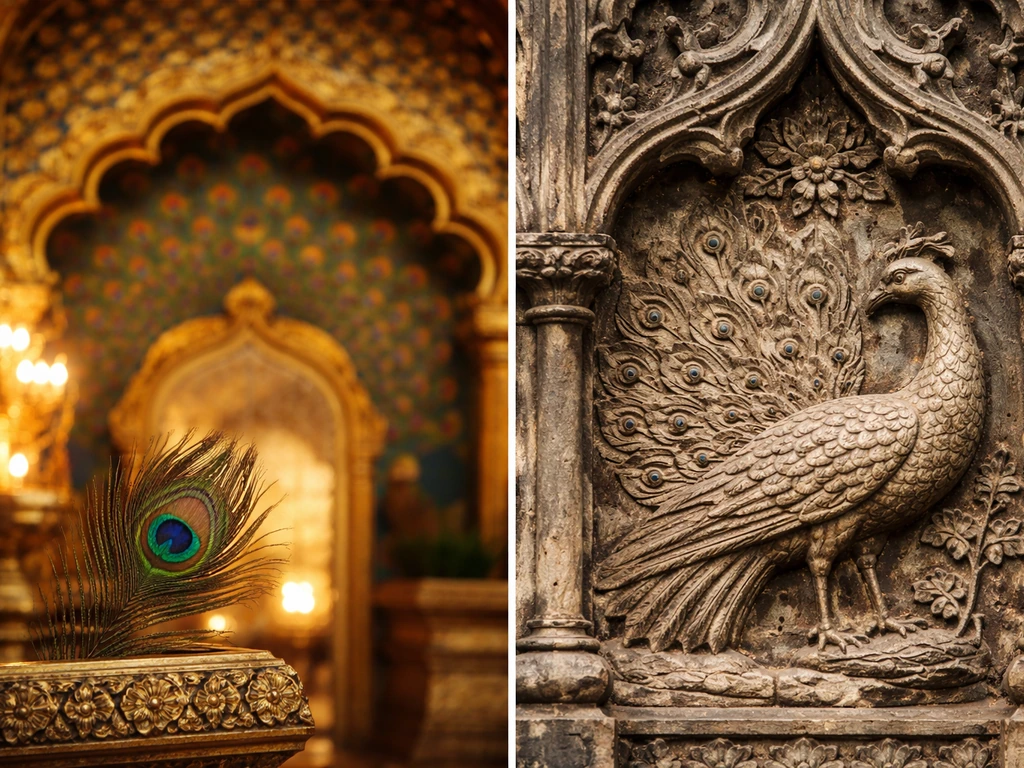
What makes peacock symbolism so rich is how differently various cultures have weighted these same core themes. In South Asian traditions, the emphasis is on divine power, protection, and sacred function, the peacock is a vehicle for gods, not just a pretty bird. In Greek and Roman traditions, the focus shifted toward immortality and royal divinity on one hand, and funerary and resurrection motifs on the other. Roman contexts used peacock imagery to suggest the soul's journey after death, which lines up with the Greek immortality belief.
In Western art, particularly from the medieval period onward, the peacock took on a more morally complex role. A pesquisa acadêmica de contextos de origem simbólica do pavão na Idade Média também descreve como o simbolismo do pavão, incluindo associações com beleza e espiritualidade, foi transmitido e adaptado em ambientes artísticos europeus e cristãos, ao lado de leituras de orgulho e vaidade blank" rel="noopener noreferrer">medieval period onward. It became one of the standard symbols of vanity and vainglory, the bird admiring its own reflection, so to speak. This is a very different register from the Hindu or Buddhist sacred-vehicle tradition, and it is worth keeping that cultural split in mind when you encounter peacock imagery in European painting or literature.
For comparison, think about how other tropical birds carry symbolic weight in different ways. The macaw bird meaning leans heavily on themes of vivid self-expression and communication, while the parrot bird meaning tends to emphasize mimicry, voice, and social intelligence. The peacock's symbolic territory is distinct: it is less about communication and more about presence, display, and the question of whether that display is rooted in genuine inner truth.
The positive meanings and the shadow side
The peacock's positive symbolic register is genuinely impressive. It covers self-confidence, divine protection, spiritual awakening, beauty as a form of authentic expression, renewal, and the courage to be fully seen. In a modern archetype framing, the peacock's strengths are described as display-as-self-love and authenticity, the idea that showing yourself fully is not arrogance but honesty.
But the shadow side is equally real and equally instructive. Vanity and vainglory have been symbolized by the peacock in Western tradition for centuries. The peacock feather appears in some mystic poetry as simultaneously a sign of beauty and a sign of vanity. A modern symbolic interpretation explicitly identifies the peacock archetype's challenge as the struggle with external validation, the risk of performing for an audience rather than living from the inside out.
One dream interpretation source puts it plainly: a peacock in a dream can be a message that you are relying too much on outer appearance and need to cultivate inner beauty. Another adds a specific caution that the shadow aspect of vanity can actually hinder self-realization. So the peacock, at its shadow end, is not just about harmless ego, it is pointing at something that can genuinely block growth.
| Dimension | Positive meaning | Shadow/warning meaning |
|---|---|---|
| Self-expression | Authentic display, courage to be seen, self-love | Performance for external validation, showing off without substance |
| Beauty | Divine beauty as inner truth made visible | Vanity, obsession with outer appearance over inner reality |
| Confidence | Grounded self-assurance, spiritual strength | Arrogance, dismissiveness of others |
| Protection | Warding off harm, sacred defense (Buddhist/Hindu contexts) | Using a grand exterior as armor to avoid vulnerability |
| Renewal | Transformation, immortality, spiritual awakening | Clinging to surface-level reinvention instead of genuine change |
How to interpret a peacock sighting, dream, or image
Seeing a peacock in real life
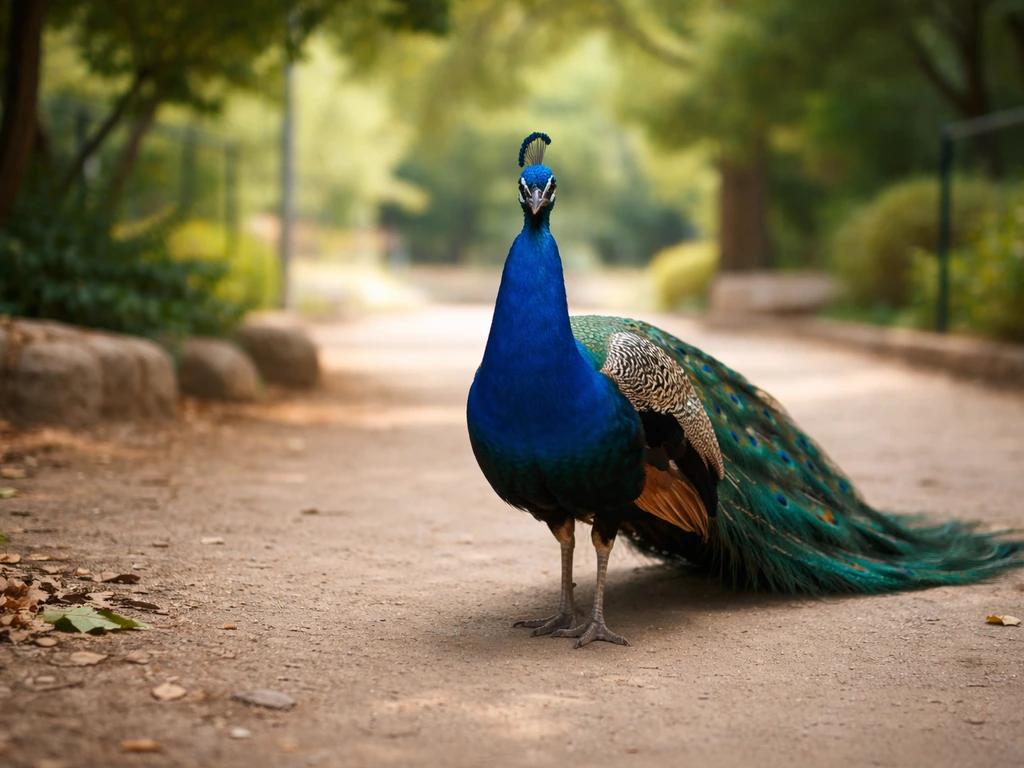
Peacocks are not common wild birds in most parts of the world, so a real-life sighting tends to feel notable. If you encounter one at a zoo, garden, or temple ground, the traditional interpretive lens is blessing and protection, in Hindu dream symbolism, seeing a peacock is linked to divine protection and spiritual blessing. But you can also apply a more personal reflection: are you in a moment where you need to step forward more fully, or where you are being called to let something genuine about yourself become visible?
Peacock dreams
Dreams about peacocks are where the interpretive range gets the widest. A peacock spreading its tail in a dream is commonly linked to new and promising opportunities, with an added cue toward kindness and living a more spiritually oriented life. But context matters enormously. Is the peacock in your dream vibrant and free, or is it strutting in a way that feels empty or performative? Dream symbolism works best when you treat it as a question to sit with rather than a literal prediction. One reliable interpretive caution: resist the urge to map dream images directly onto specific real-world events. The value is in the reflection, not the prophecy.
Peacock imagery in art, literature, and idioms
In art and literature, watch for whether the peacock is being used approvingly or critically. In European religious art, a peacock near a biblical scene often signals resurrection or immortality. In a satirical or moral context, it almost certainly signals vanity. The phrase "proud as a peacock" is the clearest idiom in English, and it carries a dual charge: pride can mean dignified self-respect or inflated ego, depending on tone. The umbrella bird meaning offers an interesting contrast here, as that bird's elaborate display also invites questions about performance versus substance in the natural world.
Using peacock symbolism for real reflection and decisions
If peacock imagery has shown up for you, in a dream, a repeated encounter, or just a feeling that the symbol resonates right now, here is how to make it practically useful. Start by asking which side of the peacock you are being called toward: the positive or the shadow. The honest answer will usually be pretty clear if you sit with it for a moment.
If the positive register feels true, the peacock is an invitation to stop hiding what is genuinely good or true about you. That might mean a creative project you have been holding back, a conversation you have been avoiding because it requires you to stand in your own perspective, or simply letting yourself take up more space in a situation where you have been playing small.
If the shadow register feels more honest, the peacock is asking you to look at the gap between how you present yourself and what is actually going on inside. Are you spending energy on appearances, literal or metaphorical, instead of doing the inner work? That is not a comfortable question, but it is a useful one.
Some specific journal prompts that work well with peacock symbolism:
- Where in my life am I hiding something real because I am afraid of how it will be received?
- Where am I performing confidence I do not actually feel, and what would it look like to build the real thing?
- Is there something I am proud of in a genuine, grounded way that I have not let myself fully acknowledge?
- Am I seeking external validation in a way that is costing me something — time, energy, integrity?
- What would it look like to let my inner reality become more visible, even in one small area of my life?
These prompts work whether you encountered peacock imagery in a dream, a piece of art, or just found yourself drawn to the symbol today. You do not need to commit to one grand interpretation, just pick the question that creates the most productive discomfort and stay with it.
Peacock vs peahen, and spiritual vs aesthetic: clearing up the common confusion
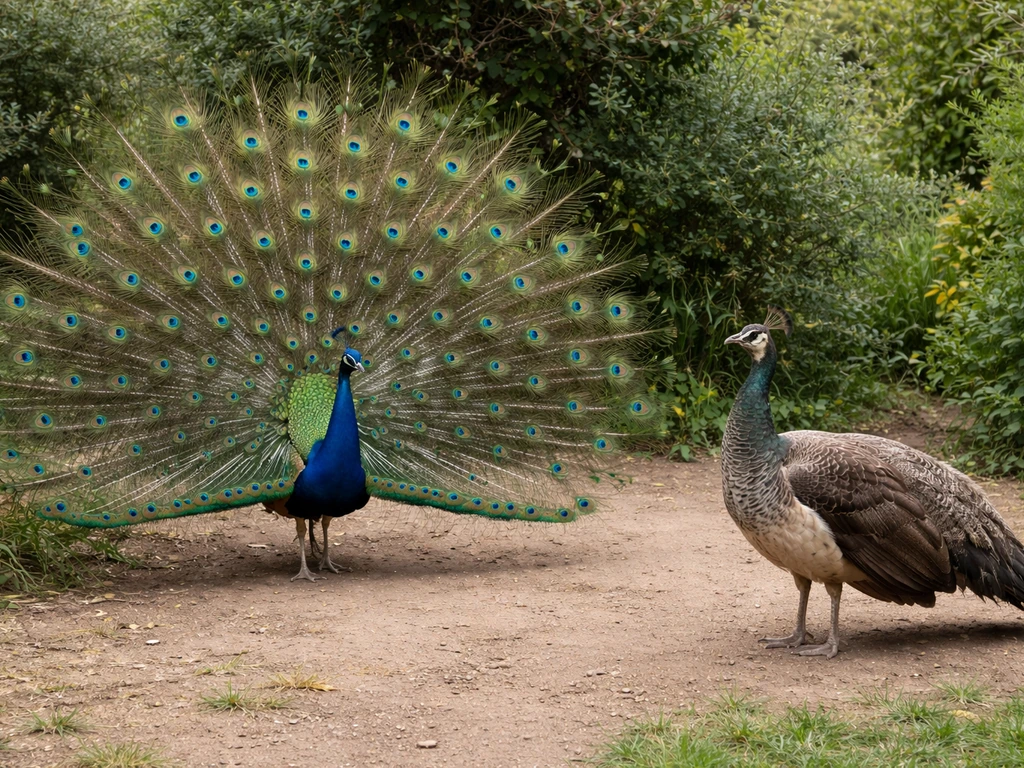
Most symbolic traditions, dream dictionaries, and cultural references use "peacock" to mean the male bird, the one with the dramatic tail display. Technically, females are peahens and the species as a whole is called peafowl. In symbolic terms, the peacock almost always refers specifically to the male's display, which is why all the meanings around confidence, visibility, and showing yourself are so dominant. If you encounter a peahen in a specific symbolic context, which is much rarer, the meaning tends to shift toward patience, groundedness, and the quieter kind of strength that supports the more visible display without needing to be the center of it.
The spiritual-versus-aesthetic question is worth addressing directly because a lot of people search for peacock symbolism and get results that are either purely decorative ("peacocks are beautiful, use peacock colors to feel vibrant") or so abstractly spiritual that they are hard to apply. The distinction matters. When the peacock shows up in Buddhist scripture as Mahāmāyūrī or carries a Hindu war god as a vahana, that is a spiritual meaning with specific content, protection, transcendence, sacred power. When a designer uses peacock motifs because they are visually stunning, that is an aesthetic choice. Both are valid, but they are not the same thing, and knowing which one you are engaging with helps you decide what to do with it.
A practical way to tell the difference: if the peacock image or encounter is prompting a real internal question, about authenticity, confidence, protection, or growth, that is the spiritual meaning working. If it is just visually appealing without creating any resonance or prompt for reflection, it is in aesthetic territory. Neither is wrong, but only one of them has something to say to you today.
If you find yourself drawn to exploring similar symbolic depth in other birds, the partridge bird meaning is a good next stop for a bird that carries very different energy, quieter, more grounded, and often linked to themes of resourcefulness and patience rather than display.
FAQ
Does peacock bird meaning change if it shows up as a peahen (instead of a peacock)?
In most symbolic readings, peacock specifically points to the male, because the tail-fan display is what drives the “visibility and confidence” meanings. If the imagery clearly shows a peahen instead, interpretations often shift toward quieter strength, patience, and steady support rather than being center stage.
How can I tell whether peacock symbolism is spiritual guidance or just aesthetic vibes?
A helpful check is to look for any “felt instruction,” not just beauty. If the image pushes you to make a choice (speak up, start the creative work, stop performing, set boundaries), it is usually operating as spiritual meaning. If it produces only admiration or decoration without any internal friction or reflection, it is more likely aesthetic symbolism.
What does it mean if I see peacock feathers (not the whole bird)?
Feather-focused images (single eye-spot feather, fan feather, or jewelry) often intensify the themes of discernment and watchfulness, because the eye-spots are where the “all-seeing awareness” association comes from. If the feathers feel healing or protective in your mind, lean toward protection and renewal, but if they feel like status or image, lean toward the vanity shadow.
Do peacock meanings shift depending on how the bird or feathers look?
Color and condition matter for interpretation. Vibrant, fully open display tends to point to opportunity, visibility, and an invitation to be genuine. Muted colors, broken feathers, or a tail that will not fully fan can suggest blocked expression, fear of exposure, or stalled renewal that needs inner work before external change.
Is peacock meaning more about confidence or about arrogance?
Yes. “Proud as a peacock” can mean dignified self-respect, or it can imply ego that depends on admiration. In practice, ask yourself whether your current “visibility” is rooted in values and truth (healthy confidence) or in getting approval and reducing insecurity (performative pride).
What if I dream of a peacock but the feeling is negative or tense?
If a peacock appears in a stressful dream, the symbol can still be positive, but the emphasis usually flips toward protection, clearing mental “noise,” and correcting overreliance on appearances. A dream version of the vanity shadow often shows up when you feel watched, judged, or forced to perform during the dream.
Should I interpret peacock dreams as literal predictions of future events?
A safer approach is to treat the dream as a prompt for reflection, not a calendar prediction. For example, instead of asking “What event is coming,” ask “What part of me is trying to be seen, and what inner barrier is involved (fear, perfectionism, people-pleasing)?”
If I see a real peacock, what should I do with the meaning practically?
If you encounter a peacock at a temple, zoo, or garden, many traditions read it as blessing or protection, but a practical modern layer is to connect it to what you are currently avoiding. If you have been “playing small,” treat the encounter as a nudge toward authentic participation, one concrete step at a time.
What does repeated peacock imagery usually indicate?
If the peacock imagery shows up repeatedly, it usually means the “authentic visibility” lesson is still unresolved. Track your latest choices around self-expression, boundaries, and validation. Repetition often points to the same inner question returning until you respond with a behavior change, not just a thought.
What’s the fastest way to avoid misinterpreting peacock symbolism?
Avoid relying on one fixed dictionary definition. Use a quick two-part filter: (1) Which register feels more true today, positive (awakening, renewal, protection) or shadow (vanity, performing, fear of exposure)? (2) What specific action would make the register you chose more real within the next week?
Next Article
Perched Bird Meaning, Literal, Symbolic, Usage, Examples
Perched bird meaning: clear literal and symbolic definitions, usage differences, examples, and quick reference.