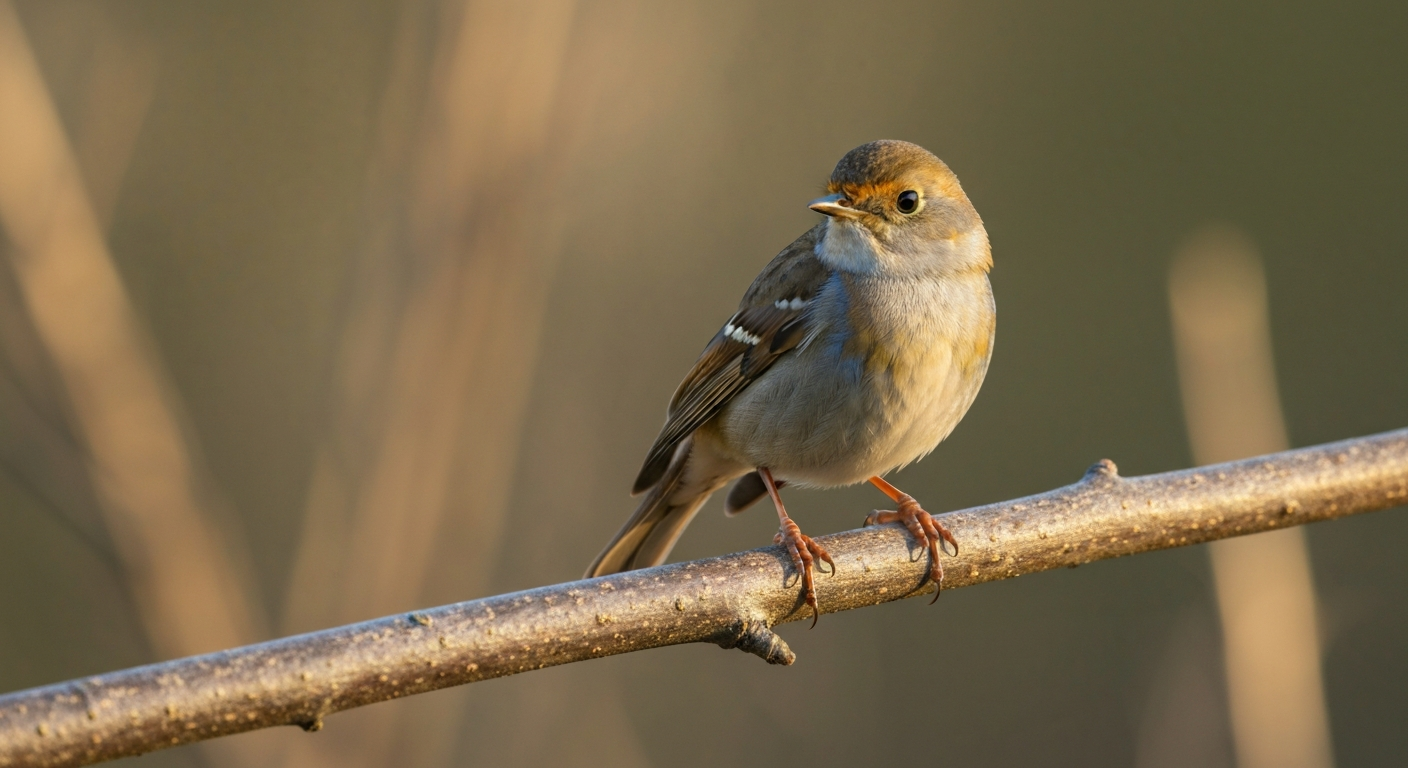
When someone says 'night bird,' they usually mean one of two things: a literal nocturnal bird (think owls, nightjars, or nightingales) or a person who stays up late and thrives after dark, the same idea as a 'night owl.' Which meaning applies depends almost entirely on context. If you saw it in a poem or a nature description, it's probably the first. If someone called you or another person a night bird, it's almost certainly the second. Vocabulary.com defines “nightbird” figuratively as a person who likes to be active late at night a person who stays up late and thrives after dark.
Night Bird Meaning: Literal and Figurative Uses

Marcus Whitley
25 Apr 2026
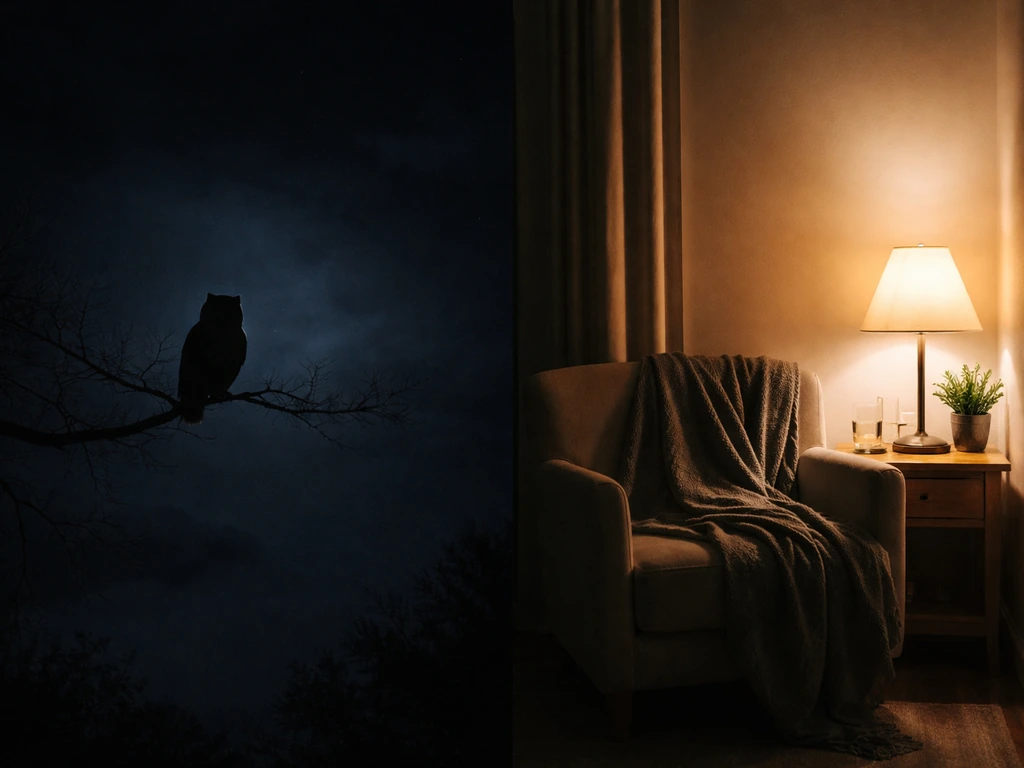
Literal vs. Figurative: The Two Meanings of Night Bird
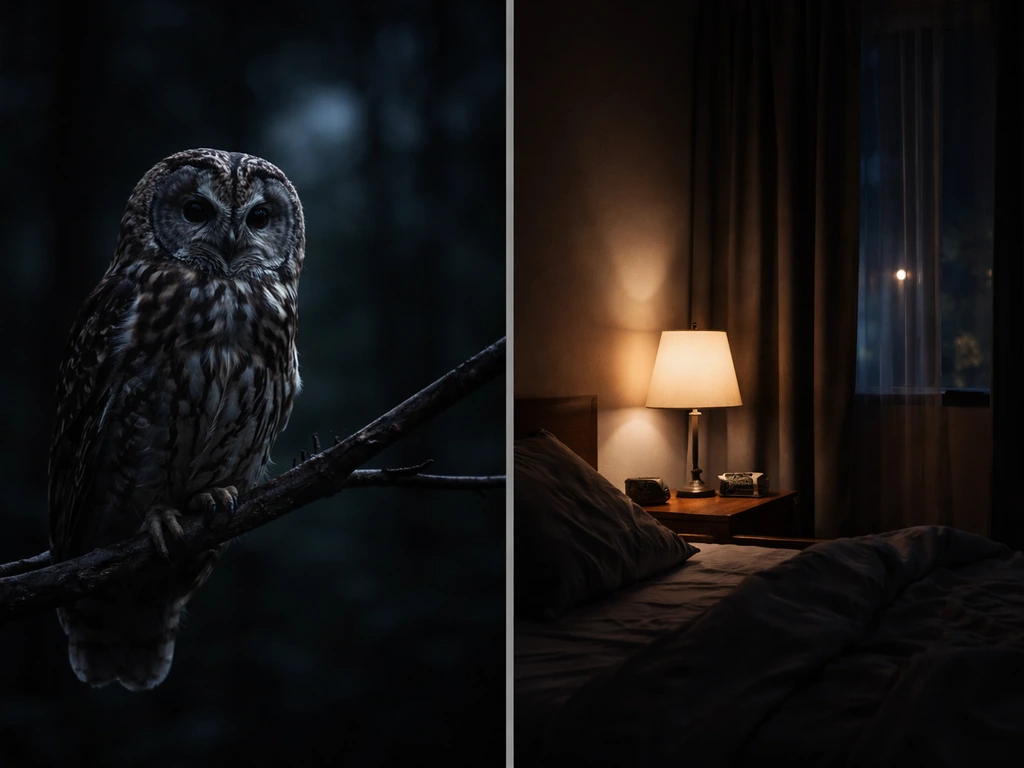
The term has a clean split between its literal and figurative uses, and both are well-established. Collins Dictionary defines 'night-bird' in the literal sense as a bird that is active at night, with owls being the most obvious example. That reading is straightforward: you're talking about an actual bird species that hunts, calls, or migrates in the dark.
The figurative meaning is just as common. Merriam-Webster defines 'night bird' as a person who stays out late at night or works chiefly by night. Vocabulary.com echoes this with 'a person who likes to be active late at night.' So if someone in a conversation, a song lyric, or a caption calls a person a night bird, they're drawing a direct parallel to the night owl idiom: someone who burns the midnight oil, comes alive after dark, and probably isn't at their best at a 7 a.m. meeting.
Neither meaning is more 'correct' than the other. They've coexisted in English for long enough that both are dictionary-legitimate. The job, when you encounter the phrase, is figuring out which one the writer or speaker intended.
What People Usually Picture: Nocturnal Birds and Their Associations
When 'night bird' is used in a literal or semi-literal way, the bird most people picture is the owl. Owls are the shorthand for 'bird of the night' in almost every culture that has a word for them. They hunt in darkness, they're virtually silent in flight, and their forward-facing eyes give them an eerily human look that has fed centuries of symbolism. But owls aren't the only birds that earn this label.
- Owls (barn owl, great horned owl, tawny owl): the default 'night bird' in most English-speaking and European traditions
- Nightingales: famous for singing through the night, which is why poets reached for them constantly as a symbol of nocturnal beauty
- Nightjars and whip-poor-wills: ground-nesting birds with eerie, repetitive calls that made them figures of folklore and superstition in rural communities
- Ravens and crows: not strictly nocturnal, but their dark plumage and scavenging habits tied them to night symbolism in Norse, Celtic, and Indigenous traditions
- Bats: not birds, but culturally bundled with 'night birds' in informal speech often enough to be worth mentioning
The nightingale occupies a special place here. It's technically a day bird that also sings at night, which is why it became the romantic night bird of European poetry. When Keats or Shakespeare reached for a night bird that stood for beauty, longing, and the fleeting nature of experience, it was the nightingale. When they needed something darker or more ominous, they went to the owl or raven. That distinction matters when you're trying to decode what a particular text or lyric is doing.
Bird at Night, Bird of Night: How Context Shifts the Meaning
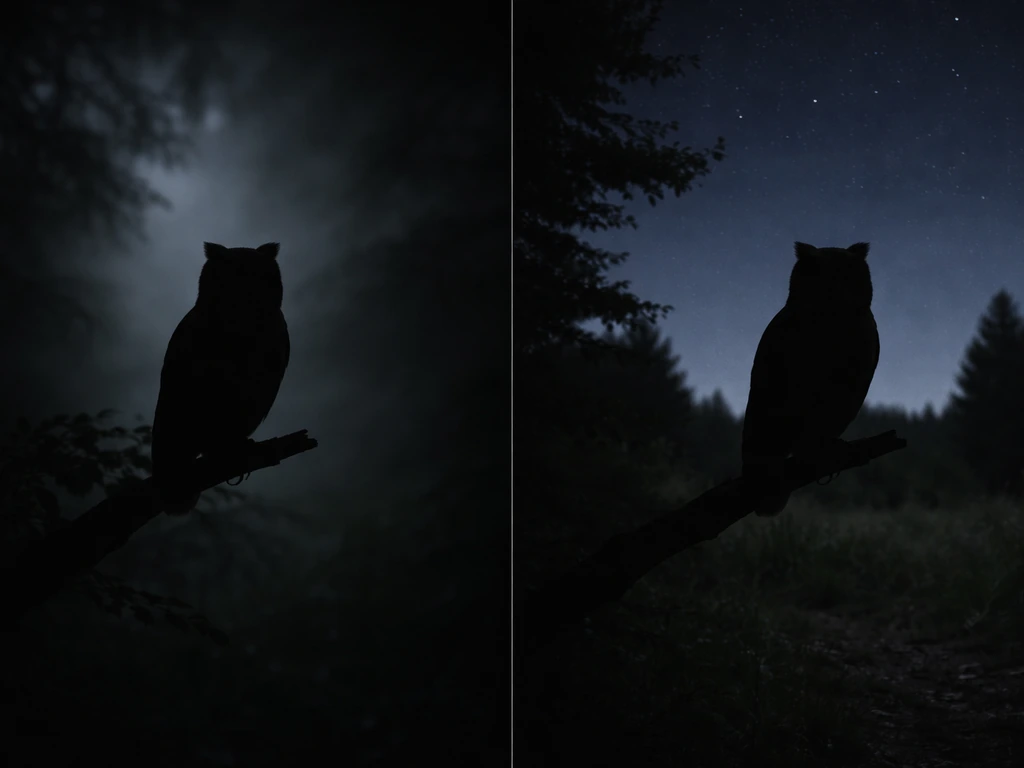
The slight variation in phrasing actually tells you a lot. 'Bird of night' is older, more formal, and almost always leans poetic or symbolic. blank" rel="noopener noreferrer">Shakespeare used 'bird of night' to mean an omen-carrying creature, specifically the owl, in Julius Caesar. When you see 'bird of night' in a literary or dramatic context, you can generally assume the writer is reaching for symbolism: mystery, foreboding, or the unknown.
'Bird at night' is a looser, more descriptive phrase. It can be literal (what bird is making that sound at night?) or it can carry symbolic weight depending on what's around it in the sentence. A field guide uses 'bird at night' plainly. A poem uses it with intent.
'Night bird' as a nickname or title works differently again. It feels like a persona: a jazz musician playing late sets, a bartender who starts their shift at 10 p.m., or a friend who answers your 2 a.m. texts. Here the figurative, people-meaning is doing all the work. The bird part is just flavor, a way of making 'stays up late' sound more evocative than 'night owl,' which has become almost too familiar to carry weight anymore.
What Night Birds Symbolize Across Cultures and Literature
Night bird symbolism runs in a few strong, recurring directions depending on culture. Here's how the main threads break down.
Wisdom and Insight
This comes primarily from the owl. In ancient Greek tradition, the owl was Athena's bird, the goddess of wisdom, which is why owls ended up on Athenian coins and became the permanent symbol of intellectual life in Western culture. The idea is that seeing in the dark is a metaphor for seeing what others miss. A 'night bird' in this sense is someone with unusual perception or depth.
Mystery and Secrecy
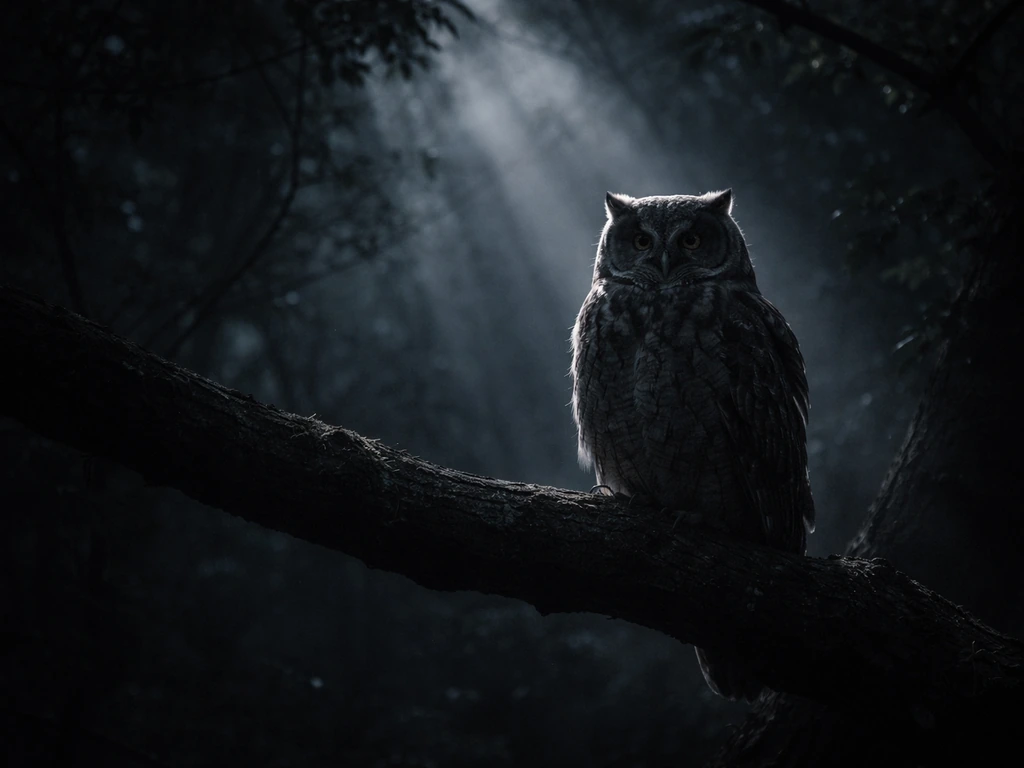
Night birds operate in the dark, out of sight, in the hours when most people are asleep. That makes them natural symbols of hidden things: secrets kept, truths not yet spoken, activity happening outside normal view. In literature, a night bird appearing at a character's window often signals that something is being concealed, or that the character is about to discover something.
Omens and Warning
In many folk traditions, hearing a night bird at an unusual time or place is a warning. The screech of a barn owl near a house was historically taken as a death omen in parts of England, Ireland, and the American South. The whip-poor-will's repetitive call was treated similarly in Appalachian and Native American folklore. These associations fed directly into Gothic and horror literature, where night birds almost always appear before something bad happens.
Beauty, Longing, and the Romantic
The nightingale broke the mold. Rather than fear or foreboding, it brought beauty into the night. Its song in European poetry became linked to unrequited love, the pain of separation, and the bittersweet quality of brief, intense experience. This strand of night bird symbolism is warm rather than dark, and it shows up in Romantic poetry, folk songs, and even modern lyrics when writers want to give a melancholy but beautiful tone to something nocturnal.
Spiritual Awareness and the Liminal
In several Indigenous traditions across North America and in West African spiritual practices, night birds are associated with the boundary between the living and the spirit world. They appear at the liminal hour, which is the time between waking and sleep, life and death, the known and the unknown. An owl or a nightjar calling at that hour is not necessarily a bad sign; it can mean a spirit is nearby or that you're being given a message you need to pay attention to.
Emotional and Spiritual Interpretations: When Each One Applies
| Interpretation | When It Applies | Key Context Clues |
|---|---|---|
| Wisdom / Insight | Philosophical, literary, or educational settings | References to Athena, learning, seeing clearly, the owl specifically |
| Mystery / Secrecy | Noir, thriller, or introspective writing | Hidden action, shadows, night as concealment rather than beauty |
| Omen / Warning | Folk tales, superstition, Gothic or horror contexts | Unusual timing of bird appearance, dread in surrounding text |
| Beauty / Longing | Romantic poetry, love songs, elegies | Nightingale mentioned, melancholy tone, bittersweet emotion |
| Spiritual / Liminal | Religious, Indigenous, or metaphysical contexts | References to ancestors, spirit world, dreams, or the afterlife |
| Night owl (person) | Casual speech, nicknames, modern slang | Describing a person's habits, no actual bird in the scene |
The interpretations aren't mutually exclusive. A poem can use a night bird to signal both beauty and warning at the same time, that's actually one of the things skilled writers do with the image. But in casual speech, you rarely need to read more than one layer deep. If someone calls a friend a night bird, they mean they stay up late. Full stop.
How to Figure Out What It Means in Your Specific Case
Run through this quick checklist when you're not sure which meaning applies.
- Is a real bird being described, or a person? If the surrounding text is about nature, wildlife, or a specific setting outdoors, it's probably literal. If it's about a person's behavior or personality, it's figurative.
- What's the emotional tone? Dark, foreboding, or ominous tones point toward omen or mystery symbolism. Warm, melancholy, or romantic tones point toward the nightingale tradition. Neutral or playful tones suggest the 'stays up late' meaning.
- Is a specific bird named? Owl almost always means wisdom or omen. Nightingale means beauty or longing. No specific bird named usually means the general 'night person' figurative use.
- What's the genre or setting? Poetry and classic literature lean symbolic. Conversation and social media lean toward the night owl / person meaning. Folk tales and mythology lean toward omen or spiritual.
- Is it a nickname or title? 'She's a real night bird' or 'Night Bird' as a character name means the person-meaning. 'The night bird called from the woods' means literal.
- Check the surrounding imagery. Words like shadow, secret, hidden, mystery, and darkness alongside 'night bird' push it toward the symbolic. Words like tired, awake, late, shift, or party push it toward the casual people-meaning.
Practical Examples: What It Actually Looks Like in Use

Here are concrete examples of 'night bird' appearing in different registers, so you can see the range in action.
- 'She's a complete night bird, never asleep before 3 a.m.' — Casual, figurative, means she's a night owl. No bird symbolism intended.
- 'The night bird called across the marsh, a sound both beautiful and unsettling.' — Literary, probably an owl or nightjar. Sets an atmospheric or ominous tone.
- 'He moved through the city like a night bird, quiet and unseen.' — Metaphorical, using the bird's qualities (silent, nocturnal, hidden) to describe a person's movement. Mystery and secrecy reading.
- 'O night bird, sing to me of what the darkness knows.' — Poetic address to a nightingale-type figure. Reaches for the beauty, longing, and liminal wisdom tradition.
- 'Beware the bird of night, it brings ill fortune.' — Folk or superstition context. Classic omen usage, almost certainly an owl.
- 'Night Bird' as an album title, song name, or character name — persona or nickname use. The nocturnal-person meaning, often with a cool or mysterious connotation added for style.
One thing worth knowing: 'night bird' often appears in music titles and artist names precisely because it hovers between meanings. It can suggest someone who performs or creates late at night, carries a sense of mystery, and evokes the romantic nocturnal-beauty tradition all at once. That ambiguity is usually intentional.
If you're researching connected phrases, it's worth knowing that 'sleeping bird' and 'brooding bird' carry their own distinct symbolic weight, the former often tied to vulnerability or peace, the latter to deep thought or dark contemplation. If you meant the figurative phrase, the broody bird meaning points to deep thought, heavy introspection, and a darker kind of contemplation. The night bird sits in a different emotional register: active, alert, and operating in a world most people have opted out of for the evening. In some contexts, the porridge bird meaning is discussed as a playful or symbolic twist on what “night bird” can imply.
Your Next Steps for Pinning Down the Meaning
If you came here with a specific phrase you're trying to decode, the fastest path forward is to go back to the source and ask three questions: Is a person or a bird being described? What's the emotional register of the surrounding text? And is a specific nocturnal bird implied or named? Those three questions will get you to the right interpretation about 90% of the time.
If you're looking for the symbolism angle, owls are the most loaded night bird in Western tradition, so searching 'owl symbolism' alongside whatever cultural context you're working in will give you the most specific results. If you want the exact sade morning bird meaning, focus on how the text frames the bird as a warning or omen rather than just a literal night creature owl symbolism. If it's a nightingale in a poem or song, look at the Romantic tradition specifically. And if it's just a person being called a night bird, you've already got your answer: they're the one still awake when everyone else has gone to bed. If someone is searching for the shut up bird meaning, it usually points back to the figurative “night bird” idea of a person staying up late.
FAQ
How can I tell if “night bird” is about a real bird or someone staying up late?
Use the noun phrase clues. If “night bird” is paired with verbs like hunts, calls, migrates, or described with plumage or habitat details, it is literal. If it’s paired with human cues like working shifts, texting at 2 a.m., staying up late, or being unexpectedly energetic after dark, it is figurative (a person who keeps night hours).
Is “night bird” the same as “night owl,” or is there a nuance?
In everyday English, “night bird” is close in meaning to “night owl,” but it can sound a little more poetic or stylish. If someone uses it as a nickname, it often implies personality (your “late hours” habit), not just schedule, and it may carry a little extra mystique compared with the more neutral “night owl.”
Can “night bird” mean something ominous, even if it is not literally about an owl?
Yes, it can be part of a warning vibe when the surrounding context is ominous. If the sentence also includes words like omen, bad luck, death, danger, or foreboding, the reader will usually map it to the owl or other night-call tradition. If the mood is tender or romantic (love, longing, bittersweet), it often maps to the nightingale symbolism instead.
What should I check if the phrase is vague, like just “night bird” without naming a bird?
Look for specificity and naming. If a text says “night bird” and then names a species (owl, nightjar, nightingale, whip-poor-will), it’s meant to be literal or semi-literal. If it stays generic and instead focuses on feelings (mystery, curiosity, romance), it’s more likely figurative or symbolic.
What’s the biggest misread people make with “night bird meaning”?
Common mistake: treating it as always figurative. In poetry, “bird” can still be a real bird, especially when sensory details (calling, wings, flight in darkness) are present. A quick test is whether the sentence could work in a field-guide context. If yes, it’s probably literal.
If I’m unsure, how can I ask for clarification without sounding rude?
If you’re deciding what to say in speech, avoid assuming. You can paraphrase the intended meaning without sounding pedantic: “Are you saying a real nocturnal bird, or that someone stays up late?” This is especially useful in casual conversations where the speaker might be using it as a nickname or as imagery.
Do common sentence patterns reveal what type of figurative meaning is intended?
Consider time-stamps and roles. “Night bird” used with job-like details (bartender, musician, shift worker) usually means the person works or performs at night. “Night bird” used with relationship or personal behavior (late calls, midnight texts, secrecy) often signals hidden or private activity, even if the speaker mainly means “stays up late.”
Why does “night bird” show up in music or artist names, and how should I interpret it there?
In titles and artist names, ambiguity is frequently intentional. “Night bird” may be chosen to suggest both late-night creativity and nocturnal mystique at once. If you’re interpreting it, prioritize the work’s tone (genre, lyrics, artwork atmosphere) over a strict single definition.
How should I handle symbolism differences across cultures when interpreting “night bird”?
Cultural symbolism can vary, but the Western baseline is often owl-heavy for wisdom and hidden sight. In folklore contexts, unusual night calls near homes can be framed as warnings. If your text references a specific region or tradition, don’t force the Western owl meaning automatically.
Next Article
Perched Bird Meaning, Literal, Symbolic, Usage, Examples
Perched bird meaning: clear literal and symbolic definitions, usage differences, examples, and quick reference.