When someone uses the phrase 'hook bird,' they almost always mean one of two things: the bird that got a person totally hooked on birdwatching (a beloved piece of birding slang), or a bird that has literally been hooked by fishing gear. The birding meaning is by far the more common one you'll encounter in conversation, on social media, and in birding communities. Once you know the context you saw it in, the right interpretation becomes pretty obvious. Here's how to read it correctly every time.
Hook Bird Meaning: Slang, Metaphor, and Literal Contexts

Marcus Whitley
21 Apr 2026
What 'hook bird' usually means in everyday English
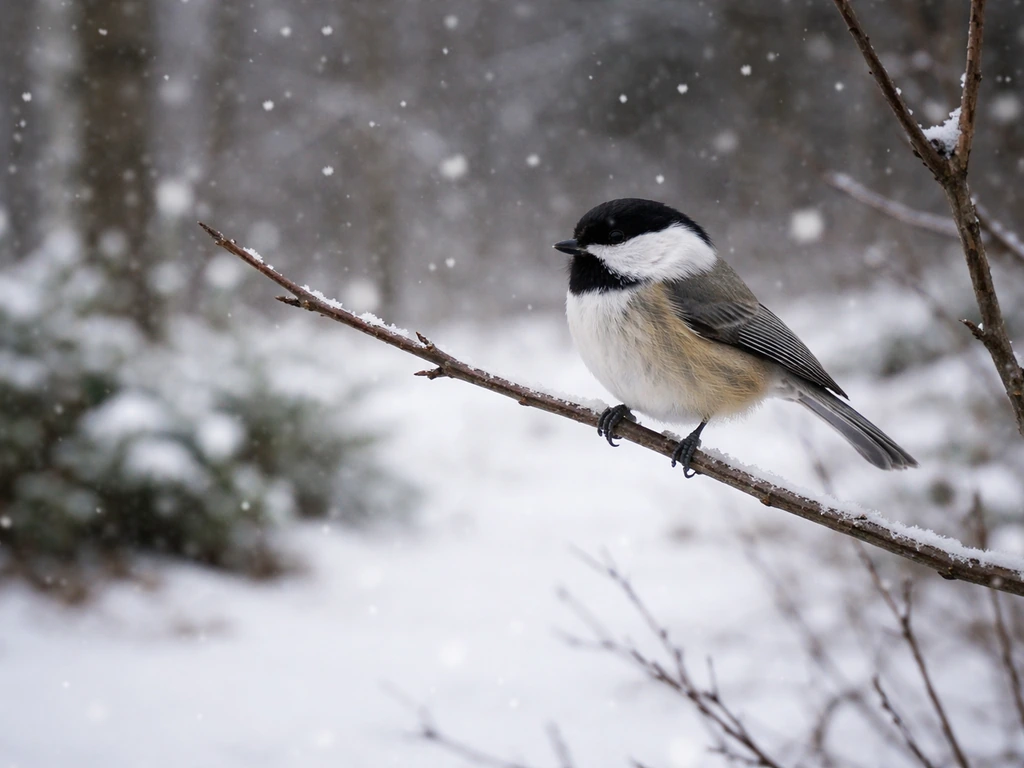
In casual English, 'hook bird' is most commonly birding community shorthand for the specific bird that first captured someone's fascination and pulled them into the hobby. Think of it as the bird that set the hook, in the fishing-metaphor sense, and now you can't put the rod down. The National Park Service has used the term explicitly in this way, describing a hook bird as 'the bird that really got them into birding,' and giving the glossy ibis as a real example. Birding blogs and naturalist guides use it the same way, noting that even professional naturalists often cite a feeder species as the hook bird that made them start looking up and scanning the skies for the first time.
Outside birding, the phrase isn't a standard dictionary idiom in general English, which is exactly why it trips people up. If you encountered it outside a birding conversation, you're either dealing with a creative metaphorical use, a fishing-related context, or someone borrowing birding slang and applying it more loosely.
How it works as slang and bird metaphor
The phrase borrows directly from the general English metaphor of being 'hooked' on something, meaning you're so drawn in that you can't easily let go. That root metaphor is obviously fishing-derived: a fish takes the bait, the hook sets, and now it's caught. Applied to birds and birding, it flips the direction interestingly. The bird isn't the thing being caught; the bird is doing the catching. It hooking you. A birding newsletter put it perfectly in an anecdote: 'The hook bird had set its hook!' The bird is framed as the agent of capture, and the birder is the one who got reeled in.
On Reddit's birding communities, 'hook bird' is used interchangeably with 'spark bird,' which is the more widely known term for the same concept. One thread referenced a Great Blue Heron as a spark bird, and others chimed in with their own hook birds. The words are synonyms in practice, though 'hook bird' carries a slightly stronger sense of something that grabbed you and didn't let go, whereas 'spark bird' emphasizes the igniting moment. The connotation is emotional capture, not physical.
In a broader metaphorical sense, if someone outside birding uses 'hook bird' to describe a person, a song, a film, or anything else, they're extending the same logic: this is the thing that caught my attention and drew me in completely. That usage is less standardized but entirely understandable given how embedded the 'hooked' metaphor is in English.
Where you saw it matters a lot
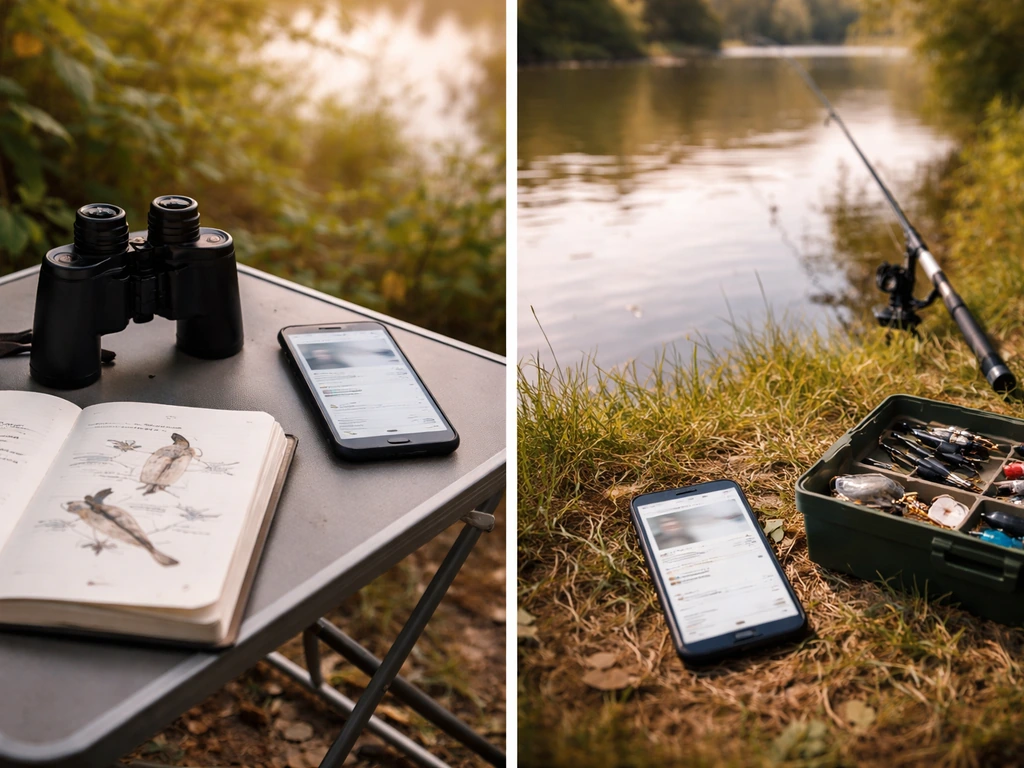
The single most useful thing you can do when you're unsure what 'hook bird' means is look at the surrounding words and the platform where you found it. Context almost always makes the interpretation clear.
Social media and birding communities
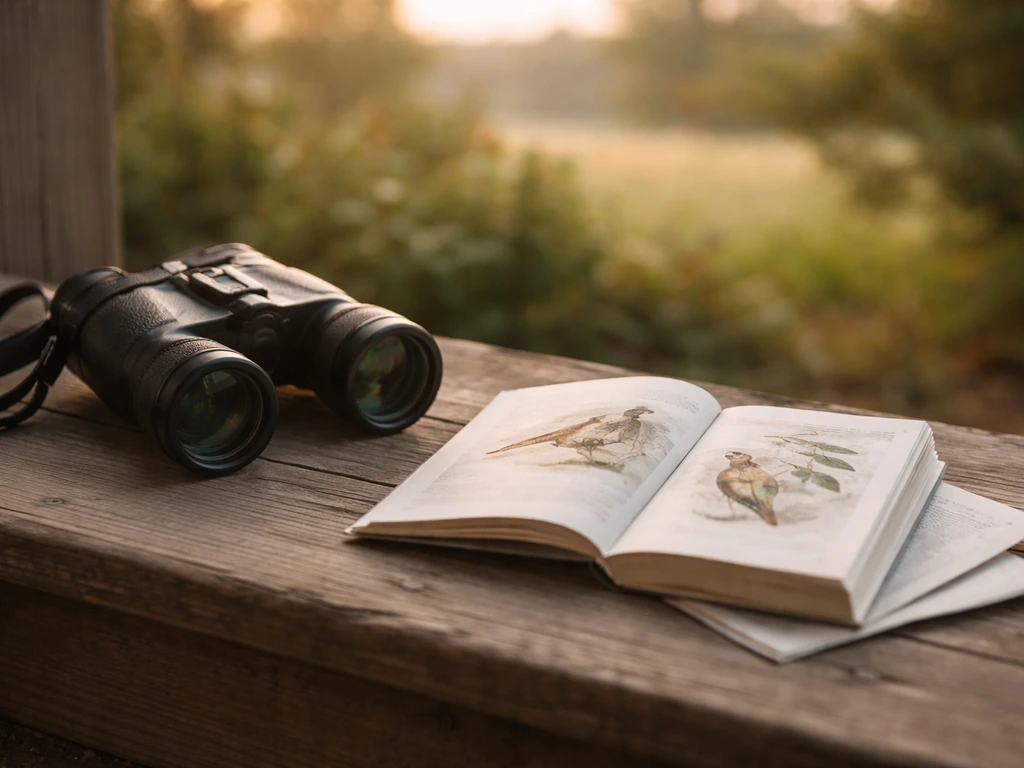
If you saw 'hook bird' in a birding forum, a birdwatching subreddit, a nature Instagram caption, or a wildlife photography thread, you're almost certainly looking at the 'this bird got me into birding' meaning. Surrounding signals to look for include words like species, binoculars, life list, birdwatching, spark bird, feeder, scanning the skies, or any specific bird species names. If those are nearby, the interpretation is straightforward.
Fishing, hunting, or outdoor recreation content
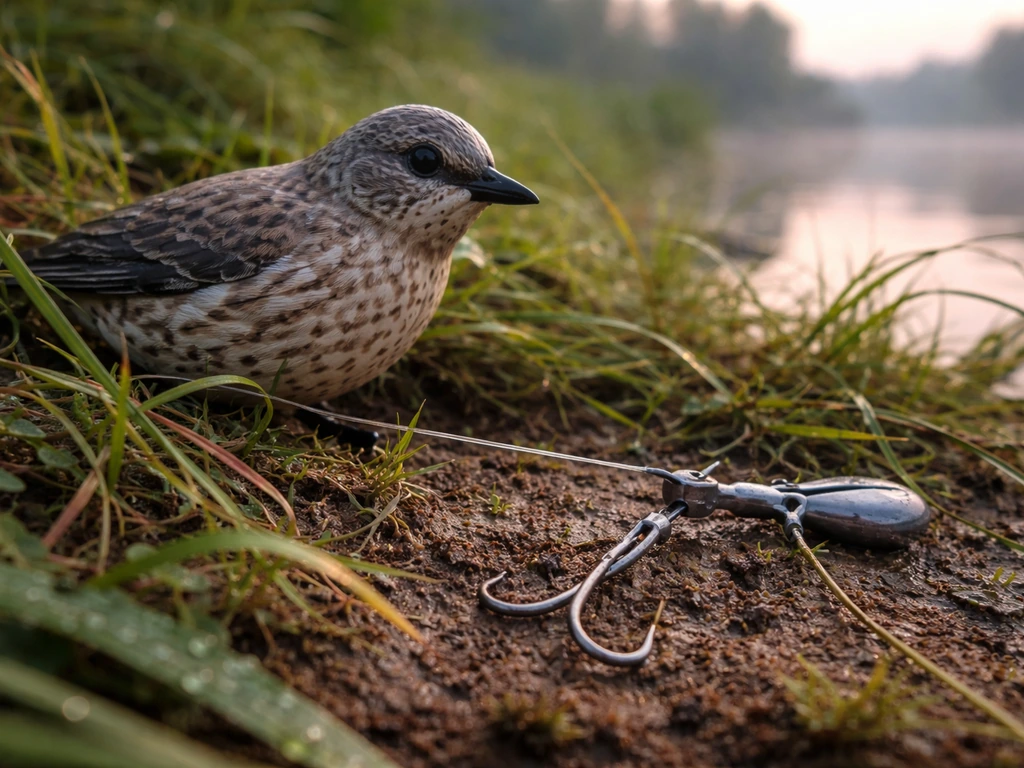
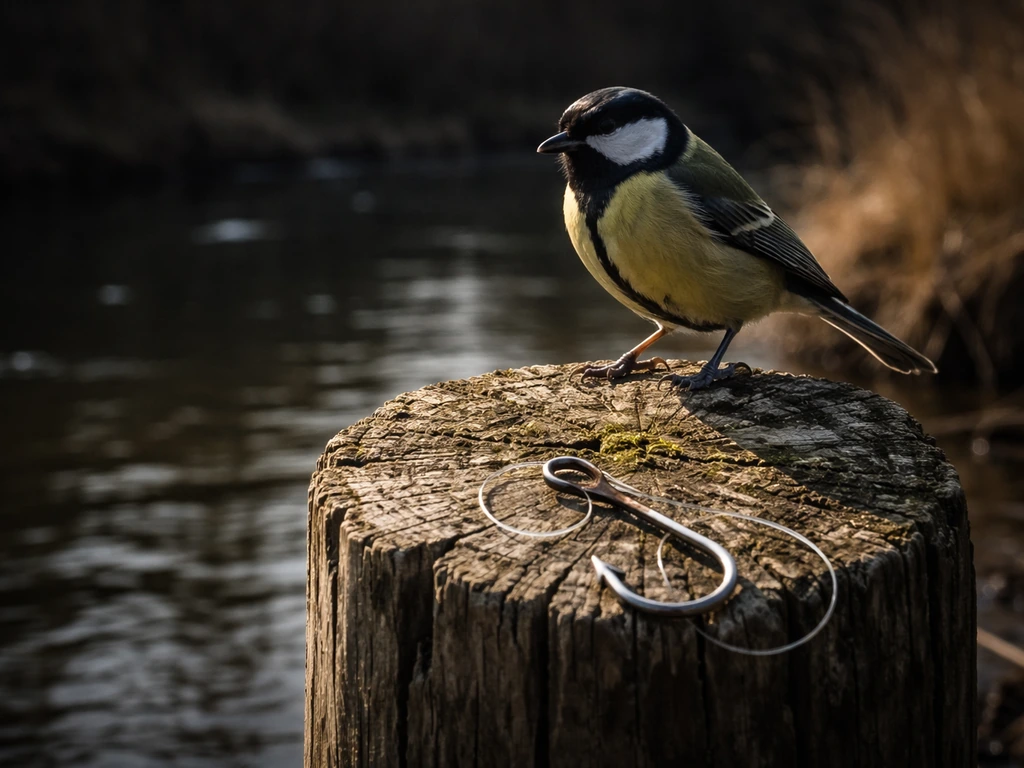
If you found it in a fishing article, an outdoors regulation page, or a conservation discussion about bycatch, 'hook bird' is almost certainly literal: a bird that has been accidentally caught on a fishing hook or line. This happens when birds dive for bait on longlines or when a cast line tangles around a bird in flight. Florida fishing regulations, for example, include guidance on what to do when you 'hook a bird by accident. Florida’s saltwater regulations similarly acknowledge accidental bycatch, including wording consistent with “hook a bird by accident.”. ' The surrounding language here includes words like bait, lure, line, reel, accidentally, bycatch, or procedural advice about removing hooks from wildlife.
Creative writing, poetry, or general conversation
In a poem, a story, a song lyric, or a general conversation, 'hook bird' is being used metaphorically in a more open-ended way. Here it could mean something that captivates, something dangerous that lures you in, or a person or thing being pursued. The author's intent shapes the meaning, and you may need to look at tone: is it romantic (something that caught your heart), ominous (a trap you didn't see coming), or admiring (something so compelling you couldn't look away)?
The symbolic weight behind the phrase
Birds have carried strong symbolic meaning in virtually every culture, and the hook metaphor adds a specific emotional layer on top of that. When you combine the two, you get a phrase that can pulse with several different symbolic registers depending on context.
Attraction and wonder are the most positive end of the spectrum. In the birding sense, a hook bird is something beautiful and mysterious that simply arrests your attention. In other words, “bulbul bird meaning” points to the bird’s identity and symbolism, which can vary by culture and context hook bird. Birders often describe the moment with genuine affection: the bird appeared, something clicked, and their whole relationship with the natural world shifted. That's a powerful symbolic role for any creature to play, and it maps onto the general symbolism of birds as messengers, freedom symbols, and signs that draw the eye upward.
Danger and entrapment sit at the other end. A hook, in its literal form, is a trap. A bird that hooks you could be read as something alluring but ultimately catching you, drawing you into something you can't easily escape. This reading shows up in the metaphorical and literary uses: the hook bird as a lure, a snare, an irresistible thing that changes your course. That tension between beauty and capture is actually why the phrase works so well as a metaphor. Birds are often symbols of freedom, so a bird that traps you carries a built-in irony.
Pursuit is the middle ground. A hook bird can also just be the thing you're chasing, whether that's a rare species a birder is trying to tick off their life list, or something figurative that someone is relentlessly pursuing. The hook creates urgency: once you're hooked, you keep moving toward the thing.
Why people mix this up with similar terms
The confusion around 'hook bird' mostly comes from two sources: the word 'bird' carrying multiple meanings in English slang, and the word 'hook' doing the same.
In British and some Australian slang, 'bird' can refer to a person (often a woman, though the usage has evolved over decades). If someone with that background says 'hook bird,' they could mean a person who is being pursued romantically or otherwise. That reading is less common in North American contexts but worth keeping in mind if the speaker has British cultural influences.
The word 'hook' is doing a lot of work on its own. It can mean to catch (fishing), to attract (marketing and pop culture use 'the hook' of a song), to steal (informal British slang), to connect (off the hook, on the hook), or to addict (hooked on something). Any of these senses can bleed into how someone uses 'hook bird,' depending on their background and intent.
There's also potential overlap with other bird-related terms from different domains. The concept of being drawn to something, for instance, appears in discussions of the 'home bird' (someone who prefers staying close to familiar surroundings) or the 'intro bird' (a bird used to introduce someone to a topic or place). The intro bird meaning is that a particular bird can serve as an entry point that gets someone interested in a topic or place. A hook bird is different because the emphasis is on capture and transformation: it doesn't just invite you in, it changes you.
| Term | Core meaning | Emotional register |
|---|---|---|
| Hook bird (birding) | The bird that got you into birdwatching | Wonder, capture, lasting fascination |
| Spark bird | The bird that ignited your interest in birding (synonym) | Ignition, discovery, enthusiasm |
| Hook bird (fishing) | A bird accidentally caught on a fishing hook | Practical, cautionary, literal |
| Hook bird (metaphor) | Something that lured or entrapped you | Allure, danger, irresistible pull |
| Bird (British slang) | A person, often used in pursuit/romantic context | Casual, colloquial, person-focused |
How to figure out what it means in about 30 seconds
You don't need to overthink this. Ask yourself these questions in order and you'll land on the right interpretation quickly.
- Is this in a birding or nature context? If yes, it almost certainly means the bird that sparked or hooked someone's interest in birdwatching.
- Is this in a fishing, outdoor sports, or wildlife conservation context? If yes, it's likely literal: a bird accidentally caught on a hook or line.
- Is the speaker British or using British slang? If yes, 'bird' might refer to a person, and 'hook bird' could mean pursuing or catching someone's attention.
- Is this in a poem, story, or general metaphorical context? If yes, look at the tone: is it admiring (beauty that captivates), ominous (a trap), or about pursuit (chasing something)?
- Are there no clear contextual clues at all? Then the most likely meaning is still the birding one, because that's the most established specific usage of this exact phrase.
Here are a few quick example interpretations you can match to your situation:
- 'My hook bird was a painted bunting at my feeder' — birding usage, means the bird that got this person into birdwatching
- 'I accidentally hook bird when casting near the pier' — fishing usage, means a bird got caught on the line
- 'That song was my hook bird for the whole album' — extended metaphor, means the song captured attention and pulled them into the rest of the album
- 'She was a real hook bird' — slang usage (likely British-influenced), refers to a person who captivated or drew someone in
- 'The hook bird had set its hook!' — birding anecdote framing, humorous inversion where the bird is the agent catching the birder
The literal side: when hooks and birds actually meet
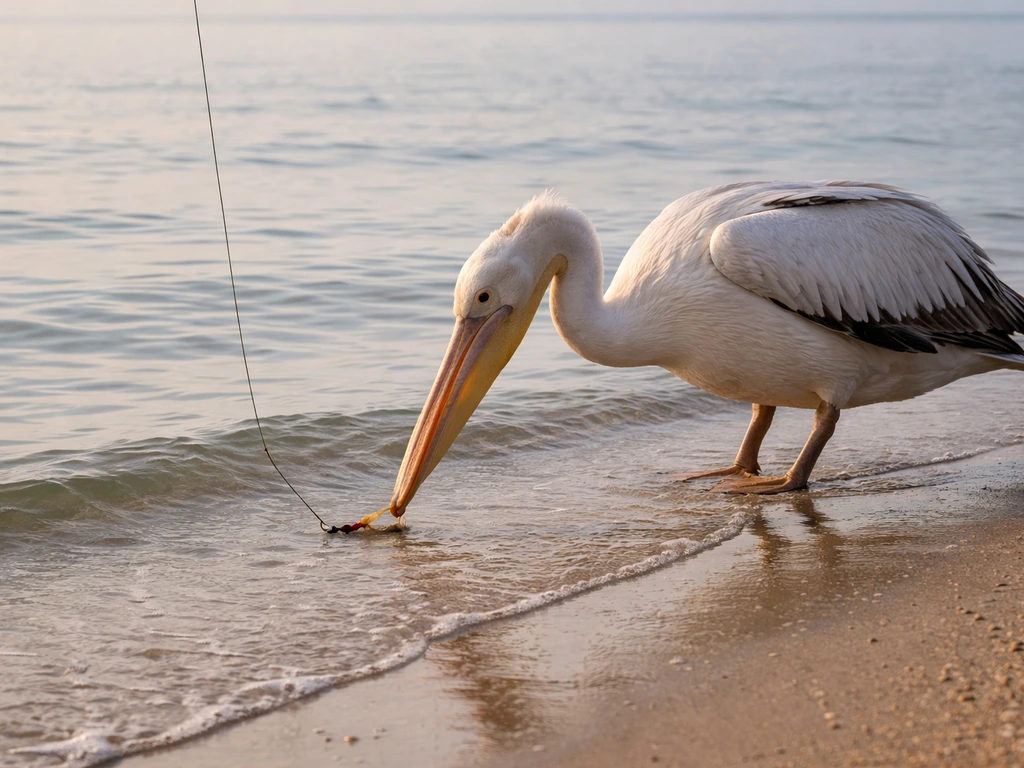
It's worth spending a moment on the genuinely literal meaning, because it comes up in real outdoor situations. In fishing, birds, especially seabirds like pelicans, herons, and gulls, sometimes dive for bait or lures and end up caught on the hook or tangled in the line. This is documented in seabird bycatch research on pelagic longline fisheries, where birds attempting to take bait become hooked unintentionally. It's also a common enough occurrence in recreational fishing that Florida's saltwater fishing regulations include specific guidance on what to do when you hook a bird, covering how to handle the bird, remove the hook safely, and when to contact wildlife services.
An outdoors fishing guide describes two main scenarios: a bird eating bait or a lure and getting hooked in the bill or throat, or a cast line wrapping around a bird in flight. Both situations require careful, calm handling to avoid injuring the bird further. In these contexts, 'hook bird' isn't metaphor at all. It's a shorthand for an accidental wildlife encounter that any angler could face.
The interesting thing about the literal and metaphorical meanings is that they share the same underlying structure: something (or someone) is drawn toward something attractive, gets caught, and can't easily get free. Whether it's a pelican going for a lure or a person falling in love with birdwatching because of a glossy ibis, the arc is the same. That structural similarity is probably why the birding community found the term so intuitive to adopt.
FAQ
Is “hook bird” a standard phrase in mainstream dictionaries?
Not really. Outside birding or fishing contexts, people usually use it as a loose metaphor (something that captivated them) or as a direct description of a wildlife bycatch incident, so you generally have to rely on surrounding words and setting.
What’s the fastest way to tell birding meaning vs literal fishing meaning?
Look for lure bait line reel bycatch remove hook accidentally, and you are in the literal realm. Look for species feeder binoculars life list spark bird birdwatching, and it is almost certainly the “the bird that hooked me on birding” meaning.
If I’m reading “hook bird” on social media, can it still be literal?
Yes, but less commonly. Captions that mention fishing, tangles, or rescue actions around hooks are literal, while posts that mention binoculars, feeders, a first sighting, or a particular species are usually the birding slang sense.
How is “hook bird” different from “spark bird” in practice?
They overlap as synonyms, but “spark bird” tends to highlight the moment interest ignited. “Hook bird” often implies a stronger pull that led to ongoing obsession, like the bird that made you keep coming back.
Can “hook bird” mean a person, not a bird?
Sometimes. In British or older slang, “bird” can mean a person, so “hook bird” could refer to someone being pursued. This is less typical in North American birding spaces, where “bird” stays literal.
If “hook” is used in another sense (music hook, marketing hook), does “hook bird” still make sense?
Usually it becomes a creative metaphor, meaning “the thing that got my attention” rather than any birding-specific idea. In those cases, tone matters more than specific bird references.
What are common mistakes when interpreting it?
Two big ones: assuming it is always birding slang (it may be literal bycatch), and over-weighting the word “bird” itself (in some dialects it can refer to a person). Context clues in the sentence usually prevent both errors.
If a text is about fishing safety, what should I infer beyond “a bird was hooked”?
Often the discussion includes how to handle the bird safely, remove hooks with minimal additional injury, and when to contact wildlife or conservation services. If procedural language appears, treat it as a literal incident and not metaphor.
In a poem or song lyric, does “hook bird” always mean romance?
No. The phrase can be admiration, attraction, ominous lure, or a trap-like force, depending on tone. If the surrounding imagery suggests danger, entrapment, or pursuit, interpret it accordingly rather than defaulting to “cute bird that hooked me.”},{
Next Article
Winter Bird Meaning: Literal Species and Symbolic Use
Understand winter bird meaning: which species appear in winter and the symbolism of resilience, solitude, survival.