Huitlacoche is not a bird. It is a prized edible fungus that grows on corn, deeply rooted in Mexican cuisine and Nahuatl language. If you searched 'huitlacoche bird meaning,' you are almost certainly looking at one of two things: a mix-up between the food term and something bird-related you encountered separately, or a very specific regional or folk usage where the word gets applied to a bird in ways that are not widely documented in standard dictionaries. Either way, this guide will walk you through exactly what huitlacoche means, where the 'bird' confusion comes from, and how to figure out which meaning actually applies to what you saw or heard.
Huitlacoche Bird Meaning: Is It Food, a Bird, or Symbolism?

Marcus Whitley
15 Jun 2026

Where the word 'huitlacoche' actually comes from

The word huitlacoche comes from Classical Nahuatl, the language of the Aztec civilization still spoken in parts of Mexico today. Wiktionary likewise traces “huitlacoche” to Spanish “huitlacoche,” an alteration of “cuitlacoche,” from Classical Nahuatl “cuitlacochin.” The word huitlacoche comes from Classical Nahuatl. Its Nahuatl root is 'cuitlacochin,' which was borrowed into Mexican Spanish as 'cuitlacoche' and then altered into the form 'huitlacoche' that is now more common in Mexico itself. That shift in the initial consonant, from 'c' to 'hu,' is a genuine linguistic puzzle. Even Merriam-Webster, which recorded the first known English use of the word in 1926, flags the initial consonant change as unexplained. The variant forms are numerous: you will also see güitlacoche, huiclacoche, and quitlacoche depending on region and spelling preference. All of these refer to the same thing.
The Academia Mexicana de la Lengua (part of ASALE) formally lists 'huitlacoche' as a variant spelling under the main entry for 'cuitlacoche,' confirming that both forms are recognized in Mexican Spanish lexicography. So when you see either spelling, you are looking at the same word with the same meaning.
What huitlacoche actually is (and why 'bird' gets attached to it)
Huitlacoche is the edible fungus Ustilago maydis, which infects corn (maize) kernels and transforms them into swollen, smoky, deeply savory galls. In Mexican cooking, it is treated as a delicacy, sometimes called 'Mexican truffle' in English-language food writing. It goes into quesadillas, tamales, soups, and sauces. The flavor is earthy, slightly musky, and unlike anything else. This is the primary, overwhelming meaning of the word in any culinary or cultural context.
So where does 'bird' enter the picture? A few routes are plausible. First, some people arrive at the search term because they encountered a thrush-like bird called the 'cuitlacoche' or 'cuitlacochtli' in Mexican folk tradition and natural history, and they are connecting the bird name to the similar-sounding food term. Second, English speakers unfamiliar with the food sometimes hear the word and assume it must be a creature, since many unfamiliar Spanish words for animals end in similar sounds. Third, some readers are simply exploring bird symbolism broadly and landed on this word thinking it might be a named bird species with cultural meaning, the way terms like zuni bird or zaouli carry specific symbolic weight in their own traditions.
When 'huitlacoche' does connect to a bird
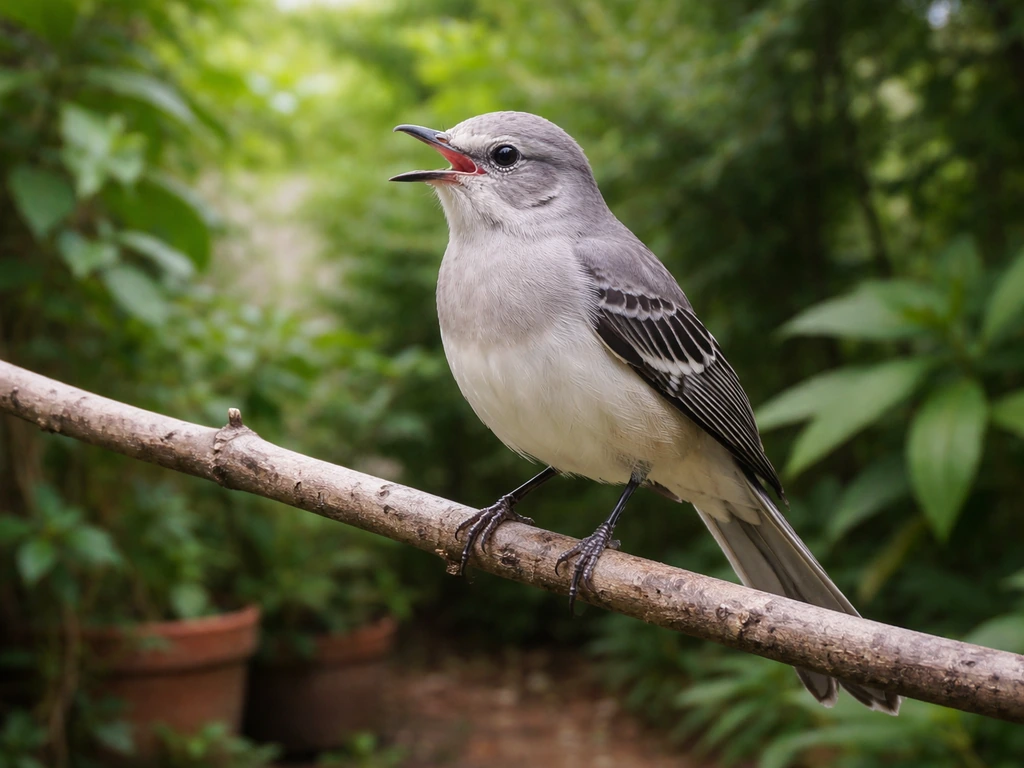
Here is where it gets genuinely interesting. The Nahuatl root 'cuitlacochin' has been recorded in historical sources as a name applied to certain Mexican birds, particularly mockingbirds or thrushes in the family Mimidae. The long-billed thrasher and related species were sometimes called 'cuitlacoche' in parts of Mexico, likely because they forage near corn plants or because colonial-era natural historians used the same root word to name both the fungus and the bird. This overlap in folk naming is real, even if it is not widely discussed in modern food writing. If you were really asking about “zuni bird meaning,” that is a different cultural context, but it can help to compare how Indigenous names and symbolism get mapped onto animals.
In some regional Mexican Spanish usage, 'cuitlacoche' (and by extension 'huitlacoche') can refer informally to a drab, unremarkable, or sooty-looking bird, drawing on the word's associations with dark, earthy color. The fungus itself turns corn kernels a deep blue-black, and that visual quality may have fed into folk metaphors where calling something or someone a 'cuitlacoche' implied being dark, hidden, or underestimated, much the way the food itself was dismissed by outsiders before being recognized as a delicacy. If you encountered the word in a proverb or a piece of Mexican literature, this layered meaning is worth considering.
Bird symbolism angles people might be chasing
If you came to this search from a symbolism angle, the most useful frame is the idea of hidden or underestimated value. Huitlacoche spent decades being called 'corn smut' in English and treated as a crop disease, while Mexican cooks had long known it as a prized ingredient. That tension between how outsiders perceive something and what it actually represents in its home culture is a powerful symbolic theme, and it maps neatly onto how many cultures use bird imagery: the crow dismissed as a pest, the raven feared as an omen, the quail overlooked as plain when it carries deep meaning in specific traditions.
If someone uses 'huitlacoche' metaphorically in conversation or writing, they may be invoking exactly this idea: something dark-looking or strange on the surface that turns out to be rich and valuable underneath. That is the cultural symbolism layer most worth exploring, and it connects the word to broader bird-meaning traditions even without a direct ornithological link.
How to figure out which meaning applies to your situation
Context is everything here. Ask yourself these questions to zero in on the right interpretation:
- Where did you see or hear the word? A recipe, a menu, or a food article almost certainly means the corn fungus. A nature guide, a wildlife list, or a birding reference points toward the bird species meaning.
- What language and region is the source from? Central Mexican Spanish usage, especially in older texts or folk speech, is more likely to use cuitlacoche for a bird. Modern urban Mexican Spanish defaults to the food.
- Was it written or spoken? In spoken regional Mexican slang, calling someone a 'cuitlacoche' can carry a metaphorical charge (dark, earthy, underestimated). In writing, it almost always means the food unless the context is explicitly zoological.
- Was it part of a proverb, song, or story? Folk literature from Oaxaca, Puebla, and Veracruz sometimes uses huitlacoche imagery in ways that carry symbolic weight beyond the literal food.
- Did it appear alongside other bird names? If the text listed huitlacoche next to species like paloma, cenzontle, or codorniz, you are looking at a bird taxonomy or folk name list.
A practical example: if a Mexican grandmother says 'este muchacho es un cuitlacoche,' she is almost certainly not talking about a fungus or a bird species. She is using the word's folk association with something dark, overlooked, or earthy to describe a person, the same way English speakers might say someone is a 'dark horse.' That is the idiom layer. By contrast, a birder's field notes from Tamaulipas listing 'cuitlacoche' alongside other thrushes is a straightforward species name.
Practical next steps to verify the meaning you need
- Check the original source language and date. Older Nahuatl or colonial-era Spanish texts are far more likely to use cuitlacoche as a bird name. Post-1900 Mexican Spanish overwhelmingly uses it for the food.
- Search the exact phrase in a regional Mexican Spanish dictionary or the ASALE Diccionario de americanismos, which documents variant spellings and both the food and any regional usages.
- For bird species identification, search 'cuitlacoche ave Mexico' or 'huitlacoche pájaro' in Spanish-language sources, which will surface ornithological references more precisely than English searches.
- For food and culinary context, Merriam-Webster's entry and major Mexican food sources confirm the edible fungus meaning and trace the 1926 English first-use date.
- If you encountered the word in a proverb, story, or song, search the full phrase in Google in Spanish (put it in quotes) to find existing interpretations from native speakers or Mexican literature scholars.
- If the symbolism angle is what you are after, consider comparing it to how other overlooked or dark-colored creatures carry 'hidden value' symbolism in other traditions, such as the crow in Celtic lore or the quail in Aztec cosmology, since huitlacoche fits that same symbolic archetype of something underestimated proving essential.
The bottom line: huitlacoche is first and foremost a corn fungus with a rich Nahuatl heritage, but its name does have genuine roots in Mexican folk vocabulary for certain birds, and its cultural symbolism carries real weight around the theme of hidden value. If you specifically mean the bird sense, focus on the folk usage in which cuitlacoche or huitlacoche names certain Mexican birds bird meaning. Because the Nahuatl word also appears in folk names for certain birds, checking the phrase around your source can help clarify the intended bird meaning too. If you are looking specifically for bird quaaludes meaning, treat it as a separate term and confirm the original language or slang context where you saw it hidden value. Which meaning you need depends entirely on where you found the word. Use the context questions above to pin it down, and you will have your answer quickly.
FAQ
If someone says “huitlacoche bird” in a conversation, how can I tell whether they mean food or a bird nickname?
Look at the grammar and the subject. If it’s used with cooking verbs or alongside ingredients (for example, “in quesadillas” or “on corn”), it’s the fungus. If it’s used to describe a person’s look or character (for example, “he looks like a cuitlacoche”), it’s usually metaphor or folk slang rather than an actual species name.
What does “cuitlacoche” mean when it’s used as an insult or label for someone?
In folk usage, it tends to point to something dark, plain, sooty-looking, or underestimated. The key clue is that it’s not behaving like a species label, it’s behaving like a descriptive idiom tied to the fungus’s appearance and reputation.
Is huitlacoche the scientific name for the fungus, or is it just the common name?
It’s the common name. The fungus is Ustilago maydis. If you want to verify what someone is referring to, ask whether they mean the corn smut galls used in food, not a general “corn disease” in the abstract.
What spelling should I use, huitlacoche, güitlacoche, or quitlacoche, to get the right meaning?
Any of them usually point to the same word and meaning, regional and orthographic variation included. The fastest check is to see whether the surrounding words mention corn or traditional dishes, since spelling alone will not confirm context.
I saw “cuitlacoche” in a historical text about birds. Does that automatically mean it’s a modern bird species name?
Not necessarily. Colonial and early natural history sources sometimes reused Indigenous roots for multiple animals or used terms loosely. If you want precision, note the author’s location, time period, and whether they describe behavior or features (bill shape, habitat) to match the intended species.
Can huitlacoche have bird symbolism even if it originally refers to corn fungus?
Yes, the symbolism is usually cultural and metaphorical, not species-based. People connect it to the theme of hidden value, outsiders misunderstanding it, and something dark on the outside turning out rich underneath.
If I want the bird meaning specifically, what phrase should I search or ask for?
Search for “cuitlacoche” together with the animal context you saw, such as “cuitlacoche pájaro” (bird) or ask the speaker what bird they mean (for example, “qué ave es”). Also check whether the source language is Nahuatl-derived slang or Spanish folk speech, because that changes what “bird meaning” refers to.
Could “huitlacoche bird meaning” be confused with an unrelated Indigenous bird term from another region?
Yes. The article’s point is that “bird meaning” searches can land on different cultural traditions that only share the sound or the general idea of symbolism. If your source mentions a specific community or place name, treat that as a separate term and do not assume it comes from the same word as the food.
Next Article
Bird Quaaludes Meaning: Slang, Mishearing, and Symbolism
Learn bird quaaludes meaning: slang or mishearing? Decode the bird metaphor and what quaaludes likely refers to.