When most people search 'hummingbird bird meaning,' they're looking for one of three things: what it symbolizes spiritually, what it means to keep seeing one, or how to interpret a hummingbird dream. The short of it is that hummingbirds are almost universally tied to joy, resilience, fast energy, love, and the ability to find sweetness even in hard circumstances. But the honest answer is that the meaning that actually matters is the one that fits your personal context, because hummingbird symbolism shifts considerably depending on culture, setting, and what's going on in your life right now.
Hummingbird Bird Meaning: Symbolism, Spiritual Signs, and Dreams

Marcus Whitley
28 Apr 2026
What 'hummingbird bird meaning' usually refers to
When people talk about 'hummingbird bird meaning,' they're almost always talking about one of three things: the bird as a symbol in mythology and folklore, the bird as a spiritual omen when you see one unexpectedly, or the bird's appearance in a dream. These are distinct but overlapping conversations, and understanding which one you're having makes the difference between a useful interpretation and a vague one.
Symbolism is the broadest category. It covers how cultures, traditions, and storytellers have assigned meaning to hummingbirds over centuries. Omens are more personal and situational: you spot a hummingbird at an unusual moment and wonder if it's a sign. Dream meanings are their own layer entirely, and even researchers who study symbolism seriously (including writers at Mindbodygreen) describe dream interpretation as 'tricky' because what a hummingbird means in your dream depends heavily on your own associations with the bird. All three are legitimate ways to engage with the symbol, but they're not interchangeable.
It's also worth noting what hummingbird symbolism is not: a guaranteed prediction. Treating a hummingbird sighting as a certain sign that good things will happen, or that a loved one is contacting you from beyond, is a belief system, not a universal fact. That's not a reason to dismiss it, but it is a reason to hold it lightly and use it as a prompt for reflection rather than a certainty.
The core symbolic themes: what hummingbirds actually stand for
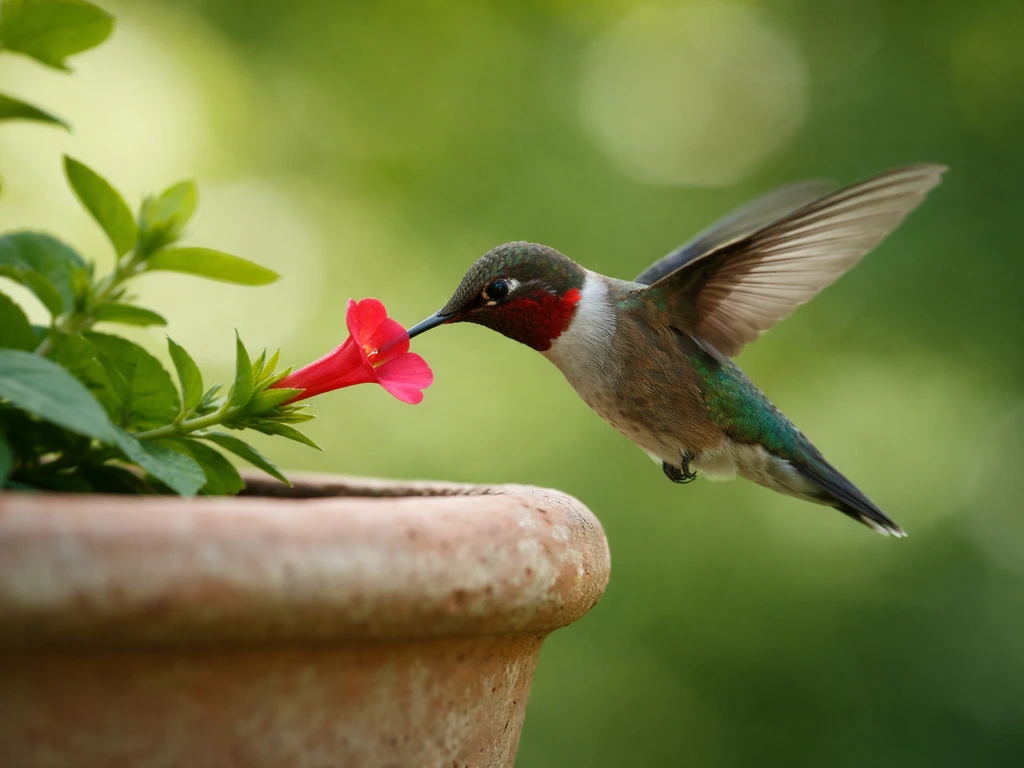
Across most traditions that use hummingbird symbolism, a handful of themes come up again and again. These aren't arbitrary: they're rooted in what hummingbirds actually do. They move incredibly fast (some species beat their wings 50 to 80 times per second), they travel enormous distances for their size, they feed on nectar, and they're famously hard to hold onto visually. That behavior maps directly onto the symbolic language people use.
- Energy and vitality: Hummingbirds are relentlessly active. As a symbol, they're often read as a reminder to stay energized, move quickly when opportunity appears, or check whether you've been dragging your feet on something.
- Joy and lightness: The association with nectar and flowers makes hummingbirds a natural symbol for finding pleasure, sweetness, and delight in everyday life. This is probably the most universally consistent meaning across cultures.
- Resilience and endurance: A hummingbird that migrates thousands of miles at tiny scale is a striking image of persistence against odds. The symbol often comes up in conversations about overcoming difficulty.
- Speed and adaptability: Hummingbirds can hover, fly backward, and shift direction instantly. Symbolically, that translates to quick thinking, flexibility, and the ability to navigate complex situations.
- Love and affection: The combination of beauty, delicacy, and the way hummingbirds seem to appear suddenly and linger briefly makes them a common metaphor in romantic and emotional contexts.
- Spiritual connection: In many traditions, hummingbirds are seen as messengers between the earthly and spiritual worlds, or as carriers of good fortune and protection.
In everyday metaphor, calling someone a 'hummingbird' usually means they're energetic, quick-moving, and hard to pin down. It shows up in literature and casual speech to describe someone with a restless, vibrant personality. That metaphorical use traces directly back to the same core qualities listed above.
Cultural and regional interpretations
Hummingbirds only exist in the Americas, which is a critical piece of context. Their symbolism is richest and most developed in Indigenous and Latin American traditions, and any European or broader 'universal' symbolic meaning is either borrowed from those traditions or relatively recent. That doesn't make non-Indigenous interpretations invalid, but it does mean the deepest cultural frameworks come from the New World.
Aztec tradition: hummingbirds as warriors and gods
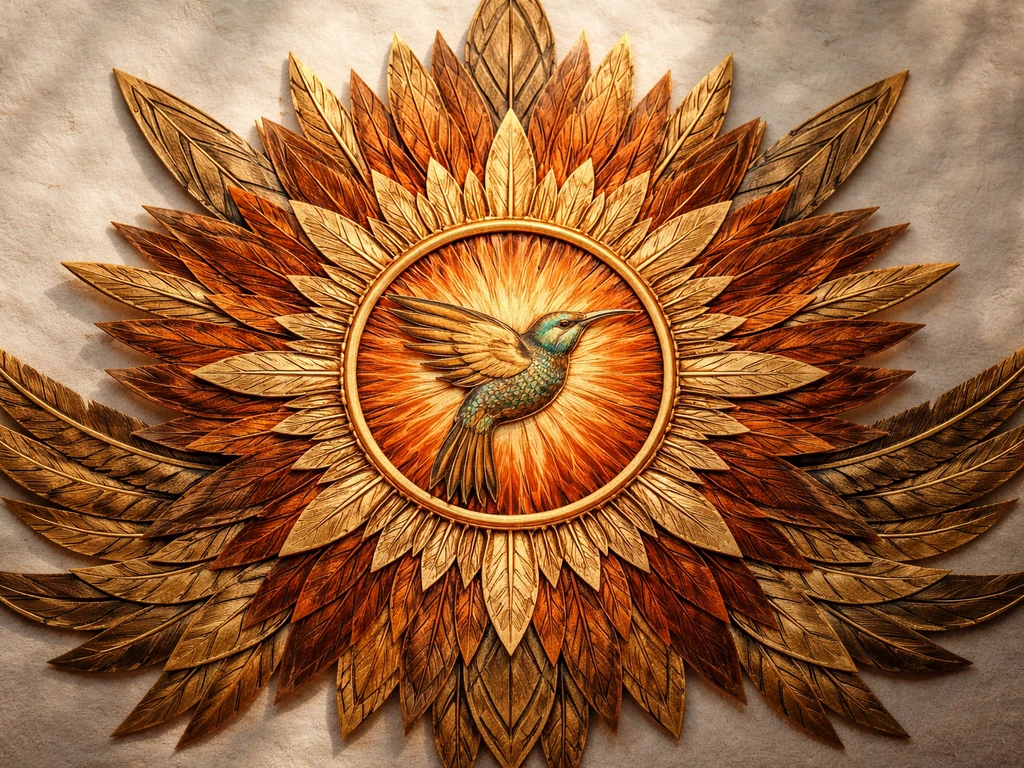
One of the most striking examples of regional hummingbird meaning comes from Aztec culture. Huitzilopochtli, one of the most important deities in the Aztec pantheon (god of the sun and war), has a name that translates roughly to 'hummingbird of the south' or 'left-handed hummingbird. ' According to the World History Encyclopedia, Aztec imagery links hummingbirds directly to this god, and the belief held that warriors who died in battle would reincarnate as hummingbirds.
That's a radically different symbolic meaning from the 'joy and sweetness' framing common today: in Aztec tradition, the hummingbird carried connotations of sacrifice, valor, and sacred power. UCLA ethnomusicologist Paul Apodaca has written extensively about how bird symbolism across the New World is rooted in specific cultural frameworks, and the Aztec example is a clean illustration: the same bird means something quite different when the cultural context changes.
Indigenous North American traditions
Across various Indigenous North American traditions, hummingbirds are typically associated with healing, good luck, and joy. In some traditions, hummingbirds are seen as capable of opening the heart and bringing love into someone's life. There are also stories framing the hummingbird as a healer or helper figure, someone who brings rain or restores life to a dying world. The specifics vary considerably between nations, so it's worth being cautious about flattening these into one 'Native American meaning,' which would erase real differences between traditions.
Latin American and broader folkloric associations
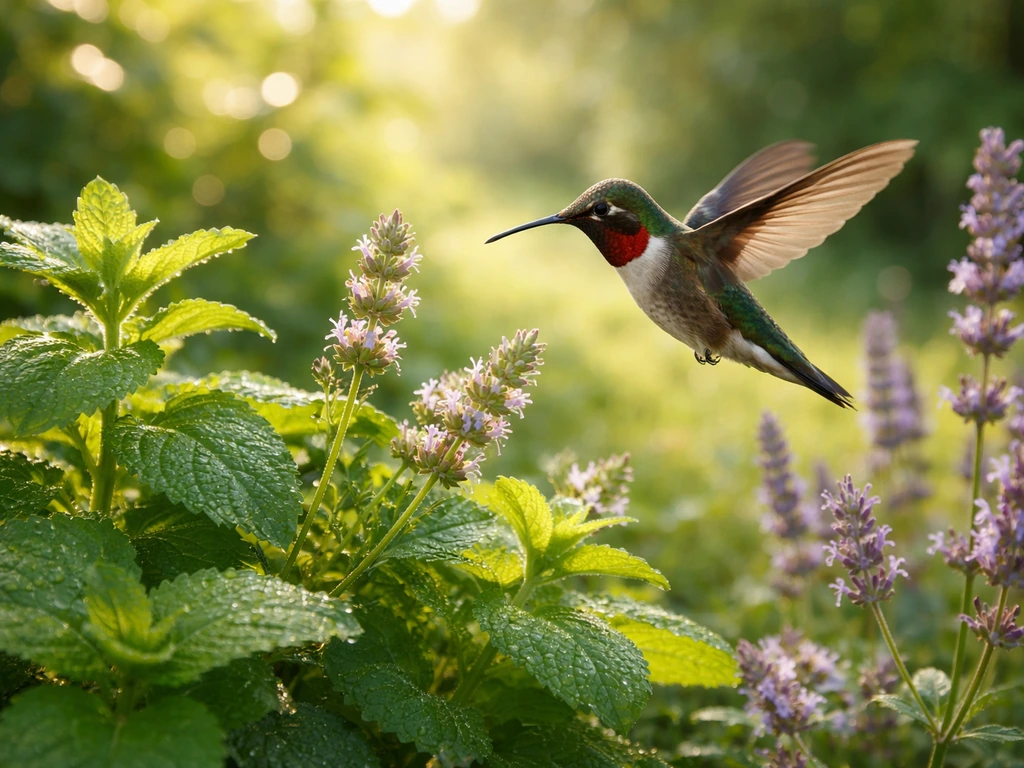
In parts of Latin America, hummingbirds are associated with love magic and attraction. In some Caribbean and South American folklore, they're connected to romantic luck, the ability to draw a lover closer, or even as protective talismans. The image of a hummingbird moving between flowers maps naturally onto themes of courtship and desire. In broader contemporary Western spirituality, the hummingbird has been absorbed into a general 'spirit animal' or 'totem' framework where it typically represents joy, freedom, and living fully in the present moment.
Spiritual and omen meanings: what it means to keep seeing one
If you've been seeing hummingbirds more than usual or had one appear at a particularly meaningful moment, it's natural to wonder if there's a message there. In spiritual frameworks (including many contemporary ones that borrow from older traditions), a hummingbird appearing unexpectedly is often interpreted as a sign of encouragement, a nudge to stay present and joyful, or confirmation that you're on the right path. Some people interpret it as a 'guardian angel' signal or the presence of a deceased loved one checking in. Parade, which covers spiritual meanings in some depth, frames this clearly as a belief and interpretation rather than a literal fact, which is the right way to hold it.
Green Matters notes that many people believe hummingbird sightings hint toward good things ahead, though again this sits in the domain of personal belief rather than verifiable prediction. If you keep seeing hummingbirds repeatedly over a short period, the spiritual interpretation is usually that something is trying to get your attention: pay attention to where you're finding joy, whether you're moving too fast or too slow, or whether you've been neglecting something that needs lightness and care.
What hummingbirds mean in dreams
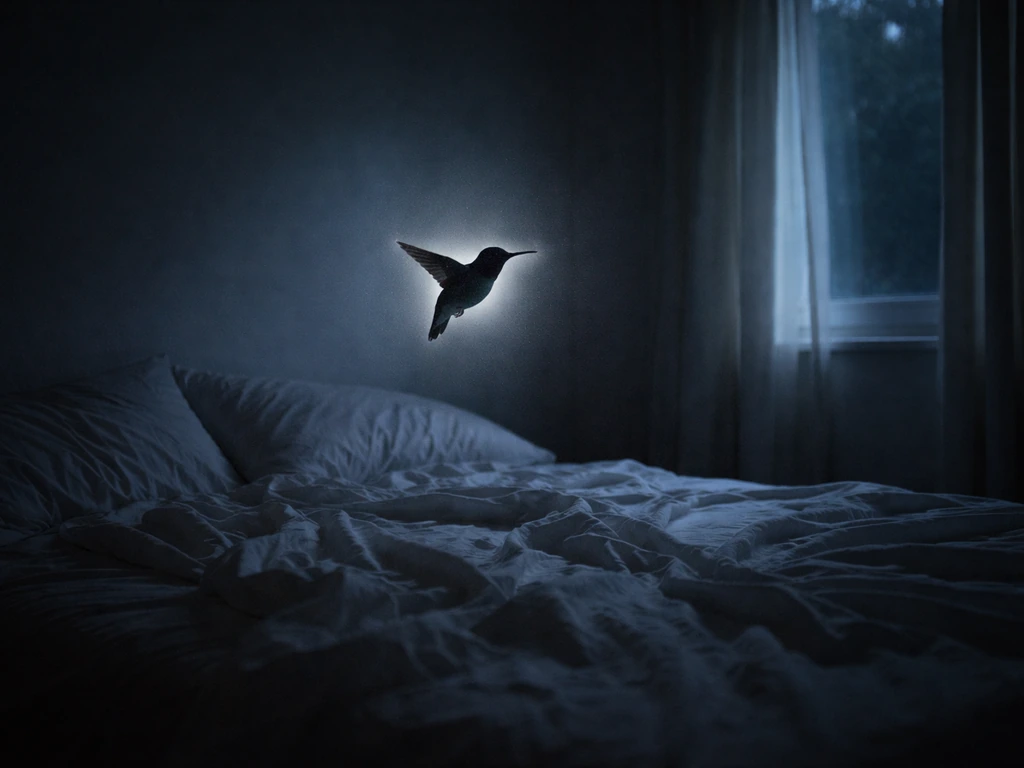
Dream interpretation is genuinely tricky territory, and that's not me being dismissive: it's just that dreams are highly personal. A hummingbird in a dream generally points toward themes of joy, speed, and fleeting opportunity. If the hummingbird in your dream was flying freely and feeding, that's typically read as a positive sign: abundance, happiness, or something good about to arrive. If the hummingbird was trapped, injured, or dying, the interpretation shifts toward concerns about missing an opportunity, feeling constrained, or losing something delicate. But the most useful question to ask after a hummingbird dream is: what do you personally associate with hummingbirds? Your own emotional response to the bird in the dream matters more than any standardized symbol guide.
If you're exploring the broader territory of birds as omens and messengers, the hummingbird sits in an interesting position relative to other bird omens. Unlike birds traditionally associated with warning or foreboding (think ravens or owls in Western tradition), the hummingbird is almost never a 'bird of bad omen.' It skews strongly positive across most interpretive traditions.
Relationship and emotional meanings
In emotional and relational contexts, the hummingbird is one of the more love-forward symbols in the bird world. The combination of beauty, speed, and the fact that hummingbirds are attracted to sweetness makes them a natural metaphor for romantic attraction, affection, and the kind of delicate but intense energy that comes with falling for someone. In poetry and literature, hummingbirds often show up to describe fleeting romance, the excitement of new love, or someone who is captivating but hard to hold.
Emotionally, seeing or dreaming about a hummingbird can be a prompt to think about gratitude: where in your life are you not stopping to notice what's good? Hummingbirds work hard for their nectar, visiting hundreds of flowers a day, and that translates symbolically into the idea of putting in effort to find and appreciate joy. Dream interpretation is genuinely tricky territory, and that's not me being dismissive: it's just that dreams are highly personal visiting hundreds of flowers a day. If you've been going through something difficult, a hummingbird appearing can function as a reminder (in whatever framework resonates with you) that sweetness is still accessible if you're willing to look for it.
There's also a communication angle. Hummingbirds are surprisingly vocal, and in some traditions they're associated with the throat chakra and honest expression. If you've been holding back something you want to say, or struggling to communicate something important to someone you care about, the hummingbird symbol sometimes gets read as a nudge to find your voice.
What to actually do when you see or dream of a hummingbird
Here's the practical part. Whether you're spiritually inclined or more secular, the most useful thing to do with a hummingbird encounter is to treat it as a prompt for reflection rather than a prediction. Ask yourself a few honest questions:
- What's going on in your life right now that could connect to the core hummingbird themes: joy, energy, love, speed, resilience, or finding sweetness in difficulty?
- Was the encounter unusual in some way (time of day, location, behavior of the bird) or just a normal hummingbird sighting you noticed because you were already in a reflective mood?
- What do you personally associate with hummingbirds? That personal association often matters more than any textbook meaning.
- If it was a dream: how did you feel during and after it? The emotional tone of a hummingbird dream is more diagnostically useful than the bird's behavior alone.
- Are there any areas of your life where you've been avoiding joy, moving too fast without pausing, or neglecting something delicate that needs attention?
What to avoid: don't treat a hummingbird sighting as a guaranteed sign that everything will be fine, or that a specific outcome is coming. Symbolism works best as a reflective tool, not an oracle. Also avoid flattening cultural meanings. If you encounter hummingbird symbolism in an Indigenous or Aztec context, resist the urge to import it wholesale into a 'joy and happiness' frame if the original meaning was something quite different, like the Aztec warrior/sacrifice connection.
How the meaning shifts with context
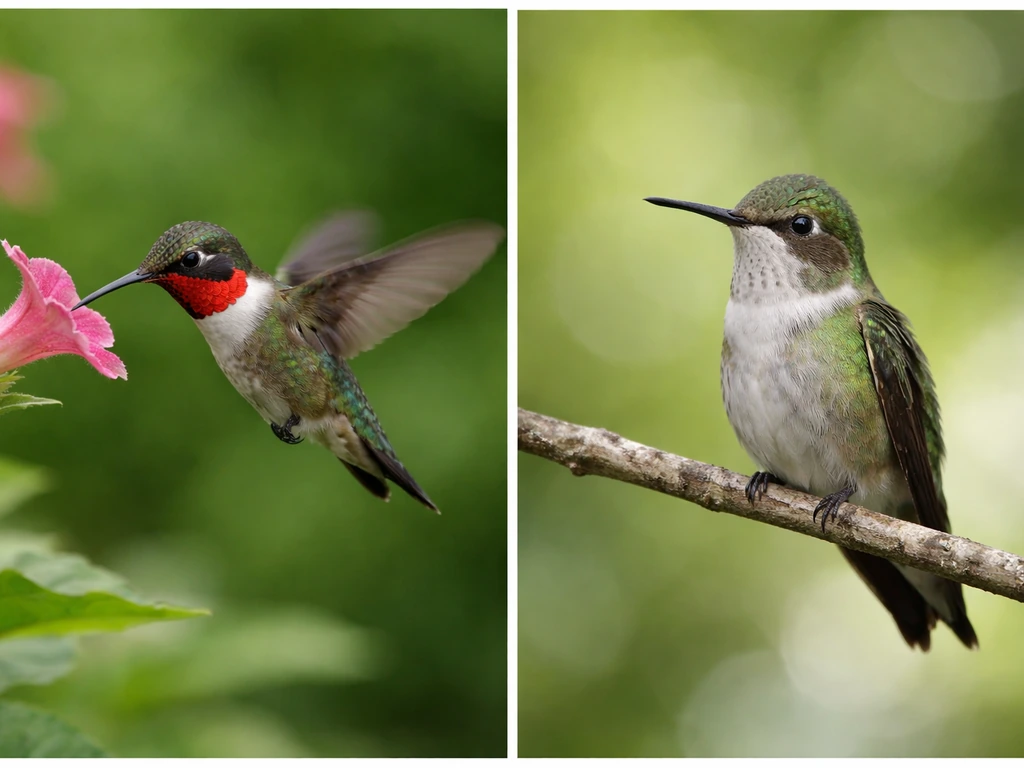
One of the most common frustrations with symbolic interpretations is that they feel too generic. Here's how you can get a more precise read based on actual context.
| Context | Common Interpretation | What to Ask Yourself |
|---|---|---|
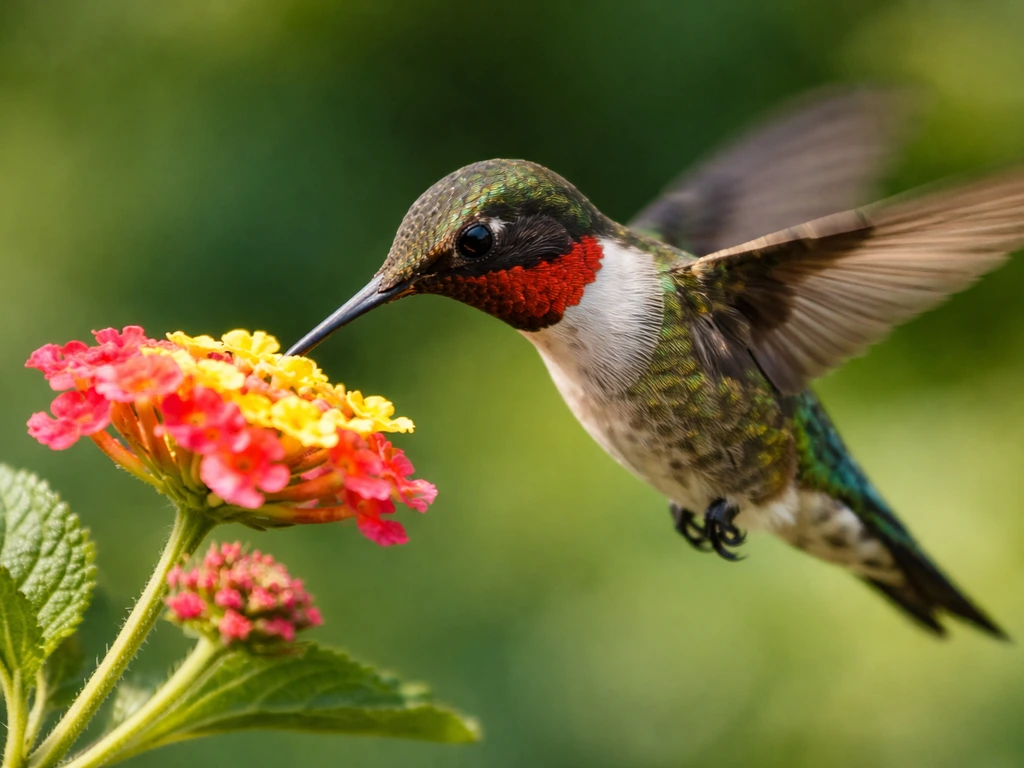
| Ruby-throated (red) hummingbird | Passion, vitality, urgent energy, romantic intensity | Is there something in your love life or creative life demanding attention? |
| Green hummingbird | Growth, healing, renewal, connection to nature | Are you in a period of change or recovery that needs to be honored? |
| Black or dark hummingbird | Mystery, transition, deeper spiritual work | Are you navigating something uncertain or transformative right now? |
| Hummingbird hovering | Pause, presence, taking stock, being fully in the moment | Have you been too rushed or future-focused lately? |
| Hummingbird feeding | Abundance, reward for effort, enjoying the fruits of work | Are you allowing yourself to enjoy what you've worked for? |
| Hummingbird flying at you or near your face | Direct message or signal, heightened attention needed | Is there something you've been ignoring that needs your focus? |
| Hummingbird seen in the morning | New beginnings, fresh energy, optimism about what's ahead | What intentions or projects deserve more energy right now? |
| Hummingbird seen at dusk or nighttime | Rare and notable; often read as transition or spiritual visitation | Are you in a significant life transition or processing a loss? |
| Seeing a hummingbird after a loss | Widely interpreted as comfort or connection from a deceased loved one | What do you need emotionally right now, and does this feel meaningful to you? |
| Hummingbird in a dream (free and flying) | Joy, opportunity, positive momentum | What opportunity are you being called to pursue with more energy? |
| Hummingbird in a dream (injured or trapped) | Concern about lost opportunity, feeling constrained | Where in your life do you feel stuck or like something precious is at risk? |
Life stage matters too. A hummingbird encounter during a period of grief tends to get interpreted through a comfort lens. The same encounter when you're on the edge of a big decision gets read as encouragement to move. During a creative block, it might feel like a nudge toward joy and flow. The bird doesn't change, but your frame does, and that's not wishful thinking: it's how symbolic thinking actually works in practice.
If you find yourself drawn to exploring bird symbolism more broadly, the hummingbird sits in fascinating contrast to birds traditionally framed as omens of warning or doom. If you're curious about how other tiny symbols work, you might also like exploring moon-bird meaning as a related way to compare symbolism shifts across contexts. In some traditions, a bird of doom meaning can point to warning themes or foreboding instead of joy. Understanding that spectrum, from birds associated with foreboding to ones like the hummingbird that almost universally carry positive connotations, gives you a much richer toolkit for interpreting what birds mean when they cross your path.
FAQ
Is “hummingbird bird meaning” the same thing as a spirit animal sign?
Not exactly. Spirit-animal/totem readings tend to treat the hummingbird as a continuing theme in your life (a guide), while an omen reading usually treats a specific sighting or unusual moment as the trigger for reflection. If you want a steadier practice, track recurring themes across weeks, not just one encounter.
What if I see a hummingbird but I feel stressed or annoyed, not joyful?
Use the bird as a mirror, not a script. The symbolism often points to joy and presence, so if you feel the opposite, the more useful question is what blocked your ability to receive joy right now (burnout, distraction, fear of missing out, or unresolved conflict). Your emotion is part of the interpretation.
How can I tell whether my hummingbird dream is about opportunity or about anxiety?
Check two details. First, the bird’s condition (healthy and feeding usually reads as “something good is available,” trapped or dying often reads as “something delicate is being neglected or rushed”). Second, your feeling during the dream (calm curiosity leans positive, panic or urgency can indicate fear of timing or pressure).
Does it matter whether the hummingbird is flying, hovering, or on the ground?
Yes, movement often changes the emphasis. Flying freely can symbolize momentum and openness to life, hovering can suggest you are “in-between” choices, and ground presence can point to something needing attention that is temporarily less visible (small efforts, quiet care, or routines you have neglected).
What’s a common mistake when interpreting repeated hummingbird sightings?
Treating it like guaranteed prediction. A better approach is to tie each encounter to a specific “what am I ignoring or rushing?” question, then choose one concrete action within 24 hours, such as a gratitude practice, a conversation you have delayed, or a small change to slow down and notice.
Can hummingbird meaning differ by species or color?
It can. Different species and color patterns can shift what your mind connects to, and symbolism frameworks usually assume the strongest meaning comes from your association rather than a universal code. If you can identify the species or note standout colors, include that in your reflection because it often changes the “message” you feel most strongly.
What should I do if the omen interpretation makes me anxious?
Ground the meaning in something you can control. Reframe the encounter as guidance for your current choices (attention, communication, rest, or gratitude) instead of a prophecy about events. If anxiety persists, treat the symbol as a prompt to journal, talk to someone, or take practical steps rather than waiting for signs.
How do I avoid cultural appropriation when interpreting hummingbird symbolism?
Don’t overwrite a tradition with a generic “positive meaning” if you don’t know its specific context. If you’re exploring Indigenous or Aztec-associated meanings, keep them as distinct cultural frameworks, not as universal personal affirmations. You can honor the richness by stating, in your own practice, that you are borrowing a theme cautiously and prioritizing your lived context.
Is it helpful to connect hummingbird meaning to chakras or throat communication?
It can be, as long as you use it as an action cue. If you feel a “throat” theme, try a concrete expression practice, such as saying one honest sentence to someone you care about, or writing the message you keep delaying. If nothing feels relevant, skip the chakra layer and stick to what your experience is signaling.
If hummingbirds are only in the Americas, does that make the meaning “less valid” elsewhere?
The bird’s geographic distribution matters mainly for cultural origin of symbolism. If you encounter hummingbirds outside the Americas, the meaning is still valid as personal metaphor, but it may be less tied to deep local tradition and more tied to your own associations and the moment you’re in.
Next Article
Bird Omen Meaning: What to Do After a Bird Sign Today
Bird omen meaning guide for today: interpret common bird signs, note details, dispel bias, take practical next steps saf