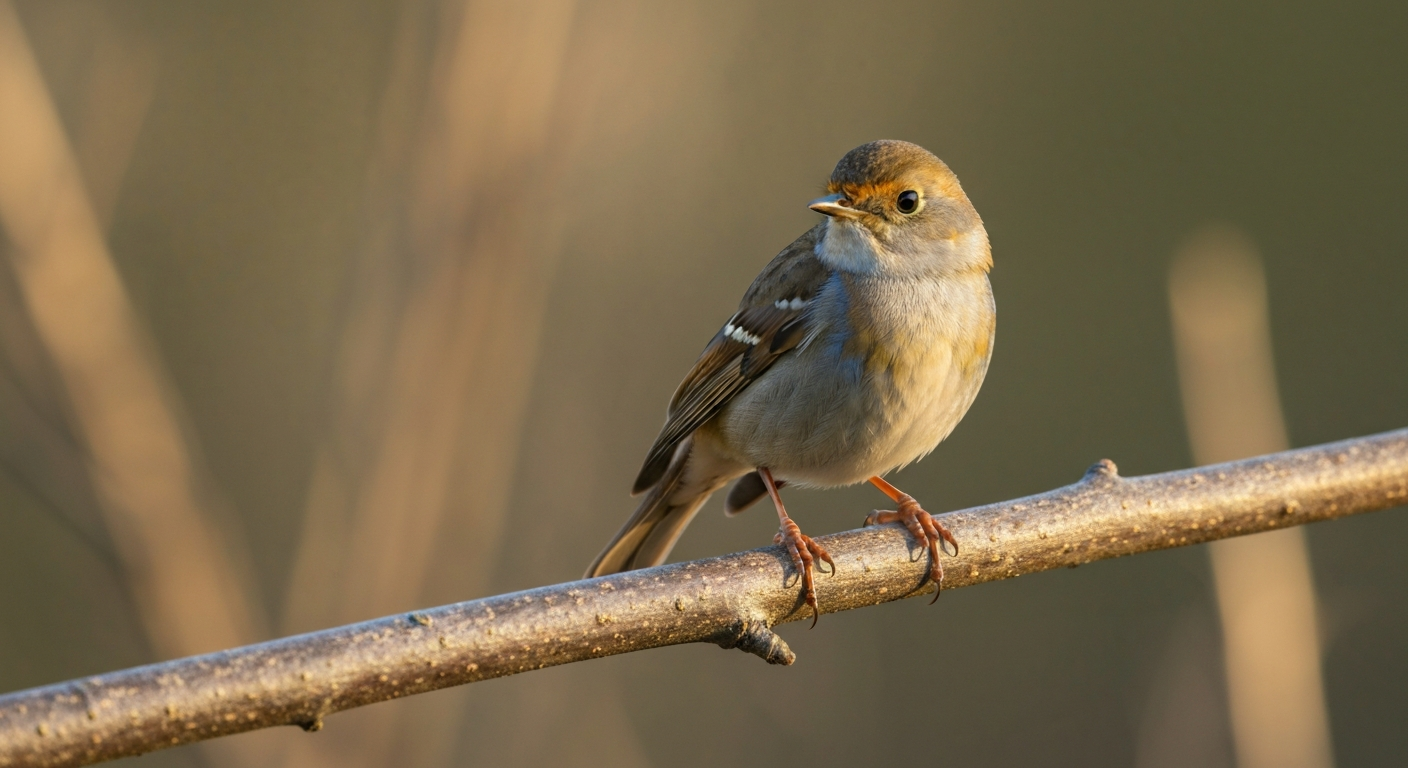
A bird omen is the idea that a bird's appearance, behavior, or call carries a message about something happening in your life or something about to happen. If you just saw a bird do something that felt significant, you are in very good company across thousands of years of human history.
Bird Omen Meaning: What to Do After a Bird Sign Today

Marcus Whitley
22 Apr 2026
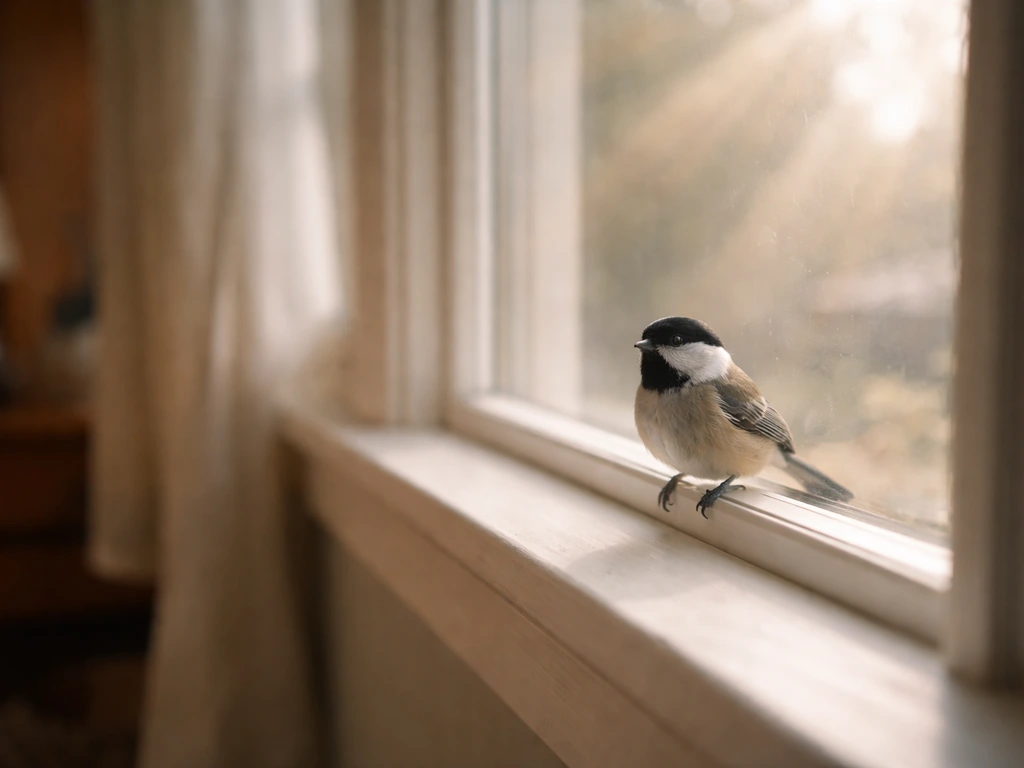
From ancient Greek and Roman ornithomancy (a formal, structured practice of reading birds' flight and cries as prognostic signs) to Ch'Orti' Maya communities in Guatemala to English country folk counting magpies on the road, people have consistently read birds as messengers between the visible world and something beyond it.
The 'meaning' part is where things get complicated, because the same bird can mean completely different things depending on your culture, the specific behavior you witnessed, where you were standing, and even what time of day it was. This guide will walk you through all of that so you can make a genuinely informed interpretation, not just a Google-fueled guess.
What 'bird omen meaning' actually means
The word 'omen' comes from Latin and simply means a sign or portent, something observed that is taken to predict or signal a future event. The Online Etymology Dictionary notes that “omen” entered English with the sense of “foreboding, augury” and links it to Latin historical forms The word 'omen' comes from Latin and simply means a sign or portent. It does not automatically mean bad news, even though 'ominous' in modern English leans that way. Historically, omens were understood as neutral data points, and the interpretation depended entirely on context. The same omen could be read as good or bad depending on the society, the moment, and the person doing the reading.
Birds became particularly powerful omen symbols for a few practical reasons. They move between earth and sky, making them natural go-betweens in traditions that imagined gods or spirits residing above. They arrive and depart without explanation. They respond to environmental changes humans cannot always detect. And their behavior genuinely does predict certain things: swallows flying low before a storm, for example, is a real behavioral pattern tied to insect flight altitude, which drops before rain. Some bird 'omens' started as acute ecological observation. Others were pure myth. Most folk interpretations blend both, which is part of what makes them so persistent and so tricky to evaluate today.
When someone searches 'bird omen meaning' today, they usually want one of three things: a quick answer to something specific they just witnessed, a broader map of what birds symbolize across traditions, or a grounded way to think about signs without sliding into superstition. This article tries to deliver all three.
How to actually read a bird sign
The biggest mistake people make when looking up bird omens is treating species as the only variable. Traditional omen-reading systems, including the structured Greek and Roman ornithomancy tradition, paid attention to at least four separate factors before arriving at an interpretation. You should too.
Species
Different birds carry different baseline symbolism. Owls are historically linked to death or warning in European traditions. Doves are associated with peace and hope across Western and Middle Eastern cultures. Crows and ravens carry dual reputations depending on the region. Swallows are generally positive in European folk tradition. Cranes signal longevity and good fortune in East Asian contexts. Species gives you the starting archetype, but it is only the starting point.
Behavior
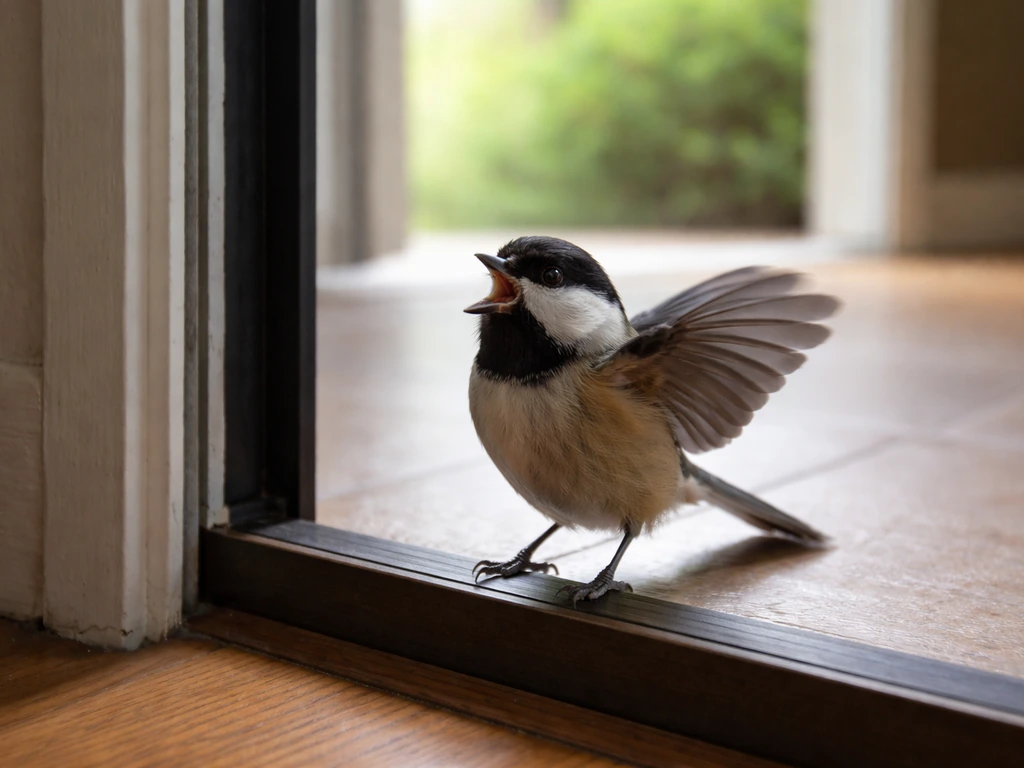
This is where most interpretations actually turn. English and European folklore archives are specific about this: a bird chirping on your windowsill carries a different meaning than a bird dying in a cage. A cuckoo heard in the woods is considered a good sign in English tradition, but a cuckoo that enters your home is considered a bad omen. Swallows flying high suggest good weather and, by extension, good times ahead; swallows flying low are read as a warning. The behavior categories that matter most include: landing versus flying past, entering a building versus staying outside, calling at unusual times, circling overhead, striking a window, or appearing in unusually large numbers.
Timing and direction
Daytime versus nighttime matters significantly. An owl calling at night is within its normal behavior and still unsettling in some traditions, but an owl heard at noon carries heavier symbolic weight in those same traditions because it is so out of place. Direction also matters in many systems: birds flying from left to right versus right to left had opposite meanings in Roman ornithomancy. While few people today track compass directions when a sparrow lands on their porch, time of day and season are worth noting, partly because they help you make a realistic assessment of the behavior and partly because they shift the symbolic reading.
Location: indoors versus outdoors is a big deal
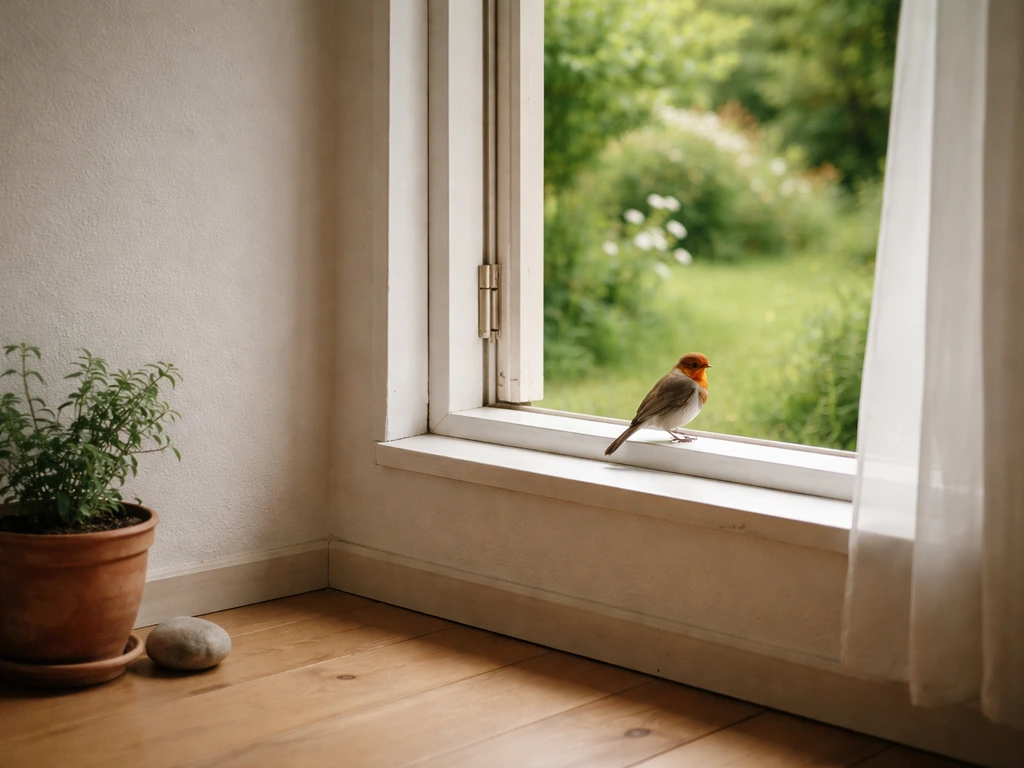
Across European folklore traditions, the location within or around the built environment is one of the most consistent variables in omen interpretation. A bird landing in your garden is very different from a bird entering your house. A jackdaw settling on the roof or flying down a chimney was historically treated as a death omen in parts of England and Europe, while the same bird seen in a field nearby would carry no particular warning. The threshold between outside and inside functions as a symbolic boundary in many folk systems, so pay attention to whether the bird stayed outside, perched at a window or door, or actually came in.
A practical guide to common bird omen interpretations
Here is a reference breakdown of the most commonly interpreted bird omen themes, organized by the type of sign rather than by species alone, since behavior and context drive meaning more than species does on its own.
| Sign Type | Common Interpretation | Example from Folklore/Tradition |
|---|---|---|
| Single bird singing at your window | Good news coming; a message from the spirit world (positive) | Robins and sparrows at windows linked to good fortune in English folk tradition |
| Bird entering the home uninvited | Warning or bad omen; disruption ahead | Cuckoo entering the home (English); jackdaw down a chimney (European) |
| Owl calling at night near the home | Death or loss omen; warning to pay attention | Medieval/early modern European tradition; Shakespeare's 'bird of death' imagery |
| Owl calling in daylight | Heavier warning; something unusual is happening | Owl heard at noon treated as especially ominous in multiple European traditions |
| Two or more of the same bird | Luck shifts with number; odd vs even matters | Magpie rhyme: 'One for sorrow, two for mirth, three for a girl, four for a boy' |
| Swallows flying high | Good weather, good times, positive outlook | English and Irish folk weather prediction tradition |
| Swallows flying low | Storm coming; difficulty ahead | Documented in Irish and English folklore collections |
| Bird hitting a window and dying | Death omen in some traditions; in reality, a window-collision event | Common folk interpretation; see practical notes below |
| Dove or white bird appearing | Peace, hope, spiritual protection, or a message from a deceased loved one | Western and Middle Eastern traditions; also modern spiritual interpretation |
| Crow or raven landing nearby | Warning, intelligence, transition (can be positive or negative by culture) | Positive in Norse/Celtic tradition; mixed in English tradition |
| Large group of crows circling ('murder') | Death nearby or a gathering of ill fortune | English and North American folk tradition |
| Crane seen in flight or landing | Longevity, prosperity, good fortune | Japanese, Chinese, and Korean tradition; also Greek tradition (guidance) |
| Bird calling in an unusual direction or hour | Pay attention; something is shifting in your environment | Roman ornithomancy placed heavy weight on direction and timing of calls |
These are interpretations from folk and symbolic traditions, not predictions. They represent what people across different eras and places have read into bird behavior, and they are worth knowing as cultural context. Whether you treat them as literal messages is a separate question, which we will get into below.
Why the same bird means opposite things in different cultures
This is probably the most important thing to understand about bird omens, and it is also the thing most omen-listing websites gloss over. There is no universal bird symbolism. The same bird can be a good omen in one tradition and a death sign in another, and both interpretations are internally coherent within their own cultural logic.
The owl is the clearest example. In ancient Greece, the owl was sacred to Athena, goddess of wisdom, and seeing one was a positive sign of protection and intelligence. In medieval and early modern Europe, those associations flipped almost completely: owls were creatures of darkness, night, and ill fortune, connected to death and fear, an image reinforced in literary sources including Shakespeare. In some Indigenous North American traditions, owls carry the souls of the dead or act as messengers from the spirit world, which is neither straightforwardly good nor bad but deeply significant. So if you look up 'owl omen meaning' and get a flat answer, that answer is incomplete.
Ravens and crows show the same split. In Norse mythology, Odin's ravens Huginn and Muninn (Thought and Memory) are scouts and wisdom-bringers. In Celtic tradition, the crow is associated with the goddess Morrigan and with battle, which is powerful rather than simply negative. In English and American folk tradition, a large gathering of crows tends to read as ominous. In parts of Japan, the crow (particularly the karasu-tengu) is a divine messenger and protector. Same bird, radically different valence.
Doves are nearly universally positive in Western tradition, associated with peace (the olive branch) and spiritual visitation, but even doves carry different weights across contexts. In ancient Mesopotamia the dove was associated with Ishtar and erotic love as much as peace. In some African traditions, cooing doves near a home can signal that death is near.
The practical takeaway: when you look up what a bird means, make sure you are looking at the tradition that is actually yours or most relevant to you. A Japanese interpretation of a crane is meaningful in a Japanese cultural context. An English folk interpretation of a magpie is meaningful in that lineage.
In a r/TrueDetective discussion of “One for Sorrow,” people share how they remember the magpie rhyme, including variant lines and related associations An English folk interpretation of a magpie. Mixing them at random produces a muddy reading.
If you are curious about a specific bird with particularly strong cross-cultural symbolism, the differences are worth exploring on their own terms, as with the layered meanings attached to the hummingbird, the huma bird of Persian tradition, or the creatures that fall into the 'bird of bad omen' category across multiple cultures.
If the huma bird of Persian tradition is the one that sparked your search, you can use the same logic to interpret huma bird meaning alongside other cross-cultural bird symbolism. If you are tracking the same kind of cross-cultural symbolism that shows up in other searches, you may also want to explore moon-bird meaning as a related option.
If you are specifically looking for the bird of doom meaning, it helps to compare how different cultures frame “doom” signs and what behavior triggers the label. You may also want to consider hummingbird omen meaning specifically, since this bird carries its own distinctive symbolism in certain traditions.
What to do after you see a bird omen

If you have just witnessed something that felt significant, here is a practical sequence for handling it well, whether you lean toward believing in omens or you are purely skeptical.
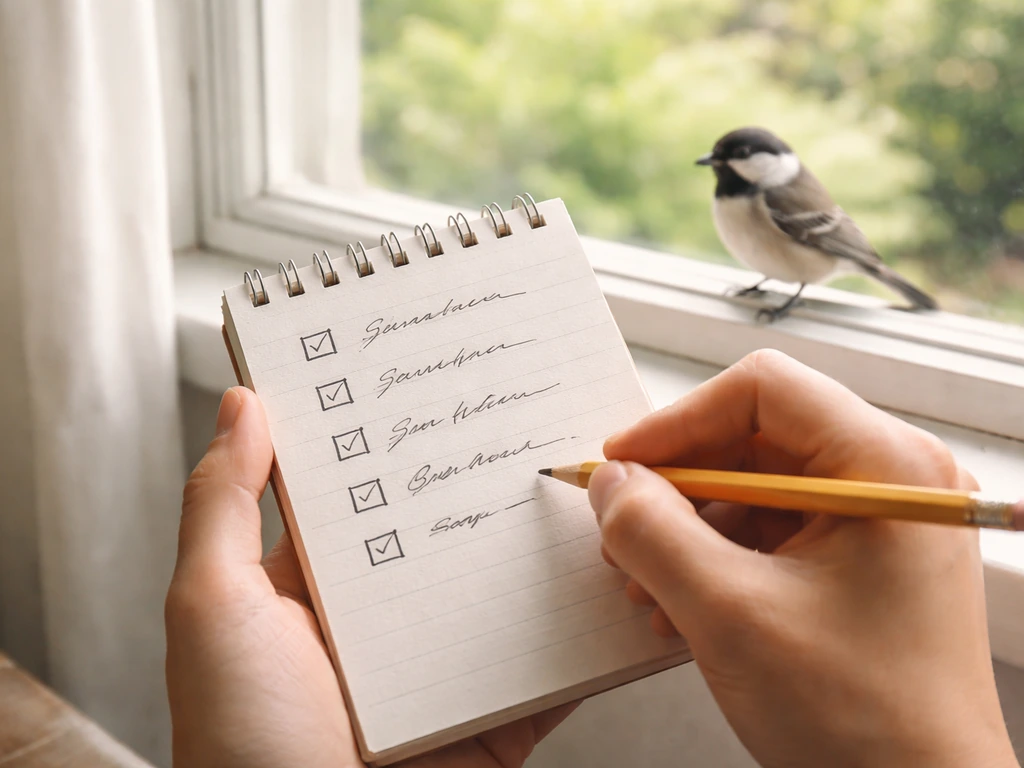
- Write down exactly what happened. Species (or your best description), behavior, time of day, where you were, what the bird did, how long it stayed. Memory is not reliable and details shift quickly. A written record lets you come back to it later with a clearer head.
- Check for a practical explanation first. If a bird hit your window, it almost certainly struck because it saw a reflection of sky or plants in the glass. The U.S. Fish & Wildlife Service and USGS both document that window collisions happen because birds cannot perceive glass as a barrier, not because something supernatural is signaling you. Stand directly in front of the window and look at what the bird would have seen. If you see a reflection of trees or sky, that is your explanation. You can make your windows more visible with simple tape patterns or window decals.
- Report window-collision deaths. If a bird struck your window and died, you can report it to dBird.org. This helps conservation researchers track collision hotspots. It also gives the event a constructive direction, turning a distressing moment into something useful.
- Look up your specific cultural tradition. If you come from a family or community with a specific folk tradition around bird omens, that context is the most relevant one for your interpretation. If you do not have one, ask yourself which tradition feels most resonant to your background and use that as your reference.
- Treat the sign as a prompt for reflection, not a prediction. The most useful thing any omen can do is make you pause. If seeing a crow or hearing an owl makes you think about someone you have been meaning to call, a concern you have been avoiding, or a decision that needs attention, act on that reflection. The bird gave you a useful moment of attention. That is real value regardless of what you believe about omens.
- If a bird's behavior is genuinely alarming, investigate the practical cause. Birds circling or calling in unusual distress can sometimes indicate predator activity, an injured animal nearby, or a nest being threatened. Those are real ecological events worth looking at. If a bird is repeatedly striking your window with aggression (rather than confusion), it is almost always responding to its own reflection during breeding season, not sending you a message.
Avoiding the superstition trap
This is worth saying plainly: your brain is genuinely wired to find patterns, especially meaningful ones. Psychologists call the tendency to perceive meaningful connections in random or ambiguous information apophenia. It is a feature, not a flaw. It helps us learn, detect threats, and make sense of complex environments. But it also means that once you are primed to look for bird omens, you will start noticing birds everywhere, and each appearance will feel significant. This is called the frequency illusion (sometimes the Baader-Meinhof phenomenon): once a concept is on your radar, you encounter it constantly, which reinforces the feeling that it is meaningful.
Confirmation bias layers on top of this. If you believe a crow is a bad omen and something difficult happens in the following week, you will remember the crow. If nothing difficult happens, the sighting will fade from memory. Over time, the pattern looks more and more convincing, not because the crow is predicting anything, but because you are selectively storing the confirmations and discarding the misses.
None of this means bird omens are worthless. Folklore is genuinely valuable as cultural history, ecological observation, and psychological prompt. The magpie rhyme is a piece of living language that connects English speakers to centuries of folk tradition. A historical account attributed to Sir Humphry Davy links seeing one versus two magpies with unlucky versus favourable associations, depending on weather or conditions for anglers the magpie rhyme. The Roman practice of ornithomancy was a serious, institutionalized system, not primitive superstition, and studying it tells us a lot about how ancient societies processed uncertainty. But the value of these traditions does not depend on their literal predictive accuracy.
A grounded way to engage with bird omens: treat them as you would any piece of symbolic art. A painting of a storm does not cause rain. But it can make you feel something, prompt reflection, or connect you to a tradition larger than yourself. If a bird encounter does that for you, that is a legitimate and enriching experience. Just do not let it replace real-world decision-making, medical advice, or practical safety assessment. If you are worried about someone's health because an owl called outside their window, call and check in on them. That is the omen doing useful work. Postponing a flight or a medical appointment because of a bird sign is the omen doing harmful work.
The traditions that took birds most seriously, including Greek ornithomancy and Maya ethno-ornithological practice, were also the most systematic. They built in checks: specific conditions had to be met, and contradictory signs had to be weighed against each other. Casual omen-reading with no internal logic or checks is actually a departure from how these traditions worked, not a continuation of them. Being more rigorous, not less, is the historically accurate approach.
FAQ
If I saw a bird enter my home, does that always mean a bad omen?
Not always. In many European folk patterns, coming inside is treated as a stronger boundary-crossing sign than a bird staying outside, but valence still depends on the bird species, the exact behavior (perching at a window versus fully inside), and whether the bird left quickly or lingered. If it triggered fear, treat it as a moment to check in with your practical safety, then interpret symbolically only within the cultural framework you choose.
What should I record immediately after a “bird omen” happens so my interpretation is accurate?
Write down the basics while they are fresh: species (or best guess), time of day, where you were standing, the bird’s movement (landed, circled, flew past, struck a window), call type (silence, chirp, repeated call), and your immediate location context (yard, street, indoors, near a door or window). Those details are the core inputs most traditions rely on, not just the species name.
How do I interpret an omen when I only noticed it after the bird was already gone?
You will have less reliable data. Focus on what you can still confirm, like what time it occurred, whether you heard a call, and whether others saw the same bird action. Avoid guessing missing parts, because many omen systems hinge on specific differences like “calling at unusual times” or “flying past versus landing.”
Does direction matter for all bird omens?
No. Direction (left-to-right, right-to-left) mattered in some structured systems such as Roman ornithomancy, but it is not commonly tracked in everyday folk readings today. If you are using a tradition that includes directional rules, apply those rules consistently, otherwise treat direction as a secondary clue rather than the deciding factor.
What if multiple birds appear at once, does that multiply the omen meaning?
Some traditions treat numbers or sudden gatherings as significant, but “more birds” does not automatically mean “stronger bad” or “stronger good.” Use the behavior pattern first (for example, crows gathering is read differently from swallows feeding in normal flight), then decide whether the event is still within normal ecology for that time and place.
How can I tell whether my interpretation is being distorted by apophenia or confirmation bias?
Try a quick falsification check: ask what you would conclude if the next week had no outcome. Also, write the interpretation immediately after the sighting, then review it later to see what you actually remembered. If your later memory changes the details to fit the prediction, that is a sign your interpretation was biased.
Should I act on a bird omen the same way I would act on a real warning?
Treat it like a prompt for reflection, not a replacement for real-world safety and health steps. If the omen coincides with a legitimate concern (a person is ill, weather is dangerous, a window is broken from a strike), address the practical risk first. You can still use the symbolism to frame your mood or conversation, but do not delay appointments or essential precautions.
What if I think a bird omen means “death” or “doom,” what is the safest next step?
Use it as an occasion to check real-world safety and connection, not as a certainty. If someone’s health or living situation is vulnerable, reach out and verify. If you are worried about yourself, make sure you are following concrete guidance (medications, emergency plans, weather safety), because symbolic meanings should not override prevention.
How should I handle conflicting omens from the same day (for example, a “good” bird and a “bad” bird)?
Some structured traditions would weigh contradictory signs instead of averaging them into something vague. A practical approach is to prioritize the most context-specific clue (for example, a bird entering versus merely flying by) and treat weaker signs as mood-enhancing symbolism rather than decision drivers.
Is it okay to mix meanings from different cultures if they seem to match my experience?
It’s usually better not to. Many omen systems work because their rules form an internally consistent logic within a particular cultural lineage. Mixing at random can flatten the meaning into a story that fits your expectations. If you want cross-cultural insight, compare traditions separately, then choose one framework to guide what you do next.
Next Article
Perched Bird Meaning, Literal, Symbolic, Usage, Examples
Perched bird meaning: clear literal and symbolic definitions, usage differences, examples, and quick reference.