"Chil" is a real word for a real bird: the kite, a large soaring bird of prey. It comes primarily from the languages spoken around Lahore and the broader South Asian region, where "chil" is the everyday, commonly used name for the kite bird. In English, "chil bird" simply means the kite (the bird, not the paper toy). The term is best known in English through Rudyard Kipling's The Jungle Book, where Chil the Kite is an actual named character. If you've come across "chil bird" in a text, a translation, or a cultural reference, that's the bird it's pointing to.
Chil Bird Meaning in English: What It Really Refers To

Marcus Whitley
11 Jul 2026
What "CHIL" actually means in bird phrases
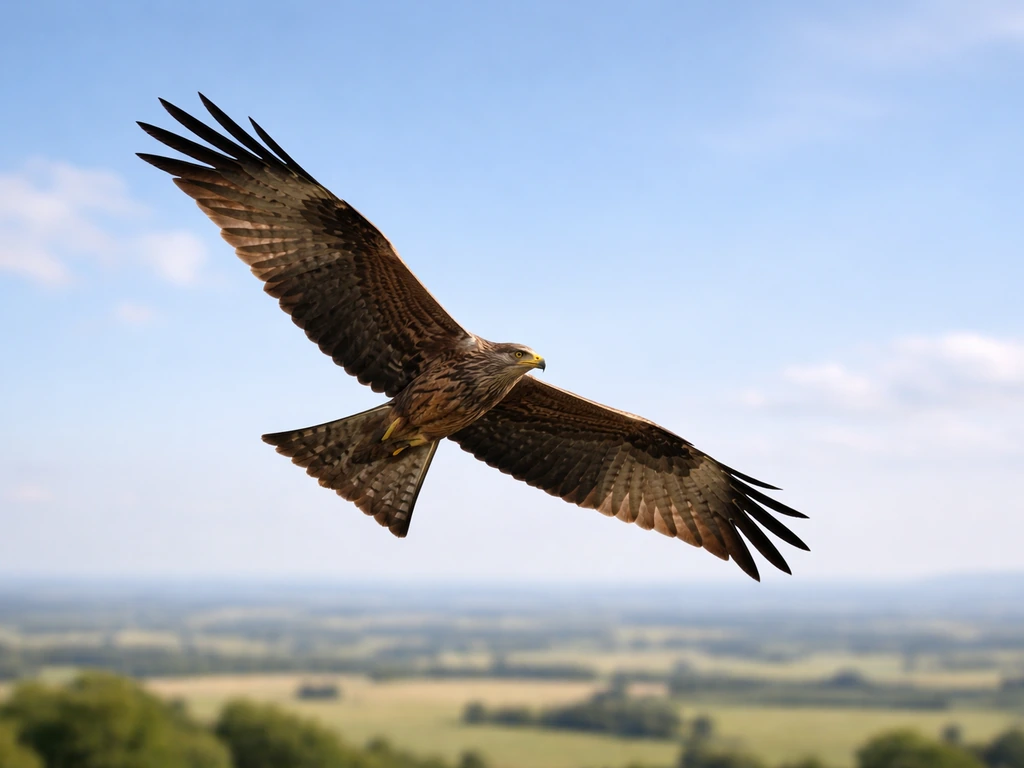
"Chil" is not a typo, not slang, and not a nickname invented by someone who forgot the right word. It's a recognized term with a documented history. The Kipling Society records that "Chil is the commonest word for the Kite (bird) in all the local languages round Lahore," which was Kipling's base from 1882 to 1887. So when you see "chil" used in bird phrases, you're looking at a South Asian vernacular word that passed into English-language texts the same way many loan words do: through literature and colonial-era writing that didn't always translate every local term.
Merriam-Webster also lists "chil" as a bird-related lexical item, confirming it's a recognized English word rather than a mere misspelling. This matters because people searching "chil bird meaning" sometimes wonder if they misread something. If you’re trying to interpret the phrase, “chil bird” refers to the kite bird, not an unrelated animal or a misspelling chil bird meaning. They didn't. The string "chil" is legitimate and specifically tied to the kite bird.
Chil bird meaning in English: the direct definition
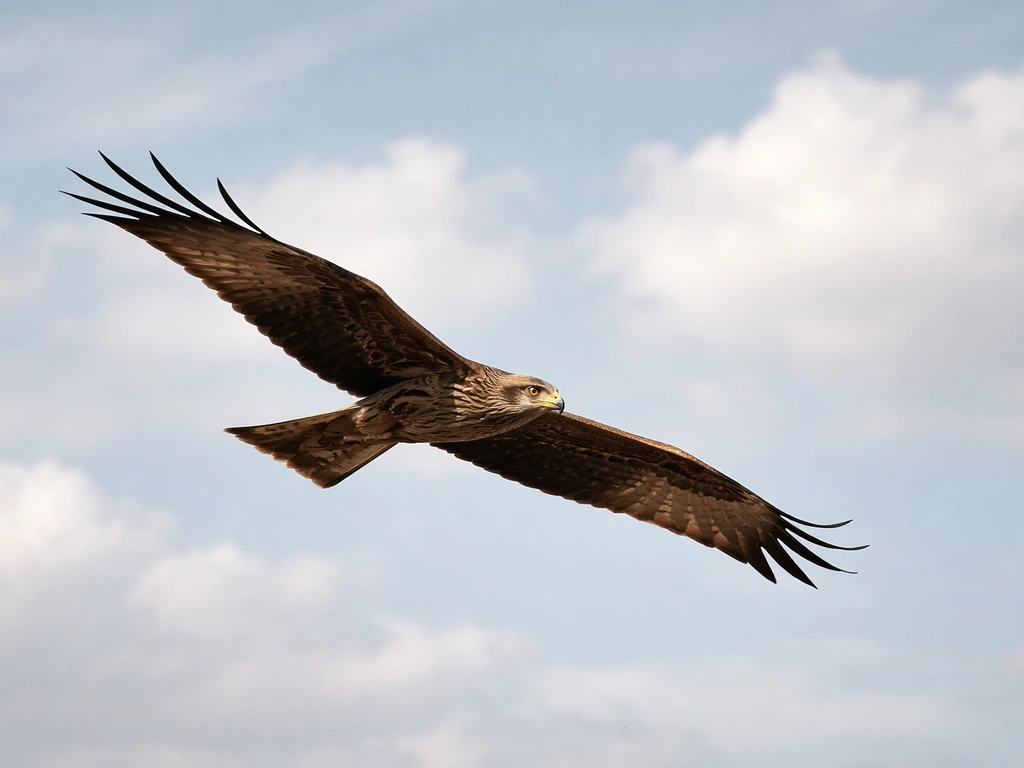
In plain English, "chil" means kite: specifically the Black Kite or a closely related kite species common across South Asia. The kite is a medium-to-large bird of prey in the family Accipitridae. It's a graceful, masterful soaring bird known for its forked tail, effortless gliding, and sharp eyesight. The Bengali dictionary at English-Bangla.com defines চিল (chil) directly as "kite (bird of prey)" and is careful to note that the Bengali word for the paper kite is something else entirely (ঘুড়ি, or ghuri), so there's no confusion between the toy and the bird in the original language.
So if you want a one-line answer for your notes: chil bird = kite (bird of prey), South Asian vernacular origin, used in English primarily through Kipling's writing and South Asian-English contexts.
Where you'll actually encounter "chil bird" being used
In Kipling's The Jungle Book

This is the most prominent English-language context. Chil the Kite appears as a named character and narrator in The Jungle Book, and Kipling even wrote "Chil's Song" as part of the book's verse sections. Kipling's own notes treat "Chil" as the direct kite-bird term, not a invented fantasy name. Kipling Journal editions note that "First English had Chil, for the kite," showing it was consistent across early printings. Reading The Jungle Book is where most English-speaking readers first encounter the word without realizing it's a borrowed vernacular term.
In South Asian languages and everyday speech
In Hindi, Bengali, Punjabi, and neighboring languages, "chil" or a close variant is simply the ordinary word people use when they point at a kite circling overhead. It's not poetic or old-fashioned in those languages; it's as everyday as saying "sparrow" in English. Bengali proverbs and collocations involving চিল (chil) appear in standard dictionaries, showing the kite has a place in everyday cultural expression, not just literary references.
In translation and language-learning contexts
You'll also see "chil" pop up when people are translating South Asian texts into English or asking on forums what a Hindi or Bengali bird word means. This is related to but distinct from terms like "chidiya," which is the Hindi general word for a small bird or birdie (something like the English word "birdie" used for any small bird). Chidiya and chil are different: chidiya is a small bird in general, while chil is specifically the kite. If you've seen both terms and wondered how they connect, the answer is they don't directly: they just both come from the same general category of South Asian bird vocabulary that sometimes gets searched together.
Where "chil" comes from: etymology and origins
"Chil" is rooted in the languages of the Indian subcontinent, particularly those spoken in the Punjab and Bengal regions. It's the native vernacular name for the kite bird and predates Kipling by centuries in local usage. Kipling absorbed it while living and working in Lahore and used it as the authentic local name when writing his Indian jungle stories, rather than substituting the English word "kite." This was deliberate: Kipling used regional animal names throughout The Jungle Book (Baloo, Bagheera, Shere Khan) as a way of grounding the stories in a specific place and cultural reality.
The word's path into broader English usage is essentially literary: it arrived via Kipling's books, which were widely read across the British Empire and beyond. Unlike some loanwords that entered English through trade or science, "chil" stayed closely tied to that literary origin, which is why it appears in English dictionaries and reference sources but isn't a word most English speakers use in everyday conversation today.
What the kite (chil) symbolizes across cultures
In South Asian tradition
The kite in South Asian cultures carries layered symbolism. It's often seen as an opportunistic and cunning bird: sharp-eyed, fast, and willing to snatch food mid-air. Bengali proverbs involving চিল (chil) frequently play on this quality, using the kite as a symbol of someone who swoops in and takes advantage. At the same time, the kite's soaring, effortless flight gives it an association with freedom, vision from above, and a kind of detached observation of the world below. It watches without participating, which is part of why Kipling chose Chil as a narrator figure in his stories.
In Kipling's jungle universe
In The Jungle Book, Chil the Kite functions as the watcher of the jungle: a creature that sees everything from the air but doesn't interfere in the law of the jungle. This makes "chil" carry a symbolic weight of omniscient observation, detachment, and perspective. Chil's Song describes the kite circling over the world at twilight, a poetic image of a creature that exists slightly outside the struggles of the animals below. That's a distinctly literary use of the bird's natural behavior mapped onto a symbolic role.
The kite in broader world symbolism
Kites as a bird family carry similar symbolism in other traditions: in European heraldry, the kite is sometimes a symbol of cunning or predatory cleverness. In parts of West Africa, kites are considered birds of spiritual significance, associated with messages from the spirit world because of their high flight. Across cultures, birds that soar high and observe from great distances tend to attract symbolism around perspective, intelligence, and sometimes cunning. The chil fits neatly into that broader pattern.
Chil vs. similar bird terms worth knowing
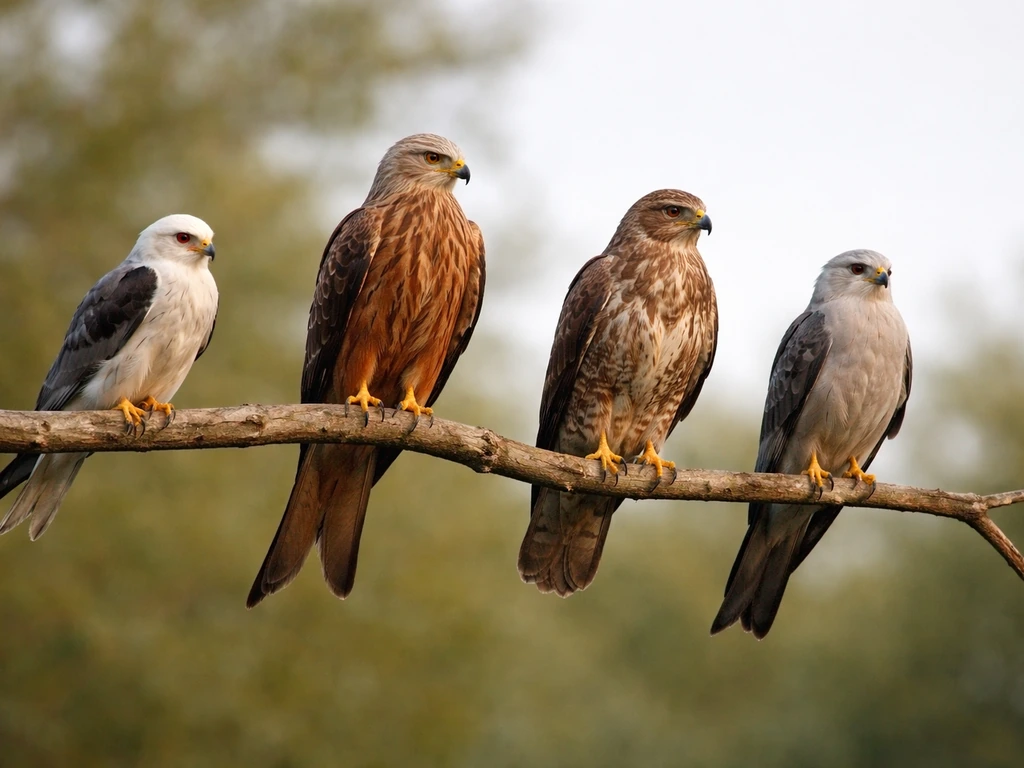
"Chil" sits in a family of South Asian bird terms that sometimes get confused with each other in English searches. Here's a quick comparison to keep them straight:
| Term | Language Origin | English Meaning | Typical Context |
|---|---|---|---|
| Chil (চিল) | Bengali, Hindi, Punjabi | Kite (bird of prey) | Literature, translation, everyday speech in South Asia |
| Chidiya (चिड़िया) | Hindi/Urdu | Small bird, birdie | Everyday speech, nursery rhymes, general bird reference |
| Chip (bird) | English onomatopoeia | Small bird making a chip sound | English bird description |
| Chirpy (bird) | English | A lively, cheerful bird or person | English idiom and description |
The key takeaway: chil is specific (it always means kite), while chidiya is general (any small bird). If you're reading a South Asian text and see "chil," you're looking at a kite. If you see "chidiya," you're looking at a small bird of some kind, context-dependent.
Quick cheat sheet: using "chil bird" correctly and what to check next
How to use it in sentences
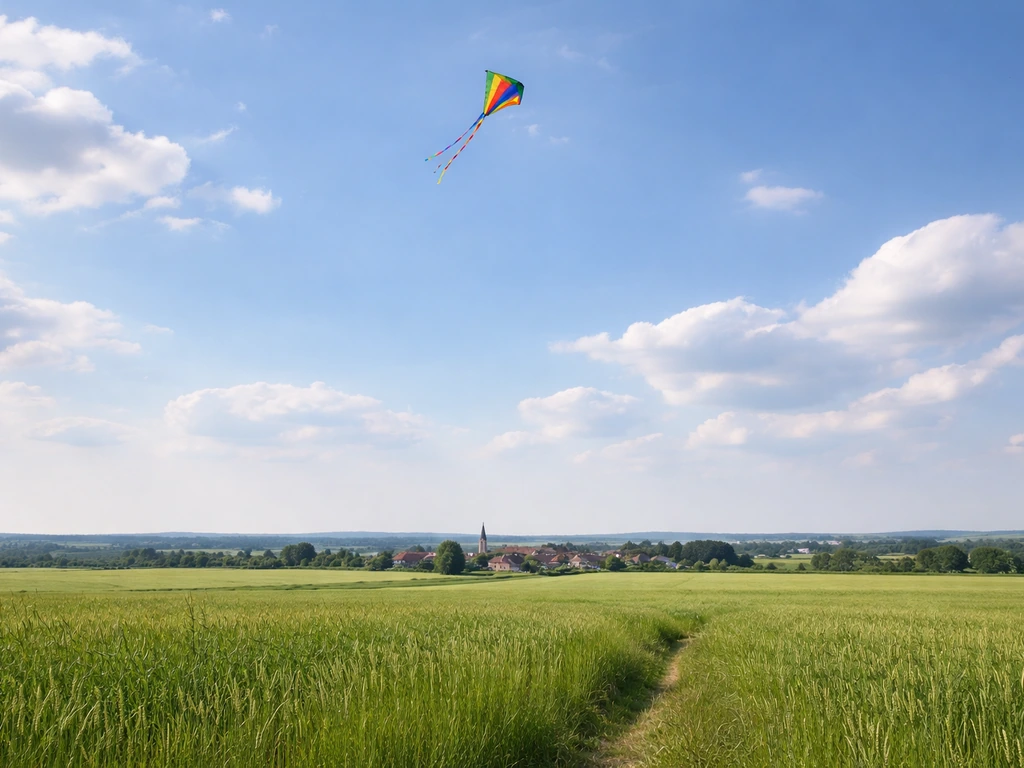
- "The chil circled high above the village, watching the fields below." (descriptive, natural usage)
- "Chil the Kite narrates 'Chil's Song' in Kipling's The Jungle Book." (literary reference)
- "In Bengali, চিল (chil) means the kite bird, not the paper toy." (explanatory/translation context)
- "She moved like a chil: patient, high above, waiting for the right moment." (metaphorical usage)
What to check if you're still unsure about a specific usage
- Check the source language: if the original text is Bengali, Hindi, or Punjabi, "chil" almost certainly means kite.
- Check the context: is the bird described as soaring, circling, or swooping? That confirms kite behavior.
- Look for Kipling connections: if the text references The Jungle Book or jungle animals, "Chil" is the named kite character.
- Check for related spellings: "cheel," "chil," and "chiil" are all variant romanizations of the same South Asian word for kite.
- Distinguish from chidiya: if the source text uses a word meaning a small, common bird (not a raptor), that's chidiya, not chil.
If you found "chil bird" in a poem, story, or translated proverb and weren't sure what it meant, you now have a solid answer: it's the kite, a soaring bird of prey with deep roots in South Asian language and culture, a starring role in one of English literature's most famous animal stories, and a symbolic identity built around watching, patience, and a sharp eye for opportunity.
FAQ
Does “chil bird” ever mean the paper kite toy?
In English, “chil bird” is usually pointing to the kite bird, not the paper toy. The paper kite is generally named differently in local languages (for example, Bengali uses ghuri/ঘুড়ি), so the phrase “chil bird” is best understood as “kite (bird of prey)” when “bird” is included.
Is “chil” slang or an invented name in English?
It is not a random nickname. “Chil” is treated as a loaned, bird-specific vernacular term that entered English mainly through South Asian references and literature, especially Kipling’s Jungle Book. If you are seeing it in a translation, it is typically the kite bird being named, with “bird” added to make the meaning explicit.
How can I tell from context whether “chil” means the bird or something else?
If the text says “Chil,” “Chil the Kite,” or uses actions like circling overhead or watching from the air, it is almost certainly the bird. If the sentence involves flying objects, strings, or play, that would be a different term in the source language, meaning the translator likely used “chil” incorrectly or the text is mixing terms.
What is the difference between “chil” and “chidiya”?
“Chidiya” means a small bird in general, while “chil” is specifically the kite. So if you see both terms in the same passage, “chil” should be read as the kite bird, not a generic bird.
Is “chil” only known in English because of Kipling?
Many English readers first meet the word through The Jungle Book, but that does not mean it only exists in that book. In South Asian languages around Punjab and Bengal, the kite is commonly named with a form like “chil,” so the same word can appear in dictionaries, proverbs, and everyday speech.
What are common misunderstandings when people search for “chil bird meaning”?
Common mistake: assuming “chil” is just a misspelling of “chick” or “chip” or another English bird word. Another mistake is treating it as a general term for birds. When you search “chil bird meaning,” it helps to remember that “chil” is already bird-specific, it does not need another qualifier beyond “kite bird.”
What is the best quick translation for “chil bird” in my notes?
If you want a one-line translation for notes, use “kite (bird of prey)” for “chil.” You can also add “fork-tailed soaring raptor” if the text emphasizes circling, sharp eyesight, or opportunistic swooping, since those traits align with kite behavior.
Why do dictionaries list “chil” as a bird-related term rather than a general bird word?
In English dictionaries and wordlists, “chil” may appear as a lexical item tied to the kite, not as a broad synonym for “bird.” So if you are building a glossary, treat it as a specific bird name rather than a general category word.
Is “Chil” ever used symbolically, not literally?
The kite often has strong symbolism because it is high-flying and observant, so writers may use “Chil” as a metaphor for watching, detachment, or opportunistic timing. If you are reading a poem or story, look for themes like omniscient perspective, caution, or swooping advantage, since that is where the symbolism typically shows up.
How should I translate “chil” into English in both literal and literary contexts?
When you are translating into English, preserve the intended meaning by choosing either “kite” (literal bird) or “Chil” (literary character/name) depending on the sentence. If the original refers to an actual kite in the sky, translate to “kite (bird of prey).” If it refers to the narrator character in Kipling, keep “Chil the Kite” to avoid confusing it with generic “kites.”
Next Article
Perched Bird Meaning, Literal, Symbolic, Usage, Examples
Perched bird meaning: clear literal and symbolic definitions, usage differences, examples, and quick reference.