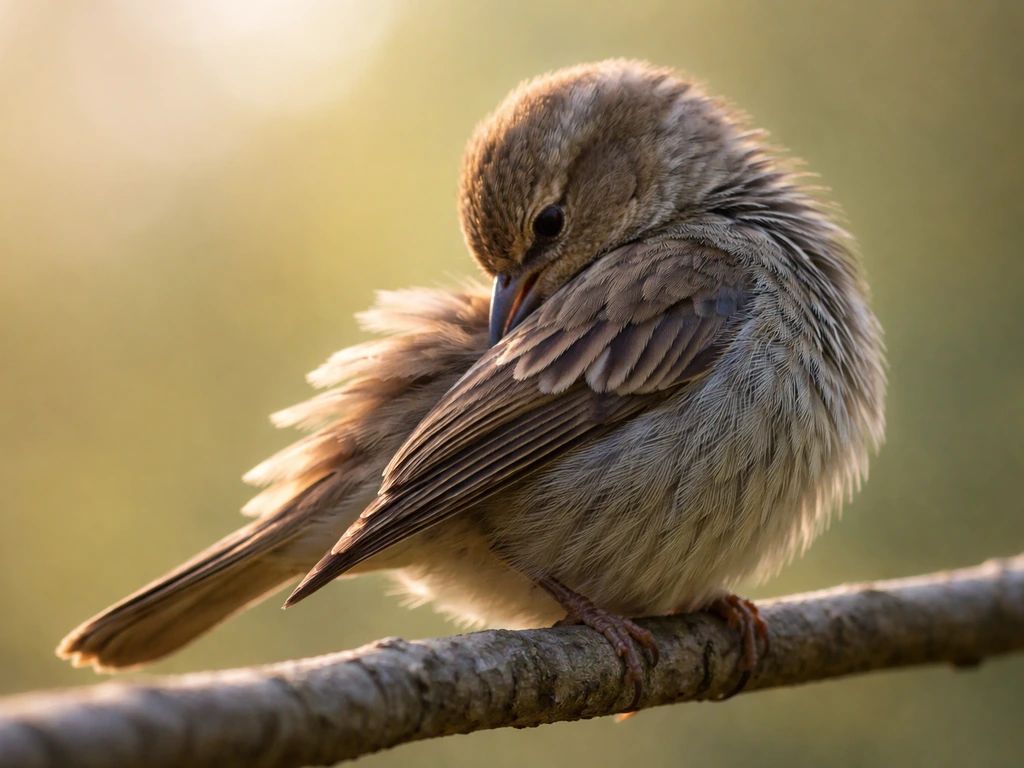
When a bird repeatedly runs its beak through its feathers, nibbling and stroking each one back into place, that behavior is called preening. It's the bird's main method of feather maintenance: cleaning the plumage, realigning the tiny interlocking hooks (barbules) that hold each feather in shape, and distributing a protective oil across every part of its coat. Think of it as the bird equivalent of brushing your hair, washing your face, and applying moisturizer all at once. It's completely normal, it happens multiple times a day, and in most cases it's a sign of a healthy, comfortable bird.
Preen Meaning in Birds: What It Looks Like and Why

Marcus Whitley
30 May 2026
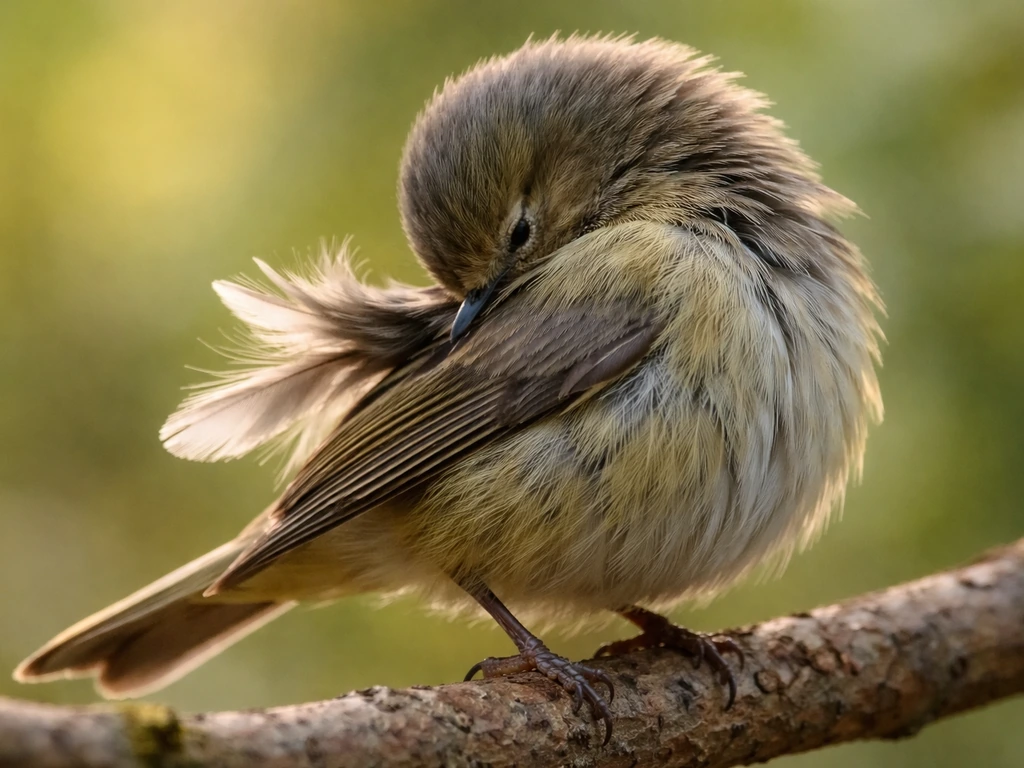
What "preen" actually means in bird behavior
The word "preen" has been used in English since at least the 15th century to describe a bird tidying its feathers with its bill. Over time it picked up a second, more casual meaning in everyday language: a person who preens is someone who fusses over their own appearance, which is a direct borrowing from this bird behavior. But in ornithology, preening has a precise definition: it's the act of manipulating individual feathers with the beak to clean, realign, and condition the plumage. It's not the same as scratching, bathing, or shaking feathers loose. Preening is deliberate, beak-driven feather work.
The behavior is closely tied to a small but important piece of anatomy. Most birds have a uropygial gland, also called the preen gland, oil gland, or tail gland. It sits at the base of the tail on the bird's back, and it secretes a waxy, oily substance. When a bird preens, it regularly pauses to rub its beak and head against the opening of this gland, picks up a little of the oil, and then rubs it across feathers and sometimes the skin of its feet and legs. That oil layer is what makes feathers water-resistant: water simply can't penetrate through the coating, so it beads off instead of soaking in. Without regular preening, a bird's feathers would quickly become ragged, waterlogged, and unable to insulate properly.
How preening actually works, step by step
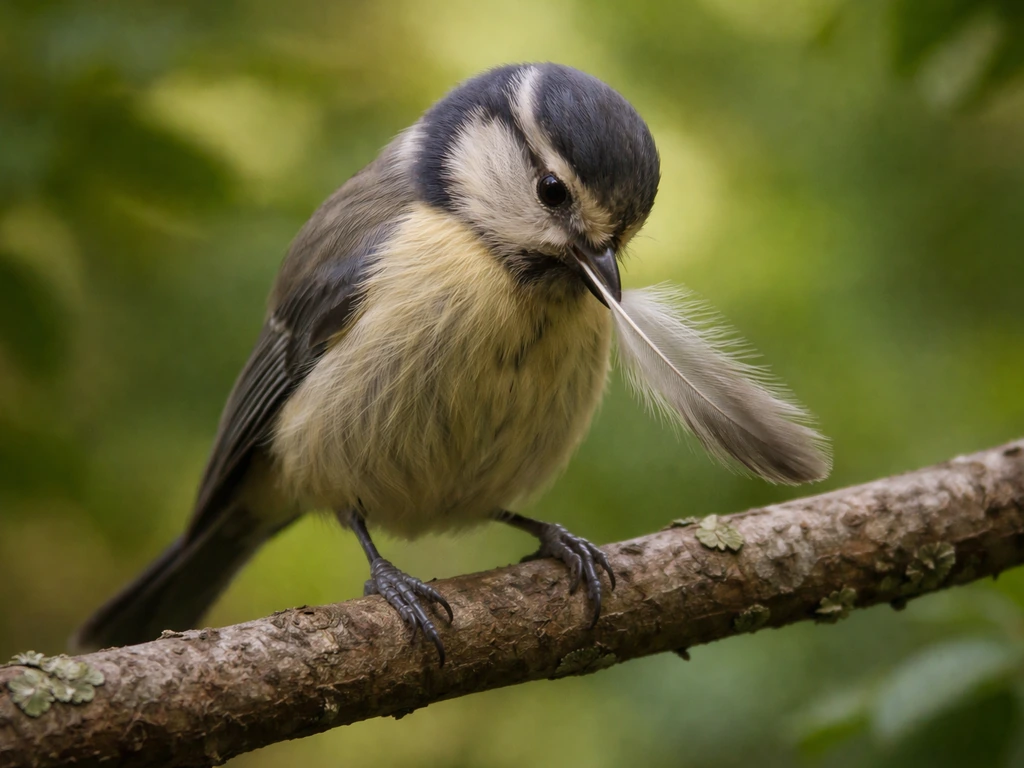
When you watch a bird preen up close, you'll notice it working systematically through different feather groups. It'll draw a single feather through its beak from base to tip in a smooth stroke, almost like it's running a zipper closed. That's exactly what it is doing: each feather is made up of a central shaft with hundreds of barbs branching off, and those barbs have tiny hook-like structures called barbules that interlock to keep the feather flat and aerodynamically sound. When feathers get ruffled, dusty, or wet, those hooks separate, and the feather looks frayed. A preening stroke re-zips them back together.
Here's the rough sequence you'll see in a full preening session: the bird works through body and wing feathers with beak strokes, periodically visits the uropygial gland at the tail base to reload on oil, sometimes rubs its head and bill across a surface to spread oil to areas it can't reach directly with its beak (like the top of the head), and then uses its feet to scratch at the head region. After bathing or dust bathing, birds typically shake vigorously and then go straight into a thorough preening session, because the water or dust has loosened debris and parasites that the beak can then remove.
The functions of preening stack up quickly. It cleans the feathers, removes small debris and some ectoparasites (like mites and lice), maintains the structural integrity of the feathers for flight and insulation, and waterproofs the plumage through oil distribution. Some research also links preening with general comfort regulation, since a well-maintained feather coat is far more efficient at trapping warmth or reflecting heat. For a bird, skipping preening isn't a cosmetic issue. It's a survival issue.
Signs you're watching normal, healthy preening
Once you know what to look for, normal preening is easy to spot. Here are the key tells that what you're seeing is completely healthy behavior:
- The bird uses smooth, deliberate beak strokes along individual feathers, working from the base toward the tip.
- It periodically pauses and turns toward the base of its tail (visiting the preen gland), then resumes feather work.
- The session is calm and relaxed. The bird isn't agitated, and it may half-close its eyes.
- After bathing, the bird shakes off water and moves immediately into a preening session. This is entirely normal and expected.
- The bird preens multiple times throughout the day, often after eating, after a bath, or after resting.
- Feathers look smooth and well-structured afterward, not ragged or patchy.
- Social birds (parrots, starlings, many songbirds) may preen each other (called allopreening), which is a bonding behavior, not a problem.
- The bird's overall appearance is clean, bright-eyed, and alert between preening sessions.
If you're watching a wild bird at a feeder or a pet bird in its cage and you see most of those things, you're good. The bird is doing exactly what it should be doing.
Preening vs. grooming vs. molting vs. dust bathing
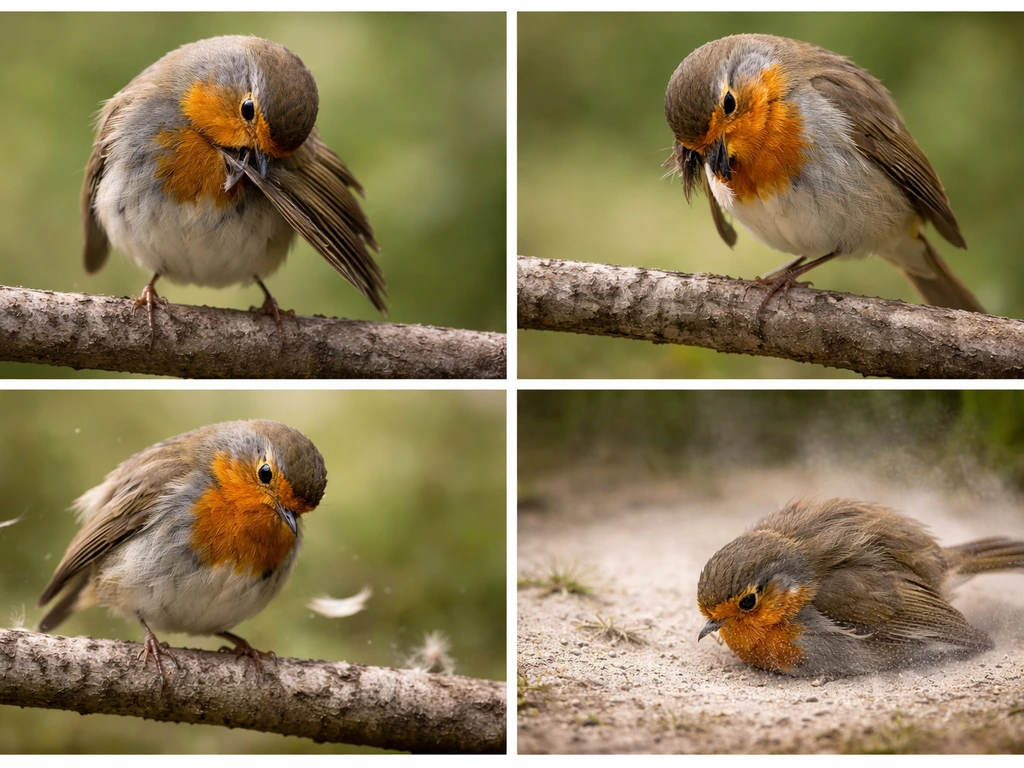
These four terms get tangled up constantly, even among experienced bird watchers. They're related but distinct, and it's worth separating them clearly.
| Behavior | What the bird does | What it's for | Involves the beak? |
|---|---|---|---|
| Preening | Runs beak through feathers, distributes oil from preen gland | Cleaning, realigning feather structure, waterproofing, parasite control | Yes, primarily |
| Grooming (general) | Broad term for all self-maintenance, including scratching, stretching, bill-wiping | Overall hygiene and comfort | Partly |
| Molting | Old feathers fall out, new ones grow in (not a deliberate behavior) | Replacing worn-out feathers seasonally | No (but birds preen more during molt to help new feathers unfurl) |
| Dust bathing | Rolling, fluffing, and wriggling in dry dirt or sand | Suffocates or dislodges parasites, absorbs excess oil | No (but preening always follows) |
The easiest way to keep these straight: preening is the beak-driven, feather-by-feather behavior. Grooming is the umbrella term that includes preening but also scratching, stretching, and bill cleaning. Molting is not something the bird actively does with its beak; it's a biological process where old feathers are pushed out by new growth. During a molt, birds often preen more than usual because new pin feathers need help getting their protective sheaths removed. Dust bathing is a whole-body behavior that looks like the bird is having a seizure in a dirt patch; the bird then shakes out the dust and preens thoroughly afterward. You'll almost never see dust bathing without preening following it.
If you've been reading about preening, you may also come across the related term "preening" used almost interchangeably as a topic. The behavioral overlap is real, but the distinction between preening as a momentary act and preening as an ongoing habit (preening behavior) matters when you're trying to figure out whether something is wrong. Similarly, behaviors like perching quietly or peering at surroundings are often happening alongside preening and are signs of a relaxed bird. Similarly, behaviors like perching quietly or peering at surroundings are often happening alongside preening, and they can also show up in the broader context of peering bird meaning. Perching bird meaning in English can refer to a bird that is sitting and resting on a branch, especially in a calm or observant way perching quietly. A perched bird, for example, is often a relaxed posture, and the perched bird meaning can help you tell comfort from concern.
When preening becomes a problem
Preening becomes a concern when it tips into something excessive, incomplete, or paired with physical symptoms. Feather destructive behavior (FDB) is the clinical term for when a bird goes beyond normal preening and starts chewing, plucking, or shredding its own feathers. It ranges from mildly excessive preening all the way to severe self-mutilation, and it can have both medical and behavioral roots.
Signs that something is off
- Bald patches or thinning feathers in areas the bird can reach with its beak (chest, wings, abdomen)
- Chewed, frayed, or broken feathers that look clearly damaged rather than just ruffled
- Visible skin irritation, redness, scabs, or open sores beneath the feathers
- Excessive scratching, especially around the head and neck
- Scaly, whitish material building up around the beak, eyes, or legs (possible scaly mite sign)
- Lethargy, decreased appetite, or fluffed-up posture alongside feather issues
- The opposite problem: a bird that has stopped preening, leaving its plumage dirty, ragged, and dull (this is a classic sign of illness)
What's usually causing it
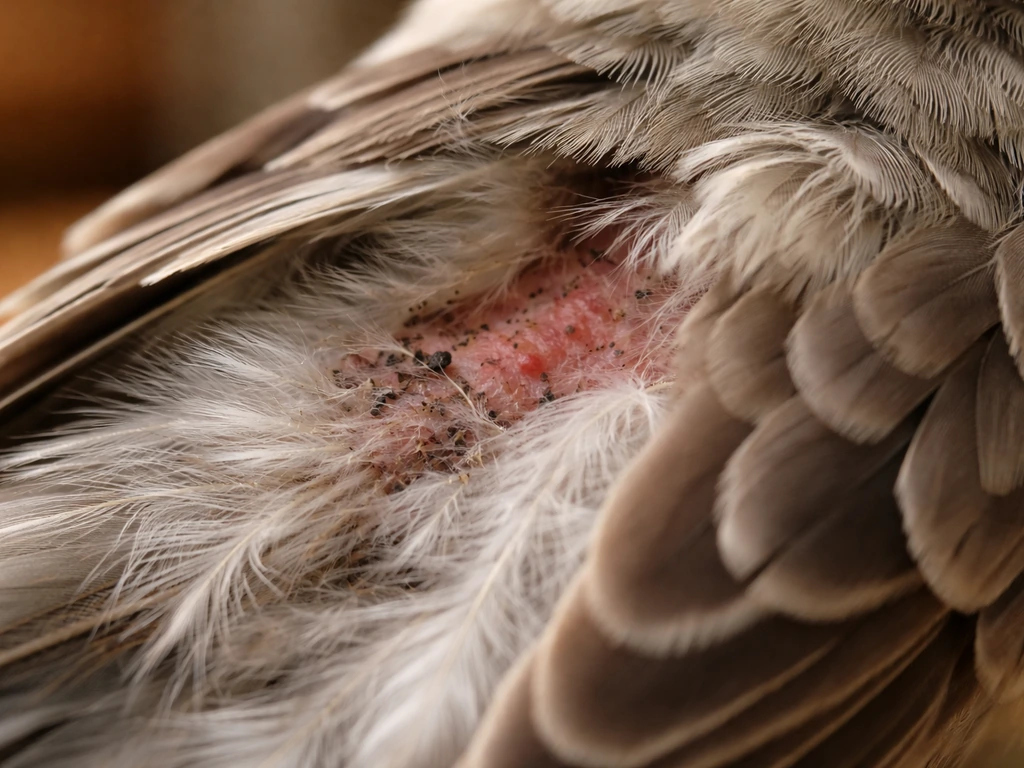
Parasites are the first thing most people suspect, but they're actually not the most common cause. External parasites like lice, feather mites, and red mites can definitely trigger irritation and abnormal preening, and if you see excessive scratching, small moving specks on feathers, or irritated red skin, parasites are worth investigating. However, behavioral and environmental causes are far more common in pet birds: boredom, stress, inadequate social interaction, improper humidity, lack of bathing opportunities, or changes in the household can all trigger feather plucking. PetMD notes that feather plucking can have behavioral causes such as boredom, compulsive behavior, improper habitat, predator stress, or sexual frustration, and that bathing routines can help enhance normal preening and decrease plucking. Mites, when present, can also persist in nest boxes and re-infect birds even after treatment, so the environment needs to be checked and cleaned, not just the bird.
What you can do right now
- Check for external parasites: Inspect feathers carefully in good light for small crawling insects (lice) or tiny specks (mites). Check the skin for redness, irritation, or scaly deposits. Also check the cage, perches, and nest boxes, since mites often live in the environment and only visit the bird to feed.
- Improve bathing opportunities: Bathing encourages normal preening and can reduce feather plucking. Offer a shallow dish of water, a misting spray, or whatever bathing style your bird seems to prefer. Not all birds like the same method, so experiment.
- Assess the environment: Is the bird bored, under-stimulated, or stressed by a change at home? New pets, loud noises, irregular schedules, and isolation can all trigger stress-based feather destruction. Address what you can.
- Look at the full picture: Is the bird eating normally? Is it alert between preening sessions? Is the feather damage getting worse quickly? A bird that is lethargic, off food, or showing rapidly worsening feather loss needs a vet visit sooner rather than later.
- Contact an avian vet: If you're seeing bald patches, scabs, open sores, weight loss, or feather damage that isn't improving, get a professional examination. An avian vet can run diagnostics to rule out internal medical causes (infections, hormonal issues, nutritional deficiencies) that can look identical to behavioral plucking from the outside. Don't just wait it out.
The bottom line on abnormal preening: normal preening is one of the best signs of a healthy bird. When it stops, or when it flips into feather destruction, something is wrong and the bird needs attention. A good rule of thumb is that if the feather damage is in areas the bird can reach with its beak and it's getting worse over a week or two, that's an avian vet conversation, not a wait-and-see situation.
FAQ
Is it ever normal for a bird to preen for a long time or many times in a day?
Not necessarily. It can be normal to see brief, frequent preening after eating, after using a perch, or after preening gets interrupted, but the overall pattern matters. If a bird repeatedly preens the same spot for long periods, leaves bare patches, or cannot settle into other normal behaviors, treat it as abnormal rather than “just grooming.”
How can I tell normal preening from feather destructive behavior (FDB) without guessing?
Watch for how the bird uses its beak and whether feathers end up damaged. Normal preening is deliberate and results in feathers looking smooth and aligned, sometimes with short pauses to “reload” oil. Feather destructive behavior looks like chewing, plucking whole feathers, shredding, or repeated targeting that makes the plumage progressively worse over days.
Does vigorous shaking mean something is wrong, or is it part of normal preening?
Yes. After a bath or dust bath, shaking is expected, and preening usually follows soon after to remove loosened debris. But if the bird shakes excessively, keeps its feathers fluffed for long periods, or preens without improvement even when there is no recent bathing, that can point to irritation, poor feather condition, or stress.
If my pet bird doesn’t bathe often, can that affect preening?
Consider whether the bird has safe ways to do all the steps it normally would. If there is no opportunity to bathe (or dust bathe for species that use dust), feathers can stay dirty or lose alignment, leading to more time spent preening. Even with good food and lighting, limited bathing opportunities commonly worsen feather condition in indoor birds.
If preening is excessive, what should I check first, parasites or boredom/stress?
Look at timing and placement of the problem. Parasite irritation often shows up with general fussing plus additional signs like small specks on feathers, localized redness, or frequent scratching. But if feather damage is tightly focused and the bird seems otherwise healthy, boredom, stress, or learned habits can be the driver, and changing enrichment or environment may be the first step while arranging a vet check.
Can diet or skin problems cause preening changes even if there are no obvious parasites?
Sometimes. A bird can seem to be preening normally but still have an underlying issue like a chronic skin irritation, poor oil distribution, or feather shaft weakness from nutrition problems. If the bird cannot maintain feather integrity, the feathers look dull or frayed despite frequent grooming, or there is ongoing redness or scaling, schedule an avian vet visit.
If mites are involved, why do I also need to treat the environment, not just the bird?
Spot-cleaning is not enough if mites or other environmental issues are suspected. Red mites, for example, can live in crevices and re-infect birds after treatment, so you also need to clean and treat the cage accessories and resting areas per veterinary guidance. Otherwise the bird may keep “reacting” and preen more as irritation returns.
Is increased preening expected during molting, and when should I worry?
Yes, and it often changes how you interpret the behavior. A bird may preen more during or right after molting because new pin feathers and their sheaths can be itchy or awkward to manage. If the bird is actively growing feathers, there may be increased preening, but you should still monitor for plucking, bleeding, or broken shafts.
What signs of abnormal preening should make me act sooner rather than waiting?
Be careful with the “only one symptom” rule. A single ruffled feather, occasional messy-looking plumage, or short interrupted preening can be normal. It’s more concerning when you see a consistent decline over 1 to 2 weeks, increasing bare areas in beak-reachable spots, or any pain signs (hiding, lethargy, refusal to perch normally).
Does good preening mean the cage environment is fine and sanitation is not important?
Preening itself does not mean the bird is clean of germs, even though it helps maintain feather condition. Environmental hygiene still matters, especially for pet birds. If your bird is in a dusty, soiled, or poorly ventilated setup, debris and odor can irritate the skin and lead to increased grooming.
Next Article
Preening Meaning for Birds: What It Is and Why They Do It
Learn bird preening meaning: feather grooming and health signals, plus idioms like humans preening themselves.