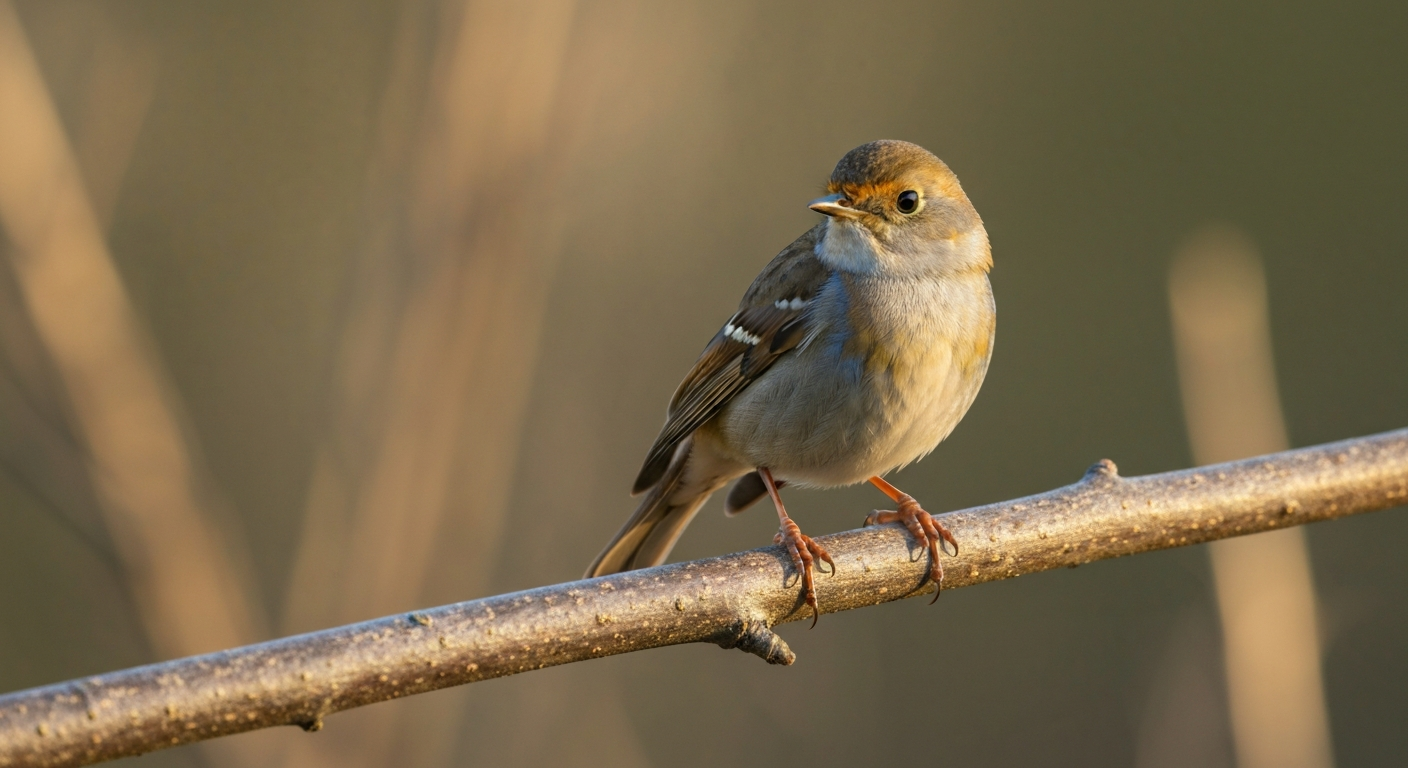
When someone writes 'siren bird,' they almost always mean one of two things: a creature or person whose beautiful voice lures you toward danger (drawing on Greek siren mythology, where sirens were literally depicted as part bird), or a real bird that's been nicknamed 'siren' because of an unusually loud, alarm-like call. Which one applies depends entirely on the context, and this guide will help you figure out exactly which meaning fits what you're reading or hearing.
Siren Bird Meaning: Figurative vs Literal Context Check

Marcus Whitley
14 May 2026
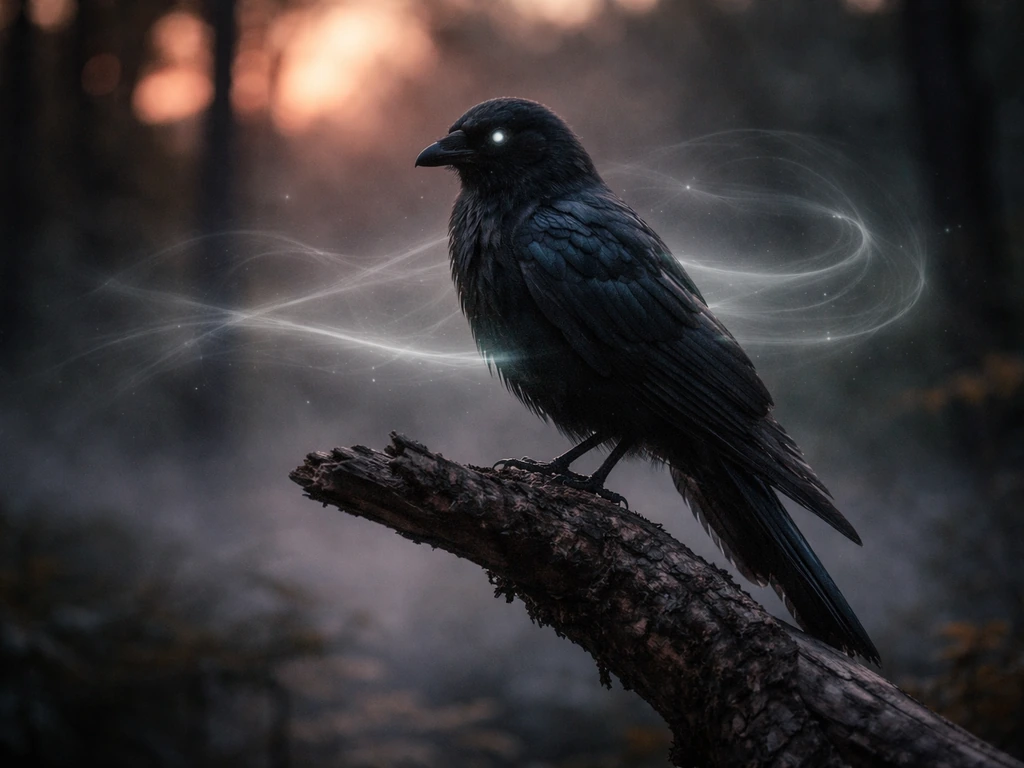
What people actually mean by 'siren bird'

The phrase shows up in a surprising number of places, and the meaning shifts depending on who's using it. Here are the main interpretations you'll run into:
- A metaphor for dangerous, irresistible song or attraction — something or someone whose voice enchants but leads you somewhere harmful. This is the most common figurative use, rooted directly in Greek myth.
- A literal hybrid creature from mythology or folklore — the original Greek sirens were depicted as bird-human chimeras, so 'siren bird' can simply describe what a siren actually looked like in early traditions.
- A specific invented creature in fiction — for example, in The League of Extraordinary Gentlemen, 'The Siren Bird' is a named extinct flightless species that uses mimicry (its beak resembles a woman's face) to lure and devour humans.
- A nickname for a real loud bird — some online communities and wildlife enthusiasts call the White Bellbird a 'siren bird' because its call reaches around 125 dB, closer to a fire alarm than a birdsong.
- A cultural or analytical label — in academic and arts contexts, 'siren-bird' has been used as a thematic descriptor, such as in a 2013 dissertation analyzing Brazilian performer Maria Bethânia's theatrical song style as embodying the 'siren-bird' archetype.
- A reference to Slavic folklore — the Russian Sirin, borrowed from Greek siren mythology, is a bird-bodied creature with a woman's head whose enchanting song was considered either blissful or fatal depending on the tradition.
The siren myth vs. a real bird: where this phrase comes from
Here's something most people don't realize: the siren was a bird first, and a mermaid second. Early archaic Greek depictions show sirens as birds with human faces, not fish-tailed women. The Metropolitan Museum of Art notes that in early Greek art, sirens appeared 'as a bird with a human face,' and it wasn't until later traditions that the imagery shifted toward a more feminine, human form. Wikipedia's overview of the Sirens and Ulysses story confirms that the traditional Greek representation was 'blank" rel="noopener noreferrer">bird-lion or bird-human chimeras.' So when someone pairs 'siren' and 'bird' together, they're actually reaching back to the oldest, most historically accurate version of the myth.
The Cambridge Dictionary still defines a siren (in the literary sense) as 'a creature in ancient Greek literature, half woman and half bird, whose beautiful singing lured sailors into dangerous waters where they died.' Medieval interpreters leaned into this bird connection heavily. Oxford University research describes how sirens in medieval contexts appeared 'part bird,' reinforcing the link between bird imagery and the dangers of enchanting song. There's even a Romanesque bas-relief from around the 11th century, attributed to Saint-Sernin de Toulouse, that is explicitly labeled 'Siren-bird' in the University of Michigan's digital collections. So this pairing of the two words has genuine historical weight, not just modern wordplay.
What a 'siren bird' symbolizes

Whether you're reading it in a poem, a novel, or a piece of art criticism, the siren bird carries a consistent cluster of symbolic meanings. Understanding these helps you decode almost any use of the phrase.
- Irresistible lure: The siren bird calls you toward it, and you can't help but follow. This is the core of the Odysseus story — sailors heard the song and steered directly into destruction.
- Danger disguised as beauty: The threat isn't obvious. The song is gorgeous, the creature is beautiful, and the peril is hidden inside the attraction. The League of Extraordinary Gentlemen's Siren Bird literalizes this with a beak that looks like a woman's face.
- Fatal enchantment: Unlike a singing bird that's simply pleasant, the siren bird's song has consequences. William Michael Rossetti, describing Dante Gabriel Rossetti's painting 'A Sea-Spell,' wrote of a siren 'whose song will prove fatal' — the enchantment is the trap.
- Mystery and the unknown: Sirens inhabit thresholds — shorelines, in-between spaces, the edge of the known world. A siren bird signals you're at the edge of something dangerous or unknowable.
- Feminine power and voice: Oxford researchers describe sirens as metaphors for 'human singing and musical femininity.' When 'siren bird' is used to describe a performer or character, it often implies a voice so powerful it demands submission.
- Warning and alarm: In the more literal wildlife sense, the siren bird is a warning signal — something that makes noise too loud to ignore, like the White Bellbird's 125 dB call.
Where you might actually encounter 'siren bird'
Context shapes meaning more than almost anything else with this phrase. Here's a quick map of the different places it shows up and what it tends to mean in each.
Literature and poetry

In literary writing, 'siren bird' almost always leans on the mythological tradition. Expect the meaning to cluster around enchanting song, dangerous attraction, or a character whose beauty masks threat. Pre-Raphaelite painters and poets were particularly fond of siren imagery, and Rossetti's 'A Sea-Spell' is a good reference point for how Victorian literature handled the idea. If you're reading something that uses water, shore, or sailors as imagery alongside the phrase, the mythological reading is almost certainly correct.
Games and speculative fiction
In games and genre fiction, 'siren bird' can be a proper name for a specific invented creature. The League of Extraordinary Gentlemen example is a good model: it takes the siren archetype and builds a creature with defined mechanics around it (mimicry, lure, predation). The game Tyranny features a character named Sirin, described as a 'Songbird' who enchants minds with her singing, borrowing directly from the Greek-via-Slavic siren tradition. When you see 'Siren Bird' capitalized in a fictional source, treat it as a proper noun and look for a species or character entry specific to that work.
Art, music, and performance
In arts criticism and academic writing about performance, 'siren-bird' tends to function as a hybrid descriptor for an artist whose voice carries both seductive and dangerous power. The 2013 dissertation on Maria Bethânia uses it to capture something about her theatrical presence that neither 'singer' nor 'actress' fully conveys. In modern music, 'siren' imagery is common (you'll find it in song titles and album art), and when 'bird' gets added, it usually deepens the mythological and vocal dimension.
Wildlife, nature content, and online slang
In nature content or casual online discussion, 'siren bird' often means a real bird with an extraordinary or alarm-like call. If you mean the love bird sound meaning specifically, look for details about the species and the context in which the calls are described. The White Bellbird is the most frequently cited example, with a call documented at around 125 dB.
This is a community-level nickname rather than a scientific name, so you won't find it in field guides, but you will find it in Reddit threads and wildlife blogs. If someone uses 'siren bird' in a casual, non-literary context and they're talking about actual birds, this is probably what they mean. If you meant a "chatty bird" type, the chatter bird meaning is usually about a bird known for constant vocalizing rather than mythic danger.
Folklore and cultural traditions
In folklore contexts, especially when discussing Eastern European or Slavic traditions, 'siren bird' may refer to the Sirin, a Russian mythological creature described as a bird (usually owl-bodied) with a beautiful woman's head, borrowed from Greek siren mythology. The Sirin's song brings either bliss or death depending on the tradition, keeping the core siren symbolism intact while giving it a distinctly different cultural flavor.
How to figure out which meaning you're dealing with

If you've encountered 'siren bird' and you're not sure which reading applies, these clues will almost always point you to the right answer.
| Clue in the source | Most likely meaning |
|---|---|
| Water, sea, shore, sailors, shipwreck imagery | Greek myth metaphor — dangerous lure or enchanting voice |
| Capitalized ('Siren Bird') in a fictional world | Specific invented creature — look for a species/character entry |
| Describing a real performer or vocalist | Figurative label for powerful, seductive, dangerous vocal presence |
| Discussion of actual wildlife or bird calls | Real bird nickname, likely tied to loud/alarm-like call (e.g. White Bellbird) |
| Eastern European or Russian folklore context | Sirin creature — bird-bodied, woman-headed, enchanting song |
| Medieval or Romanesque art reference | Historical hybrid creature from the literal bird-siren tradition |
| Academic arts or theater criticism | Analytical metaphor combining vocal power with mythological resonance |
The behavior described in the source is one of your best diagnostic tools. If the siren bird sings and the song causes harm, it's mythological. If it calls loudly and startles, it's probably a real bird comparison. If it disguises itself and lures prey, it's likely a fictional creature built on the archetype.
Pay attention to whether the bird is in a sea setting versus a forest or unnamed landscape, sirens belong to the water's edge, while generic singing birds (the kind you'd find in phrases like 'singing bird' or 'chatty bird') inhabit forests, trees, and domestic settings. If someone is using a “chatty bird meaning” style clue, they are usually pointing to the real bird interpretation or the everyday vibe of a bird that stands out for its vocal personality.
How to track down the exact meaning you need
If you found 'siren bird' in a specific book, game, artwork, or conversation and you want the precise meaning, here's how to approach the research.
- Search the exact phrase in quotes. Run a search for "siren bird" plus the name of the book, game, or artist. This immediately filters out unrelated uses and surfaces discussions specific to your source.
- Find the passage or scene and read around it. The words before and after 'siren bird' almost always contain imagery (water, song, feathers, danger, lure) that confirms the intended meaning. Don't read the phrase in isolation.
- Check if it's a proper noun or a common noun. Capitalization matters. 'The Siren Bird' in a fictional bestiary is a named species. 'a siren bird' in a poem is a descriptive metaphor.
- Look for the source's cultural or geographic origin. A Brazilian theater dissertation, a Russian folktale, and a Victorian painting are pulling from different parts of the siren tradition. Knowing where the author is from helps narrow the interpretation.
- Compare it against related bird metaphors. If the source also uses phrases like 'singing bird,' 'messenger bird,' or 'love bird,' look at how those are used — the register and tone of those nearby phrases tells you a lot about how literally or metaphorically the author is working.
- Search the mythology angle separately. If the literary or metaphorical reading seems right, search 'siren mythology bird form' to understand the specific tradition being invoked — early Greek bird-sirens, medieval hybrid creatures, or Slavic Sirin versions all carry slightly different nuances.
- When in doubt, default to the lure/danger reading. In everyday modern usage, if someone calls something or someone a 'siren bird,' they almost certainly mean an irresistible, enchanting, and ultimately dangerous voice or presence. That reading holds across almost every contemporary context where the phrase appears casually.
The siren bird is one of those phrases that rewards a little digging because the layers connect in interesting ways, the mythological creature, the historical artwork, the invented monster, the real loud bird, and the metaphor for a dangerous vocalist all share the same core idea: a song you can't resist, coming from something that isn't entirely what it seems. Once you understand that thread, you can decode almost any version of it you encounter.
FAQ
Does “siren bird” always mean the Greek myth, or can it mean a real bird too?
It can mean either. If the text mentions luring sailors, water, or death-like danger, it is usually myth-based. If it describes a specific habitat (trees, forest, neighborhood) and focuses on a loud or alarm-like call, it is typically a real-bird nickname used for effect.
How can I tell if “siren bird” is being used as a proper noun in a game or series?
Look for capitalization and structure. If you see it as a character name, creature species label, or item title (often paired with stats, abilities, or a lore entry), treat it as a proper noun for that setting rather than a general phrase.
What if the phrase appears in a song lyric, is it literal or figurative?
Most lyric uses are figurative, but check the surrounding imagery. Water, shore, ships, drowning, or “song that beckons” signals the myth. References to specific birds, singing patterns, or daytime calls usually point to the real-bird metaphor.
Is “siren-bird” (with a hyphen) different from “siren bird” (no hyphen)?
Often it is just stylistic. In academic or critical writing, the hyphen can signal a hybrid descriptor (a performer with both allure and menace). In casual posts, it usually does not change the underlying meaning.
Can “siren bird” be used to describe a person’s voice in a metaphor?
Yes. The common figurative use is for someone whose voice is irresistibly charming but also risky, manipulative, or destabilizing. If the description emphasizes seduction, obsession, or getting “pulled in,” it is likely metaphorical rather than about actual birds.
What’s the most common mistake when trying to interpret “siren bird meaning”?
Choosing the real-bird interpretation when the context is clearly mythic. If the setting includes the sea, sailors, cliffs, or a warning about danger from listening, the phrase is functioning as siren mythology shorthand, even if “bird” is mentioned.
If someone says a “siren bird sings,” does that automatically mean the mythological creature?
Not automatically. If the singing causes harm, paralysis, drowning, trance, or fatal attraction, it is mythic or fictional. If it is just an unusually loud or startling call with no supernatural effect, it is more likely a nickname for a loud bird.
Does the meaning change when the speaker is discussing Slavic or Eastern European folklore?
Yes, the flavor shifts. In Slavic-influenced contexts, “siren bird” may refer to the Sirin creature, which is typically described as a bird form with a woman’s head and can bring bliss or death depending on the tradition.
How should I research a specific instance I saw online or in a quote?
Search the exact phrase in quotation marks and include a nearby keyword (like the work title, artist name, or the setting term such as “sea,” “forest,” or “song”). Then check whether the source treats it as an archetype (myth/poetics) or as a specific labeled creature (lore/species/character).
Is there a “chatty bird” style interpretation that’s separate from “siren bird”?
They are usually different. “Chatty bird” type language typically points to everyday bird behavior (constant vocalizing). “Siren bird” points to a lure or warning effect (danger, seduction, or an alarm-like call), so if the writing focuses on chatter and routine calls, it is often not the siren-archetype reading.
Next Article
Perched Bird Meaning, Literal, Symbolic, Usage, Examples
Perched bird meaning: clear literal and symbolic definitions, usage differences, examples, and quick reference.