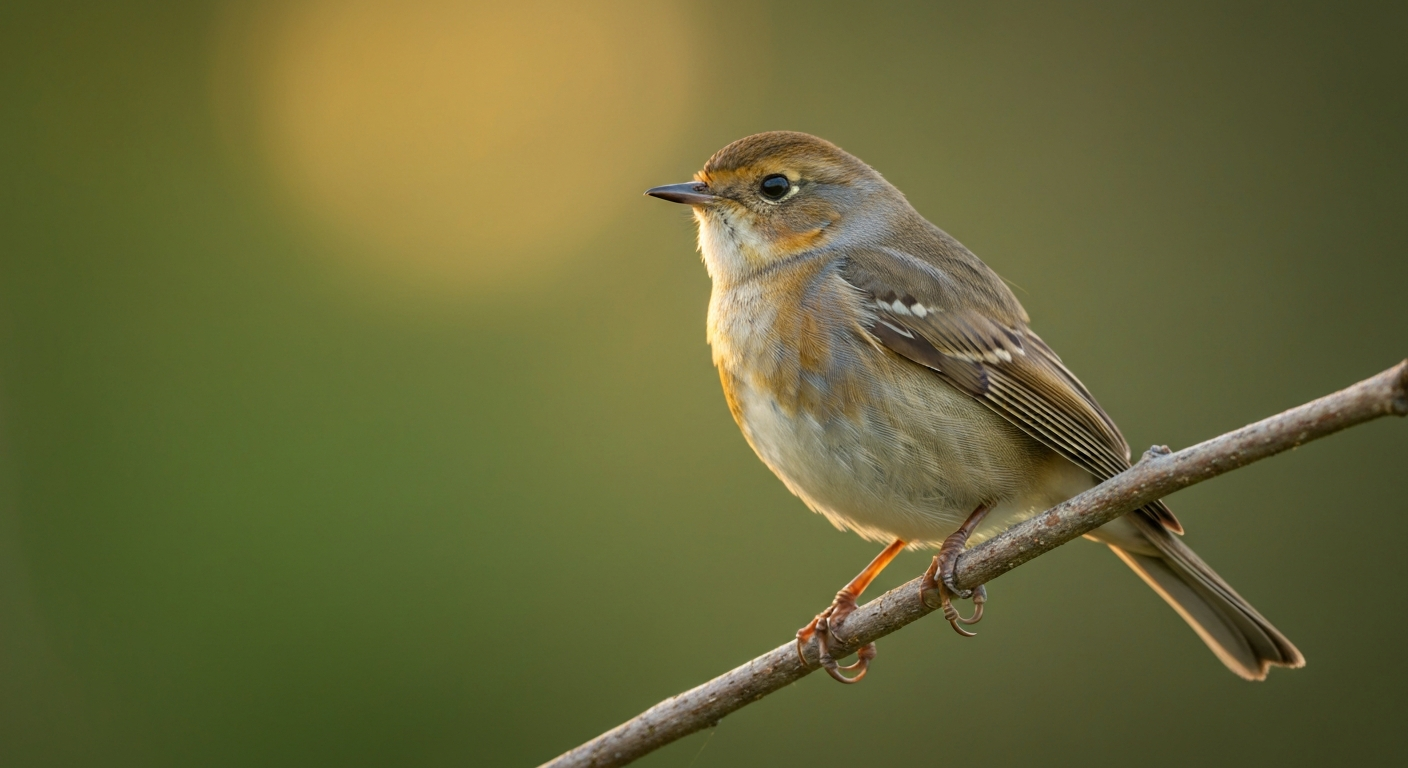
When someone searches 'phoebe bird meaning,' they're almost always asking about the Eastern Phoebe, a small brownish-gray flycatcher that returns to eastern North America in early spring and announces itself with a raspy two-note call that sounds exactly like its name: 'fee-bee. ' The bird has picked up loose symbolic associations with seasonal transition, calmness, and faithfulness, largely because of its predictable return each spring and its habit of nesting close to human structures.
Phoebe Bird Meaning: Symbolism and How to Identify the Bird

Marcus Whitley
6 May 2026
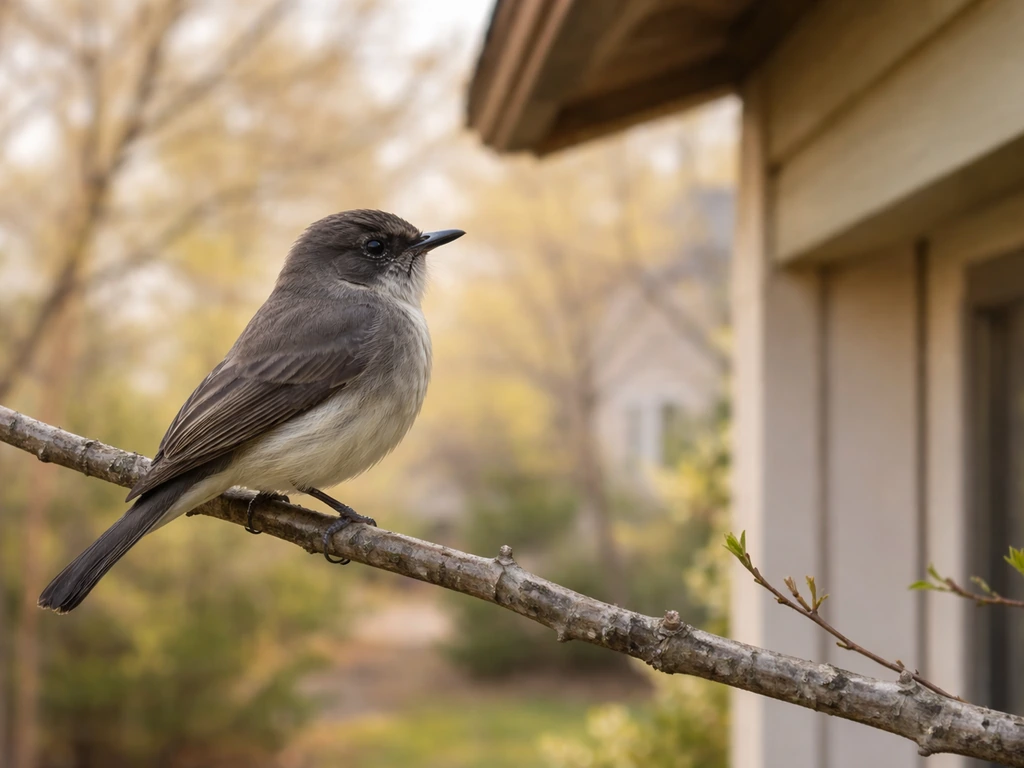
Whether you spotted one in your yard or stumbled onto a spiritual-meaning article, here's what you actually need to know. Mercury News notes that the name Phoebe is connected to the Eastern Phoebe bird’s call and meaning, which helps explain what people searching “phoebe bird meaning” are usually looking for.
If you still want the plain-language meaning, the Eastern Phoebe is the bird most people are referring to when they look up papiha bird meaning in english.
Which Phoebe bird people usually mean
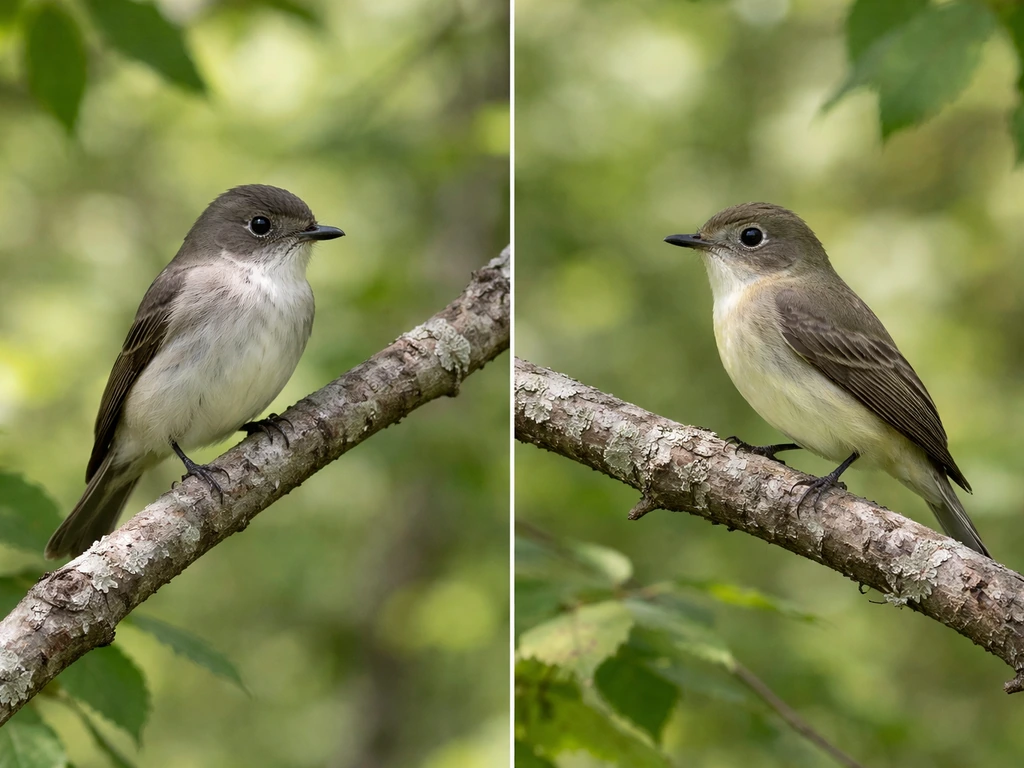
The word 'phoebe' covers a small group of flycatchers in the genus Sayornis, but in everyday usage, especially for anyone on the East Coast or Midwest of North America, it almost always points to the Eastern Phoebe (Sayornis phoebe). It's the most widespread and familiar of the three phoebe species, and it's the one most likely showing up in backyards, under bridges, and around farm buildings from March onward. The other two species in the genus are Say's Phoebe and the Black Phoebe, and while they're closely related, they live in very different places.
There's also a separate layer of meaning floating around the word 'Phoebe' itself. In Greek mythology, Phoebe was a Titaness whose name means 'bright' or 'pure,' derived from the Greek 'phoibos.' That etymology is why the name pops up in moon and oracle symbolism, and it's why you'll sometimes find 'Phoebe bird meaning' searches mixing in name-origin content alongside bird ID content. Because of that, some searches for opaline bird meaning get mixed in with Phoebe name-origin content. If you're specifically after the bird's symbolic meaning rather than a baby name explanation, the Eastern Phoebe is the animal you want to focus on.
Telling the three phoebe species apart
Location is your first and most useful filter. If you're east of the Great Plains, you're almost certainly looking at an Eastern Phoebe. If you're in the dry, open western states, Say's Phoebe is the likely candidate. If you're near a stream or pond in California or the Pacific Southwest, Black Phoebe is strongly associated with water edges and is easy to spot thanks to its crisp black-and-white coloring.
| Species | Range | Habitat | Key Visual Clue |
|---|---|---|---|
| Eastern Phoebe | Eastern and central North America | Wooded edges, bridges, farm buildings | Brownish-gray, no wing bars, all-dark bill |
| Say's Phoebe | Western North America | Open dry country, desert scrub | Buffy-orange belly, brownish-gray above |
| Black Phoebe | Pacific Coast and Southwest | Strongly tied to water edges | Black above, white below, sharp contrast |
For the Eastern Phoebe specifically, the field marks are pretty distinctive once you know what to look for. It's a small bird, around 5.5 to 7 inches long and weighing less than an ounce. The upperparts are brownish-gray, the underparts are off-white, and crucially, it has no wing bars and no eye ring. That last point separates it from Empidonax flycatchers, which look superficially similar but have obvious wing bars and eye rings. The Eastern Phoebe also lacks the prominent wing bars of the Eastern Wood-Pewee, another common lookalike. If you're still unsure, the tail-wagging clinches it: Eastern Phoebes pump their tails up and down almost constantly while perched, which no other common small flycatcher does as reliably.
What to listen for
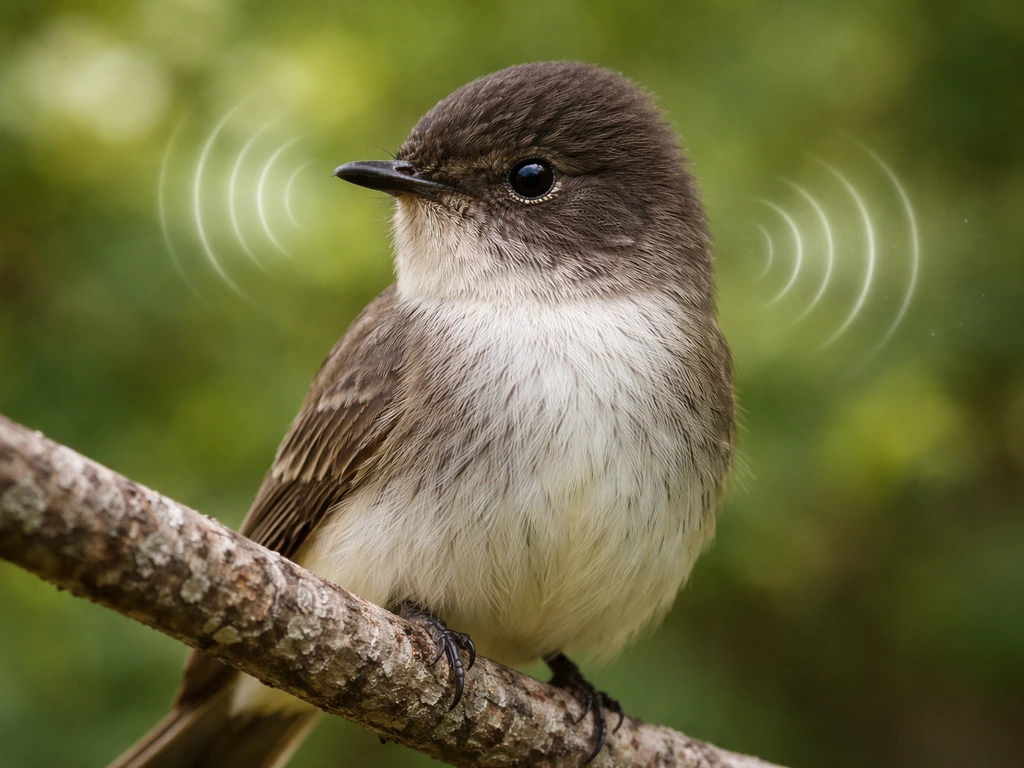
The Eastern Phoebe's song is a rough, whistled two-phrase sequence that sounds like the bird is saying 'fee-bee,' which is literally how it got its name. There's also a sharp 'tsip' call it uses frequently. If you hear that scratchy two-note song coming from a low perch near a porch, bridge, or barn, you're almost certainly listening to an Eastern Phoebe. It's one of the most self-identifying birds in North America.
What symbolism people attach to Phoebes
The Eastern Phoebe's symbolic associations mostly trace back to two real observable things: its early spring arrival and its comfort around people. In 1839, naturalist William Peabody described the bird as holding humans in general esteem and 'reposing confidence in man,' which captures how people have long perceived this bird. It nests under eaves, on bridges, in sheltered nooks close to human activity, which feels like trust or familiarity. That perception has fed into modern symbolic readings of the Phoebe as a bird of approachability, calm presence, and messenger energy.
Seasonal return is the other big one. Because Eastern Phoebes arrive as early as March, sometimes before most other migrants, they became associated with the promise of spring, new beginnings, and faithful return. The Virginia Bird Atlas describes the Eastern Phoebe as a welcome sign of spring for many observers, and that framing isn't just poetic license. The bird really does show up reliably early, and its song being one of the first seasonal sounds you hear gives it a genuine 'harbinger' quality that other birds simply don't have.
- Seasonal transition and new beginnings: tied directly to early spring arrival, sometimes as early as March
- Calm presence and approachability: rooted in the bird's real habit of nesting close to human structures
- Faithful return: the Phoebe often comes back to the same nest site year after year
- Vigilance and watchfulness: the tail-wagging and upright perching posture read as attentiveness to many observers
- Messenger or herald energy: its song as an early spring announcement makes it a natural symbol for news or change arriving
It's worth being clear that these are folk interpretations built on genuine behavioral observations, not conclusions from behavioral science. The tail-wagging, for instance, is a real and consistent behavior tied to how the bird hunts and perches. But interpreting it as happiness or emotional contentment isn't supported by any research. The National Park Service actually points this out directly, framing the tail-wagging as an identification feature rather than a mystical sign. That distinction matters when you're trying to separate legitimate cultural symbolism from inflated online claims.
Phoebe in language, names, and cultural references
The name 'Phoebe' carries weight outside ornithology entirely. As a Greek Titaness name meaning 'bright' or 'pure,' it feeds into moon goddess associations and oracular symbolism. When people search 'Phoebe bird meaning,' some of them are actually trying to understand what the name Phoebe signifies, and whether the bird connection is part of that story.
If you want the quickest answer, focus on what Eastern Phoebes mean symbolically, since that is what most people searching “opila bird meaning” are actually looking for 'Phoebe bird meaning'. If you're seeing the phrase “Phoebe bird meaning” and wondering whether it refers to symbolism or identification, this article breaks down both in plain terms. The short answer: the bird got its common name from the sound of its call, not from the mythological figure.
The two threads share a name but came from different directions.
In English-speaking popular culture, Phoebe is a widely used feminine given name, familiar from literature and television. That visibility means the name itself carries associations of brightness, friendliness, and approachability in many people's minds, which ends up feeding back into how they interpret the bird. If you're writing about a character named Phoebe or using 'phoebe' as a metaphor, the layered meaning is real, even if it's culturally constructed rather than etymologically direct.
Other birds in this symbolic tradition, like the hoopoe with its ancient Egyptian and Islamic symbolism, show how deeply specific birds can get embedded in both language and cultural identity over time. This matters because hoopoe bird meaning is often discussed alongside other birds with deep cultural symbolism.
Timing and behavior: where the 'meaning' actually comes from
Eastern Phoebes are among the earliest spring migrants in North America. Cornell's All About Birds records arrivals sometimes as early as March, and blank" rel="noopener noreferrer">New Hampshire Audubon notes that they typically show up in that state by mid-March, making them one of the first returning songbirds of the season. In Illinois, adults return in March and nesting runs from late April through early July, with one or two broods per year. This consistent, calendar-like predictability is what gives the bird its 'faithful return' reputation. It's not mystical; it's behavioral and seasonal in a very tangible way.
The nesting behavior adds another layer. Eastern Phoebes are what New Hampshire Audubon calls 'niche nesters,' meaning they build nests in small sheltered spaces that have a roof overhead but aren't enclosed cavities. Bridges, barn eaves, cliff overhangs, and porch structures are all classic Phoebe nesting spots. This close-quarters coexistence with humans is genuinely unusual among wild birds, and it's the behavioral root of the 'approachable' and 'trusting' symbolism that shows up in folk descriptions going back centuries.
How to verify what you actually saw
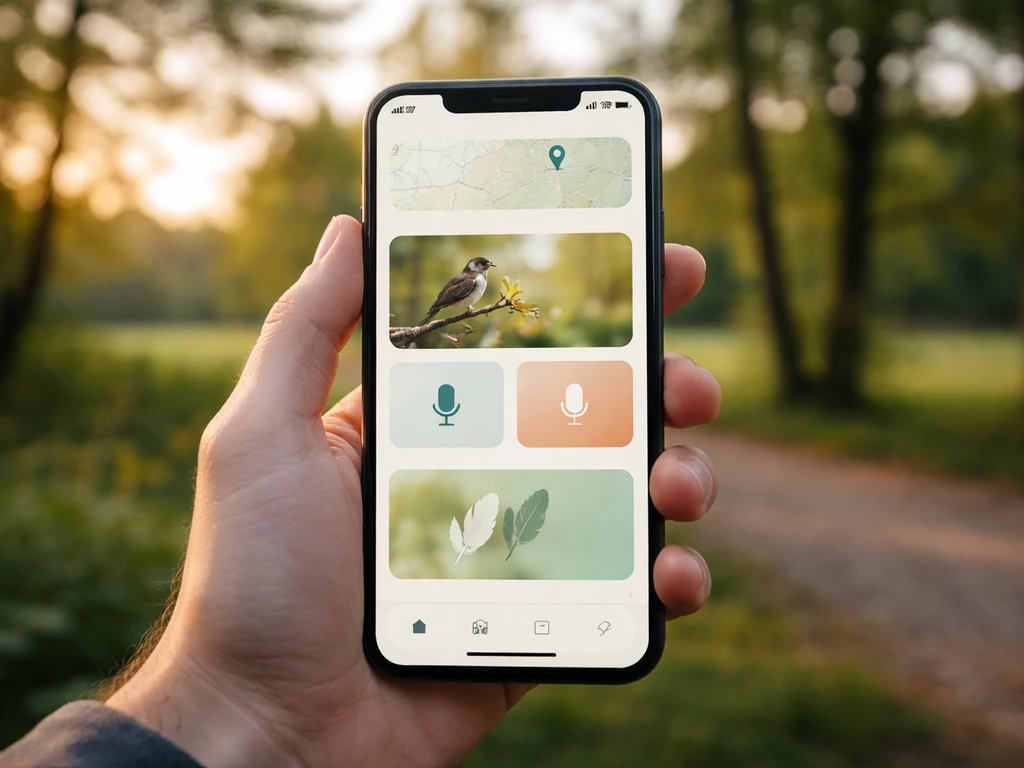
If you're trying to confirm whether the bird you spotted was an Eastern Phoebe (or a different phoebe species), the most reliable approach is to use Cornell's Merlin Bird ID app. You input your location and the date, then either describe the bird or use Sound ID to match the call. Merlin pulls from eBird's community-science database, which means its species predictions are weighted by what birds have actually been reported in your area at that time of year. That's a far more reliable method than looking at a photo and guessing.
- Download the Merlin Bird ID app (free from Cornell Lab of Ornithology)
- Enter your exact location and the date you saw the bird
- Use the ID wizard to input size, behavior, and color, or use Sound ID if you heard the call
- Cross-check the suggested species against the All About Birds range map for Eastern Phoebe
- Confirm the ID and save it to your life list with date and location for future reference
When you're reading about what the sighting 'means,' cross-referencing against All About Birds or Audubon's field guide entries gives you a grounded baseline for what's actually known about the bird's behavior. Cornell's framework for bird identification (size and shape, behavior, color pattern, and habitat) is worth applying before accepting any symbolic interpretation, because a lot of 'Phoebe bird meaning' articles are actually about a different bird that someone misidentified in the first place.
Watch out for these common mistakes
The biggest misidentification trap is confusing an Eastern Phoebe with an Empidonax flycatcher or an Eastern Wood-Pewee. Both look broadly similar (small, drab, brownish-gray flycatchers), but the Wood-Pewee has two visible wing bars, while the Eastern Phoebe has none. Empidonax species have eye rings and wing bars that the Phoebe lacks entirely. If someone is building a 'meaning' interpretation based on a bird they called a Phoebe but was actually something else, the entire symbolic framework collapses. Get the ID right first.
On the symbolism side, be skeptical of highly specific 'sign' claims that can't be traced to any cultural tradition. You'll find articles confidently stating that a Phoebe sighting means a specific message from a deceased relative, a career change is coming, or similar. These interpretations are invented, not inherited. Genuine folk and cultural symbolism around the Eastern Phoebe centers on spring return, approachability, and faithful nesting, and those themes are at least grounded in observable behavior.
The more specific and personal the 'sign' being claimed, the more likely you're looking at content generated to fill search results rather than anything with cultural roots. Compare this with birds like the shoebill or the potoo, which carry genuinely documented cultural symbolism in specific traditions. If you're curious about potoo bird meaning, look for the traditions and documented sources behind the claims instead of relying on one-off web interpretations.
The Eastern Phoebe's symbolism is real but modest, and that's actually more interesting than the inflated versions.
The honest summary is that the Eastern Phoebe is a genuinely compelling bird without any embellishment. It arrives early, sings its own name, nests next to your front door, and wags its tail while it watches you. That's more than enough to explain why people across centuries have found it meaningful. You don't need to add invented omens to make it interesting.
FAQ
If I saw a “phoebe” in winter, does that still count as an Eastern Phoebe meaning moment?
Eastern Phoebes are primarily early spring arrivals, so a winter sighting is usually a different bird or a misidentification. If you want to tie “meaning” to the bird, confirm timing and location first, then re-check the ID using size, lack of wing bars and eye ring, and the tail-wagging behavior.
How can I tell a Phoebe from an Empidonax flycatcher when the bird is too high to see details?
When you cannot see eye rings or wing bars clearly, rely on behavior and call rather than only appearance. Eastern Phoebes have a rough two-phrase song that sounds like “fee-bee,” and they tail-wag persistently from low perches. Use an app like Merlin Sound ID if you can record or capture the call.
Are “Phoebe bird meaning” signs like messages from a deceased relative legit?
Those very specific claims are not part of stable, long-running folk symbolism in the way “spring return” and “approachable presence” are. If an interpretation is intensely personal (career timing, death omens, guaranteed future events) and not traceable to broader traditions, treat it as internet invention rather than meaningful folk tradition.
Does the Phoebe symbolism change if I’m seeing Say’s Phoebe or Black Phoebe?
Yes, at least in practice. The article’s symbolic associations are tied most strongly to Eastern Phoebe’s early arrival patterns and nesting near human structures in the East and Midwest. Say’s Phoebe and Black Phoebe can still feel “meaningful,” but their habitats and schedules differ, so use them for identification and let symbolism stay general.
What should I do if my photo shows wing bars, could it still be an Eastern Phoebe?
Wing bars are a key exclusion marker for Eastern Phoebe. If you can clearly see wing bars, it is likely not an Eastern Phoebe, commonly pointing to lookalike flycatchers or pewees. Re-check under good light, and compare with a guide entry based on your exact location and date.
How reliable is the “fee-bee” call, and what if it sounds different?
The two-note, scratchy “fee-bee” style song is highly identifying for Eastern Phoebes, but distance and wind can distort sound. If the call quality differs, confirm with the accompanying sharp “tsip” and the tail-wagging while perched. Recording the audio and using sound ID reduces guesswork.
If the bird nests near my porch, what does that imply for “meaning”?
Nesting near eaves and sheltered human structures is real behavior, and that is what powers the “approachable, trusting” folk interpretation. For a practical takeaway, it also means the area may soon be active, so avoid closing doors or using noisy construction near the nest site during the nesting window.
Why do some search results mix up Phoebe bird meaning with name-origin content?
Because “Phoebe” can refer to multiple things: the bird, the Greek Titaness name meaning “bright” or “pure,” and a common feminine given name. If you want bird symbolism, filter your search by adding terms like “Eastern Phoebe” or “flycatcher,” and prioritize identification details over mythology.
Can I use a single observation to claim what the sighting “means” spiritually?
It is safer to keep interpretations modest. One sighting can confirm a real bird, but symbolic certainty requires caution. The most grounded themes come from repeated patterns you can observe, like early spring arrival, repeated tail-wagging from the same type of perch, and consistent nesting proximity to people.
What is the fastest checklist to confirm I actually saw the right bird before interpreting meaning?
Start with location and date (Eastern Phoebe is expected east of the Great Plains and early spring). Then check, no wing bars, no eye ring, brownish-gray upperparts and off-white underparts, and confirm the tail-wagging plus the “fee-bee” two-phrase song. If any core field marks conflict, pause the meaning story and verify again.
Next Article
Perching Bird Meaning in English: Definition & Examples
Perching bird meaning in English: definition, anatomy, perching vs perched, usage examples and cultural notes.