
When a bird is preening, it is grooming its feathers using its bill, feet, and head to keep every feather in working order. It is one of the most important things a bird does each day, and if you watch closely, you will notice it is not random fussing. Each movement has a purpose: realigning feather structure, spreading protective oil, removing dirt and parasites, and keeping the whole plumage in the condition needed for flight, warmth, and waterproofing.
Preening Meaning for Birds: What It Is and Why They Do It

Marcus Whitley
15 May 2026
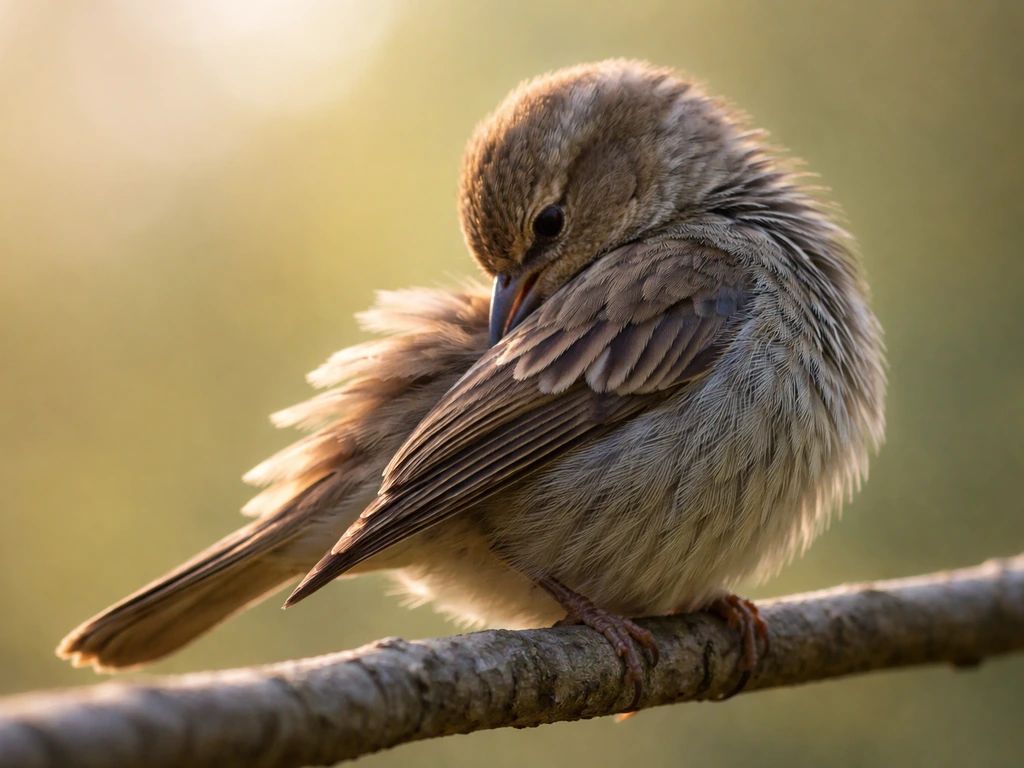
What "preening" actually means for a bird
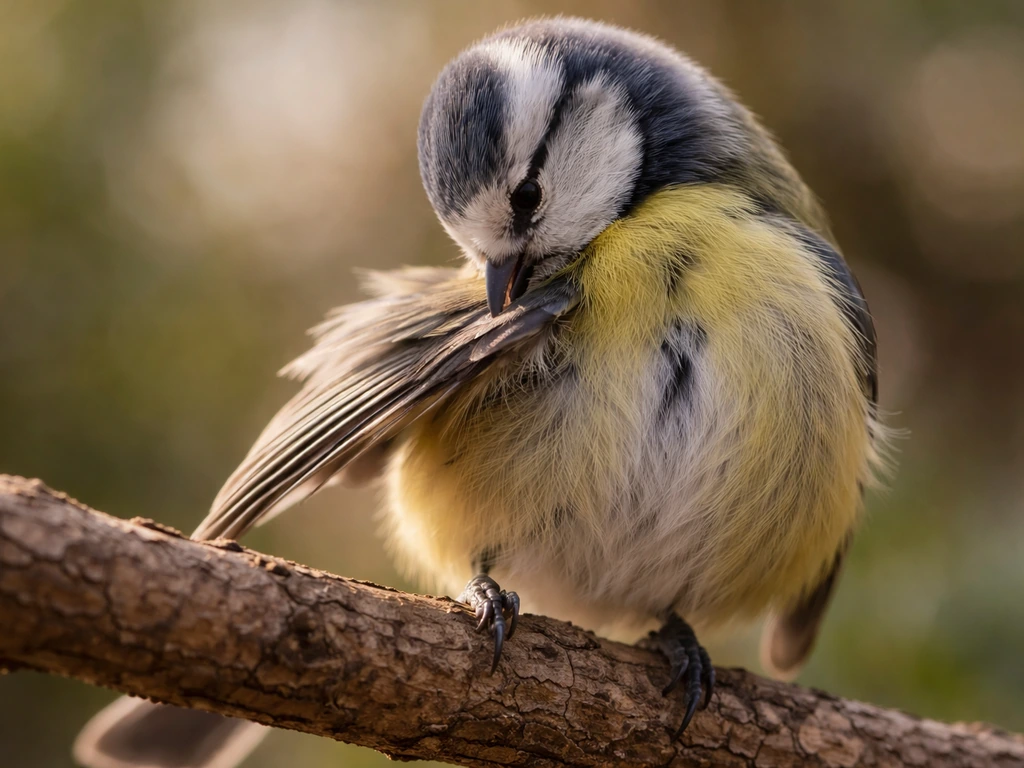
At its most basic, preening means feather maintenance. The preen meaning bird behavior is the same idea: keeping feathers in good condition through grooming. The word comes from the Middle English "preynen," which itself likely borrowed from the Old French "poroindre" (to anoint), which gives you a clue about one of its core functions: applying oil. For birds, preening covers everything from nibbling a single feather back into shape to a full-body grooming session that can last several minutes. You will sometimes see the term "preen" used as both a noun (the preen gland) and a verb (the act of grooming), so it shows up frequently in ornithology with those two slightly different meanings attached.
It is also worth knowing that preening is distinct from other grooming behaviors like dustbathing or waterbathing, though birds often do all of these in sequence. Preening is specifically the hands-on (or bill-on) manipulation of feathers and skin. If you are interested in related bird behaviors, the way a bird positions itself while watching its surroundings, or what it means when a bird is described as perched or perching, those behaviors all connect to the bird's overall daily activity cycle in interesting ways. If you are also curious about the perching bird meaning in English, it generally refers to a bird that is sitting on a branch or other surface while resting or watching its surroundings perched or perching. In other words, the perched bird meaning often points to a bird that is settled and balanced in a resting position, usually while observing its surroundings perched or perching.
What a preening bird is actually doing, body part by body part
Watch a bird preen for even a couple of minutes and you will see it cycling through specific body zones methodically. Most birds start by nibbling and running their bill through the feathers of the breast and belly, then working outward to the wings. Most birds preen by rubbing their bill and head over the preen gland pore, then spreading the accumulated oil over the body, wings, and the skin of the legs and feet (Britannica) blank" rel="noopener noreferrer">preen gland pore and spread the oil over the body and wings. For wing feathers, the bird typically grips the base of a feather in its bill and draws it all the way to the tip in a single smooth stroke. In a typical preening sequence, birds run the bill along specific feather regions from the base to the tip, which also helps remove debris and realign feathers blank" rel="noopener noreferrer">grips the base of a feather in its bill and draws it all the way to the tip. This is not just aesthetic tidying. Feathers are made up of interlocking barbs and barbules, the tiny filaments that hook together like velcro to hold the feather's shape. Flight, insulation, and waterproofing all depend on those hooks staying aligned. When feathers get ruffled, those connections break apart, and the bill stroke zips them back together.
The head and neck are trickier because a bird cannot reach them with its bill. Instead, it scratches the head with a foot, or in species that preen in pairs, a partner does that work. You will also see birds shake their feathers vigorously between preening strokes, which helps loosen debris before the bill picks it out. The feet and legs get attention too, usually with the bill nibbling along the scales and between the toes.
Why birds preen: the real functions behind the behavior
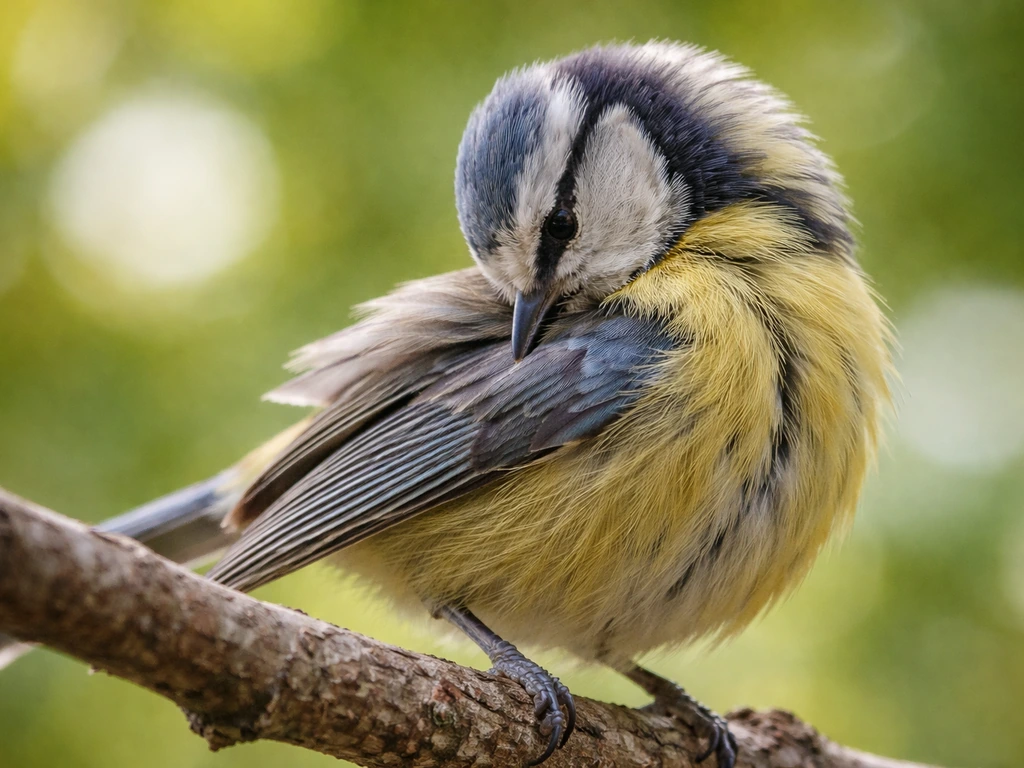
Preening is not one thing. It is several overlapping functions happening at the same time, which is part of why birds spend so much time doing it. Most species dedicate somewhere between 9 and 30 minutes a day to preening, though waterbirds like ducks and herons tend toward the higher end because waterproofing is critical to their survival.
- Feather realignment: The bill strokes restore the interlocking barbule structure that keeps feathers aerodynamic and insulating. A bird with broken, unzipped feathers loses flight efficiency and thermal regulation.
- Oil distribution: Most birds rub their bill over the uropygial gland (also called the preen gland), a small sebaceous gland at the base of the tail. They pick up a bead of oil on the bill and head, then spread it across the feathers and skin of the legs and feet. This oil conditions the feathers, adds waterproofing, and in some species may have antimicrobial properties.
- Parasite and debris removal: Preening dislodges feather lice, mites, and debris that accumulate during daily activity. The bill acts like a comb, pulling foreign material out of the feather structure.
- Comfort and thermoregulation: A well-preened coat traps air more effectively for insulation and sheds water more efficiently, both of which matter for a bird's energy budget.
- Social bonding (allopreening): Many species preen each other, a behavior called allopreening or mutual preening. This is common in parrots, corvids, doves, and various seabirds. It reinforces pair bonds and helps reach areas the bird cannot groom alone.
Healthy preening vs. abnormal preening: how to tell the difference
Most of the preening you will ever see is completely normal. But knowing what healthy looks like makes it much easier to spot when something is off, especially if you keep pet birds. The table below lays out the key differences.
| Feature | Healthy Preening | Abnormal / Excessive Preening |
|---|---|---|
| Frequency | Regular sessions throughout the day, typically 10–30 minutes total | Constant or near-continuous grooming that displaces eating and resting |
| Feather condition | Feathers look smooth, glossy, and aligned after grooming | Feathers look ragged, broken, or are visibly missing patches |
| Skin condition | Skin underneath is normal; no redness, wounds, or exposed areas | Skin is raw, red, bleeding, or visibly irritated |
| Target areas | Full body coverage in a methodical sequence | Obsessive focus on one spot; repeated return to the same area |
| Bird's demeanor | Relaxed posture; the bird looks calm and settled during grooming | Agitated, frantic, or self-interrupting; grooming seems compulsive |
| Social context | Bird still interacts normally; preening fits into a balanced daily routine | Bird is withdrawn, lethargic, or aggressive; preening is the dominant activity |
It helps to know that some level of increased preening is normal after a bird gets wet, dusty, or stressed by a brief event like a thunderstorm or the presence of a predator. That kind of spike usually resolves within an hour or two. What you are watching for is a sustained pattern over days, where the bird's plumage or skin is visibly suffering.
When to worry and what to do
For birdwatchers in the field
If you spot a wild bird preening, it is almost always a good sign. A bird comfortable enough to preen openly is not in immediate danger and is likely well-fed and relaxed. Shorebirds, waterfowl, and raptors preen extensively after bathing or feeding, so seeing a heron work through its plumage for ten minutes along a riverbank is textbook healthy behavior. If you see a wild bird with large bare patches of skin, visible wounds, or feathers that look chronically matted and broken (not just wet), it may be dealing with mites, lice, a skin infection, or nutritional deficiency. In those cases, contact a local wildlife rehabilitator rather than trying to intervene yourself, because wild birds stressed by handling can injure themselves further.
For pet bird owners
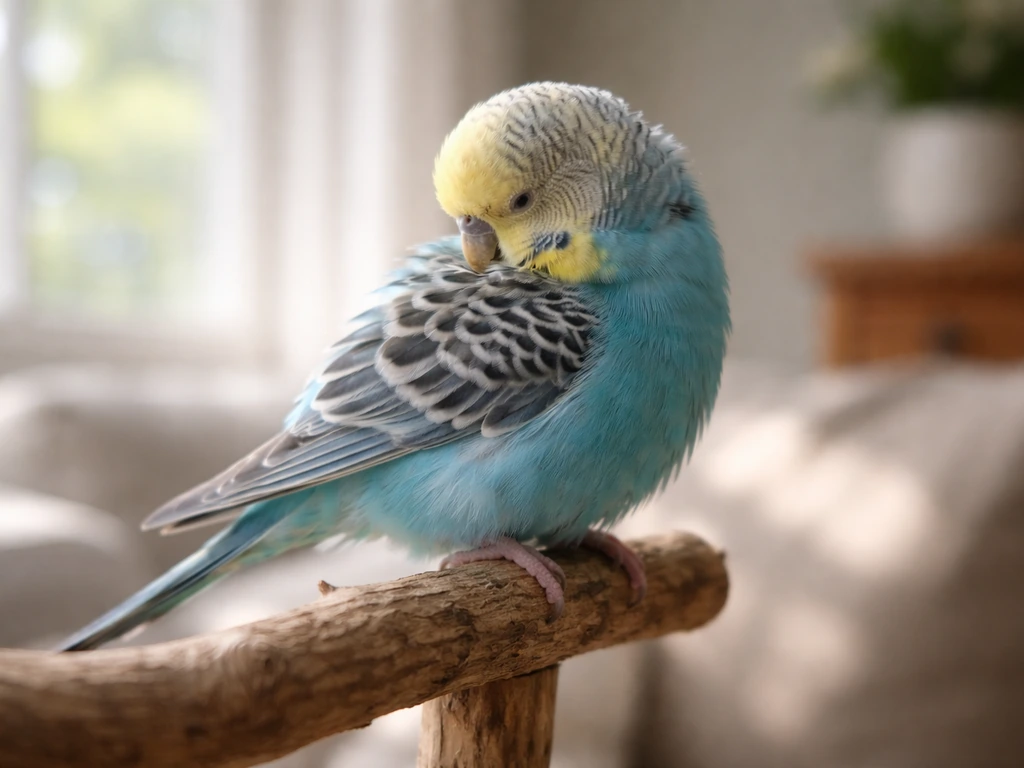
This is where the stakes are higher, because abnormal preening in captive birds is a well-documented welfare issue. The Merck Veterinary Manual describes a spectrum of feather destructive behavior that ranges from mild overpreening all the way to self-mutilation, and the progression can happen faster than owners realize. Parrots, cockatiels, and lovebirds are especially prone to feather-damaging behaviors when they are bored, lonely, or physically unwell.
If your bird is pulling out feathers, creating bald patches, or returning obsessively to the same spot, the first step is a vet visit with an avian specialist, not a general-practice vet. The causes are genuinely varied: external parasites (mites or lice), bacterial or fungal skin infections, nutritional deficiencies like low Vitamin A, allergies, liver disease, or psychological stress from environmental factors like isolation, boredom, or an unstable household. Treatment depends entirely on the cause, which is why diagnosis comes first. Do not assume it is behavioral without ruling out physical causes.
- Document the behavior on video if possible, noting when it happens and how long it lasts, before your vet visit.
- Check the bird's environment: humidity, temperature, light cycles, cage size, and social interaction time all influence preening behavior.
- Look at the diet. Many captive birds are underfed on nutrients found in fresh vegetables, leading to skin and feather problems that show up as abnormal grooming.
- Never use topical treatments, sprays, or anti-feather-picking collars without veterinary guidance, as these can mask symptoms or cause additional stress.
- If the cause is behavioral, environmental enrichment, foraging toys, and increased out-of-cage time are typically part of the management plan.
How "preening" moved from birds into everyday language
Here is where the bird behavior connects to language and culture, which is really what makes the word interesting beyond ornithology. When you say someone is "preening," you mean they are admiring themselves, adjusting their appearance with obvious self-satisfaction, or performing their attractiveness for an audience. In the same way, peering bird meaning can relate to how birds communicate and present themselves as they look around. It is almost always used with a slightly critical or ironic edge. You would not say your friend "preened" before a job interview as a compliment; you say it when the self-admiration is a bit excessive or vain.
The metaphor maps directly onto what the bird is doing. A bird preening before a potential mate is very much a performance: feathers smoothed, plumage displayed, everything arranged to look its best. When we borrow that image for humans, we are drawing on the same idea of deliberate, visible self-presentation. The phrase "preening in the mirror" is probably the most common everyday usage, capturing someone who cannot stop checking and adjusting their own reflection. Politicians who love the camera are often described as preening for the press. A CEO making a triumphant public speech might be said to preen in front of shareholders.
There is also a softer usage that is closer to satisfaction than vanity. You might hear "she preened with pride" after a child's recital, meaning she glowed and basked in the reflected credit. In this sense, the bird image softens a little: it is less about appearance and more about the quiet pleasure of feeling good. Context usually makes it clear which shade of meaning the speaker intends.
Interestingly, the literal bird behavior and the human metaphor are closer than they first appear. Birds do not preen just for hygiene: they also preen to signal fitness, establish social status, and attract mates. The behavior is simultaneously functional and communicative. When humans "preen," they are doing something structurally similar: adjusting their presentation to manage how others perceive them. Language borrowed the word because the analogy is genuinely apt, not just poetic.
FAQ
How can I tell normal preening from overpreening in my pet bird?
Preening meaning in birds is generally the feather-grooming behavior, but context matters. If you are watching a pet bird, normal preening includes smooth repositioning and occasional pauses, while abnormal preening looks like repeated targeting of the same spot, rapid feather chewing, or visible bald patches developing. That repeated, escalating pattern is your main clue it is more than routine grooming.
Is it normal for birds to preen more after rain, bathing, or stress?
A brief increase after bathing, getting wet in rain, or going through a stressful event is usually temporary and should calm down within about an hour or two. If the bird stays ruffled, has worsening feather breakage, or continues to focus on the same areas day after day, treat it as a potential health or welfare issue rather than a normal response.
What if a bird seems to be preening but can’t reach certain areas?
If a bird seems to be preening but cannot reach parts of its body, the behavior may be limited grooming due to physical factors (injury, arthritis, weight issues) rather than “just grooming.” Watch whether it can still preen freely elsewhere; if it avoids or cannot access certain regions, a vet check is especially important.
Why does a bird use its feet on its head or neck instead of its bill?
Preening happens differently depending on body access and species. Birds often use the bill for most feather work, but the head and neck may require scratching with the foot, and some social species preen each other in pairs. So, limited head reaching with the bill is not automatically a problem.
How is preening different from dustbathing or waterbathing?
Dustbathing or waterbathing can loosen debris and loosen parasites, but it is not the same as preening because the “bill-on-feathers” step is what realigns barbs and spreads protective oils. You can see both in sequence, but preening should follow as the more precise feather-structure fix.
What should I look for when feathers look messy, wet, or clumped?
Feathers look “messier” when connections between barbs and barbules are disrupted, but wet feathers can also look clumpy temporarily. A key distinction is whether the bird returns to normal sleekness after drying and grooming, versus staying chronically matted, with broken shafts or persistent bare areas.
If I see a wild bird preening, when is it a good sign versus a warning sign?
In the wild, open, regular preening usually signals comfort and good condition, especially when the bird is also feeding and moving normally. If you see preening combined with obvious wounds, large bare skin patches, lethargy, or an inability to resume normal behavior, consider it a health concern and avoid handling unless directed by a wildlife professional.
My pet bird is plucking feathers, what should I do first?
For captive birds, you should not wait if feather damage is progressing. The safest first step is an avian-experienced veterinarian because causes range from parasites and infections to nutritional deficiencies and stress-related feather destructive behavior. Treating “as behavior” without ruling out medical causes often delays the real fix.
Does targeted feather chewing always mean it is not normal preening?
If the bird keeps returning to the same spot, especially chewing or pulling rather than careful smoothing, it can indicate feather destructive behavior. Even if it also shows occasional normal grooming, the repeating targeted area pattern is what supports a need for diagnosis.
When people say someone is “preening,” does it always mean vanity?
“Preening” as a human metaphor is usually about visible self-presentation, and in everyday speech it often carries a mild critical or ironic tone when someone seems overly focused on appearance or attention. If you are unsure, look for cues like audience, cameras, or excessive adjusting behavior.
Next Article
Huma Bird Meaning: What Huma Symbolizes and Why
Discover hva the huma bird meaning is, possible origins, symbolism in folklore, and how to confirm the right usage.