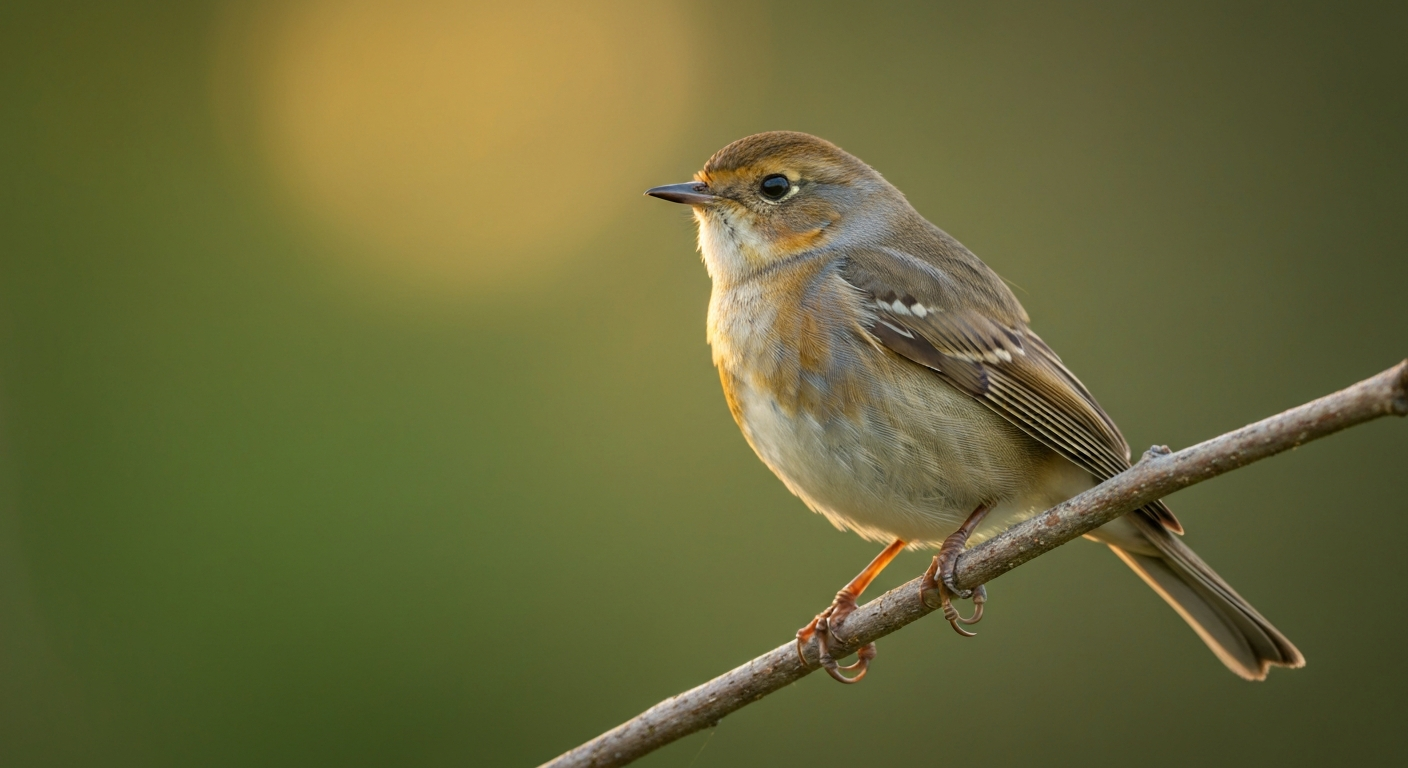
The "bird" in the famous G. I. Jane quote is not a specific named species. It refers to a generic small bird, used as a symbol of stoic endurance in nature.
G.I. Jane quote bird meaning explained in context
Marcus Whitley
4 May 2026
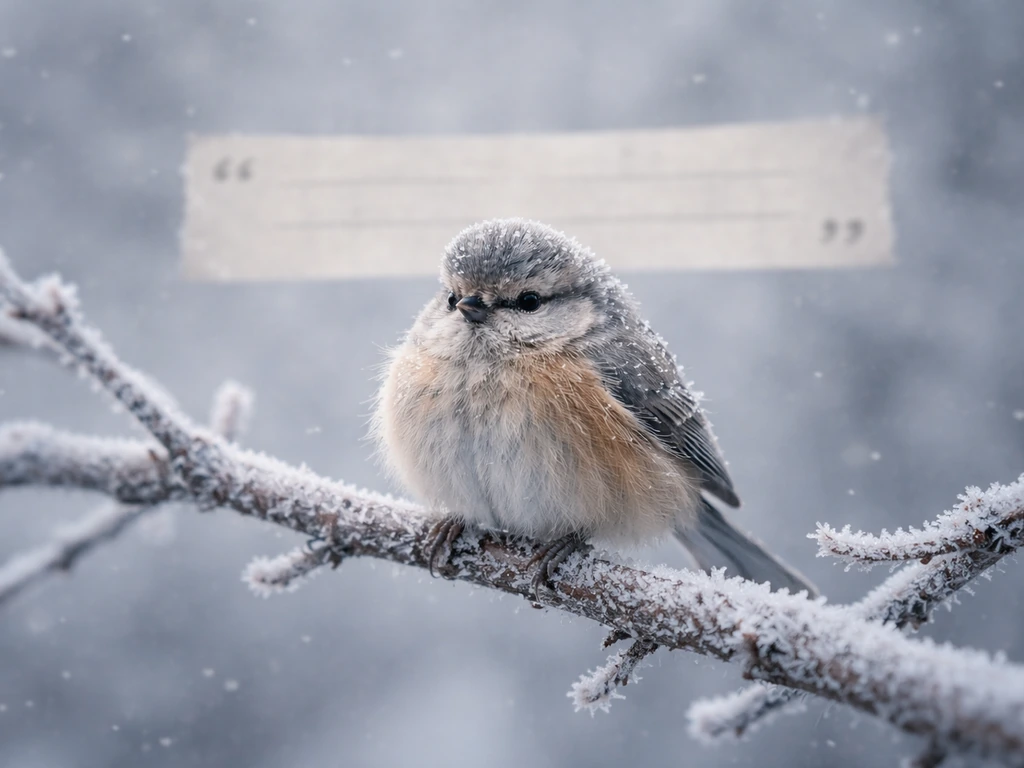
The exact line, spoken by Master Chief John Urgayle in the 1997 film, comes directly from D. H. Lawrence's short poem "Self-Pity": "A small bird will drop frozen dead from a bough / without ever having felt sorry for itself. " In the film, the wording circulates slightly differently as "A bird will fall frozen dead from a bough, without ever having felt sorry for itself", but the source poem and the core meaning are identical.
The bird is not a hawk, not a sparrow, not a dove. It is deliberately unnamed, because the whole point is that it stands in for all of wild nature.
What "G.I. Jane" and "bird" actually refer to here
If you searched this phrase, you might have wondered whether it comes from the 1997 Ridley Scott film starring Demi Moore, a real military speech, or some other pop culture moment. It is the film. G. I.
Jane (1997) follows Jordan O'Neil, the first woman to attempt Navy SEAL training. The "bird" quote is delivered by the antagonist-turned-reluctant-mentor, Master Chief John Urgayle (played by Viggo Mortensen), and it appears early in the film around the 21-minute mark.
Urgayle is not composing the words on the spot. He is reciting a real poem by the English novelist and poet D. H. Lawrence (1885–1930), titled "Self-Pity.
" That poem is only four lines long, and the bird appears in the final two. So when people share the "G. I. Jane bird quote," they are really sharing a D.
H. Lawrence poem that the film borrowed and made famous.
The exact line and where it sits in the film
The poem Lawrence wrote reads, in its original form: "I never saw a wild thing / sorry for itself. / A small bird will drop frozen dead from a bough / without ever having felt sorry for itself. " That is the complete poem. In G.
I. Jane, the dialogue version follows the same structure but with a minor wording shift that spread widely through movie quote databases and mainstream press coverage. The version most commonly cited in sources like MovieQuoteDB and CBS News reads: "I never saw a wild thing sorry for itself. A bird will fall frozen dead from a bough, without ever having felt sorry for itself.
" The two differences are small: "small bird" becomes "bird," and "drop" becomes "fall. " Neither changes the meaning. The screenplay text on IMSDb also contains additional "bird" references in nearby scene dialogue, which is where some confusion comes from when people compare script versions against subtitle transcripts. For the iconic quote, both sources point to the same Lawrence passage.
What the bird literally is (and is not)
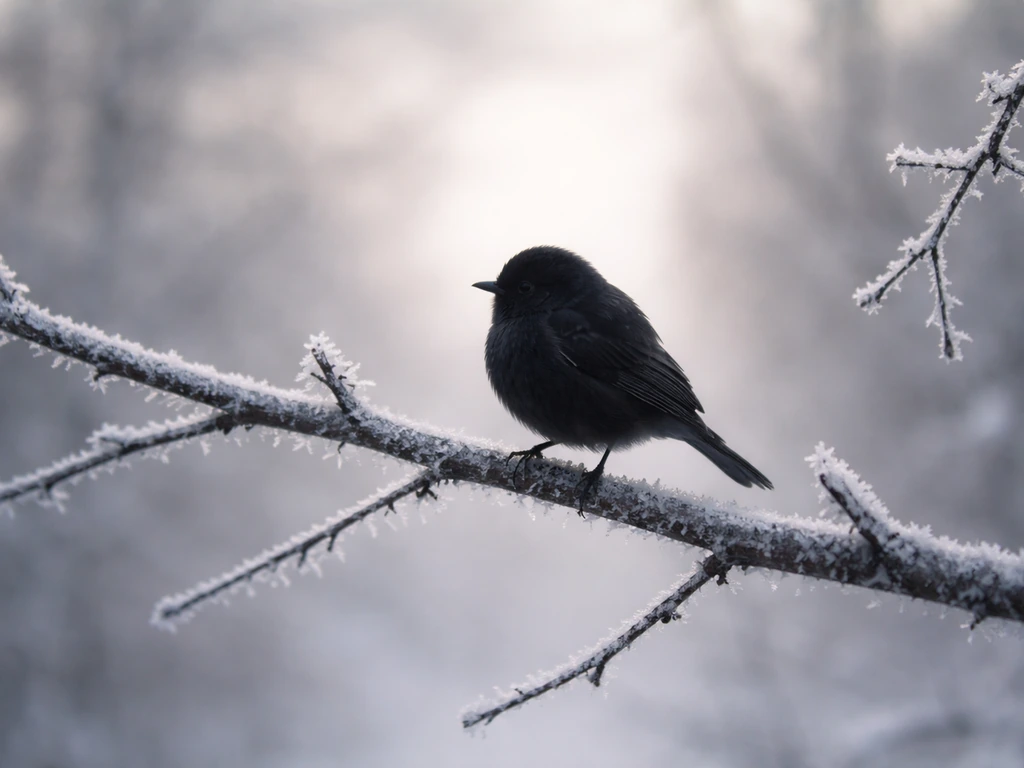
Lawrence chose not to name the bird, and that choice is deliberate. It is not a robin, not a sparrow, not an eagle. It is described only as "small," which immediately strips away any heroic or powerful associations. A small, unnamed bird freezing to death on a branch in winter is about as ordinary and unglamorous as a natural death can be.
The specificity stops there on purpose. If Lawrence had written "a sparrow" or "a finch," readers would start thinking about sparrows or finches instead of the idea he is driving at. By keeping the bird generic, he turns it into a universal symbol rather than a particular creature. This is a common move in poetry and fable: the vaguer the animal, the more it can carry as a stand-in for an idea.
What the bird means metaphorically
The bird in this quote is doing heavy metaphorical work. The painted bird meaning is essentially about how an unnamed creature can stand in for a bigger idea, like endurance without self-pity. It represents wild, unselfconscious nature: living things that experience hardship, cold, and death without narrating their own suffering to themselves or others. The bird does not cry out, does not lament, does not ask "why me." It simply falls. Lawrence wrote the poem as a rebuke to self-pity, the human tendency to dwell on personal misfortune. The bird is the counter-example: it suffers the most extreme outcome (freezing to death) and does so without complaint or drama.
In G.I. Jane, Urgayle uses the quote in the context of military training, where physical suffering is constant and self-pity is treated as weakness. The bird becomes a model of stoic endurance. It is not celebrated for bravery (it does not choose to face the cold heroically). It simply does not indulge in self-narrated misery. That is the standard Urgayle is implicitly setting for the recruits: not heroics, just the absence of self-pity. The film's use of the quote is shrewd because it does not come from military tradition at all. It comes from a Romantic-era English poet, which layers the scene with an unexpected cultural depth.
Bird symbolism that fits this context
The way Lawrence uses the bird fits squarely into one of the oldest streams of bird symbolism in Western literature: the bird as a creature of pure instinct, untouched by human psychology. In this tradition, birds do not rationalize, strategize, or feel sorry for themselves. They simply live and die within the natural order. This is distinct from other symbolic uses of birds, where they represent the soul (doves, white birds ascending after death), freedom (any bird in flight), or divine messengers (ravens in Norse myth, ibis in Egyptian tradition). The Lawrence bird belongs to the "unselfconscious nature" category, and that framing shows up across Romantic and modernist literature.
This is worth comparing to how other bird-in-literature contexts work. A "pretty bird" phrase, for example, carries connotations of being decorative, caged, or spoken to rather than acting independently. A quick “pretty bird” poem meaning check can clarify why the label feels decorative while Lawrence’s bird is stripped of charm and used as a rebuke.
If you are asking what “pretty bird jhene aiko meaning” is trying to get at, the key idea is the same: it is about avoiding self-pity and accepting discomfort without melodrama. In this context, the phrase "pretty bird" meaning is more about decorative, observed beauty than about selfless stoicism pretty bird meaning. The painted bird, as a literary symbol, often signals an outsider marked for persecution. Lawrence's anonymous frozen bird is none of those things.
It is active until it is not, and it asks nothing of anyone. The symbolic contrast is sharp: pretty birds are observed and admired by humans, while Lawrence's bird is indifferent to human observation entirely. Pretty bird meaning is often about observation and admiration, which contrasts with the unnamed bird in “Self-Pity.”. That indifference is the whole point.
In idiom and everyday English, "bird" has a wide range of meanings, from British slang for a person (often a woman, sometimes affectionately) to aviation slang for an aircraft. None of those usages apply here. When the word appears in a literary or poetic context alongside words like "bough," "frozen," and "wild," it is operating in its direct, natural sense: a small flying creature. The poem activates natural imagery, not slang.
How to verify the exact wording and use the quote correctly
There are a few reliable ways to pin down the correct version of this quote depending on what you need it for. You can verify the authoritative wording of Lawrence’s “Self-Pity” by using the RPO “poems” index search by title or poet.
- For the original poem: Search "D.H. Lawrence Self-Pity poem" and check the University of Toronto's Representative Poetry Online (RPO) database or any established literary archive. The original wording is "A small bird will drop frozen dead from a bough."
- For the film version: The G.I. Jane screenplay is available on IMSDb and Scripts.com. The Fandom wiki for G.I. Jane also hosts a scene-by-scene transcript. Cross-referencing these against subtitle files will show you the spoken variant ("A bird will fall frozen dead from a bough").
- For mainstream citation: CBS News and similar outlets quote the "fall" and "bird" version, which is the wording most widely recognized in popular culture. If you are citing the film, use that version. If you are citing Lawrence, use "small bird" and "drop."
- For scene context: The quote appears approximately 21 minutes into the film. Urgayle delivers it in a group setting directed at the trainees, establishing his philosophy early. Knowing the scene placement helps when you want to discuss its narrative function rather than just the words.
Quick reference: original poem vs. film dialogue
| Version | Wording | Source |
|---|---|---|
| D.H. Lawrence original | A small bird will drop frozen dead from a bough / without ever having felt sorry for itself | "Self-Pity" (1929) |
| G.I. Jane film (widely cited) | A bird will fall frozen dead from a bough, without ever having felt sorry for itself | G.I. Jane (1997), approx. 00:21:15 |
| Opening line (both versions share) | I never saw a wild thing sorry for itself | Same in both |
Applying this meaning when you encounter similar phrases
When you run into a "bird" reference in a quote, film line, or literary passage and you are not sure what it means, start by asking two questions: Is the bird named? And what is the bird doing? In the Lawrence/G.I. Jane case, the bird is unnamed and it is dying quietly. That combination signals a symbol of stoic, unconscious endurance. A named bird doing something dramatic (a raven speaking, a dove descending at a baptism) is usually operating in a different symbolic register entirely, often tied to specific cultural or religious traditions. An unnamed bird doing something ordinary or suffering without protest is almost always pointing at the same thing Lawrence pointed at: nature's indifference to self-pity.
If someone quotes the G.I. Jane line at you in conversation or you see it on a motivational post, the intended message is almost always: stop feeling sorry for yourself and get on with it. The bird is not inspiring because it is brave. It is inspiring (or challenging, depending on your perspective) because it does not have the option of self-pity. That is a different, harder claim than most motivational quotes make, and it is worth sitting with. Whether you find it useful or coldly dismissive of real suffering depends entirely on context, but knowing what the bird means makes it possible to actually engage with the idea rather than just nod along.
FAQ
Is the “bird” in the G.I. Jane quote supposed to be any specific type of bird (like a sparrow or dove)?
No. In both the poem and the film’s dialogue, the bird is intentionally generic. That choice keeps it from pulling you toward a particular species with its own symbolism, the focus stays on the contrast between hardship without self-pity.
What should I take away if someone uses the quote for motivation but ignores the poem’s target (self-pity)?
The quote is aimed at dwelling on personal misfortune, not at physical toughness for its own sake. If the context is about enduring pain, it fits the film, but if it’s used to dismiss legitimate distress or mental health struggles, it often turns into a misleading slogan.
Why do I see different versions of the line online, with “drop” versus “fall” and “small bird” versus “bird”?
Those differences are minor wording shifts between the poem text and the film dialogue variants that spread through quote databases and transcript sources. The meaning stays the same because the bird remains unnamed and the action still describes dying without complaint.
Does the bird symbolize bravery, heroism, or sacrifice in the G.I. Jane scene?
Not really. The bird is not framed as choosing suffering, it’s framed as suffering without self-narration or protest. So the symbolism is more about the absence of self-pity than about heroic agency.
If the film quote is used in a military training context, is the message “be tough” or “don’t feel anything”?
The quote is closer to “don’t indulge self-pity,” it does not literally teach that feelings should be shut off. A practical way to interpret it is, acknowledge discomfort if it’s real, then stop making it the center of the story and keep moving.
How can I quickly verify whether a “bird” line I found is related to the G.I. Jane quote and Lawrence’s poem?
Check two things: whether the bird is unnamed (generic) and whether the wording describes an uncomplaining death from a branch in cold conditions. If it names the bird or shifts into religious, spiritual, or moral imagery like a messenger dove, it’s likely a different symbolic tradition.
Is the quote ever misread as meaning “nature has no feelings, so humans should also not suffer”?
That’s a common overreach. The poem uses the bird as a counterexample to self-pity, it is not a scientific claim about whether living things feel. In human terms, the more accurate takeaway is about how people respond to hardship and story-making, not whether suffering is valid.
What’s the difference between the poem’s full line and the shorter “G.I. Jane” quote people memorize?
The widely shared film line usually compresses the poem by swapping a couple of words and, at times, omitting surrounding phrasing that clarifies the overall rebuke. If you want the most precise meaning, it helps to compare with the poem’s complete four-line structure.
Next Article
Perching Bird Meaning in English: Definition & Examples
Perching bird meaning in English: definition, anatomy, perching vs perched, usage examples and cultural notes.