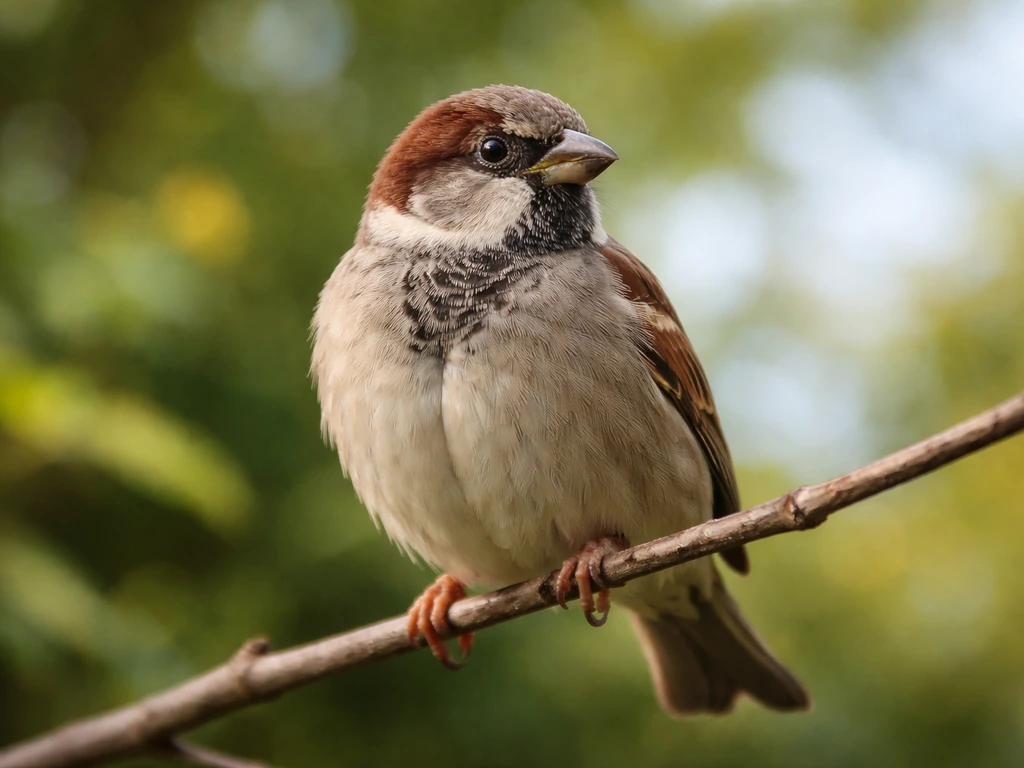
When someone searches 'stork bird meaning,' they're almost always looking for one of two things: what the stork actually is as a bird, or what it symbolizes, and the answer to the second question is nearly always birth, new life, good luck, or the arrival of spring. The stork is a large, long-legged wading bird with black and white plumage and a heavy beak, famous for nesting on rooftops across Europe. In everyday symbolic language, it stands most strongly for the arrival of a baby, but depending on the context, it can also signal good fortune, domestic happiness, seasonal change, or a hopeful homecoming.
Stork Bird Meaning: Symbolism, Sayings, and Context

Marcus Whitley
24 Apr 2026
What 'stork' actually means (and why 'stork bird' sounds a bit redundant)
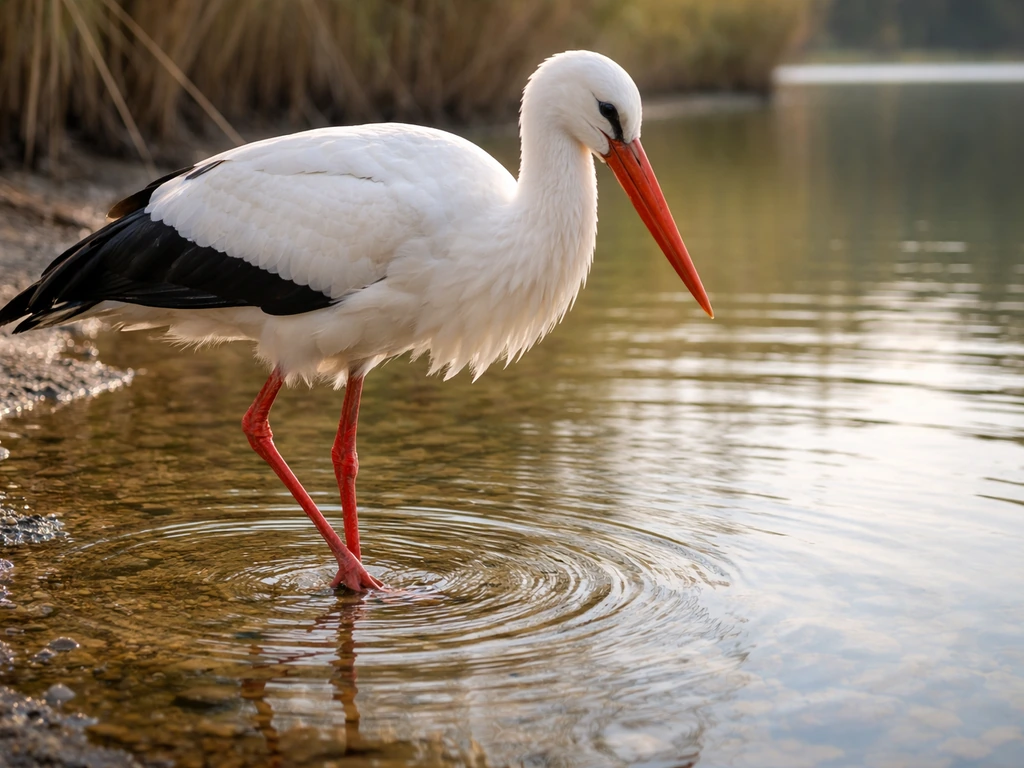
The word stork already names a specific bird, so technically adding 'bird' afterward is redundant, like saying 'robin bird' or 'eagle bird.' You wouldn't normally hear someone say 'a stork bird' in everyday conversation. But people type it that way when searching because they want to make sure they're talking about the animal and not a brand name, a slang term, or something else entirely. It's search behavior, not grammar.
The bird itself is well defined: a large wading bird, typically black and white, with long legs, a long neck, and a long beak. White storks in particular live near water, walk through shallow areas to find food, and are famous for building enormous nests on top of chimneys, rooftops, church towers, and pylons across Europe and parts of Asia. They migrate to Africa in autumn and return to their nesting sites in late March or early April, which is part of why their arrival became so loaded with seasonal meaning. By the end of March and start of April, the Danish Bird Migration Atlas says the birds have returned to their breeding sites By the end of March and start of April the birds have returned to their breeding sites. When they show up on a rooftop, spring has officially started.
What storks symbolize across cultures
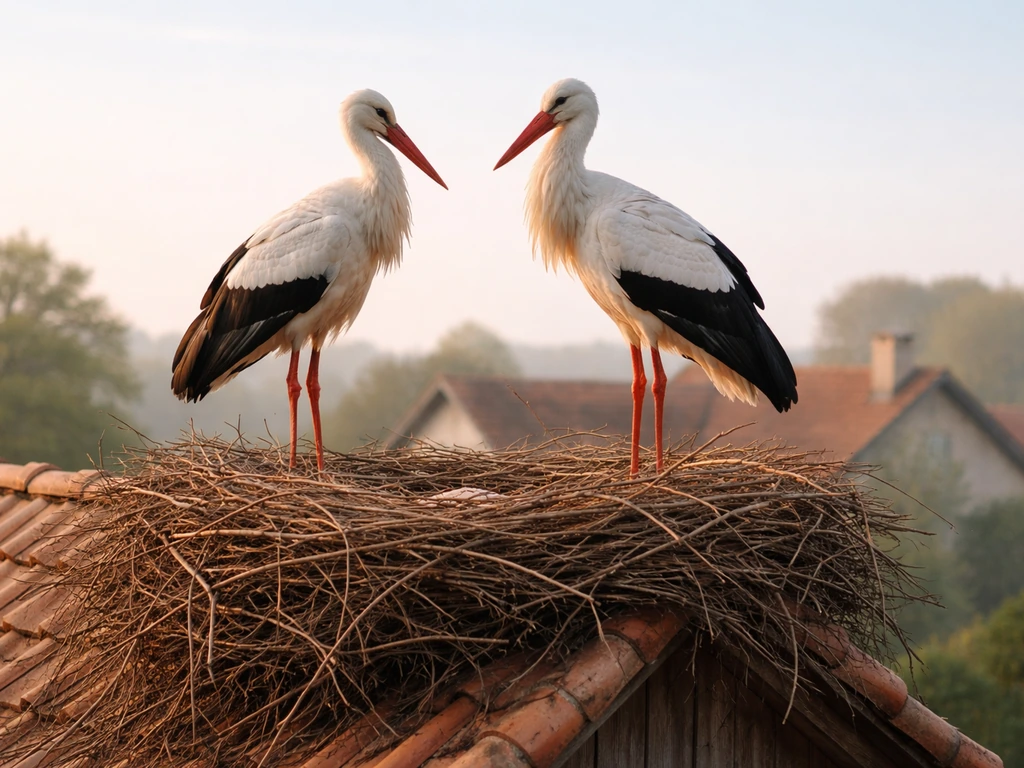
Stork symbolism isn't just one thing. It clusters around a few major themes depending on where you look, and understanding which tradition you're drawing from helps clarify what a particular use of the word actually means.
Birth and parenthood
This is by far the most widely recognized meaning in modern English-speaking culture. The idea that storks deliver babies is rooted most firmly in German and northern European folklore, particularly in Germany and Norway. The mechanism of the myth was convenient: storks nested on family homes, they appeared in spring when new life was everywhere, and their sheer size and dramatic presence made them feel significant. Over time, the 'stork brings the baby' story became a gentle, child-friendly explanation for where babies come from, and it stuck hard enough that it's still printed on greeting cards today.
Good luck and household protection
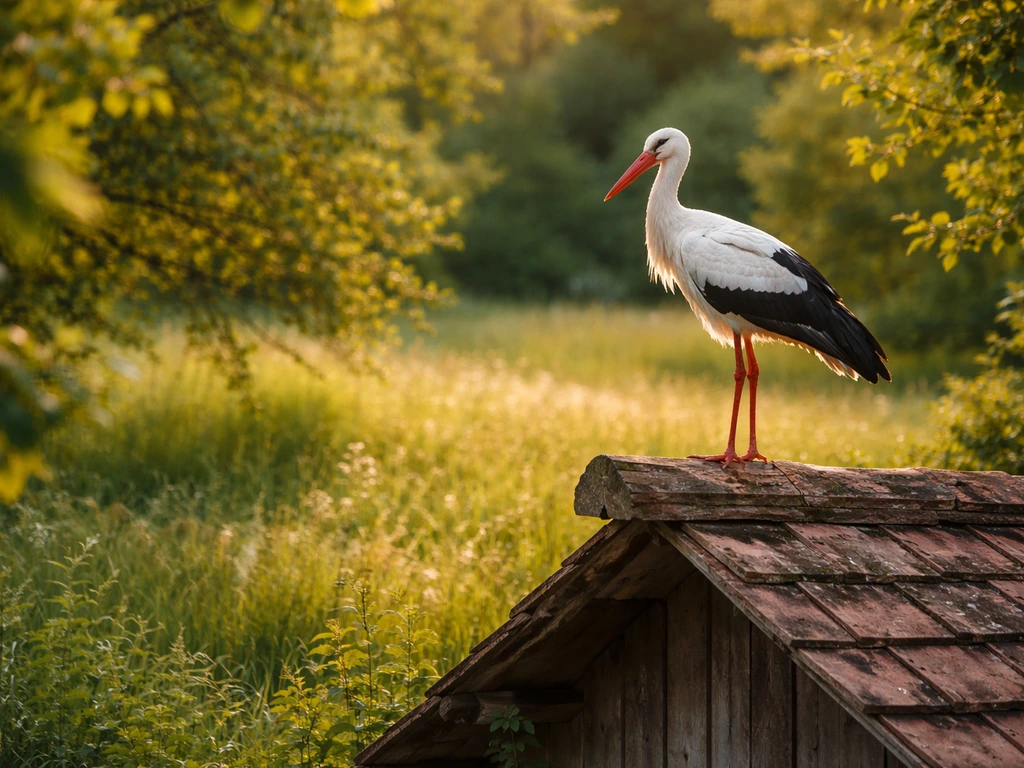
Across Central and Eastern Europe, having a stork nest on or near your home was considered genuinely lucky. The 1911 Encyclopaedia Britannica noted that travelers in Denmark, Holland, and Germany would find households that actively prized a nesting stork, attributing good luck to whichever home it chose. In Poland, this belief ran deep enough that families would build wooden platforms on their rooftops or near telephone poles specifically to attract storks and keep them close. BirdLife International documents another layer of this: a stork's nest was believed to protect a house against fire. That's not just symbolic good vibes, it was a specific material benefit people attributed to the bird's presence.
Seasonal change and homecoming
In Slavic pagan belief, storks were thought to carry unborn souls from a mythical warm-weather realm called Vyraj to the earth each spring and summer. In the Iriy (Vyraj/Irij) entry on Wikipedia, some folk traditions describe “traces of reincarnation” in which a soul returns to the womb of a pregnant woman “carried by a stork or nightjar.”. That belief directly tied storks to seasonal arrival and renewal rather than just individual births. The migratory pattern reinforced this perfectly: storks disappear in the cold months and return right as the land warms up. Polish ethnographic records even include an omen tied to this return. If you spotted the first stork of the year coming back in spring, it was said to predict a happy year ahead, or in some versions, that you'd be taking a journey or moving house before the year was out.
Domestic harmony and family happiness
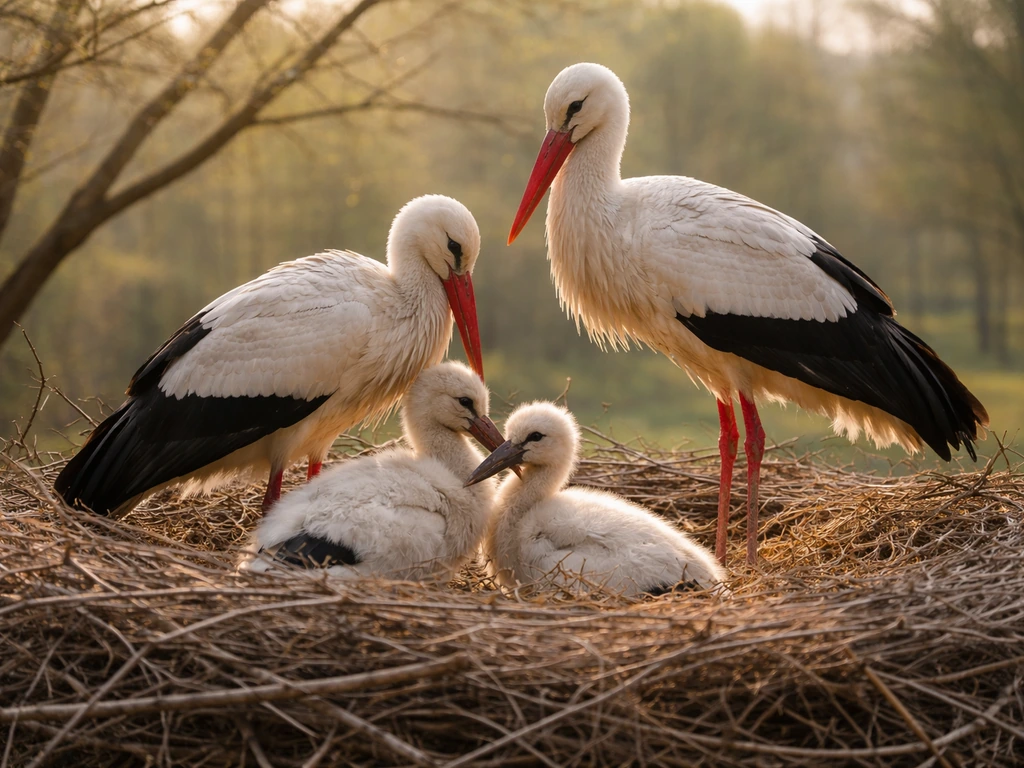
Separate from the luck-of-the-house belief, storks in many traditions were specifically associated with family happiness and harmony. The bird's behavior probably helped. White storks return to the same nests year after year, they mate for life in many populations, and they are visibly attentive parents. People noticed all of this and mapped it onto their own ideals of domestic life. A stork near your home didn't just mean luck in the abstract, it meant family things would go well.
Where you'll actually see the phrase 'stork bird' used
In standard English prose, writers usually just say 'stork.' But 'stork' and 'stork bird' both show up in some predictable contexts, and knowing those contexts helps you figure out what someone means when they use it.
- Baby announcements and greeting cards: Products labeled 'Stork Birth Greeting Card' or 'New Delivery Stork Greeting Card' are everywhere in gift shops. The stork image here is completely standardized shorthand for 'a baby has arrived.' There's no mystery to decode.
- Social media captions: People use stork imagery or the word 'stork' in captions about pregnancy reveals, baby showers, and newborn announcements. A photo captioned 'the stork finally arrived' means someone just had a baby.
- Tattoo designs: Stork tattoos are most commonly associated with new parenthood, especially fatherhood or motherhood milestones. They can also represent spring, hope, or a journey, but the birth connection is the default assumption most tattoo artists will start with.
- Children's stories and animation: The delivery-stork premise has been used in countless children's books and films. The stork character literally carries babies in a bundle and delivers them to waiting families. It's played straight in some stories and subverted or parodied in others.
- Logos and brand names: Companies that work with babies, deliveries, or home services sometimes use stork imagery. The bird's associations with delivery, home, and new beginnings make it a practical branding choice.
Stork in modern language: metaphor, nicknames, and slang-adjacent territory
The most durable metaphorical use of 'stork' in English is the phrase 'a visit from the stork,' which is a well-documented euphemism for pregnancy or the arrival of a new baby. It functions as a lighthearted, slightly old-fashioned way to announce good news without being clinical about it. You might see it in a congratulations card, a conversation between older relatives, or in vintage-style baby shower decorations. It's not slang exactly, but it sits in that warm, informal register people use when they want to soften or sweeten a piece of news.
Beyond that specific phrase, 'the stork' gets used as a shorthand metaphor for the whole process of becoming a parent. Saying 'we're waiting for the stork' means a couple is expecting. 'The stork paid us a visit' means a baby was born. These aren't idioms you'd use in formal writing, but they're completely normal in casual conversation and still understood by most English speakers without explanation.
There's also a softer metaphorical use that shows up in writing and poetry, where the stork's spring migration is used to signal renewal, hope, or the start of something new. This use is less common in everyday conversation but more common in literary or reflective contexts, and it draws on the seasonal symbolism from Eastern European tradition rather than the baby-delivery myth.
Interpretations people get wrong (and how to check)
The biggest misconception is treating stork symbolism as universal. It isn't. The baby-delivery myth is strongest in northern and central Europe, and its reach into English-speaking culture is largely through German and Scandinavian influence. If you're looking at stork symbolism in a text rooted in East Asian or African traditions, for example, you shouldn't automatically assume the birth connection applies. Storks carry different weight in different traditions, and the specific bird species matters too. The white stork of Europe is the one most loaded with folklore, not storks as a general category.
Another common error is assuming the stork symbol always means a baby is on the way. In older European traditions, a stork on your roof was first and foremost about luck and household protection, and the birth connection was secondary or sometimes absent entirely. If you're reading a 19th-century Danish novel and a stork settles on a family's house, the writer probably means good fortune or domestic stability, not necessarily that someone's pregnant.
People also sometimes confuse the stork with the crane, which is a separate bird with its own rich symbolism (especially in East Asian culture, where cranes represent longevity and wisdom). They look similar enough that casual readers mix them up. If you're looking at a tall, elegant wading bird in a piece of Japanese art or Chinese literature, it's almost certainly a crane, not a stork, and the meanings diverge significantly.
To confirm which meaning applies in a specific instance, ask three things: What's the cultural origin of the text or image? What's the context around it (is there a baby, a season, a home)? And is the stork acting as a delivery agent, a lucky visitor, or a seasonal arrival? Those three questions will usually pin down the intended meaning within a couple of options. The bishop's bird stump meaning is a different piece of folk symbolism, so it's worth checking the specific tradition and context where you saw it.
How to figure out the exact meaning in your situation
If you came across the word 'stork' or a stork image somewhere and you're trying to work out what it meant in that specific context, here's a practical process for getting to the right answer.
- Identify the source type. Is it a greeting card, a tattoo, a story, a caption, a logo, or a piece of literature? Each of these has a dominant default meaning. Cards and captions almost always mean birth. Literature depends heavily on the author's cultural background.
- Check the cultural origin. Northern/central European origin almost always points to birth or good luck. Slavic traditions lean more toward seasonal renewal or the carrying of souls. A modern American or British context almost certainly means birth or pregnancy.
- Look at what's physically happening in the image or text. Is the stork carrying a bundle? Baby delivery. Is it sitting on a rooftop? Luck or household protection. Is it arriving after a cold season? Spring, renewal, homecoming.
- Check for surrounding symbols or language cues. Words like 'new arrival,' 'bundle of joy,' or 'delivery' confirm the birth meaning. Words like 'spring,' 'return,' or 'journey' suggest the seasonal or homecoming interpretation.
- When in doubt, the birth meaning is the safest default in modern English usage. It's the most widely understood and the most commonly intended interpretation across cards, social media, tattoos, and casual conversation today.
If you're exploring related bird symbolism for comparison, the stork shares some thematic territory with other birds whose meanings are worth knowing. Sparrows carry their own set of folk meanings around home and simplicity, while starlings have a different kind of communal symbolism. If you're asking “what is the meaning of a sparrow bird,” sparrows are often tied to themes like simplicity, home life, and everyday good fortune. If you're specifically after the starling bird meaning, starlings are often linked to communication, social bonds, and swift change. Each bird comes with its own distinct cultural fingerprint, and understanding one usually makes the others easier to read. If you're also trying to interpret what a spurs bird meaning could be in your own context, check the symbolism and tradition behind where you saw it.
| Stork Meaning | Typical Context | Cultural Origin |
|---|---|---|
| Birth / new baby | Greeting cards, baby announcements, captions, children's stories | Northern/central Europe, especially Germany and Norway |
| Good luck / household fortune | Literature, folk art, roof nesting imagery | Germany, Denmark, Holland, Poland, broader Central Europe |
| Protection against harm | Historical texts, folk belief, BirdLife documentation | Broadly European, especially where roof nesting was common |
| Seasonal change / spring arrival | Poetry, literary metaphor, reflective writing | Slavic tradition, pan-European migratory symbolism |
| Family harmony / domestic happiness | Folk stories, ethnographic records | Poland and broader Slavic/Central European culture |
| Homecoming / journey | Omen-reading traditions, spring-first-sighting beliefs | Polish ethnographic tradition |
FAQ
Is “stork bird meaning” the same as the meaning of the word “stork” by itself?
Usually, yes, but “stork bird meaning” is a search phrase people use to confirm they mean the animal and its symbolism. In actual writing, “stork” alone is the standard term, while “stork bird” can appear in captions or search-friendly text even when the author is not making a special claim.
What does “a visit from the stork” imply, and does it suggest pregnancy specifically?
In most modern English contexts, it implies pregnancy or a new baby arriving soon, and it is meant to be light and informal. If the phrase appears in a memorial, illness, or late-term context, the meaning can shift, so the surrounding wording matters.
If I see a stork in a story or artwork with no baby mentioned, what might it mean instead?
It can point to luck, household protection, or spring renewal rather than pregnancy. Especially in European-looking scenes, a stork near a home can be read as domestic stability, not a delivery metaphor.
How can I tell whether the creator meant a stork or a crane?
Look at body proportions and setting, cranes are often depicted with longer, more uniformly tall silhouettes and are frequently tied to East Asian iconography. Storks are commonly shown as black-and-white waders, often near rooftops or European village-like settings, so the visual clues plus origin of the work usually settle it.
Does the symbolism change if the stork is shown in flight versus perched on a roof?
Yes. A rooftop stork is more likely to be read as luck or family/home protection, while migration imagery (returning in spring) often emphasizes renewal and a fresh start. Flight alone can be ambiguous if the season and cultural frame are not clear.
Is a white stork always the one with the strongest meaning in folklore?
In the European tradition that most influences English-speaking symbolism, the white stork is the primary carrier of the “spring arrival” and baby-delivery associations. Other stork species may be less strongly tied to those specific myths in English-language contexts, so color and species depiction can change the read.
Can “the stork” be used in modern casual speech without sounding old-fashioned?
It’s generally understandable, but it can sound playful or slightly vintage rather than neutral. People often use it in family chats or informal announcements, and it may feel too indirect in formal or professional communication.
What’s the safest way to interpret stork symbolism in a dating or relationship context?
If it’s accompanied by baby-related language, congratulations wording, or pregnancy imagery, it likely signals expecting. If it’s paired with home themes (moving in, settling, house-warming), it can mean luck or domestic harmony rather than pregnancy.
If the stork appears in a non-European culture’s artwork, should I assume birth meaning?
No, not automatically. The birth-delivery story is strongest in northern and central European influence, while other regions may associate storks with different ideas or not use the same myth structure. Checking the artwork’s cultural origin is the quickest way to avoid the common mistake.
What should I do if I’m trying to interpret a specific image caption that says “stork” but the context seems conflicting?
Use a three-part check: identify the cultural origin, look for nearby cues (season, home, baby-related elements), and then decide whether the stork is functioning as a delivery euphemism, a luck sign, or a seasonal renewal symbol. When two cues clash, the most specific cue usually wins (for example, baby cues outweigh general spring cues).
Next Article
What Is the Meaning of a Sparrow Bird? Symbolism Guide
Discover what a sparrow means in everyday terms and in symbolism, idioms, and common stories, with practical ways to int