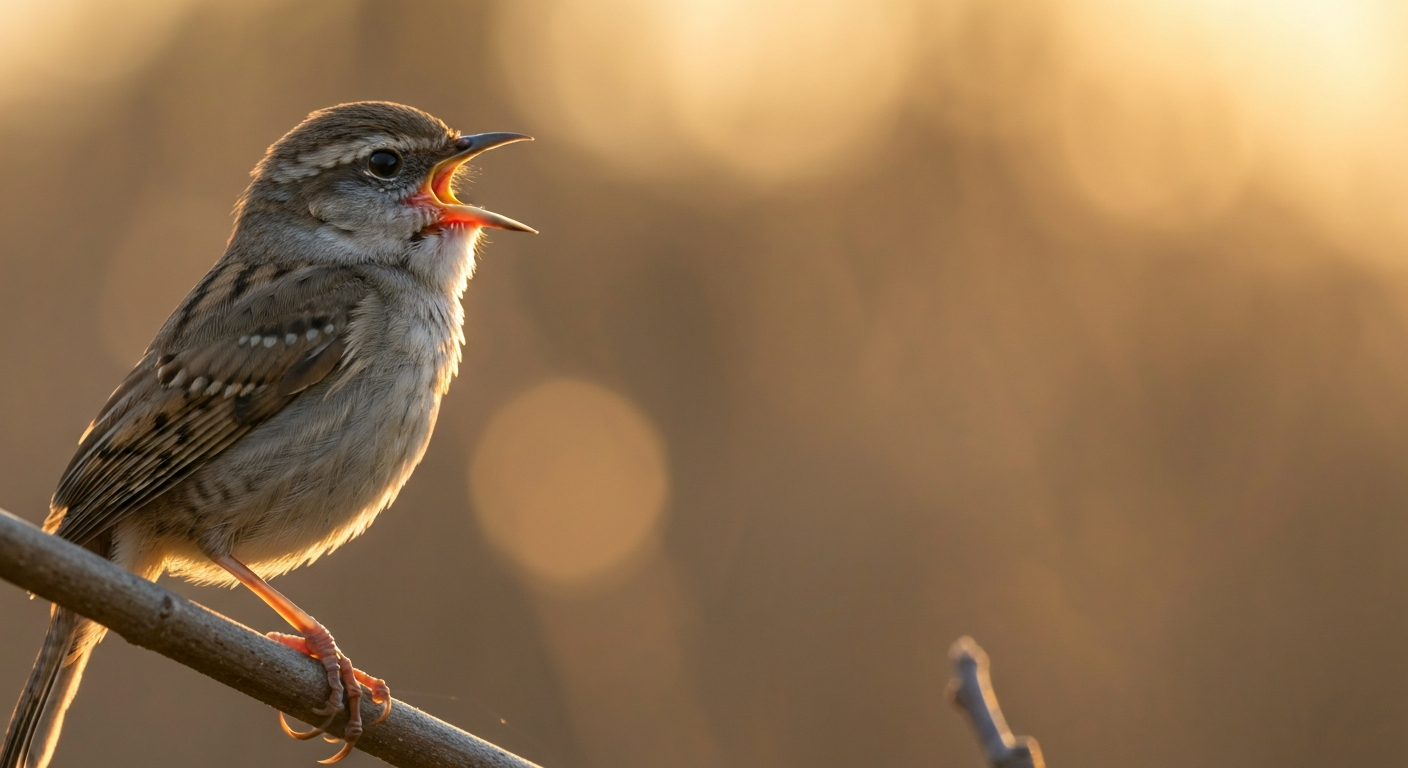
SEO Title: Chidiya Bird Meaning in English: Translation, Pronunciation & Cultural Significance Meta Description: Chidiya (चिड़िया) means "bird" in English, and more specifically "sparrow." Learn its pronunciation, spelling variants, grammar, idioms, and cultural context.
Chidiya Bird Meaning in English: Translation, Pronunciation

Marcus Whitley
30 Jul 2026
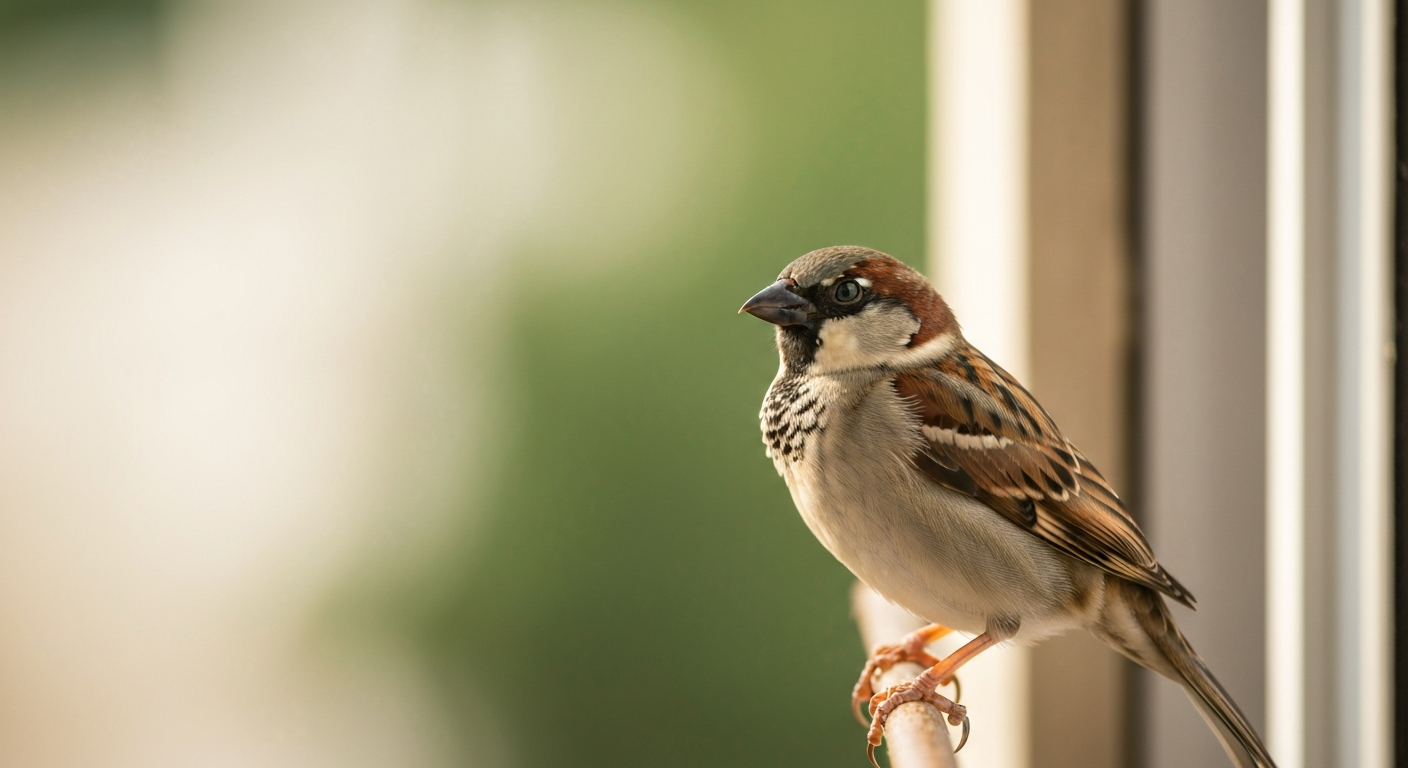
Chidiya (चिड़िया) means "bird" in English. More precisely, it refers to a small bird and, in its narrower traditional sense, a sparrow. If you have come across this Hindi word in a song, a proverb, or a children's textbook and wondered what it means, the answer is simple: it is the everyday Hindi word for a bird, especially a small one.
How to say it: translation and pronunciation
The standard English translation is "bird" (general) or "sparrow" (specific). In academic transliteration the word is written ciṛiyā, where the ṛ represents a retroflex flap, a sound made with the tongue curled back briefly. In practice, most learners and dictionaries write it as chidiya or chidiyaa, both of which are widely accepted in everyday romanized Hindi.
The IPA pronunciation is /t͡ʃɪ.ɽɪ.jɑː/, which you can break into three syllables: chi (like the start of "cheap") + di (a quick retroflex flap, roughly like a soft "ri") + ya (like "yah"). The final vowel is held slightly longer than in English. Collins Hindi-English records it as a feminine noun (nf) with the headword cidhiyā. If you want to hear native Delhi-dialect audio, Forvo hosts user-submitted recordings that are well worth a listen.
Spelling variants and search terms you might use
People search for this word under a surprising number of spellings. Collins explicitly lists variant romanizations including cidhiya, cidhiyaa, chidhiya, chidhiyā, and chidhiyaa. On top of those, you will see chidiyaa (a doubled vowel to signal the long final ā), and the informal chiriya, which drops the dental sound slightly. None of these are misspellings in any strict sense, they are just different ways of handling a Hindi sound that English spelling was never designed for.
Two searches that land people on related but distinct pages are chil and chip. These are not standard transliterations of चिड़िया, they are separate Hindi bird-related terms with their own meanings and deserve their own entries (more on this in the sibling-topics section below). Similarly, queries for "chick bird meaning" and "chirpy bird meaning" come from English-language bird vocabulary, not from the same Hindi root. For the English adjective 'chirpy' and related senses, see our chirpy bird meaning entry. Each of those deserves its own treatment.
Where the word comes from
Chidiya is inherited from Sauraseni Prakrit, a Middle Indo-Aryan language that bridges Sanskrit and modern Hindi. The reconstructed Prakrit form is *ciḍigā (feminine), which itself traces back to Sanskrit roots including caṭaka (चटक), an ancient word for sparrow documented in Sanskrit reference dictionaries such as Monier-Williams. That Sanskrit-to-Prakrit-to-Hindi lineage explains why the word has always carried the sense of a small, sparrow-like bird rather than a large or exotic one.
Grammatically, चिड़िया is a feminine noun in Modern Standard Hindi. It belongs to the -iyā stem class, which means nouns ending in -इया typically behave as feminine. The plural is चिड़ियाँ (ciṛiyā̃), with a nasalized ending. Learner grammars from institutions like UT Austin note this as a regular pattern: nouns like चिड़िया form plurals by nasalizing the final vowel rather than adding a separate suffix.
All the senses chidiya actually carries
Wiktionary lists four documented senses in order of frequency and specificity. The primary sense is sparrow (the small brown bird most associated with populated South Asian environments). The second, broader sense is simply bird in general, this is how it appears in most children's books, school sentences, and everyday conversation. The third sense is shuttlecock (the feathered projectile used in badminton), because a shuttlecock's shape and light feathered flight reminded speakers of a small bird. The fourth sense is club in a card game, analogous to the clubs suit in a Western deck. The sparrow and general bird senses are by far the most common.
Bird, chick, and chirpy: how they compare
Learners sometimes conflate chidiya with the English words chick or chirpy because the sounds share a "ch" opening. They are actually quite different in meaning, grammatical category, and register. Here is a direct comparison:
| Term | Language / Type | Core meaning | Grammar | Notes |
|---|---|---|---|---|
| चिड़िया (chidiya) | Hindi — noun | Bird; sparrow | Feminine countable noun, plural चिड़ियाँ | Primary translation is 'bird'; narrower sense is 'sparrow' |
| Bird | English — noun | Any feathered vertebrate | Countable noun, plural 'birds' | The direct English translation of chidiya |
| Chick | English — noun | A baby/young bird, especially a young chicken | Countable noun, plural 'chicks' | Not a translation of chidiya; the Hindi equivalent of 'chick' (young bird) is चूजा (cūjā) |
| Chirpy | English — adjective | Cheerful, lively in mood or manner | Adjective; no plural form | Derived from the onomatopoeic verb 'chirp'; unrelated to chidiya in meaning or origin |
The practical takeaway: if you want to translate chidiya into English, use "bird" as your default. Do not reach for "chick", that implies a young or baby bird, which is a different word in Hindi altogether. And chirpy is an adjective describing a person's mood, not a bird noun at all, despite the sonic resemblance. Cambridge Dictionary, chirpy defines 'chirpy' as 'cheerful' (adjective), confirming it’s unrelated to the Hindi noun चिड़िया Cambridge Dictionary — chirpy.
What chidiya means in Indian culture and folklore
In Indian cultural life the bird, and particularly the sparrow, carries a weight that goes well beyond its literal meaning. Small birds like the house sparrow (gauriya or gauraiya) are woven into the domestic fabric of South Asian life: they nest in roof eaves, appear in courtyard grains, and have been companion creatures to village households for centuries. The word chidiya in a folk or poetic context almost always evokes something small, free, and slightly vulnerable.
The most widely known Hindi proverb using chidiya is: "अब पछताये होत क्या जब चिड़िया चुग गई खेत" (Ab pachhtāye hot kyā jab chiṛiyā chug gaī khet). Translated directly: "What use is regret now that the bird has eaten the field?" The English equivalent is roughly "no use crying over spilt milk." This proverb appears in school textbooks across Madhya Pradesh, Telangana, and other states, which means it is among the first idioms Hindi learners encounter. Official state materials (e.g., SCERT Telangana, Hindi textbook examples including चिड़िया) show the proverb and similar sentences used in elementary reading and idiom practice SCERT Telangana — Hindi textbook examples including चिड़िया. The image of a bird eating an unguarded crop field makes the loss feel vivid and irreversible, exactly the point.
Birds also appear constantly in classical Hindi and Urdu poetry (using words like pakshī for bird and more specifically chidiya for the small sparrow-like type), where they are symbols of the soul, of longing, and of freedom. A caged bird in this tradition is not merely a pet, it is a classic metaphor for a constrained spirit.
How English uses bird imagery, and where the two traditions meet
English bird idioms often run parallel to Hindi ones, even when the specific birds differ. The English phrase "a bird in the hand is worth two in the bush" maps neatly onto the Hindi proverb about the bird eating the field, both use birds to make a point about caution and the cost of inaction. "The early bird catches the worm" is another English idiom with an almost direct Hindi-proverb cousin, emphasizing timeliness and preparation.
Where the traditions diverge is in specific bird symbolism. English idioms often use the crow, the robin, or the sparrow as generic stand-ins for "small common bird." Hindi folk culture does the same with chidiya, but the sparrow carries additional weight as a symbol of the humble everyday world, the home, the grain store, the village morning. This overlap makes chidiya a useful entry point for anyone interested in how bird symbolism operates across cultures.
Chidiya in sentences: literal and figurative
Seeing the word in context is the fastest way to understand how it actually works. The examples below move from the most literal classroom use to the figurative and proverbial.
- "गुलाब की डाली पर एक चिड़िया आन बैठी है।" (Gulāb kī ḍālī par ek chiṛiyā ān baithī hai.) — "A bird has come and sat on the rose branch." This is a standard elementary-school sentence used in SCERT Telangana Hindi textbooks. It is purely literal.
- "वह चिड़िया की तरह आज़ाद है।" (Vah chiṛiyā kī tarah āzād hai.) — "She is as free as a bird." The metaphor works identically to the English phrase.
- "अब पछताये होत क्या जब चिड़िया चुग गई खेत।" — "What is the use of regret now that the bird has eaten the crop?" This is the classic idiomatic usage meaning it is too late to act.
- "चिड़ियाँ सवेरे चहचहाती हैं।" (Chiṛiyā̃ savere cahcahātī hain.) — "The birds chirp in the morning." This also demonstrates the plural form चिड़ियाँ in natural use.
- "वह सोने की चिड़िया है।" (Vah sone kī chiṛiyā hai.) — "She is a golden bird." This figurative phrase is used to describe someone or something of exceptional value — a close parallel to calling a person a rare gem.
Practical guidance for learners and writers
If you are a Hindi learner: the safest and most accurate English translation of चिड़िया in almost every context is "bird." When the context is specifically about a small brown bird in a domestic or rural South Asian setting, "sparrow" is often more precise. Avoid using "chick" as a translation, a baby bird in Hindi is चूजा (cūjā), and that is a different word with a different feel entirely.
If you are writing about Indian culture in English: consider keeping chidiya in the original where the cultural weight matters, especially in proverbs. Translating the famous proverb into "no use crying over spilt milk" works as a functional equivalent, but it loses the agricultural, rural image of a bird emptying a farmer's field. That image is doing real cultural work. When the symbolic layer matters, transliterate and explain; when you just need a working equivalent, translate freely.
For articles and articles, a few quick usage notes:
- Use "a chidiya" or "the chidiya" with English articles when writing in a bilingual context — it behaves as a countable noun.
- The plural is chidiyaan or chidiyaon in romanized Hindi; in English prose you can write "the chidiyas" informally or switch to "the birds" for clarity.
- Register: chidiya is a neutral, everyday word — neither formal nor slang. It suits children's stories, folk songs, textbook sentences, and serious poetry equally.
- Do not confuse chiriya (an alternate romanization of the same word) with chirpy — they look similar in transliteration but chirpy is an English adjective meaning cheerful, with no Hindi-noun equivalent.
Related terms you might have searched for
Several sibling topics on this site answer questions that often arrive alongside "chidiya bird meaning." If you searched "chick bird meaning," you are looking at a distinct English term for a young or baby bird, not a translation of chidiya, but worth understanding in contrast. The "chil bird meaning" query points to a separate Hindi bird word, chil (चील), which refers to a kite (the large raptor), a bird with very different symbolism. For the kite sense, see our chil bird meaning entry for a full explanation. "Chip bird meaning" is another related search that maps to yet another distinct term. And "chirpy bird meaning" is an English-language query about the adjective chirpy (cheerful, lively), which shares a "ch" sound with chidiya but is not related in origin or meaning. Each of these has a dedicated entry on this site and is worth reading alongside this one if you are building out your vocabulary across this cluster of similar-sounding bird words.
Suggested images for this article
- Photo: A house sparrow (Passer domesticus) perched on a branch or windowsill — the bird most closely associated with chidiya in everyday South Asian usage. A clean, well-lit image against a natural background works best here.
- Illustrated flashcard: A simple Hindi vocabulary card showing the Devanagari script चिड़िया alongside a small bird illustration, the romanization chidiya, and the English translation 'bird / sparrow' — styled like a traditional Hindi primer page to reinforce the learning-tool context.
The quick takeaway
Chidiya (चिड़िया) is the Hindi word for bird, with a narrower traditional meaning of sparrow. It is pronounced roughly as chi-ri-yaa, is a feminine noun, and forms the plural चिड़ियाँ. Its etymology runs from Sanskrit through Prakrit, anchoring it to the humble sparrow that has shared South Asian domestic spaces for millennia. In English translation, use "bird" as your default. In cultural and literary contexts, keep the Hindi word and unpack its imagery, especially in proverbs like the famous खेत idiom, where the specific picture of a small bird quietly emptying a field carries meaning that no English equivalent quite replicates.
FAQ
What is the direct English translation of the Hindi word "chidiya" (चिड़िया)?
Direct translation: "bird" (general). In many everyday Hindi contexts it also specifically evokes a small bird such as a "sparrow." Use context to choose between the broad English "bird" and the narrower "sparrow."
How do you pronounce and romanize चिड़िया?
Pronunciation (broad): chidiya — /chih‑DEE‑yah/. Standard IPA for Modern Standard Hindi: /t͡ʃɪ.ɽɪ.jɑː/. Common romanizations: chidiya, chidiyaa, chidhiya, chiriya. Scholarly transliteration (IAST): ciṛiyā or chiṛiyā (retroflex ṛ). For listening practice, consult native-speaker recordings (Forvo) or dictionary audio.
What are common spelling and search variants or misspellings I should be aware of?
Common romanization/search variants: chidiya, chidhiya, chiriya, cidhiyā, cidhiya, chidhiyā, chidhiyaa, chidiyaa. Frequent misspellings/search confusions include "chil", "chip", or mixing with English words like "chick" or "chirpy." When optimizing for search, include likely variants and diacritic-free forms.
How is चिड़िया different from English words "bird," "chick," and "chirpy"?
- Bird: direct equivalent for the general category (all avian species). Use "bird" when the Hindi usage is generic. - Chick: English noun meaning a young bird (especially a baby chicken). Not a good translation for चिड़िया if the intended sense is an adult/any small bird; the Hindi word for a young bird is चूजा/चूज़ा (chūjā). - Chirpy: English adjective derived from "chirp" meaning cheerful or lively. It describes mood/voice and is not a noun equivalent of चिड़िया. Choose translation by grammatical category and context.
What part of speech and grammatical notes apply to चिड़िया in Hindi?
Part of speech: noun (feminine). Typical declension: singular चिड़िया (ciṛiyā), plural चिड़ियाँ (ciṛiyā̃). It is an -iyā stem noun (feminine), so learners should expect the nasalized plural marker -याँ in standard declension patterns.
What is the short etymology of चिड़िया?
Etymology: चिड़िया derives from Middle Indo‑Aryan (Sauraseni Prakrit) forms such as *ciḍigā and ultimately links to Sanskrit lexical material (e.g., words for small birds like caṭaka). Historically the word has carried senses tied to small, common birds (sparrow‑type) and later broadened to the general 'bird' sense in modern Hindi.
Next Article
Chirpy Bird Meaning: Literal, Figurative & Cultural Guide
'Chirpy bird' explained: literal vs figurative meaning, usage, etymology, cultural notes, and writers' tips.