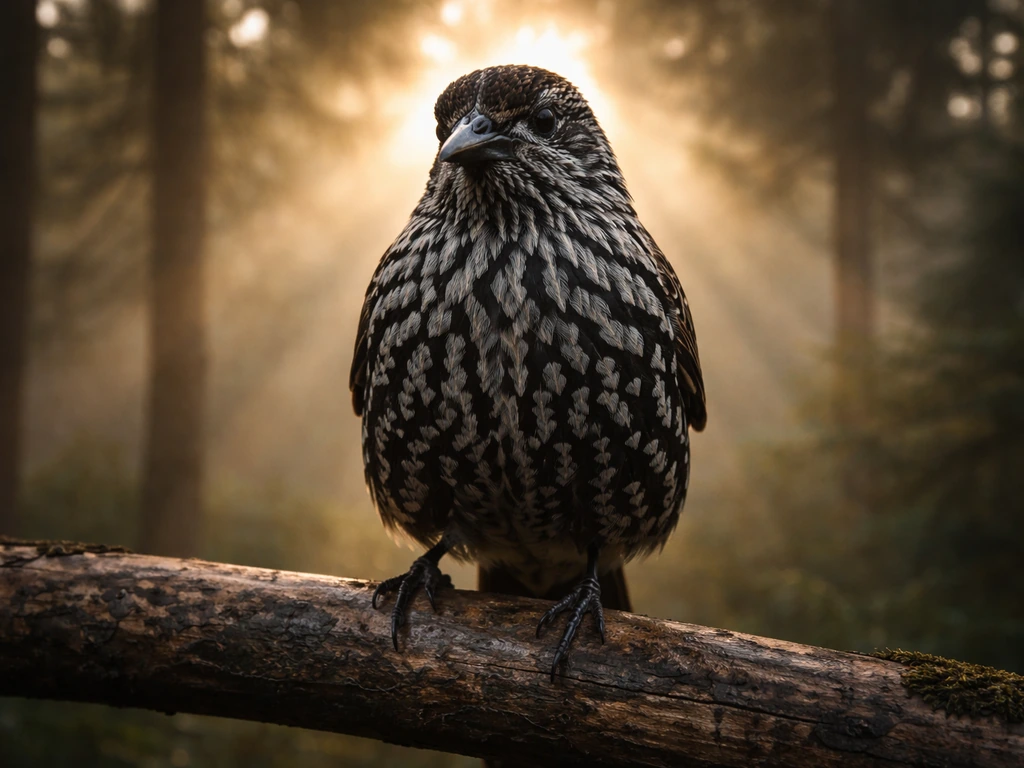
When people search 'peyote bird meaning,' they're almost always asking about one specific thing: a bird symbol deeply tied to the Native American Church, the Peyote Religion, and a tradition of using that bird as a sacred messenger figure. It's not a slang term, not a random metaphor from a movie, and not a new-age coinage. The 'peyote bird' is a real, documented iconographic symbol with a specific identity, a recorded history, and a meaning that's been described directly by Indigenous artists, scholars, and community members.
Peyote Bird Meaning: Symbolism, Spiritual Context, and Guidance

Marcus Whitley
16 Apr 2026
What 'peyote bird' actually refers to
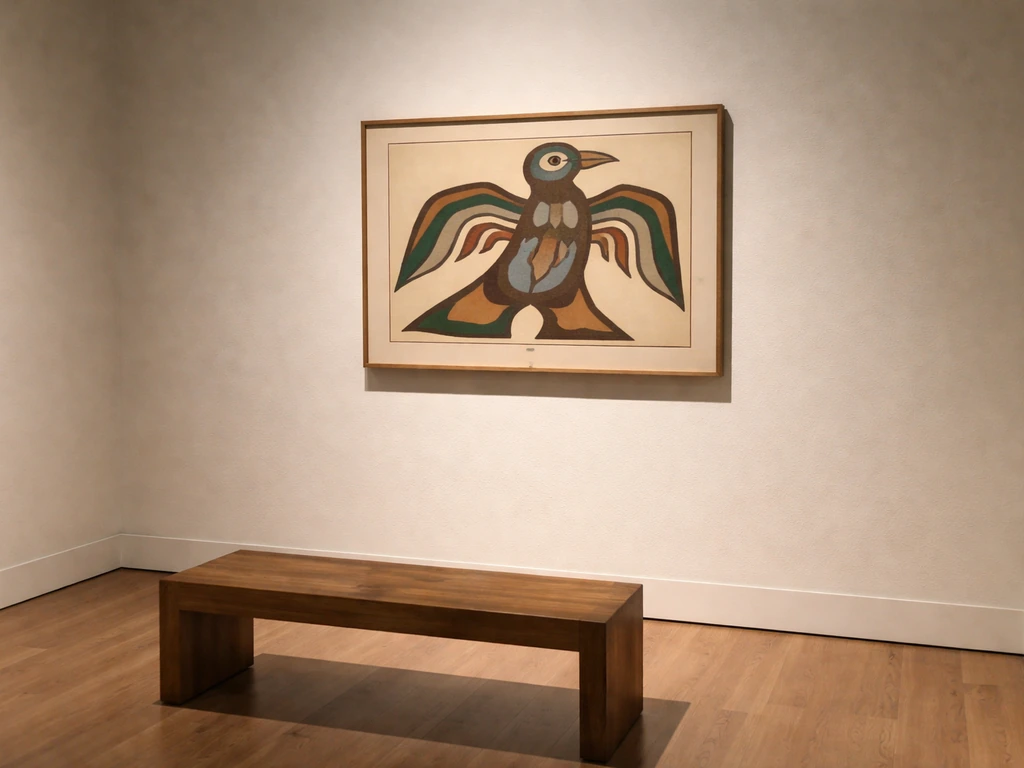
The term shows up in a few distinct contexts, and it's worth knowing which one you're dealing with. The most direct reference is to a 1940 painting by Potawatomi artist Woodrow Wilson Crumbo titled 'Peyote Bird and Symbols,' which describes the peyote bird as an 'aquatic spirit bird' and 'an important emblem of the Peyote Religion,' representing 'the renewal of life.' That painting is one of the clearest primary-source anchors for the term.
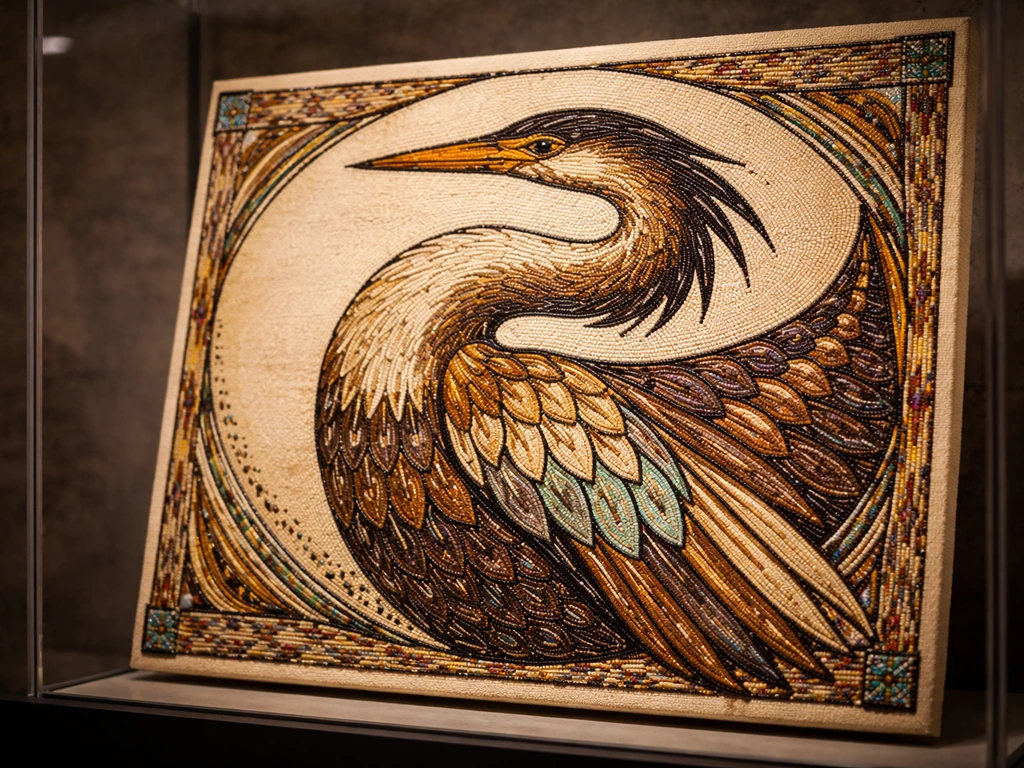
In material culture and ethnographic records, the specific bird most commonly identified as the 'peyote bird' is the Anhinga (Anhinga anhinga), sometimes called the 'water turkey' because of its fan-shaped tail, or the 'snake bird' because of its long, slender neck. It's also closely associated with the cormorant, another diving water bird. The Anhinga's name itself comes from a Brazilian Indigenous term that translates loosely as 'devil bird' or 'evil spirit of the woods,' which might sound alarming out of context but actually speaks to the bird's perceived power and otherworldliness across different cultures.
You'll also encounter 'peyote bird' when searching museum collections. Peyote fans, rattles, drums, and jewelry documented in collections at places like the Nelson-Atkins Museum of Art include cormorant and water-bird feathers as materials. A scholarly curatorial source describes the symbol explicitly as 'Water Bird or Peyote Bird' with the notation 'Water Spirit: Giver of Life. The Oklahoma Historical Society gallery labels PDF uses “Water Spirit: Giver of Life” wording that supports the water-bird language used for the Anhinga in museum label terminology. ' So when you see the term in art, collections, or ceremony descriptions, it's almost always pointing back to this water-bird figure.
The core meaning of the peyote bird symbol
The peyote bird is primarily a messenger. In Native American Church iconography, it's described as a bird whose role is to carry prayers from the ceremony up to the Creator. The Penn Museum's ethnographic record on Native American Church practice among the Kiowas describes the bird (the Anhinga) as a 'messenger bird,' one strong and swift enough to reach where 'mystery powers' dwell. Worshipers envision the bird carrying their prayers via the smoke rising from the altar during ceremony.
Beyond messenger, the symbol carries a cluster of connected meanings that consistently appear across sources: renewal of life, spiritual comfort and guidance, water as a life-giving force, and the connection between the earthly and the sacred. The Oklahoma Historical Society frames it directly: 'The water bird is an iconographic symbol of the Native American Church, which fuses Native beliefs and Christian theology,' and it provides 'spiritual comfort and guidance.' A curatorial PDF ties it even more succinctly to 'Water Spirit: Giver of Life.'
Water is essential to understanding why the bird carries these meanings. In Native American Church ceremony, water rites are a central element of the all-night ritual, which includes prayer, singing, the ceremonial use of peyote, and spiritual contemplation. The water bird connects those rites to the living, breathing symbol of the ceremony itself. Feathers from water birds appear on prayer fans, rattles, and other ceremonial objects because of their direct association with water representing life.
Cultural and spiritual background: peyote, Native traditions, and birds
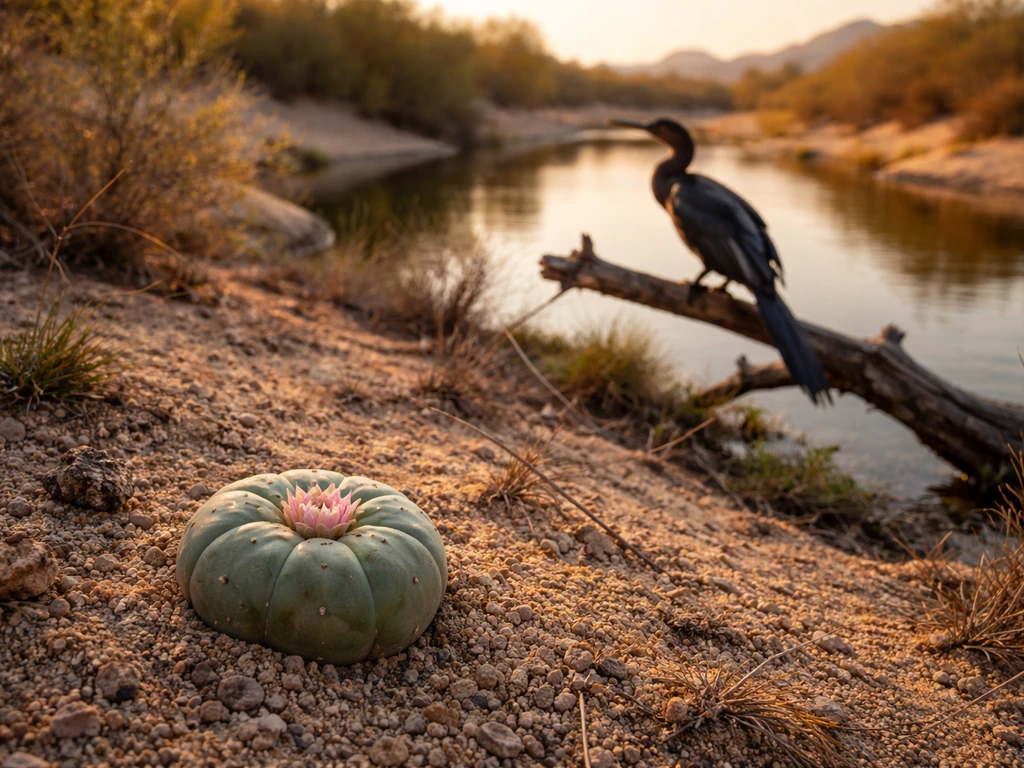
To really understand the peyote bird, you need a working sense of what peyote means in this context. Peyote (Lophophora williamsii) is treated as a sacred sacrament in the Native American Church, not a recreational substance. It's used to communicate with the Creator and Great Spirit within a structured ceremonial framework. Native American Church members and affiliated organizations are clear that peyote is 'never taken for entertainment, escape, or casual use.' Ceremony typically lasts all night and is built around prayer and spiritual contemplation.
Birds carry enormous symbolic weight across many Indigenous traditions, but the specifics vary by community. They're not generically interchangeable. The Penn Museum's work on birds and feathers in Indigenous ceremonialism makes the point that birds are woven into ceremony, art, and spiritual life in ways that are community-specific and purposeful. In the case of the Native American Church, the water bird has been elevated to official symbol status. It appears on regalia, prayer items, peyote boxes, and artwork precisely because it has a defined ceremonial role, not just a vague aesthetic appeal.
The Native American Church itself blends Native spiritual beliefs with Christian theology, and the bird symbol sits at the intersection of both. The messenger role echoes both Indigenous concepts of animal spirit helpers and Christian ideas of divine intermediaries. This layered meaning is why the symbol has resonated across different Native communities who practice peyote-centered ceremony, even when specific tribal traditions differ. If you're curious how similarly layered bird symbolism functions in other traditions, the way the great speckled bird carries meaning across religious and folk contexts offers an interesting parallel of a bird elevated to sacred status through scripture and song.
What people mean when they look for a 'peyote bird message' today
Many people searching 'peyote bird meaning' are looking for something more personal: they saw the symbol somewhere, maybe in art or jewelry, and want to know what it's supposed to communicate. Others have encountered it in the context of spirituality and want to understand whether there's a 'sign' or 'omen' angle. Here's what's actually supported by the documented meanings, framed as personal reflection rather than literal prophecy.
- Spiritual communication and prayer: The bird's core role is as a carrier of prayers. If you're drawn to the symbol, the most grounded interpretation is one about the act of sending intentions outward, trusting that something receives them.
- Renewal and healing: Both the 'renewal of life' framing from Crumbo's painting and the water-spirit associations point toward themes of healing, restoration, and new beginnings. Peyote songs in ceremony are largely associated with healing rituals, as well as major life transitions like births and wakes.
- Guidance and comfort: The Oklahoma Historical Society's framing of the water bird as a source of 'comfort and guidance' is useful here, especially if the symbol appeared during a period of confusion or grief.
- The value of water and life: The water-bird association isn't incidental. If the symbol resonates with you, reflecting on your relationship to what sustains and nourishes you (not just literally water) can be a genuinely useful exercise.
- Bridging worlds: The messenger function, carrying something from here to somewhere beyond, speaks to transitions, thresholds, and the moments when we're between one phase of life and another.
These interpretations are drawn from documented ceremonial and symbolic context. They're not invented omen meanings or universal spiritual laws. Think of them as the most honest translation of what the symbol has actually meant to the communities that created it, applied thoughtfully to personal reflection.
Peyote bird vs. other water and spirit birds: a quick comparison
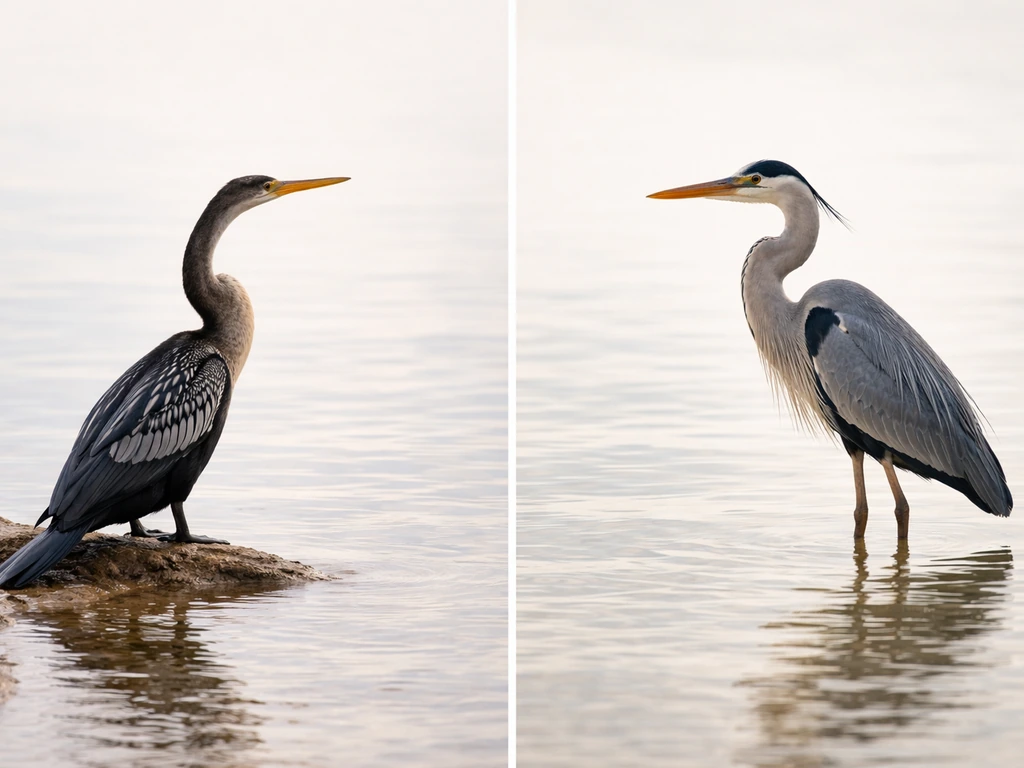
People sometimes encounter the peyote bird symbol alongside other bird symbols in Indigenous or spiritual art and wonder how they differ. Here's a straightforward comparison of a few bird categories that often come up in the same conversations.
| Bird / Symbol | Primary identity | Core symbolic role | Context |
|---|---|---|---|
| Peyote Bird (Anhinga/cormorant) | Water bird; official symbol of the Native American Church | Messenger carrying prayers to the Creator; renewal of life; water spirit | Native American Church ceremony, peyote-related regalia and art |
| Yellow flicker | Woodpecker family | Used specifically for ceremonial healing in some Native American Church contexts | Selective ceremonial use; not the primary NAC symbol |
| Pied bird | Any two-toned bird; appears in various folk and symbolic traditions | Often associated with duality, contrast, or spiritual liminality | Folklore, heraldry, and diverse cultural symbolism |
| Great speckled bird | Figurative/symbolic bird from biblical and folk tradition | Sacred identity, divine protection, spiritual resilience | Christian folk tradition, Southern gospel music |
The peyote bird is the most institutionally defined of these: it has an official role as the symbol of the Native American Church, documented in ethnographic literature, museum collections, and the art of Native American Church practitioners. The others are more fluid or belong to different cultural systems. If you're specifically interested in pied bird meaning, that's a completely separate symbolic tradition with its own set of folk associations. The peyote bird's meaning is more institutionally grounded than most bird symbols you'll encounter on this site.
How to use the peyote bird symbol practically
If you encountered the peyote bird symbol and want to do something useful with what it means, here are practical steps that respect the symbol's origins without overstepping into territory that isn't yours to claim.
- Identify where you saw it. Was it on a piece of jewelry, in a painting, in an art book, or described in a story? Knowing the context helps you understand which layer of meaning applies. Museum-documented peyote fans and regalia carry ceremonial context; contemporary decorative use of the image may carry less specific meaning.
- Sit with the messenger idea. The most consistent thread across every source is that this bird carries something from one place to another. Ask yourself: what are you trying to send out right now? What prayers, intentions, or hopes feel undelivered?
- Journal on the water-renewal connection. The bird is specifically tied to water as a life-giving, renewing force. Write about what feels depleted in your life right now, and what renewal might actually look like in concrete terms, not just emotionally.
- Notice what you're transitioning through. The 'renewal of life' meaning and the use of peyote songs at births, wakes, and major life events suggests the symbol is especially resonant at thresholds. If you're between things right now, that's probably why the symbol caught your attention.
- Let the messenger angle guide action, not just reflection. A messenger bird doesn't sit still. What's one thing you've been meaning to say, ask, or put out into the world that you've been holding back?
These aren't steps toward participating in ceremony or claiming a tradition that isn't yours. They're ways to let a genuinely meaningful symbol do the reflective work it's always done, while keeping your feet on the ground. Many people find that scratching bird meaning and similar grounded, behavior-based bird symbols offer another useful lens when you want to move from symbolic reflection into practical action, so it's worth exploring those angles too.
Don't let misinformation flatten what this symbol actually is
There's a real risk with any sacred symbol that gets popular outside its original context: it gets watered down, misattributed, or turned into something it isn't. The peyote bird has a specific documented identity. It belongs to a living religious tradition, the Native American Church, that is still active and that members describe as sacred and not available for casual cultural borrowing.
Native American leaders and organizations have explicitly stated that peyote is not a commodity, not a wellness trend, and not something for non-Natives to acquire or incorporate into personal spiritual practice. Decriminalization efforts around psychedelics have created a lot of misleading noise that makes it seem like peyote is becoming generally available or spiritually transferable. It isn't. The peyote bird symbol, in its full meaning, lives inside that ceremonial context.
What does this mean for you as someone who encountered the term and wants to understand it? You can absolutely learn about the symbol, appreciate its meaning, and use the themes it represents (prayer, renewal, guidance, life) as personal reflection prompts. What you should avoid is claiming the symbol as your own spiritual emblem, presenting its meanings as universal spiritual laws that apply to everyone, or treating any description of it (including this one) as a substitute for learning directly from Indigenous teachers and communities.
Be skeptical of sources that package the peyote bird as a generic 'spirit animal' or assign it tidy omen meanings without any cultural grounding. The documented meanings are actually richer and more useful than anything invented for a general audience. Stick to those. The same principle applies when you're researching bird symbolism more broadly: a pecking bird's meaning in one cultural context may be completely different from what it signals in another, and that specificity is what makes the symbolism worth understanding in the first place.
The Anhinga itself: worth knowing the actual bird
It's worth spending a moment on the actual bird, because it genuinely earns its symbolic weight. The Anhinga is a striking water bird found across the southeastern United States, Central America, and South America. It dives underwater to spear fish with its long, sharp bill, and unlike most water birds, its feathers aren't fully waterproof. After diving, it has to stand with its wings spread wide to dry, which gives it an almost heraldic appearance. That posture alone, open-winged, patient, between water and air, is easy to read as symbolic.
Its nicknames tell you a lot about how it's been perceived across cultures. 'Snake bird' for that long neck cutting through water. 'Water turkey' for the tail shape. And the name 'blank" rel="noopener noreferrer">Anhinga' from a Brazilian Indigenous language that carries meanings of 'devil bird' or 'evil spirit,' though that translation reflects a sense of the uncanny rather than literal evil. It's a bird that doesn't quite fit the expected categories, which may be exactly why it became meaningful as something that crosses between worlds. For comparison, woodpecker bird meaning follows a similar pattern where a bird's unusual physical behavior (drilling into wood) drives its symbolic associations across cultures.
The cormorant, closely related and sometimes used interchangeably with the Anhinga in peyote-related material culture, shares that liminal quality. Both birds live at the intersection of water and air, diving deep and then rising. In the context of a ceremony centered on prayer and spiritual communication, a bird that literally moves between depths and sky is a pretty coherent choice for a messenger symbol.
This is how bird symbolism tends to work at its best: the behavior of the real bird directly informs the metaphor. It's not arbitrary. Just as bird pecking meaning draws on the actual physical act of a bird striking repeatedly at something, the peyote bird's symbolism is rooted in what the Anhinga genuinely does in the world.
What to take away
The peyote bird is the Anhinga or cormorant, the official symbol of the Native American Church, documented in art, ethnographic records, and museum collections as a messenger bird representing the renewal of life, the power of water, and the act of carrying prayers toward the Creator. Its meaning is specific, grounded, and comes from a living tradition.
You can learn from it, reflect on it, and let its themes of renewal, guidance, and spiritual communication do useful work in your own thinking. What you shouldn't do is claim it, flatten it into a generic omen, or treat this overview as a substitute for the real thing. The real thing is richer than any summary, and it belongs to the communities that have kept it alive.
If you want to keep exploring how birds function as carriers of meaning across different traditions, the way pecker bird meaning evolved through both folk language and literal bird behavior is a useful case study in how natural observation and cultural storytelling build on each other over time.
FAQ
If I see a water bird in peyote-themed art, is it always the “peyote bird” (Anhinga)?
Anhinga and cormorant are the most commonly identified birds behind the label, but “peyote bird” does not mean every water bird in peyote-related imagery. If you want to be precise, check what the artwork or collection item actually depicts (tail shape, long neck, diving posture) and, when possible, the museum or catalog description that names the bird.
Does “peyote bird meaning” count as an omen or a guaranteed sign?
No. The “renewal of life” and “giver of life” themes are symbolic descriptions, not guarantees that a specific person’s life will improve if they wear the symbol. A safer way to use the meaning personally is as a prompt to reflect on spiritual renewal, gratitude, and ongoing responsibility, not as a prediction system.
How can I use the symbol in my life without disrespecting its origins?
You can appreciate the themes without claiming authority over them. A practical rule is to avoid presenting the bird as your personal spirit helper, don’t use it as a substitute for learning from Native American Church teachings, and don’t treat it like a universal “spiritual law” that applies across cultures.
What are common mistakes people make when interpreting “peyote bird meaning” online?
Misattribution is common when the symbol becomes popular online and is treated as a generic “spirit animal.” The article’s best guideposts are institutional identity (Native American Church symbol role), the messenger function (carrying prayers), and the recurring water-and-renewal themes tied to ceremonial context.
If I am not part of the Native American Church, can I still learn the meaning respectfully?
The bird meaning is inseparable from ceremonial context in Native American Church practice, but that does not mean you need to participate to learn respectfully. If you are not attending ceremony, focus on historical and cultural meaning, avoid asking for “how to do peyote” guidance, and seek understanding from public educational materials rather than community borrowing.
How do I evaluate whether a product or article claiming “peyote bird meaning” is reliable?
If the item says “peyote bird” but does not specify the bird or provide a cultural context, treat it as a clue that the maker may be simplifying. Better sources describe the messenger symbolism and connect it to the Native American Church, water symbolism, or prayer-carrying role rather than just listing a feel-good “power” description.
Can I interpret the bird as “carrying my prayers” if I’m not in the same faith practice?
Yes, but only as a reflection lens. The symbol’s prayer and guidance themes can be used to think about your own “messages” or intentions, for example, setting a clear intention and practicing humility, but you should not imply that the bird will deliver prayers in a literal or guaranteed way for everyone.
Is the “peyote bird” meaning purely Native, purely Christian, or something else?
Because the symbol crosses Native and Christian theological language in the Native American Church, some people interpret it as purely Christian or purely Indigenous. A more accurate approach is to hold both together, describing it as a fusion symbol with a defined messenger role, rather than reducing it to one framework only.
What’s the difference between learning the symbolism and turning it into casual fashion or a trend?
Many “spirit animal” posts ignore the living nature of the tradition and turn it into casual fashion. A practical boundary is to avoid acquiring or displaying the symbol as a trendy substitute for sacred practice, especially if the way it’s presented removes the context of ceremony, prayer, and water rites.
Next Article
Great Speckled Bird Meaning: Definition, Origins, Symbolism
Meanings and symbolism of great speckled bird and speckled bird, with origins, context examples, and interpretation tips