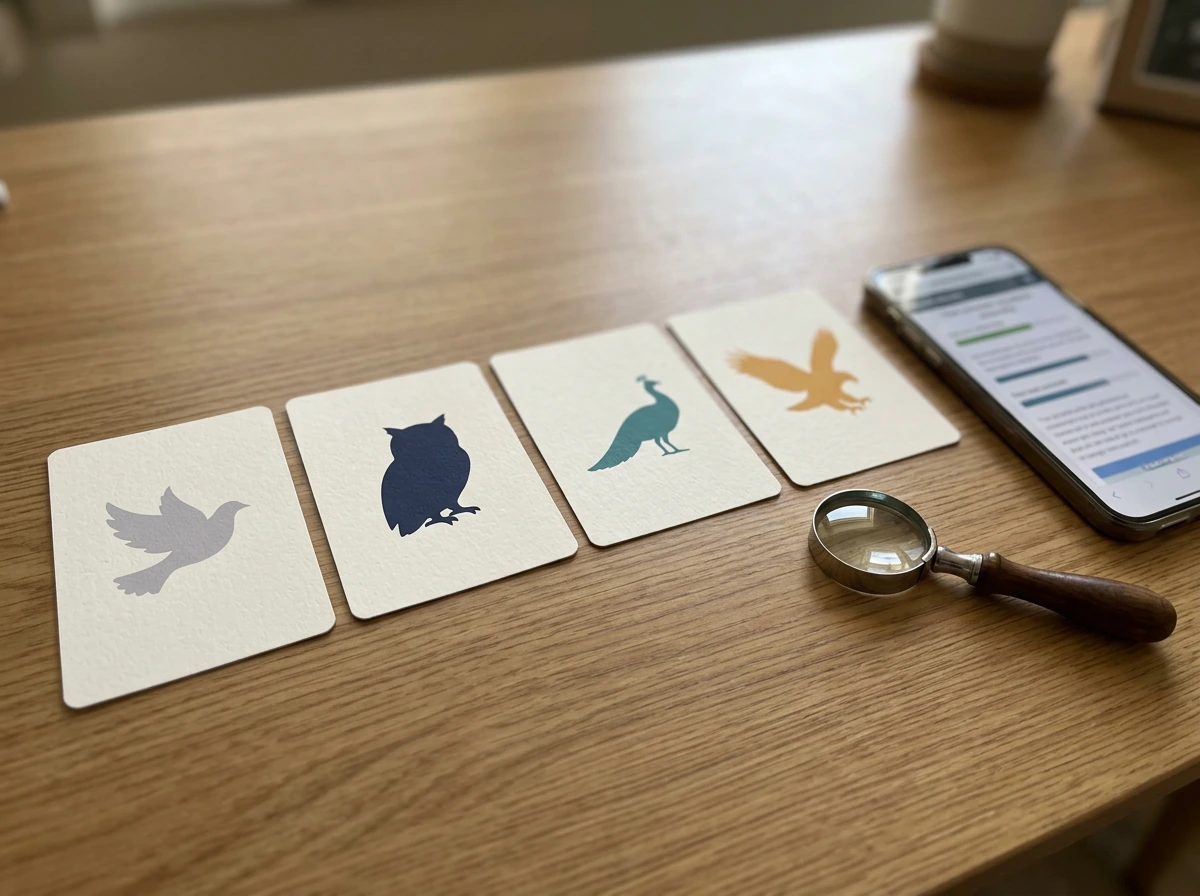
When people search for 'doe doe bird meaning,' they're almost always referring to one of two things: the extinct dodo bird (whose name is literally pronounced 'doe-doe') or a living bird whose call they're phonetically spelling out as 'doe doe. If you meant the phrase in a completely different sense, the dope bird personality test meaning is a separate topic you may want to check too. ' Both are completely valid interpretations, and this guide will walk you through both so you can land on the right answer quickly.
Doe Doe Bird Meaning: How to Identify the Bird by Call

Marcus Whitley
23 Mar 2026
What 'Doe Doe' Actually Means in a Bird Context
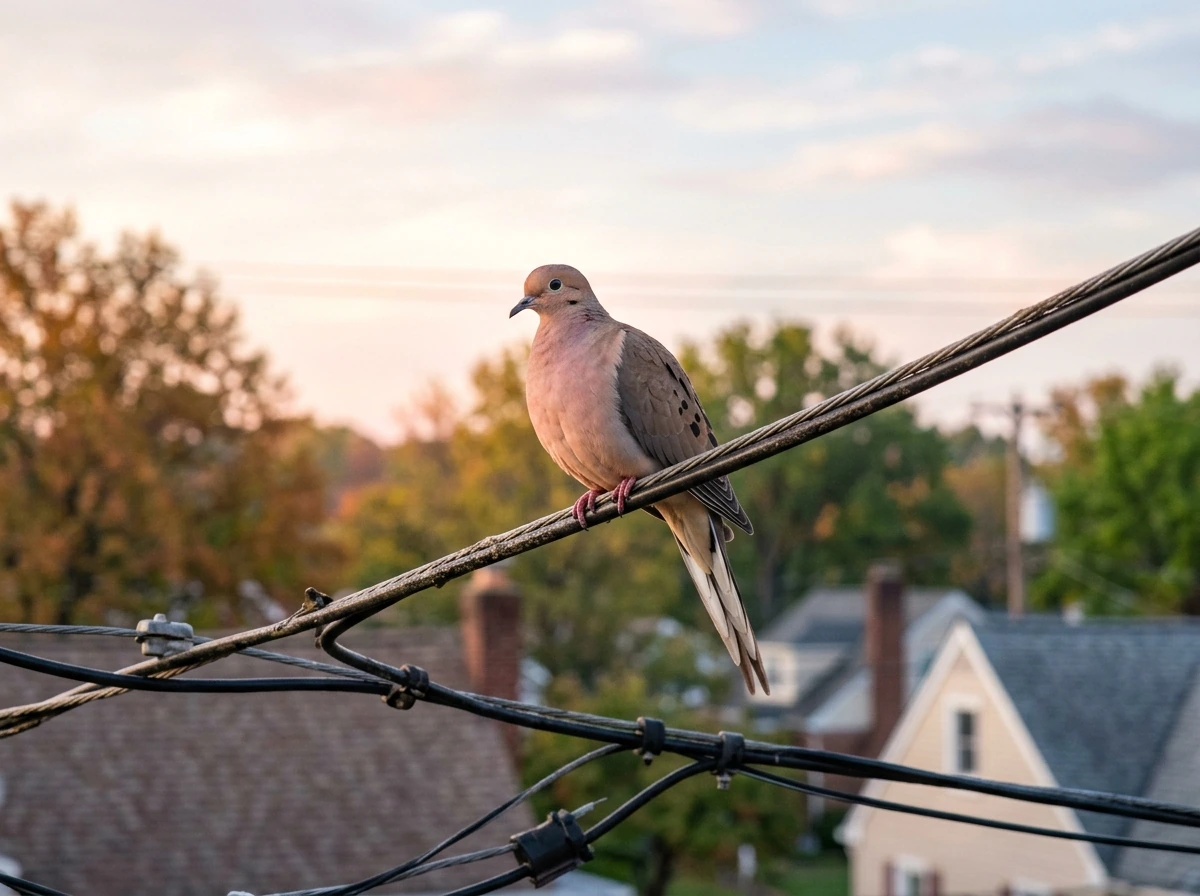
The word 'dodo' is pronounced exactly like 'doe-doe' in English. So if you saw the phrase and assumed it was a different word from 'dodo,' it isn't. The famous extinct bird from Mauritius, the dodo (Raphus cucullatus), is the most widely known use of this sound pattern in bird naming. Linguistically, 'doe-doe' is just the phonetic spelling of dodo, nothing more exotic than that.
The second interpretation is that someone heard a real, living bird making a call that sounded like 'doe doe' or 'doo doo' to their ears, and they typed it out as best they could. This is extremely common with bird calls. There's no official ornithological term called 'doe doe bird,' so if you're hearing something outside your window and this is the phrase you landed on, you're describing what the call sounds like to you, not a named species. Both paths lead somewhere useful, and we'll cover both.
The Most Likely Birds Behind a 'Doe Doe' Call
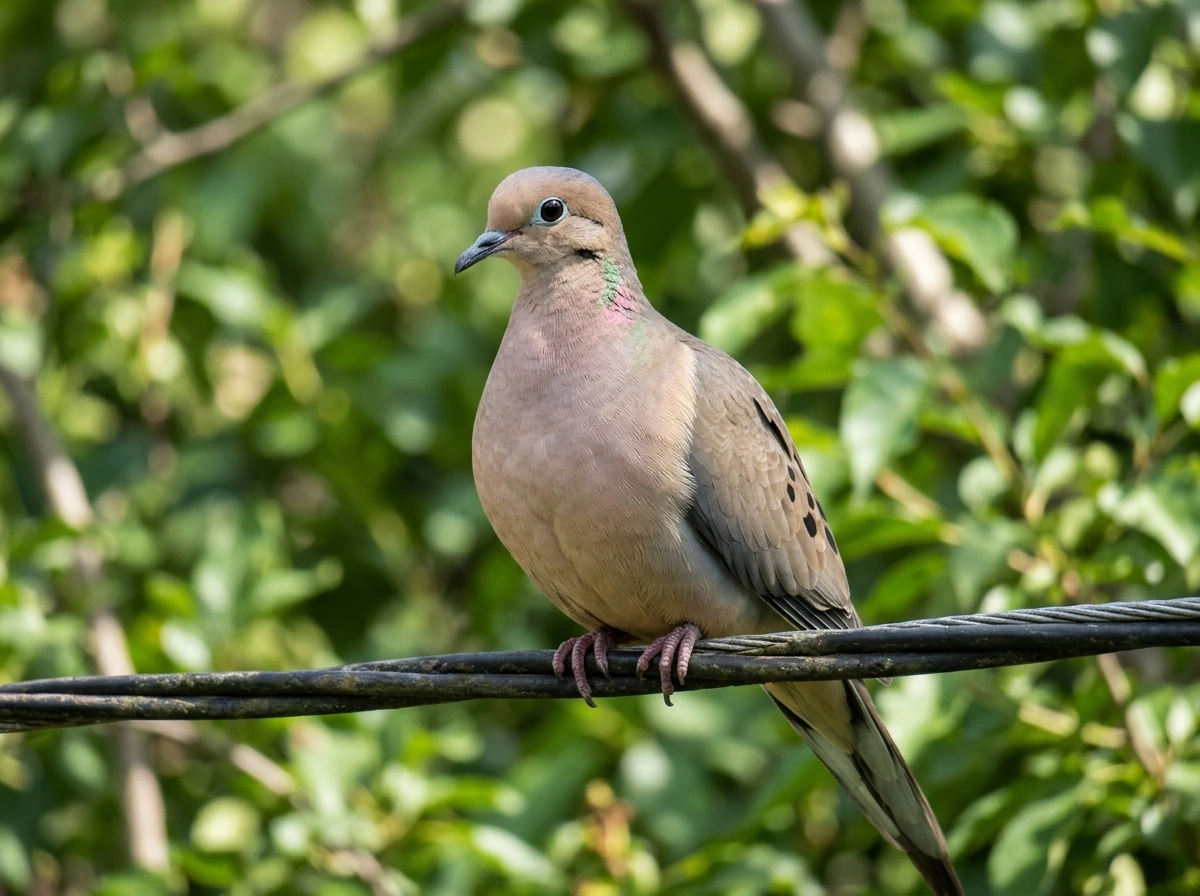
If you're tracking down a living bird based on a call you'd describe as 'doe doe,' the mourning dove (Zenaida macroura) is the single most likely candidate in North America. The National Park Service describes its call as a soft 'coo-OO-coo-coo' pattern. Reddit birding communities routinely identify this bird from descriptions like 'coo-WAH coo, coo, coo' and 'coo-OO-oo.' When people hear those soft, low, repeated two-syllable sounds and write them down, 'doe doe' or 'doo doo' is a completely natural result.
Outside North America, other dove and pigeon species produce similar soft doubled-syllable cooing patterns. Eurasian collared doves, common wood pigeons, and various regional dove species all use call patterns that listeners frequently transcribe as repeating two-syllable sounds. The specific transliteration depends entirely on what the listener's ears and language background lead them to write down.
Here are the key ID clues that separate the most common candidates:
| Bird | Call Pattern | Key Visual ID | Range |
|---|---|---|---|
| Mourning Dove | Soft coo-OO-coo-coo, mournful tone | Slim body, long pointed tail, pinkish breast, black spots on wings | All of North America, year-round in most areas |
| Eurasian Collared Dove | Three-note coo-COO-coo, slightly nasal | Pale gray-buff, black collar on back of neck | Widespread across Europe, parts of Asia, spreading in North America |
| Common Wood Pigeon | Five-note cooing, deeper and more rhythmic | Large, white neck patch, white wing bar in flight | Europe and western Asia |
| Dodo (extinct) | No surviving call recordings; extinct since late 1600s | Large, flightless, bulky gray bird | Was endemic to Mauritius; no longer exists |
How to Pin Down the Exact Species Using Your Location and Senses
Location is the fastest filter you have. If you're in the continental United States or Canada, start with the mourning dove. It is one of the most abundant birds on the continent, found in every state and province, and its call is easily the most commonly misidentified sound by new birders. If you're in Europe, the Eurasian collared dove or wood pigeon jumps to the front of the line.
Timing and Season
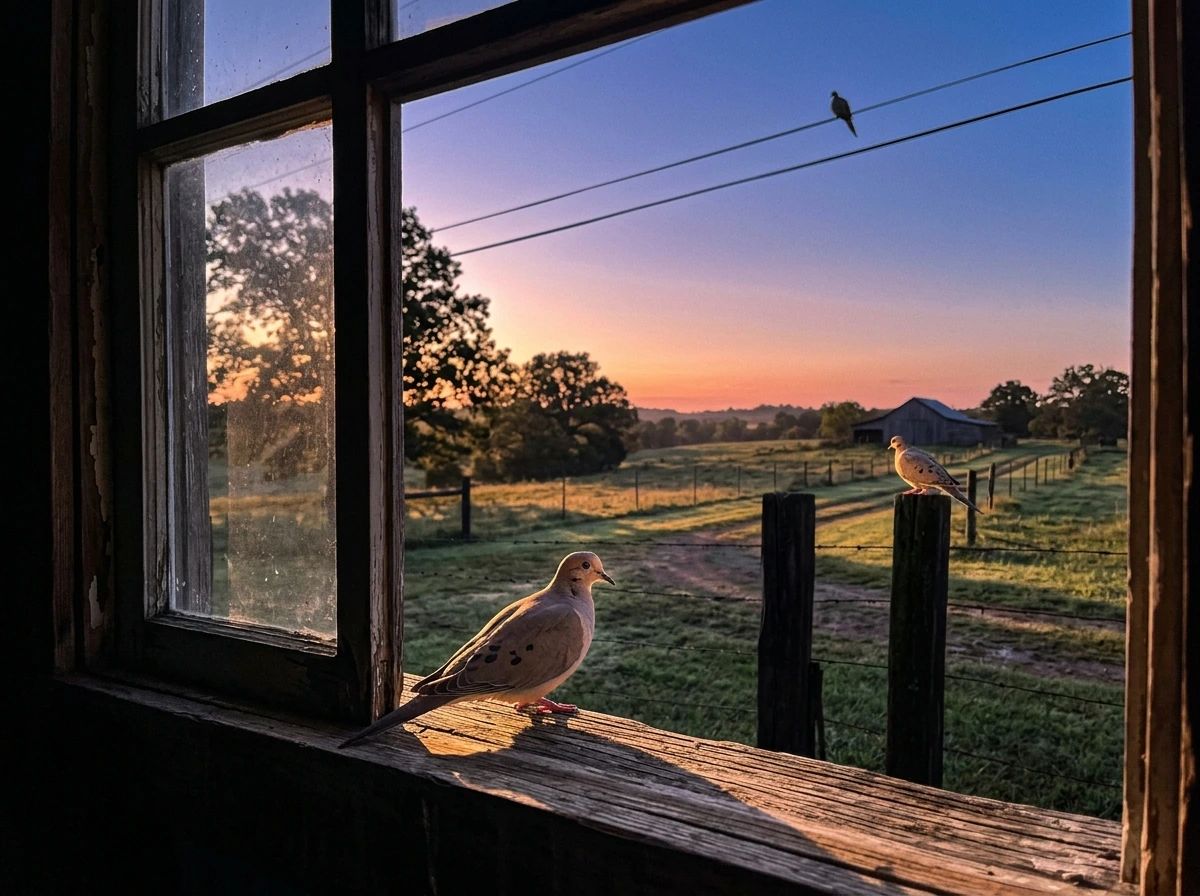
Mourning doves call most actively at dawn and dusk, especially during breeding season from spring through early fall. If you're hearing your mystery 'doe doe' call around sunrise or in the early evening from March through August, that's a strong indicator. If you also want the slang-style “dope bird” interpretation, the dope bird test meaning explains how that phrase is used online. Cornell's Macaulay Library has individual mourning dove recordings tagged with exact times, and many are captured at around 5:50 a.m., reinforcing how dawn-heavy this bird's vocal activity is.
Visual Clues to Confirm
If you can see the bird, look for these features on a mourning dove: a small rounded head, slim tapered body, long pointed tail, and a soft pinkish-buff breast. In flight, the wings make a distinctive whistling sound. They typically perch on wires, fence posts, and low branches, and they walk along the ground pecking for seeds. If you see a bird matching that description making your 'doe doe' sound, you've got your answer.
Comparing the Call Directly
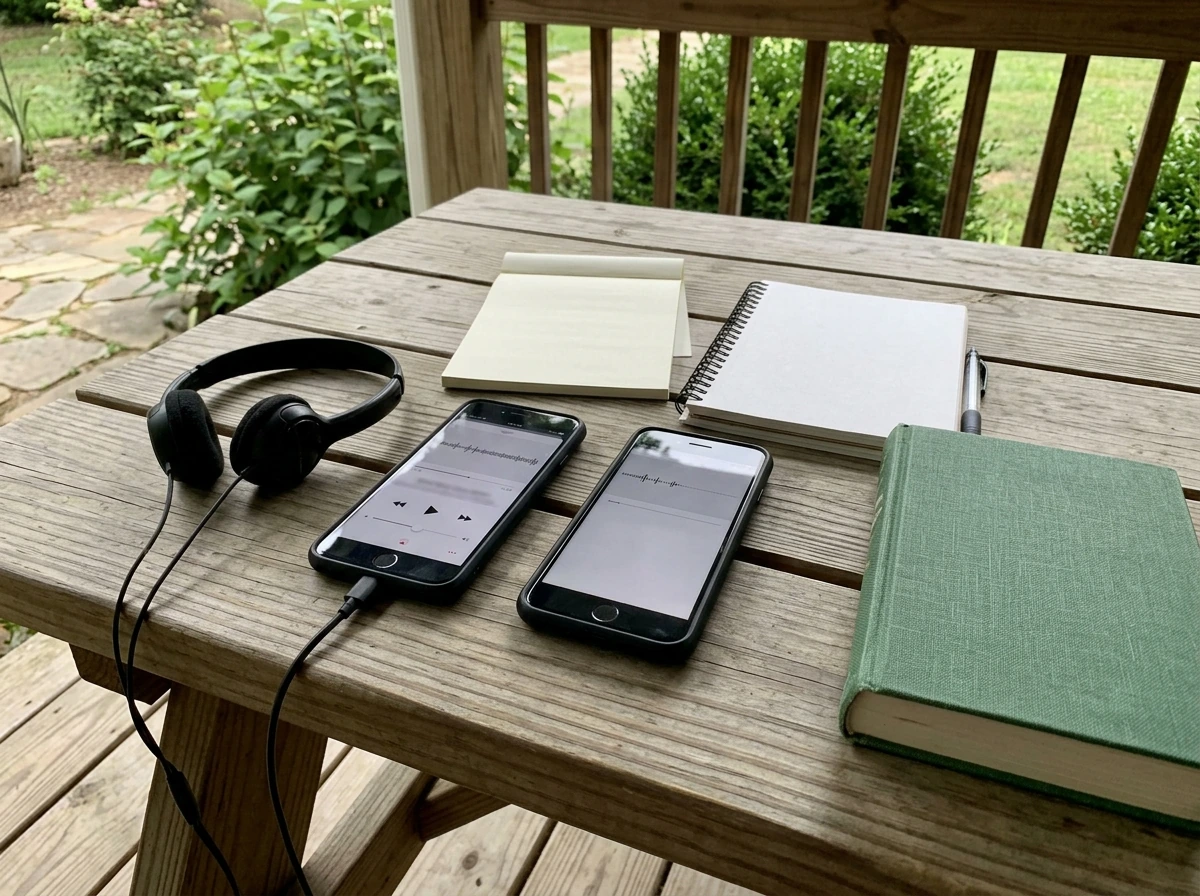
The best thing you can do right now is go to Cornell Lab's Macaulay Library (macaulaylibrary.org) and search for mourning dove. Play a few recordings and compare them directly to what you heard. blank" rel="noopener noreferrer">The Macaulay Library hosts millions of wildlife sound recordings and is specifically designed for this kind of call comparison. If your memory of the sound matches what you hear in those recordings, identification confirmed.
Why You're Probably Hearing This Bird Right Now
Mourning doves are not shy birds. They actively use suburban and urban spaces: backyards, parks, rooftops, and power lines. If you've recently noticed a soft, repeated cooing sound that you wouldn't have noticed before, you're probably more attuned to it now, not hearing something new. These birds call throughout the day but are loudest at dawn, and their calls carry well through quiet morning air.
Breeding pairs often return to the same area year after year, so if you're hearing a 'doe doe' sound every morning from the same spot, it's very likely a resident bird that's been there for a while. Spring is when calling intensity peaks because males are advertising territory and attracting mates. By late summer the calling drops off noticeably, which can help you cross-reference timing.
Still Can't Figure Out What It Is? Here's How to Narrow It Down
If the mourning dove recording doesn't match what you heard, don't stop there. Here's a structured way to troubleshoot:
- Record the call on your phone. Even a rough recording through your phone's microphone gives you something to compare and share. Apps like Merlin Bird ID from Cornell Lab can analyze live audio and suggest species in real time.
- Note the exact time of day, the date, and your location (city and state or country at minimum). This narrows the field significantly because most species have predictable ranges and active calling windows.
- Describe the call more specifically: How many syllables? Is it rising or falling in pitch? Does it repeat evenly or in a pattern? 'Doe doe' as two flat notes is different from 'doo-OO' with emphasis on the second syllable.
- Search Merlin Bird ID or eBird (both free from Cornell Lab) using your location and date. Both tools show which species are likely in your area right now.
- If you have a photo, even a blurry one, upload it to iNaturalist. The AI identification tool handles poor-quality images reasonably well and gives you a shortlist of candidates.
- Search the Macaulay Library using descriptive terms like 'dove coo,' 'soft two-note call,' or the specific species name if you have a guess. Filter by your region to reduce noise in the results.
If you're searching online and not getting results for 'doe doe bird,' try different phonetic spellings: 'doo doo bird call,' 'coo coo bird sound,' or 'soft cooing bird.' The variation in how people spell bird sounds is enormous, so flexible search terms help. You can also browse the related content on this site about the dodo bird meaning or the wave and bird emoji meaning, which covers the extinct dodo separately if that's actually what you were thinking of. If you meant the extinct bird specifically, the dodo bird meaning guide is a helpful related option to compare. If you were actually asking about the dodo bird emoji meaning, that extinct bird reference is the one to focus on. If you meant the bird-with-leaf emoji, it has specific meaning that can vary depending on the app or context bird emoji specifically. If you meant the bird emoji specifically, check what the bird emoji means in context because it can vary by platform what does the bird emoji mean.
If the Bird Is Near People or Pets
Mourning doves and most other dove species are non-aggressive and pose essentially zero safety risk to people or pets. They will fly away when approached and don't nest in ways that put them in conflict with people. If you've found a dove on the ground and it's not flying away, it may be injured or exhausted from a window strike. In that case, the right move is to leave it alone for an hour in a safe spot away from cats and dogs. Many stunned birds recover and fly off on their own.
If the bird is clearly injured (a drooping wing, can't stand, visible wound), contact a local wildlife rehabilitator. In the US, you can find one through the National Wildlife Rehabilitators Association directory or by searching 'wildlife rehabilitator near me.' Do not attempt to feed or house the bird yourself unless you have no other option, and do not give it water by forcing its beak open, as birds aspirate easily.
From an ethics standpoint, if a dove is nesting near your home, it's legally protected under the Migratory Bird Treaty Act in the United States. All About Birds also notes that native North American birds are protected under the Migratory Bird Treaty Act legally protected under the Migratory Bird Treaty Act. You cannot remove an active nest. If the location is genuinely problematic, contact a licensed wildlife control specialist who can advise on humane deterrents for after the nesting season ends. Mourning dove nests are flimsy and short-lived, usually wrapping up within a month, so patience is often the simplest solution.
FAQ
How can I be sure I’m matching the right bird call, not just any “coo coo” sound?
If what you heard sounds like “doe doe,” the most useful next step is to record a 10 to 20 second clip on your phone, then compare the rhythm and spacing to recordings. Typing “doe doe” online mixes together different call patterns, but the timing (how long between pairs of sounds) usually separates mourning doves from similar cooing species.
Why does the “doe doe” sound seem different each time I hear it?
Mourning dove calls are often described as soft and low, but in very quiet conditions you may hear a slightly different cadence depending on wind, distance, and whether you are facing the bird. If the call seems “fuzzier” or quieter than expected, move to a different spot and listen again, ideally at the same time of day.
Could “doe doe bird meaning” be something other than a dove?
Yes, other birds can produce a doubled syllable that people transcribe as “doe doe,” especially when they are distant. A key differentiator is whether the sound is truly a repeated two note coo (often with a longer pause), versus a faster, more varied phrase. If you cannot observe the bird, the safest ID is “dove-like coo,” then narrow using location and time window.
What if I hear the “doe doe” call at night?
If you hear “doe doe” at night, it may still be mourning dove, but it is less typical than dawn and dusk. Owls and some night-active calls can also be misheard as “coo” depending on background noise. Treat night sounds as lower confidence unless you confirm with a recording or you visually identify the bird.
When is the “doe doe” call most likely to happen?
You don’t need a precise season to narrow it down, but breeding season does matter. For North America, male calling tends to be strongest from spring into early fall, so if you never hear it during that window, consider other local dove or pigeon candidates.
If I can see the bird, what visual traits should I prioritize?
If you spot a bird, look for a combination rather than one trait. Mourning doves usually show a slim, tapered body and a long pointed tail, and they often perch on wires or fence posts before dropping to peck at the ground. If the bird’s build looks bulkier or the tail is not pointed, expand your comparison to local wood pigeons or other doves.
Why do online searches for “doe doe bird meaning” bring up unrelated results?
Many people search “doe doe bird” and get irrelevant results because they miss variations in how people spell bird sounds. Try searching multiple spellings and also include your region (for example, “soft cooing bird” plus your state or country) to filter to likely local species.
How do I decide whether a grounded dove is just stunned or truly injured?
If a dove is on the ground and not flying, the article’s “leave it alone for an hour” approach applies when it seems stunned but not clearly broken. If you see a drooping wing, bleeding, inability to stand, or repeated attempts to get up that fail, switch to contacting a wildlife rehabilitator right away instead of waiting.
What should I do if a mourning dove nest is near my home and I’m worried about safety or damage?
If you find a nest near your home, do not move it or attempt to relocate the birds, because active nests are protected in the US. If the nest is causing a practical issue, focus on timing and deterrents that a licensed wildlife control professional can recommend after nesting ends, since mourning doves typically finish within about a month.
What does it mean if the “doe doe” call is coming from the same place every day?
A simple confirmation is consistency: a resident bird often calls from the same few perches or spots across days. If you hear the “doe doe” sound from the same location repeatedly, that supports mourning dove in many regions, especially if the call intensity peaks around dawn or early evening.
Next Article
Dope Bird Test Meaning: What It Really Means and How to Check
Learn dope bird test meaning, common interpretations, and how to verify the right context fast.