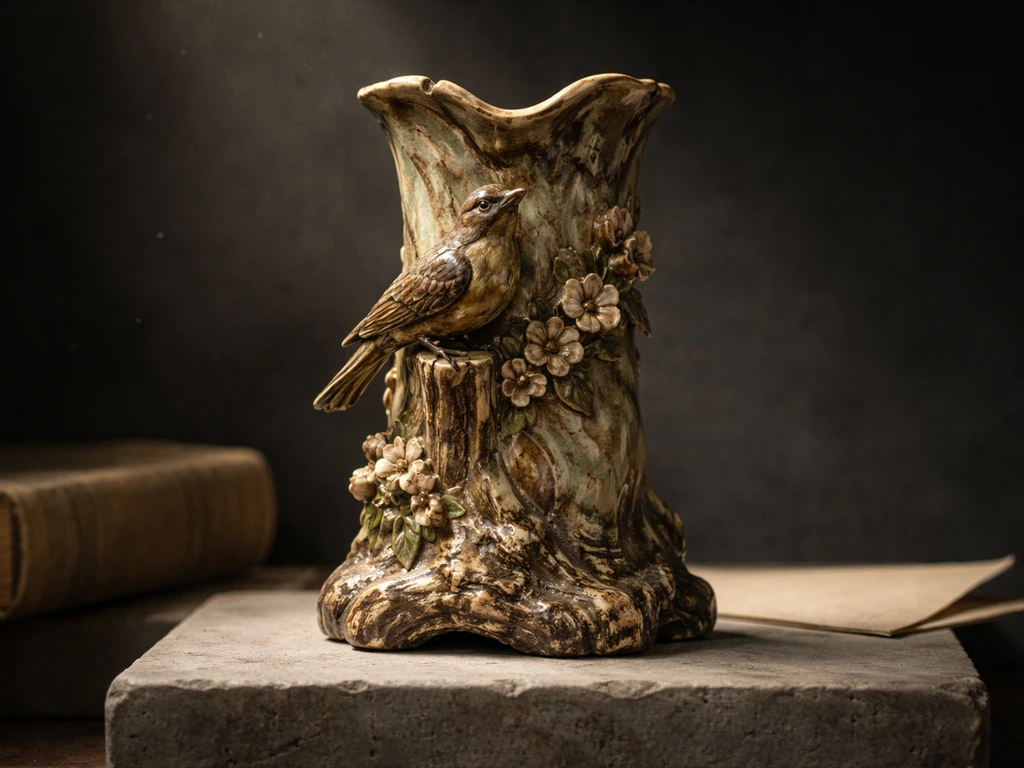
The 'bishop's bird stump' is a specific physical object: a decorative Victorian vase or urn shaped like a tree stump with a bird perched on it. The phrase became widely known through Connie Willis's 1997 comic science fiction novel 'To Say Nothing of the Dog: or, How We Found the Bishop's Bird Stump at Last,' where the characters spend the entire story trying to locate this one peculiar artifact. Outside of that novel, the phrase has no independent life as a common idiom or saying, so if you've run into it, the context is almost certainly either a reference to Willis's book or a description of this specific type of Victorian decorative object.
Bishop's Bird Stump Meaning: Literal, Figurative, and Origin

Marcus Whitley
13 May 2026
What 'bishop's bird stump' actually refers to
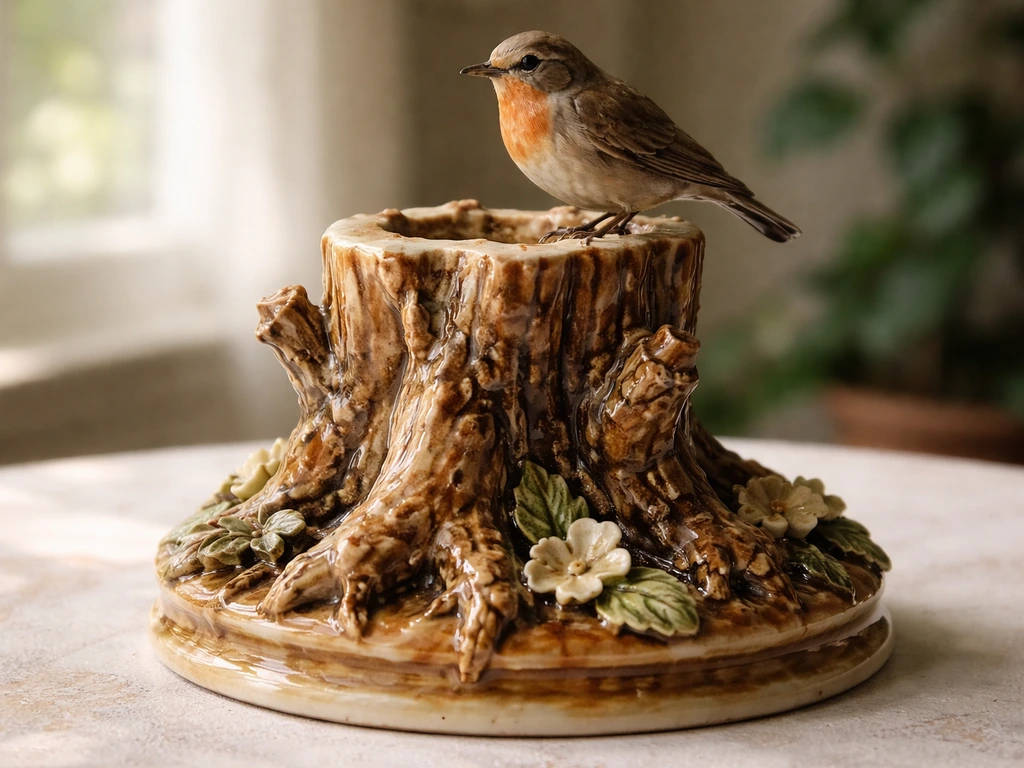
Let's break the phrase down. A 'bird stump' is a category of Victorian decorative pottery: a vase or urn molded to look like a tree stump, typically with a bird, often a realistic or stylized songbird, perched somewhere on it. These were genuinely produced during the Victorian era and sat on mantelpieces, sideboards, and church display tables. They were considered decorative but, by modern tastes (and honestly by many Victorian-era tastes too), they landed firmly in the 'aggressively ugly' category.
The 'bishop' part is specific to the novel. The bishop's bird stump is a particular specimen of this type of object, presumably owned or associated with a bishop, that Coventry Cathedral lost during the Second World War. In Willis's story, restoring history to its proper course requires recovering this one hideous artifact. Kirkus Reviews described it memorably as 'a grotesque Victorian artifact,' which tells you everything about the tone Willis was going for.
Literal meaning vs. what the phrase signals figuratively
Literally, the bishop's bird stump is an object, a real category of Victorian decorative ware that exists in museum collections and antique shops. If someone is using the phrase in a straightforward descriptive way, they mean this kind of ornate, bird-decorated tree stump vase.
Figuratively, the phrase carries a much richer meaning because of how it functions in Willis's novel. In the book, the bishop's bird stump is a classic MacGuffin, the thing everyone is chasing, the object that drives the entire plot, but which turns out to be almost comically unworthy of the fuss. Wikipedia describes the "bishop's bird stump" as a [MacGuffin](https://en. wikipedia.
org/wiki/Birdstumpvase) in Connie Willis's novel. A MacGuffin is a narrative device where the specific item barely matters; what matters is that everyone wants it. Willis leans into this hard by making the object genuinely, laughably ugly. So when people use 'bishop's bird stump' figuratively today, they usually mean something like: 'the ridiculous thing we're all inexplicably obsessed with finding' or 'a goal that turns out to be absurd once you actually reach it.
In short, the spurs bird meaning is that it points to a ridiculous quest or absurd MacGuffin, usually in a playful, self-aware way figuratively today. '
The tone is almost always comic. Nobody uses this phrase with a straight face. It signals self-awareness about the absurdity of a quest, and it's most at home in conversations among fans of Willis's novel or readers familiar with the Victorian-artifact-as-comic-foil tradition.
Where the phrase comes from

The phrase traces directly to Connie Willis's 1997 novel, which itself was a Hugo and Locus Award winner. Willis was writing a comic homage to Jerome K. Jerome's 'Three Men in a Boat' (1889), and she built her time-travel plot around the real historical loss of Coventry Cathedral's contents during the Blitz in 1940. The bishop's bird stump is fictional as a named specific object, but it's grounded in the actual Victorian tradition of bird stump pottery, which gives the joke its texture.
Before Willis, 'bird stump' as a term existed in the world of antique decorative arts, but it had no particular cultural resonance. Willis essentially elevated a forgotten category of Victorian kitsch into a shorthand for 'absurd MacGuffin,' and for readers who've been through the novel, that meaning sticks. The phrase doesn't appear in older idiom dictionaries, proverb collections, or regional slang guides, its entire cultural footprint runs through that one book.
How to read it when you encounter it
Context is everything here. There are really only two situations where you'll encounter 'bishop's bird stump':
- Someone is discussing, recommending, or referencing Willis's novel directly — in which case the phrase is the actual title object and the speaker is probably a fan.
- Someone is using it metaphorically to describe a ridiculous goal or an absurd object of obsession — almost always with humor, and almost certainly assuming the listener knows the reference.
The tone is consistently playful, never earnest. You wouldn't call something a 'bishop's bird stump' if you wanted to convey genuine reverence or importance. The moment someone uses this phrase, they're signaling that they find the situation at least a little funny. An example in conversation: 'After three hours debugging, I finally found the bug, it was a missing semicolon. Classic bishop's bird stump situation.' The implication is: all that effort, all that drama, for something this trivial and strange.
Bird idioms and phrases people confuse this with
Because 'bird' appears in so many idioms, people sometimes arrive at 'bishop's bird stump' having confused it with something else. Here are the most common mix-ups worth clearing up:
- 'Bird in the hand' — a proverb about settling for what you have rather than risking it for more. Completely unrelated in origin and tone; no connection to bird stump pottery or Willis's novel.
- 'For the birds' — American slang meaning worthless or nonsensical. Closer in tone (both involve something being ridiculous) but different in origin and usage.
- 'Strange bird' — used to describe an eccentric person, not an object or quest.
- Spurs bird symbolism or starling meanings — if you've landed here from exploring bird symbolism more broadly, those are genuinely different topics dealing with birds as animals and their cultural or spiritual significance, not decorative pottery.
The stump element also causes confusion. 'Stump' in other contexts means to baffle or confuse someone ('that question stumped me'), but in 'bird stump' it's purely physical, referring to the tree stump shape of the vase. No puzzle or riddle meaning applies here.
What the 'bird' element usually signals in phrases like this
Across bird symbolism more broadly, birds tend to carry themes of freedom, aspiration, communication, and the soul's journey. You see this in everything from the dove as a peace symbol to ravens as harbingers of mystery, to sparrows as emblems of small but persistent vitality. Sparrows in symbolic language are often linked to small but persistent vitality, which can influence how readers interpret bird-related phrasing like this. When a bird appears in a decorative or symbolic object (as opposed to a living creature in a story), it often functions as a status marker or charm, something meant to bring good fortune or aesthetic pleasure to a space.
In the specific case of the bishop's bird stump, the bird on the vase is stripped of most of that symbolism. The humor of the whole premise depends on the object being impressive on paper (it's a bishop's bird stump, sounds significant) but absurd in reality (it's an ugly Victorian pot with a bird on it). Willis is playing with the gap between the elevated symbolism birds usually carry and the bathos of the actual object.
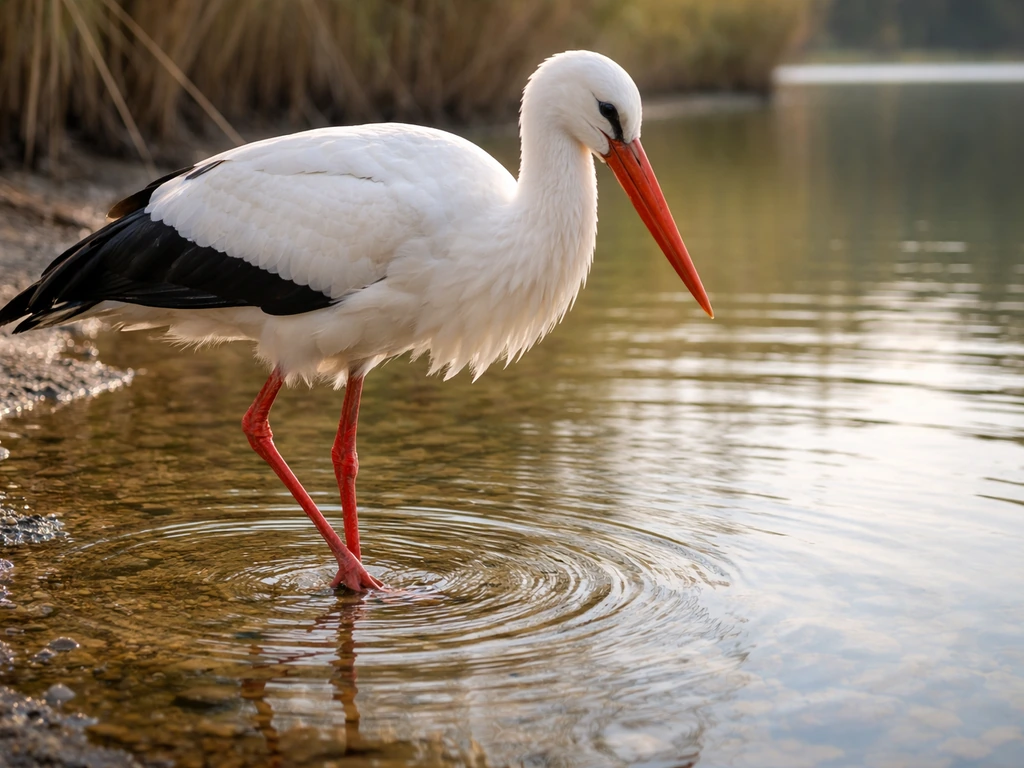
That gap is the joke. Compared to something like the stork's associations with new life and delivery, or the sparrow's humble spiritual symbolism, the bird on the bishop's bird stump has been completely demoted, it's decorative and slightly grotesque, not meaningful. If you're also curious about the stork bird meaning in symbolism, it is commonly linked to new life and delivery stork's associations with new life and delivery.
If you are looking for starling bird meaning, it helps to separate general bird symbolism from the intentionally demoted bird on this specific Victorian object bird stump.
How to verify the exact meaning for your situation
If you're not sure whether someone is using 'bishop's bird stump' literally (referring to the Victorian object or the novel) or figuratively (calling something a ridiculous MacGuffin), check these things:
- Is the source text a discussion of Connie Willis, science fiction, or time travel? If yes, it's almost certainly a direct reference to the novel.
- Is the phrase being used to describe a real antique, a museum piece, or Victorian decorative arts? Then it's the literal object category.
- Is the speaker describing a frustrating or absurd search — something they've been chasing that turned out to be trivial or strange? Then it's the figurative MacGuffin usage.
- Is there any game, puzzle, or riddle context? The phrase isn't common in those settings, so if you're seeing it there, double-check whether the source is adapting the novel's plot rather than using an independent idiom.
- Check the surrounding words for tone. Phrases like 'finally found,' 'turns out to be,' or 'all that fuss over' are strong signals that the MacGuffin meaning is in play.
If you still can't pin it down, the fastest route to clarity is searching the phrase alongside the author's name or the novel's full title. Almost every serious use of 'bishop's bird stump' leads back to Willis's book within one or two clicks. If it doesn't, you're likely looking at someone who found the Victorian object independently and is describing it without the literary reference, in which case, a quick search for 'bird stump vase Victorian' will show you exactly what the physical object looks like and confirm whether that's what's being described.
FAQ
How can I tell whether “bishop’s bird stump” is meant literally or as a metaphor?
If the speaker is referencing the novel, it is almost always metaphorical. A literal use will usually include details like “Victorian vase,” “urn,” “tree-stump form,” or “bird perched on top,” and it will not frame the object as something everyone is chasing through time travel or historical restoration.
Is “bishop’s bird stump” ever used seriously, or is it always comedic?
Using it earnestly usually makes the joke fall flat. It is typically used playfully to emphasize that an exhausting quest ends in something petty, ugly, or anticlimactic, so it works best when the speaker signals amusement or self-aware understatement.
Can I shorten it to “bird stump,” and will people understand what I mean?
Yes, people sometimes shorten it to “bird stump” or use “bishop’s bird” in conversation, but the full phrase is what most listeners will recognize. If someone says only “bird stump,” you should ask whether they mean the Willis reference or the Victorian vase category to avoid confusion.
Does “bishop’s bird stump” rely on bird symbolism (like peace or good luck)?
Don’t connect it to the general phrase “bird” symbolism like love, omens, or freedom in any straightforward way. In this specific usage, the bird’s presence is mostly there to heighten the mismatch between “sounds impressive” and “is actually kitschy and grotesque,” which is the comedy mechanism.
What does “MacGuffin” add to the figurative meaning here?
A “MacGuffin” is an object or goal that characters obsess over, while the story’s real interest is in the pursuit and the effects of the pursuit, not the object’s inherent value. In bishop’s bird stump usage, that distinction is central, the thing being chased is intentionally underwhelming once you reach it.
If someone says they “found the bishop’s bird stump,” do they mean they located an antique?
If someone says “I found it,” they may be describing either (1) locating the physical Victorian-style artifact they have in mind, or (2) completing the absurd quest they jokingly compare to Willis. The context clue is whether they describe the effort like an exaggerated hunt (metaphor) or like identifying a specific collectible (literal).
Why doesn’t “stump” here mean “confuse” like in other phrases?
The most common mistake is thinking “stump” means “to puzzle” or “to baffle,” because that is a common English usage. In this phrase, stump is the physical tree-stump shape of the vase, so it should be interpreted as an object-description term, not a mental-state term.
How should I reference the phrase if I’m writing a review or essay?
If you are trying to write it accurately in a reference, keep the punctuation consistent with the book’s framing, “To Say Nothing of the Dog: or, How We Found the Bishop’s Bird Stump at Last.” In casual talk you can omit the long title, but if you quote the phrase without attributing Willis, readers may treat it as a random antique description instead of a known literary reference.
How would I use it in a modern context like work or software debugging?
When someone uses it in a tech, project, or everyday-life situation, it usually maps to “hours of work for a tiny cause or trivial outcome.” It is most effective when the payoff is anticlimactic, for example “turns out the whole problem was a missing configuration line.”
Next Article
Stork Bird Meaning: Symbolism, Sayings, and Context
Learn the meaning of stork bird in sayings and symbolism, from birth and good news to luck, homecomings, and seasons.