
Most lovebird sounds mean exactly what they feel like: contact, comfort, excitement, or mild complaint. A steady stream of chirping from a bonded pair is healthy communication. If you're wondering, “the bird is chirping meaning,” context like volume, timing, and whether your lovebird seems relaxed can help you interpret the message. A sudden shift to silence, screaming, or an unusual raspy tone is worth paying attention to. If you were searching for the siren bird meaning, look for how the tone relates to fear, warnings, or attention rather than treating it as one fixed signal. The trick is knowing which sounds belong in the "totally normal" column and which ones deserve a closer look today.
Love Bird Sound Meaning: Calls, Chirps, and What to Do

Marcus Whitley
27 May 2026
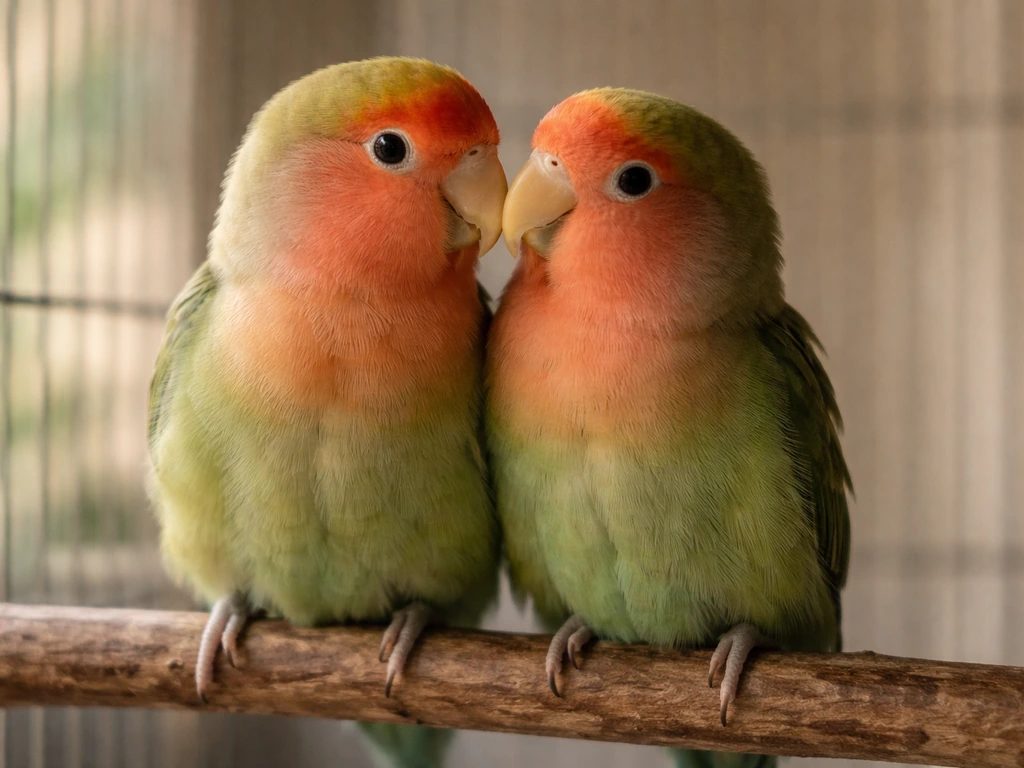
Literal lovebird calls vs symbolic meaning: a quick clarification
If you landed here because you heard the word "lovebird" used poetically (think: calling a couple "lovebirds," or seeing the term in song lyrics), that's a different rabbit hole. The metaphorical lovebird belongs to the long tradition of bird symbolism in everyday language, where birds become shorthand for emotional states. Doves signal peace, ravens signal mystery, and lovebirds signal devoted partnership. That figurative usage is covered a bit more at the end of this article.
But if you have an actual lovebird (Agapornis species) in your home and you're trying to decode what it's telling you with its voice, this guide is aimed squarely at you. The two meanings overlap more than you'd think: real lovebirds earned their symbolic reputation precisely because of how vocally and visibly devoted they are to their partners. Understanding their actual sounds deepens the metaphor, honestly.
Common lovebird sounds and what they usually mean
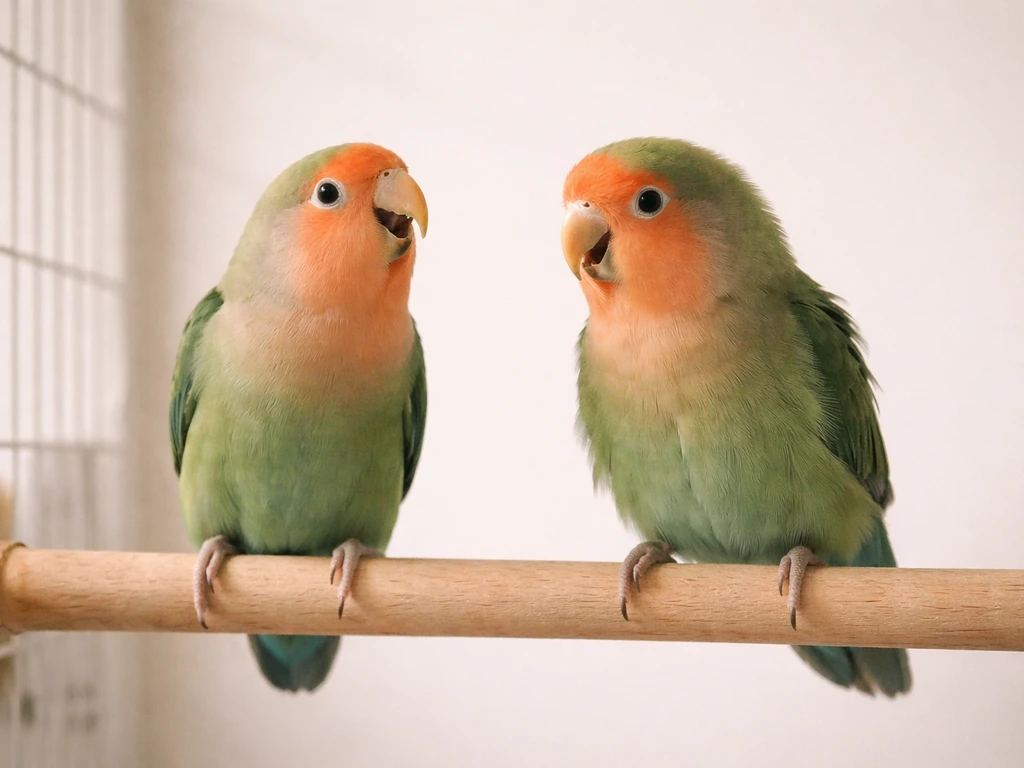
Lovebirds are small parrots with a surprisingly big vocal range. They don't talk the way an African grey does, but they communicate constantly through a vocabulary of chirps, chatters, whistles, and screams. If you keep hearing a chatter-type call, you may be looking up chatter bird meaning and how it can differ from everyday chirping. Here's a practical breakdown of what you're likely hearing.
| Sound | Likely Meaning | How to Confirm |
|---|---|---|
| Soft, repetitive chirping | Contentment, casual contact with partner or owner | Bird is active, eating normally, feathers are smooth |
| Contact call (sharp, repeated chip or cheep) | Checking in — asking 'where are you?' | Usually stops when the bird can see or hear you respond |
| Chattering/babbling (fast, varied tones) | Playfulness, mild excitement, social engagement | Accompanies movement, foraging, or toy interaction |
| Whistling (melodic, sometimes mimicking) | Bonding display, courtship, or learned attention-seeking | Often directed at partner or owner; bird looks alert and relaxed |
| Loud, persistent screaming | Alarm, separation anxiety, or frustration | Check for missing flock-mate, covered cage, or sudden change |
| Hissing or rapid clicking | Aggression or warning — back off | Bird is puffed, crouching, or lunging; territorial situation |
| Quiet or near-silent | Rest (normal mid-morning dip) OR health concern | Normal if brief and mid-day; concerning if lasting over 24 hours |
One pattern worth memorizing: lovebirds naturally get quieter around mid-morning and then pick back up vocally in the late afternoon. That rhythm is well-documented in lovebird care literature and is completely normal. If you're alarmed by a quiet bird at 10am, check the clock before you panic.
Bonding vs stress: how to tell the difference
This is where most people get confused, because a stressed lovebird and a bonded, happy lovebird can both be loud. The key is context and consistency, not just volume.
Signs the sounds are healthy bonding behavior
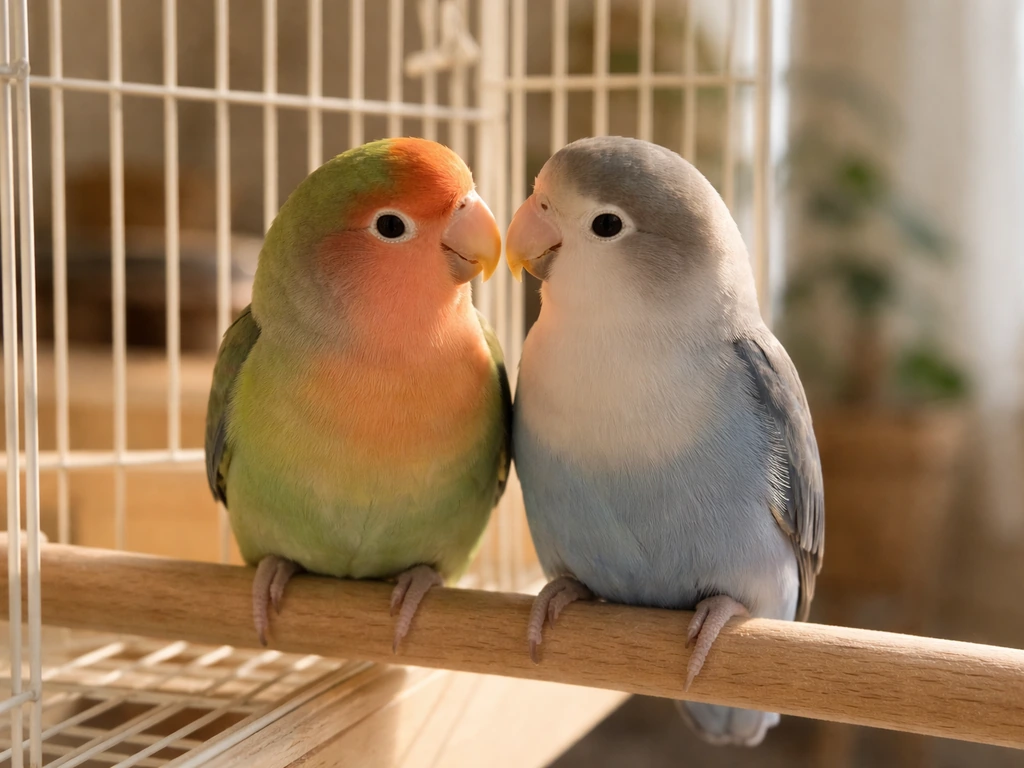
- Chirping and chattering resume predictably each morning and again in late afternoon
- Sounds are directed at a partner, a favorite person, or a mirror (common in solo birds)
- The bird stops calling when it gets a response (contact call satisfied)
- Whistling or soft singing while preening or eating
- Both birds in a pair vocalizing back and forth in turn
Signs the sounds indicate stress, fear, or a problem
- Screaming that doesn't stop even after you respond or approach
- A normally chatty bird that goes quiet for more than a few hours outside its usual rest window
- Hissing or biting paired with vocalizations, especially if this is new behavior
- Calls that sound labored, raspy, or wheezy rather than clear and crisp
- Fluffed feathers, tail-bobbing, or sitting low on the perch while being unusually quiet
Stress in pet birds can express itself as both screaming and silence depending on the bird and the situation. PetMD notes that behavioral changes including vocal shifts, fear responses, and aggression can all signal that a bird is under stress. So there's no single "stress sound", you're looking at the whole picture.
What to check at home right now
Before assuming a sound problem is medical, run through these environmental and behavioral checks. Most unusual vocalizations trace back to something in this list.
- Partner presence: Lovebirds are intensely pair-bonded. If a bonded partner is absent (moved, passed away, or even just out of sight in another room), the remaining bird will often scream persistently. This is separation distress, not a medical issue — but it's urgent in its own way.
- Cage placement and lighting: Is the cage near a window with direct sun that could overheat the bird? Is it in a drafty spot? Has it been moved recently? Changes in location can trigger anxiety vocalizations.
- Sleep schedule: Lovebirds need 10-12 hours of darkness to sleep. A bird that's kept up too late by household lights or noise will often be cranky, louder, and more reactive the next day.
- Temperature: The comfortable range for lovebirds is roughly 65-85°F (18-29°C). Cold drafts or overheating can both produce stress sounds and lethargy.
- Diet changes: A switch in food (especially removing a favorite item) can produce protest vocalizations. Make sure fresh water and food are always available.
- New stimuli: New pets, new people, rearranged furniture, or a new object near the cage can all trigger alarm calls that resolve once the bird habituates.
- Flock dynamics: If you have two lovebirds that were recently paired, some aggressive vocalizations (hissing, rapid chattering at each other) are normal during bonding. It becomes a problem if one bird is physically cornering or injuring the other.
When to suspect illness or injury
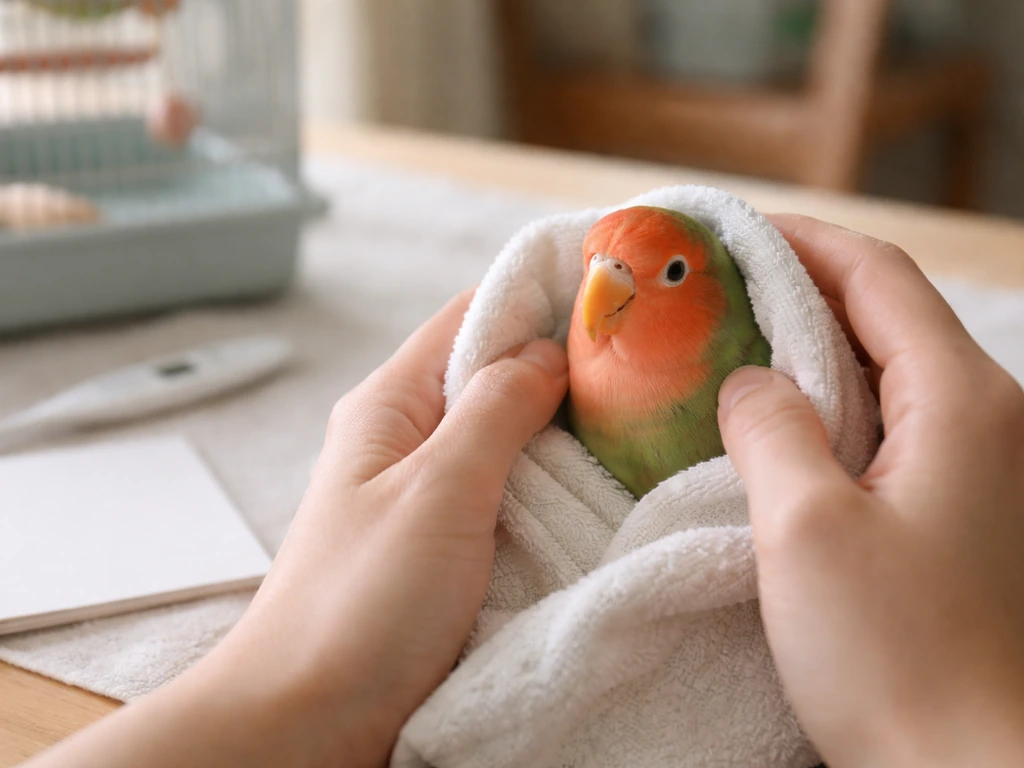
Birds instinctively hide illness, it's a survival mechanism that unfortunately makes early detection hard for owners. Vocal changes are often one of the first clues something is physically wrong, because a bird that doesn't feel well simply stops communicating as much, or communicates differently.
The clearest red flag: if your lovebird is normally vocal and goes silent (or near-silent) for more than about 24 hours, especially alongside any other change, get to an avian vet as soon as possible. That timeframe comes from veterinary guidance and is worth taking seriously. A quiet bird is not a calm bird by default.
A sudden decrease in sound or a complete stop is commonly associated with discomfort, breathing difficulty, infection, or stress at a physiological level. It's not just behavioral, respiratory infections, for example, can make vocalizing physically painful or difficult, which is why a rasping or clicking quality to the sound also warrants attention.
Vet red flags: go today, not next week
- Silence lasting more than 24 hours in a normally vocal bird
- Raspy, wheezy, or clicking quality to vocalizations (possible respiratory issue)
- Open-mouth breathing or tail-bobbing while at rest
- Sounds of distress paired with sitting at the bottom of the cage
- Any bloody discharge, visible injury, or labored movement alongside vocal changes
- Sudden extreme screaming with no environmental trigger — especially at night
Always look for an avian specialist rather than a general small-animal vet if you can. Lovebirds have specific physiology that most dog-and-cat vets aren't trained to handle.
How to respond to what you're hearing
Once you've identified the likely meaning of a sound, here's what to actually do. The response differs a lot depending on whether you're dealing with a healthy bird or a worried one.
For contact calls and normal chirping
Respond with your own voice, a whistle, a verbal reply, or just talking to your bird from across the room. This satisfies the contact call and reinforces that you're part of its flock. You don't need to rush over every time; just answer. This is honestly one of the most bonding things you can do with a lovebird, and it mirrors how a paired lovebird would respond to its partner.
For persistent screaming
Don't reward the screaming by rushing in immediately every single time, that can train the bird to scream for attention. Instead, wait for a brief pause, then approach calmly and reward quieter behavior with attention. At the same time, investigate the trigger: is the partner missing, is something frightening near the cage, is the bird overdue for out-of-cage time? Address the root cause rather than just the noise.
For unusual silence
Check the time first. If it's mid-morning and the bird had an active early-morning session, it may just be resting. If the quiet persists past the late-afternoon window when chirping normally resumes, run through the home checklist above. If nothing explains it and the bird looks physically off (fluffed, eyes closing, sitting low), call an avian vet the same day.
Lovebirds in language: how the word shows up in idioms and metaphor
The word "lovebird" does a lot of work in everyday English beyond describing the actual species. That’s why some people search for the singing bird meaning as a way to connect bird sounds to emotion or messages everyday English. Calling two people "lovebirds" is probably the most common use, and it leans entirely on the bird's real-world reputation: Agapornis species really do form intensely bonded pairs, preen each other, sit pressed together, and call back and forth constantly. The metaphor earned its place. When someone calls a couple lovebirds, they're invoking all of that, the inseparability, the constant communication, the slightly oblivious-to-everyone-else quality of a bonded pair.
The "sound" element adds another layer. When people talk about the sounds of love, cooing, chirping, constant chatter between two people, they're borrowing bird language directly. This is a pattern you see across bird symbolism more broadly: the chatty or melodic bird becomes a stand-in for expressive emotion. If you're wondering about messenger bird meaning in particular, the term is often used in symbolism to point to messages, news, or guidance.
In other words, the chatty bird meaning usually points to expressive emotion and constant communication rather than just noise chatty or melodic bird. The way lovebirds vocalize constantly to each other is part of why the word works as a metaphor. Their sound is their bond.
If you're interested in how bird vocalizations carry symbolic meaning more generally, the same idea runs through related concepts like the singing bird and the chirping bird in metaphorical language, birds that make noise are almost universally read as communicating something emotionally significant. A siren bird typically points to the idea of an ominous or attention-getting call, but the meaning depends on the context and the species involved siren bird meaning.
There's also a less romantic side to the idiom. "Stop being lovebirds" or "you two lovebirds" can carry mild irony or teasing, suggesting the couple is being excessive or oblivious. The sound association plays in here too: a pair that won't stop chirping to each other, tuning everyone else out. Even in its teasing form, the phrase acknowledges the depth of the bond, it's an affectionate jab, not a real insult. That dual quality (genuine admiration and gentle mockery) is something lovebird symbolism shares with a few other bird metaphors in English, where the bird stands for both a virtue and its slightly overdone version.
FAQ
How can I tell if a lovebird call is normal vocalization or a problem?
If your lovebird’s “normal” call pattern suddenly changes, trust the pattern more than the single sound. A bird that is louder but stays alert, with normal posture and appetite, can be fine. A quieter bird that also sits low, ruffles, breathes with effort, or has reduced droppings needs veterinary attention, even if the sound it makes seems “small” or “not dramatic.”
Why does my lovebird scream when I leave, and what does that usually mean?
A good rule is to separate contact calls from attention-seeking screaming. Contact calls usually come with relaxed body language and often happen when the bird can see you or its partner. Screaming tied to a specific event (door opening, you leaving, you passing the cage) is often learned behavior, especially if the bird quiets right after you respond.
What should I look for when I answer my lovebird’s call, does it tell me anything?
Listen for response timing. When you talk back or whistle and the bird calls again within a short period, it usually indicates social contact. If you respond and the bird escalates, freezes, or continues with raspy, clicking, or wheezing-like sounds, that points more toward fear, pain, or breathing trouble.
Could lighting or environment change my lovebird’s sound meaning?
If the bird goes nearly silent during the usual noisy windows, check for simple environmental triggers first: cold drafts, direct sun changes, strong smells (cleaners, smoke, aerosols), loud household sounds, or a cage location where the bird suddenly feels exposed. Also confirm the light cycle is consistent, since irregular day length can shift vocal activity.
My lovebird is quiet, is silence ever a good sign?
Try not to interpret “silence” as calm if it lasts. If silence persists beyond about 24 hours, especially with any physical change, treat it as a medical concern and contact an avian vet the same day. Waiting to “see if it passes” is risky with birds because they hide illness.
What does increased calling mean if my lovebird’s partner is missing or separated?
During partner absence, increased calling is common, but the goal is to reduce distress. If the partner is safely away temporarily, keep routines the same and provide enrichment, but avoid prolonged handling if the bird shows panic. If the bird is alone long-term, consider whether you should add a compatible companion or discuss bonding options with a specialist.
What’s a simple way to track sound changes without guessing?
If you want to figure out whether a vocal change is behavioral or medical, track three things for 1 to 2 days: vocal frequency, breathing effort (open-mouth breathing, tail bobbing, repeated stretching), and appetite or droppings consistency. A change in multiple categories usually favors a health issue over stress alone.
Is a raspy or clicking lovebird sound always stress?
Don’t assume every “raspy” or unusual tone is just a bad mood. Respiratory problems can alter vocal quality and reduce chirping, and pain can make sound production uncomfortable. If you hear wheeze, clicking, open-mouth breathing, or see a fluffed, tucked posture, seek an avian vet promptly.
Do lovebird sound meanings change if I only have one bird?
Whether you have a bonded pair matters. For a bonded pair, calls often function like turn-taking and reassurance. For a single lovebird, the same sound may be stronger and more persistent because it is seeking flock contact from you. The “meaning” is still contextual, but the direction (partner-to-partner versus bird-to-human) changes what the sound is communicating.
How do I interpret “lovebird” or “lovebird sounds” when it’s used metaphorically?
For symbolic or metaphorical “lovebird” language, the phrase points to devotion and constant communication. The sound implication is typically emotional expressiveness, not a specific bird call. If you’re trying to translate it literally, use your real bird’s body language and timing instead of assigning one fixed “meaning” to every chirp.
Next Article
Siren Bird Meaning: Figurative vs Literal Context Check
Learn siren bird meaning: figurative warning lure vs literal bird usage, with context clues to disambiguate and interpre