When someone says 'mine that bird,' the most likely meaning depends almost entirely on context, but the phrase most commonly means one of three things: claiming or appropriating something (or someone) valuable, extracting useful material from a source, or it's a mishearing of a different phrase entirely. It's not a fixed idiom with a locked-in definition, which is exactly why it can be confusing. The good news is that a few quick checks will tell you exactly which meaning applies.
What Does Mine That Bird Mean? Idiom and Context Guide

Marcus Whitley
24 Jun 2026
Did you actually hear 'mine that bird'? Start here
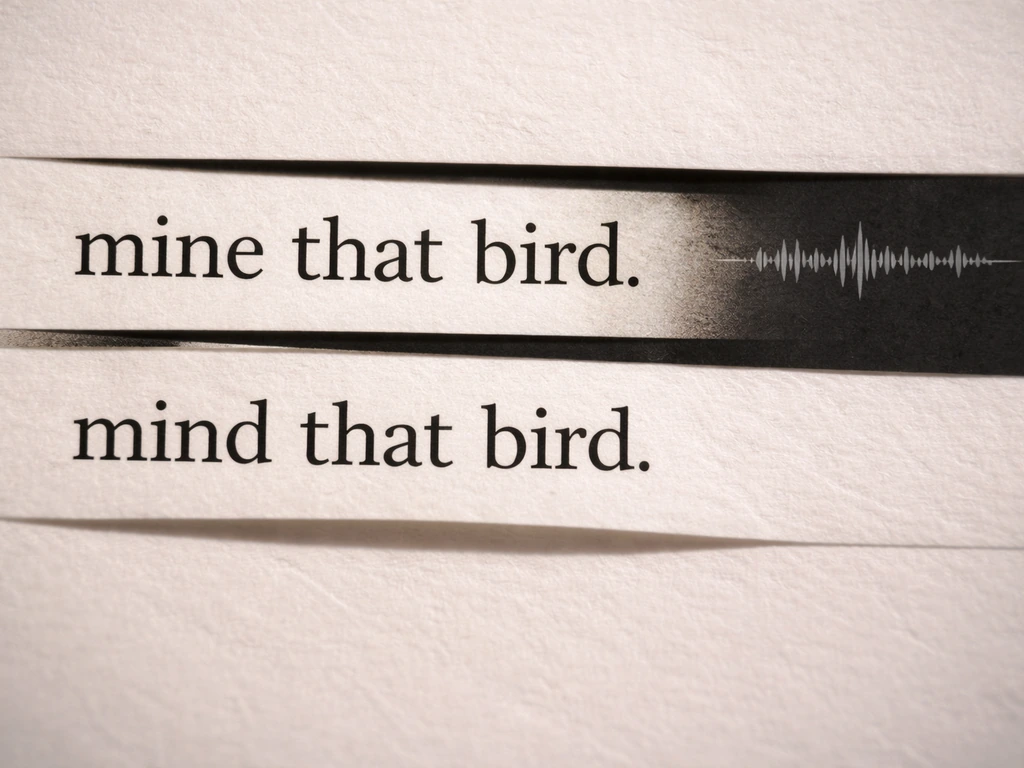
Before unpacking the phrase, it's worth pausing on a genuinely common problem: you might not have heard or read it correctly in the first place. 'Mine that bird' is not a widely standardized English idiom, which means there's a decent chance what you encountered was a close variant. Here are the most common mishearing and misreading pathways worth checking:
- 'Mind that bird' — a warning to watch out for or pay attention to a particular bird or person (completely different meaning, since 'mind' here means 'be careful of')
- 'Mine that baby' — a slang expression of claiming something desirable, where 'baby' is the stand-in for 'bird'
- 'Mine, that bird' — a possessive declaration ('that bird is mine'), just with unusual word order in speech or lyrics
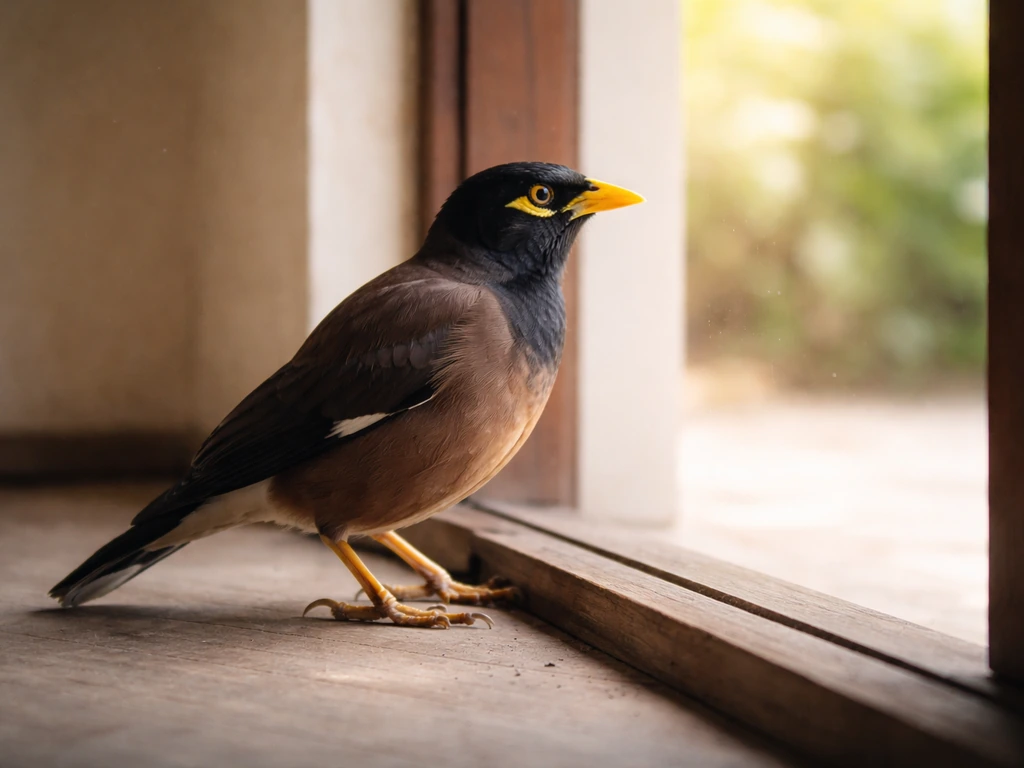
- 'Myna bird' or 'mynah bird' — a reference to the actual species of talking bird, which sounds similar when spoken quickly
- A song lyric where 'mine' rhymes with or flows into 'that bird' across a line break, making the phrase sound like a unit when it isn't
If any of those feel closer to what you actually heard, you'll want to track down the original source before interpreting the phrase. The section near the end of this article covers exactly how to do that.
What 'mine' is doing in this phrase
The word 'mine' carries three distinct verb meanings in English, and all three can plausibly appear in a phrase like 'mine that bird' depending on who's speaking and why. Understanding which one is in play is the key to getting the right interpretation.
| Sense of 'mine' | What it means | Example in use |
|---|---|---|
| Extract/collect | To pull something valuable out of a source, the way you mine ore or coal | 'Mine that data' — go through it and pull out what's useful |
| Claim/appropriate | To stake a possessive claim on something, treating it as yours | 'Mine that bird' — I'm calling dibs on that person or thing |
| Excavate/dig into | To go deeper into something, explore it thoroughly | 'Mine that topic' — dig into it, don't just skim the surface |
Merriam-Webster defines 'mine' as a verb meaning 'to extract from a source,' and Cambridge confirms this extract/collect sense is the standard verb usage. But in casual and slang speech, 'mine' frequently functions as a possessive verb too: to make something yours, to claim it. The distinction matters because 'mine that bird' as an extraction command ('go extract value from that source') feels very different from 'mine that bird' as a claiming declaration ('that bird is going to be mine').
What 'bird' means here: literal, slang, or symbolic
This is where things get genuinely interesting, because 'bird' is doing a lot of work in English across different communities and traditions. If you meant to ask about the meaning of mynah bird, that is a completely different topic from the “mine that bird” phrase. The word can mean an actual bird, a person, an idea, or a symbol, and each reading changes the whole flavor of the phrase.
The literal bird
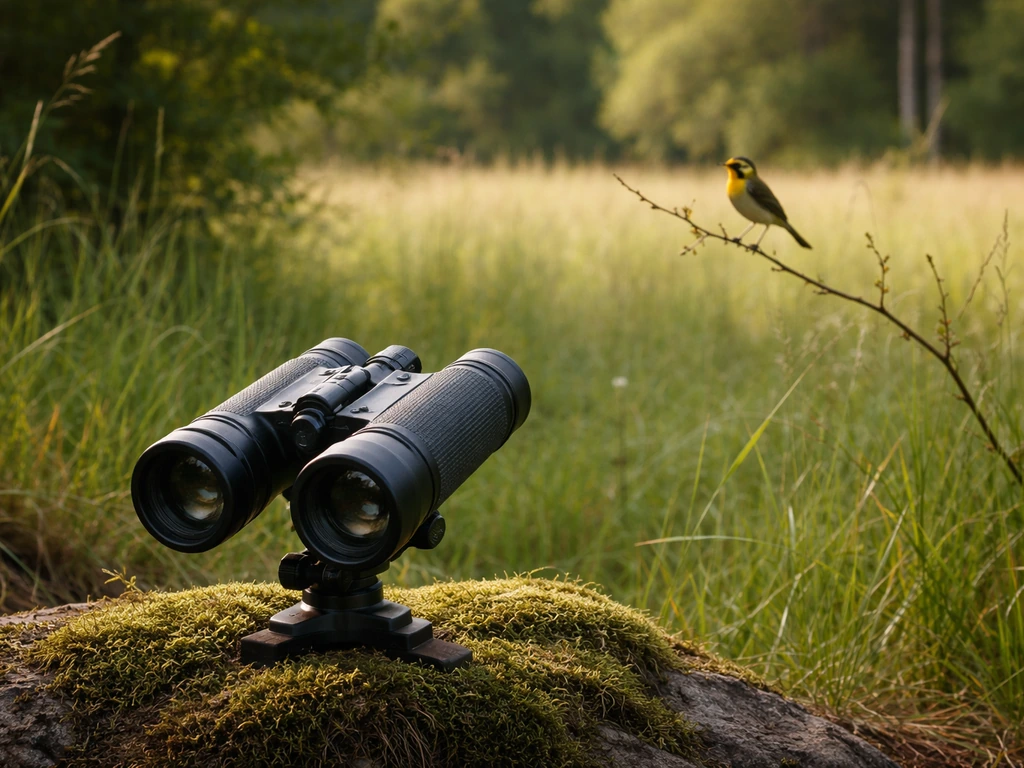
In hunting, birding, or falconry contexts, 'mine that bird' could simply mean 'go after that specific bird' or 'claim that one as your target.' This reading is the most literal and also the least common outside those specific hobbies. If the person who said it was talking about wildlife, birdwatching, or hunting, this is probably your answer.
Bird as British slang for a young woman
In British English, 'bird' is well-documented slang for a young woman or girl. It shows up in dictionaries of English slang and has a long history of use across the UK, though attitudes toward it vary: some find it casual and harmless, others consider it reductive. If the speaker has a British background or is using British slang, 'mine that bird' could mean 'go claim that woman' or 'she's going to be mine,' essentially a very informal, possessive declaration about someone. Reddit discussions about the etymology of 'bird' as slang for women suggest it may trace back to Old English 'brid' (a young bird, a chick), which eventually got repurposed as a term for a young woman.
Bird as metaphor or symbol
Bird symbolism runs deep across cultures. blank" rel="noopener noreferrer">Merriam-Webster even includes 'bird of freedom' as an idiomatic entry, showing how birds carry abstract symbolic weight in English. In similar bird-focused language, people also search for the mother bird meaning to understand what the phrase suggests in context. In biblical and literary traditions, the bird is often a metaphor for the soul, an idea, or something elusive and valuable (the song 'The Great Speckled Bird,' rooted in Jeremiah 12:9, is a classic example of bird used as rich symbolic imagery). If 'mine that bird' appears in a poem, a song with heavy metaphor, or a spiritual text, 'bird' might represent something conceptual: a dream, an opportunity, an idea worth capturing.
How tone and scenario shift the whole meaning
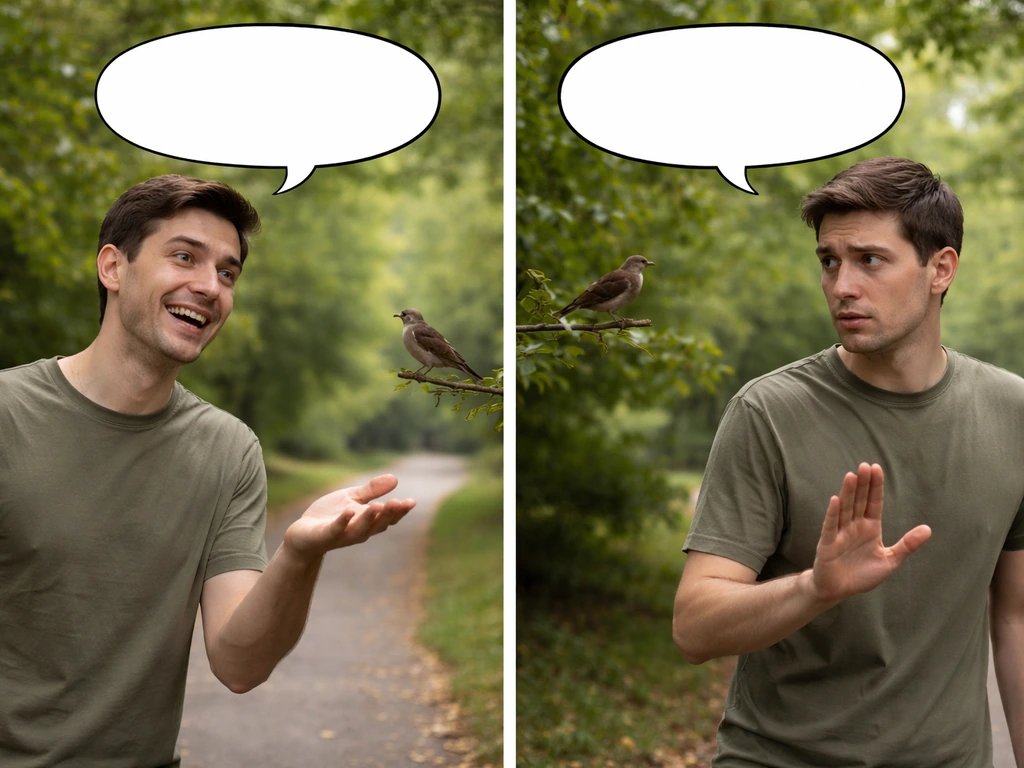
The same four words can land very differently depending on who says them and how. Here's a quick breakdown of how the tone changes the interpretation:
| Tone/Setting | Most likely meaning | Feeling of the phrase |
|---|---|---|
| Joking, casual banter between friends | Playful claiming ('I call dibs on that person or thing') | Lighthearted, teasing |
| Data or tech context ('mine that bird data') | Extract useful information from a data set or source | Professional, neutral |
| Threatening or aggressive | Possessive and controlling ('that person will be mine') | Unsettling, coercive |
| Song lyric or poem | Symbolic: claim or pursue something elusive and valuable | Romantic, aspirational, or spiritual |
| Hunting or birding | Literally target or claim a specific bird | Practical, hobby-specific |
Tone is often the clearest signal. A laughing friend teasing you is using the phrase playfully. Someone speaking slowly and seriously with possessive body language is probably using it as a claim. A rapper or poet using it in a verse almost certainly means something symbolic or metaphorical.
Quick ways to figure out the source and intent right now
If you heard this phrase in a specific piece of content and want to confirm the exact meaning, here are the most practical steps to take today.
- Search the exact phrase in quotes on Google: type "mine that bird" (with quotation marks) into Google's search bar. Google's advanced search treats quoted phrases as exact matches, so you'll see only results where those words appear in that exact order. This is the fastest way to find out if it's a known lyric, meme, or documented phrase.
- Check Genius for song lyrics: if you think it's from a song, go to Genius (genius.com) and search the phrase there. Genius is built specifically for annotated lyrics and will often show you not just the line but community explanations of what it means.
- Search YouTube's transcript: if it's from a video, use a transcript search tool like VideoSherlock or YouTLDR to search inside YouTube transcripts. These tools let you type in a phrase and jump to the exact timestamp where it appears, so you can hear it in context.
- Check the surrounding lines: whatever you're reading or watching, look at what comes immediately before and after the phrase. The surrounding words almost always clarify whether 'mine' means extract, claim, or something else, and whether 'bird' is literal or slang.
- Consider who the speaker is: their accent, cultural background, and the platform or setting they're speaking in will tell you a lot. A British speaker casually using it in conversation almost certainly means the slang sense. A data scientist saying it means extraction.
Interpretation cheat sheet: common examples and what they mean
Here are realistic example sentences showing how 'mine that bird' or close variants actually appear in use, along with what each one means:
| Example sentence | Meaning | Context clue |
|---|---|---|
| 'See that girl across the room? Mine that bird, lad.' | I'm claiming her / going to pursue her (British slang) | British accent, casual social setting |
| 'We need to mine that bird population data before the grant deadline.' | Extract useful information from the data set | Professional/academic, data context |
| 'Mine that bird — it's the rarest one in the whole collection.' | Claim or collect that specific bird | Collector, birder, or game context |
| 'Mine that bird, it soars where no one else can reach.' (lyric) | Metaphorical: pursue something elusive and free | Song or poem, symbolic tone |
| 'Mind that bird! It bites.' | Watch out for that bird (mishearing of 'mind') | Warning, literal bird, imperative tone |
If it's from a song or show: how to trace the original line
Song lyrics and TV dialogue are probably the most common reason someone ends up searching a phrase like this, because mishearing lyrics is almost universal (the technical term for it is 'mondegreen'). Here's a reliable workflow for tracking down the original line and its meaning.
- Start with Genius: search the phrase on Genius with and without quotation marks. If it's a real lyric, it's almost certainly indexed there, and many lines have community annotations explaining the meaning.
- Try a Google search structured as: [phrase] + lyrics, or [phrase] + song. So: 'mine that bird lyrics' or 'mine that bird song.' If the phrase appears in a known track, this will surface it within the first few results.
- Use YouTube's transcript tools: if you think it's from a music video or a show, paste the YouTube URL into a transcript search tool. You can scan the full transcript for the phrase and jump to the exact moment, which lets you hear the actual pronunciation and surrounding lines.
- Check whether it might be a misheard line: try alternate spellings and similar phrases. 'Mine that bird,' 'mind that bird,' 'my little bird,' and 'mine, that bird' can all sound alike depending on tempo and accent. Search the variant you're less sure about.
- Look at the song title and artist for thematic context: a song about collecting or resource extraction will use 'mine' differently than a love song or a track about chasing freedom. The theme of the broader work is a strong interpretive guide.
One important note: if the phrase turns out to involve a myna bird or mynah bird specifically, that's a different trail to follow. Myna birds are famous for mimicry, and the meaning of 'mine that myna bird' or any variant involving that species would carry its own symbolic weight around imitation, voice, and appropriation. Similarly, if the phrase is from a context about a mother bird or a protective figure, the symbolism shifts toward nurturing and possession in a very different emotional register. It can also help to look up what mama bird meaning.
The bottom line on 'mine that bird'
There's no single universal meaning for 'mine that bird' because it isn't a fixed idiom. It's a phrase built from two flexible words: 'mine' (which can mean extract, claim, or dig into) and 'bird' (which can mean a literal bird, a person in British slang, or something symbolic and elusive). If you're also searching for the myna bird meaning, remember that “myna” refers to a specific bird species, not the word “bird” in this phrase.
The combination takes its meaning from the context around it. If you know who said it, where, and in what tone, you can almost always decode it within seconds. When in doubt, run the exact phrase in quotes through Google or Genius, check YouTube transcripts if it's from a video, and look at what the speaker was doing right before they said it.
VideoSherlock describes a workflow for searching inside YouTube transcripts and jumping to the exact timestamps for the matching quote or phrase searching inside YouTube transcripts and jumping to exact timestamps. That combination will get you to the right answer faster than any fixed definition.
FAQ
Is “mine that bird” always an idiom, or can it be plain literal speech?
It is not reliably an established, fixed idiom. In many cases it is literal instruction, like telling someone to go after a specific target (common in hunting or birding). In other cases it is more like a claim, or it is a misheard lyric, so the most important check is the source context (live speech versus a song/clip).
If someone says it casually, does “mine” mean “dig/extract” or “make it mine” (claim)?
You can usually tell by the rest of the sentence and the setting. “Extract” meanings tend to show up near talk of digging, collecting, or taking value from a place. “Claim” meanings often come with possessive cues like body language, direct eye contact, or a tone that sounds like ownership rather than instructions to retrieve something.
Could “mine that bird” be a mishearing like a mondegreen. What common alternatives should I check?
Yes. If it came from music, podcasts, or a muffled recording, search the exact words in quotes and then try close phonetic variants (for example, phrases that use “take,” “get,” or “call” instead of “mine,” and different consonant endings of “bird”). The goal is to find the original lyric or transcript line rather than rely on the first version you heard.
What if “bird” is British slang for a young woman, does the phrase become “go claim that girl”?
Potentially, but only if the speaker is using “bird” in that way and the tone is consistent with a possessive statement. If it sounds flirtatious, teasing, or explicitly directed at a person, that reading becomes more plausible. If the surrounding text is about wildlife or metaphor in a poem, then “bird” is probably not being used as slang.
How do I decide whether the “bird” is a metaphor (dream, opportunity, soul) versus a real target?
Look for metaphor markers in the surrounding lines, like references to freedom, the soul, hope, an elusive “thing you chase,” or spiritual imagery. If the surrounding content includes emotions and abstract themes, “bird” is more likely symbolic. If it includes concrete actions, locations, or game rules, it is more likely literal.
Does tone alone determine the meaning, and what tone cues are most reliable?
Tone helps, but it is best treated as a strong indicator rather than a guarantee. Laughing or teasing usually points toward a playful claim. Slow, deliberate, possessive delivery suggests ownership. Artistic delivery (rap, poetry) often signals metaphor or layered wordplay, especially if the rest of the piece is also figurative.
What if I heard “mine that myna bird” instead of “mine that bird”?
That changes the interpretation because “myna” refers to a specific bird species, and the species can carry ideas about mimicry, voice, or imitation depending on the source. In that case, you should search the full “myna bird” phrase (not just “mine that bird”) and focus on the surrounding lyric or narration to see how the species is being used symbolically.
If I am trying to track the original line, what is the fastest workflow that usually works?
Start with the full quoted phrase, then add context terms (song name, speaker, show, or a nearby lyric line). If it is from a video, check transcripts or captions and compare them to what you heard. Also note time period and region (British versus American slang can change how “bird” is intended).
Is there any chance the phrase is actually “mine the bird” (different grammar) and not “mine that bird”?
Yes, grammar variations can shift the meaning from command or claim toward a literal extraction idea. If the transcript shows “mine the bird” or “mine that bird,” treat it as a separate query and compare surrounding words. “Mine” as an extraction verb often pairs with language about sources, digging, or retrieving, while “mine that bird” as claim tends to pair with ownership cues.
If the phrase appears in an argument or romantic context, does it always mean possession of a person?
Not always. Even in romantic contexts, “bird” can still be symbolic (like opportunity or an elusive idea). If you want to confirm the intent, check whether the speaker directly names a person or uses “bird” as a stand-in for something abstract. Also consider whether the content is slang-heavy or lyric-heavy, since both increase ambiguity.
Next Article
Myna Bird Meaning: In House, Omens, and What to Do
Myna bird meaning and myna in house meaning, including symbolism and a safe checklist to handle it.