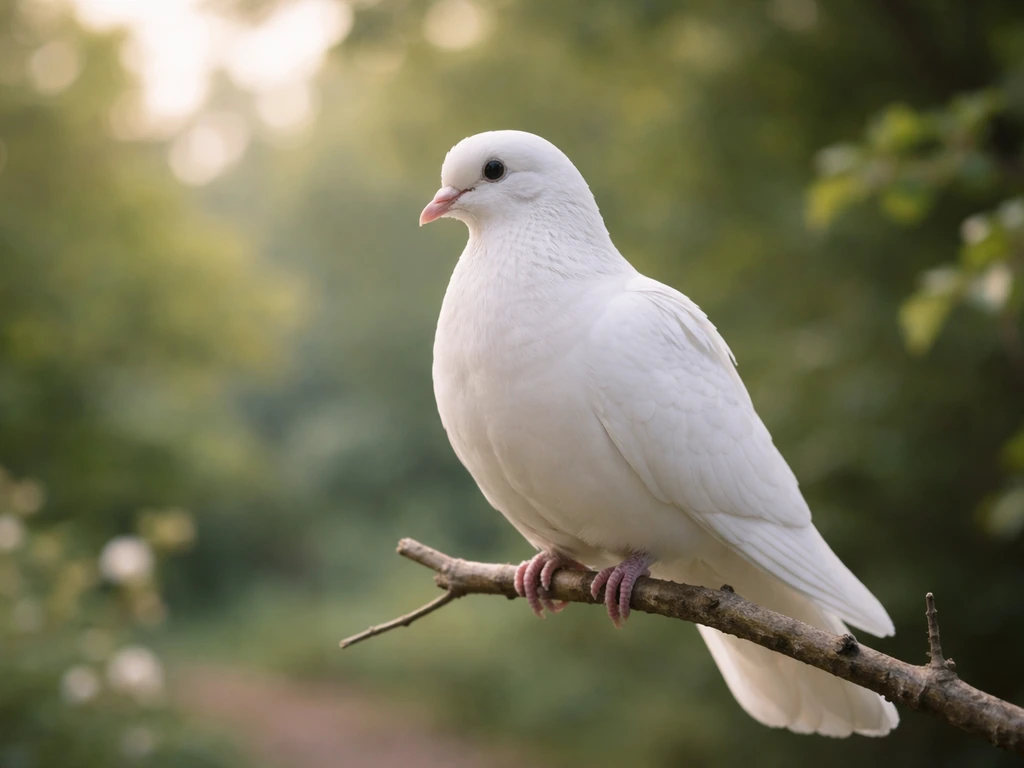
A dove is a bird belonging to the family Columbidae, the same family that includes pigeons. The U. S. Fish & Wildlife Service describes doves (family Columbidae) and frames them within the broader Columbiformes group [belongs to the family Columbidae](https://www.
Dove Bird Definition: What a Dove Is and How to Identify It

Marcus Whitley
13 Apr 2026
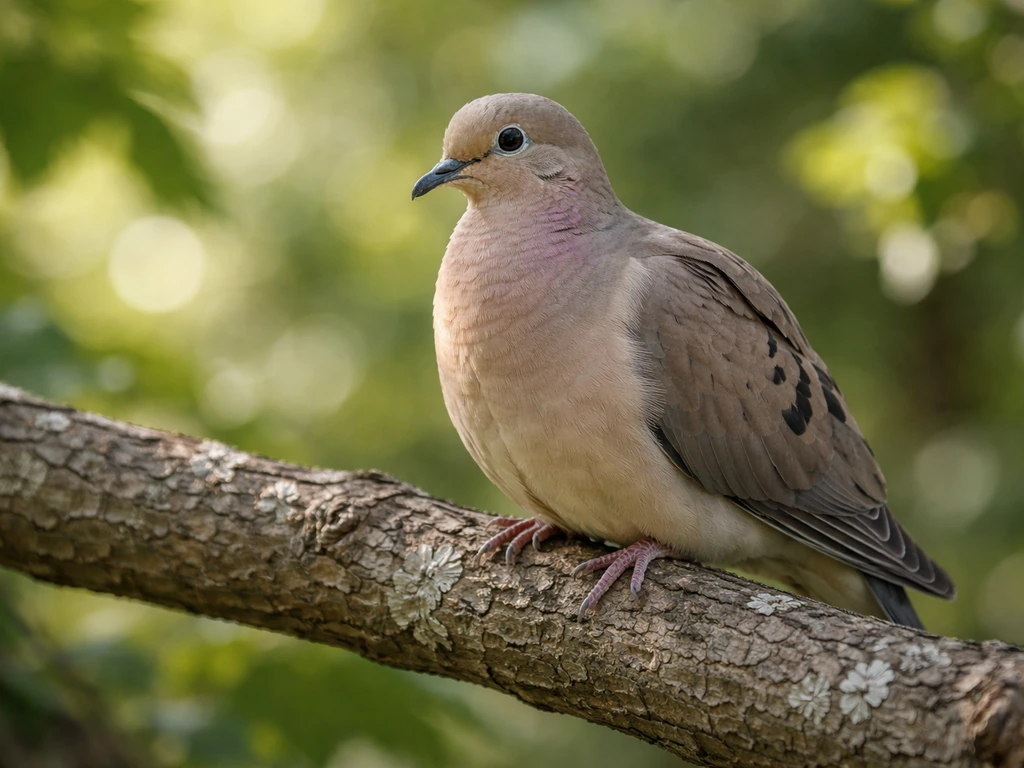
fws. gov/species/doves-columbidae). That's the short, direct answer. Oxford's dictionary defines it simply as "a bird of the pigeon family," and Britannica echoes that: the word "dove" applies to certain birds within the order Columbiformes, with no strict biological boundary separating doves from pigeons.
If you're trying to figure out whether what you just saw in the park or your backyard counts as a dove, you're in the right place. And if you're trying to understand why the word "dove" carries so much symbolic weight in language and culture, that's covered here too.
Quick definition: what "dove" actually means as a bird
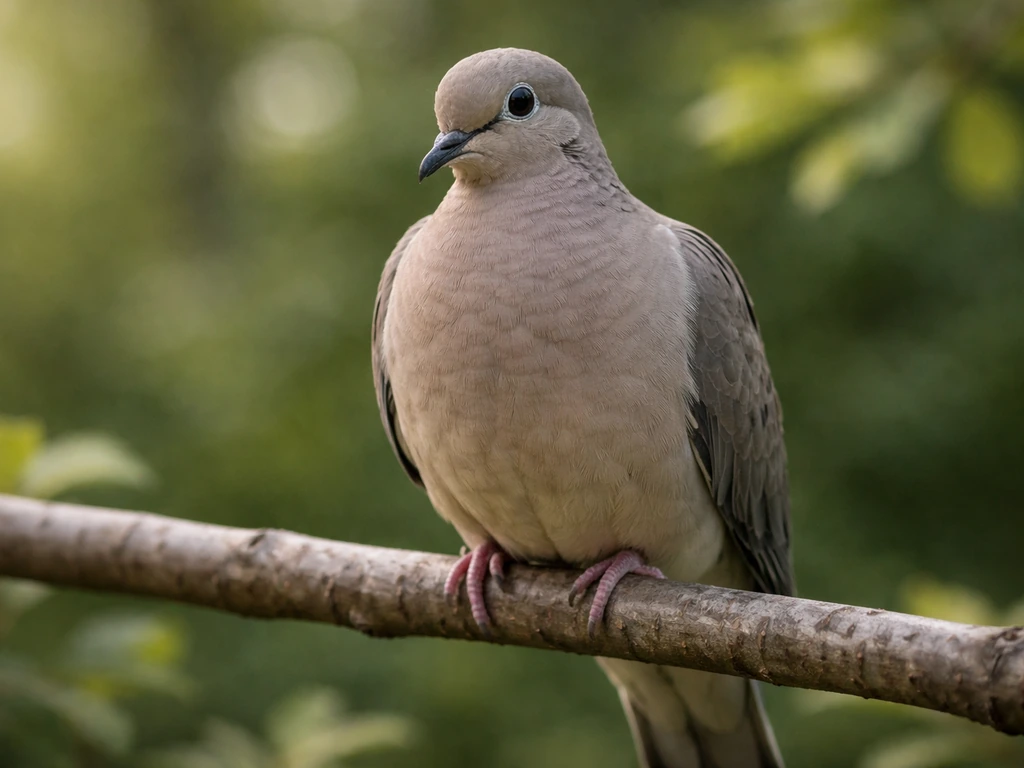
"Dove" is a common name, not a strict scientific category. It refers to members of the family Columbidae, a group of more than 300 species of stout-bodied, small-headed birds found on every continent except Antarctica. The word is applied loosely, and that looseness is intentional in everyday language. When someone says "dove," they're usually invoking a particular image: a smallish, graceful bird, often pale or gray, with a gentle cooing call. But taxonomically, doves and pigeons sit in the exact same family with no clear dividing line between them. Whether calling something a dove is a matter of connotation or denotation is actually a question worth thinking about, because the answer shapes how you understand the word entirely.
Dove vs pigeon: the real difference (and why it's fuzzy)
Here's what trips most people up: "dove" and "pigeon" are used as synonyms. Britannica states explicitly that the names imply no biological distinction. So why do we use two different words? It comes down to size and social baggage. As a practical rule of thumb used in field guides, "pigeon" tends to be applied to larger birds in the Columbidae family, while "dove" is reserved for smaller ones. The Mourning Dove weighing around 4 ounces versus a Rock Pigeon pushing 13 ounces is a decent illustration of that size gap.
The other difference is purely cultural. BirdNote sums it up well: "dove" carries connotations of elegance and peace, while "pigeon" conjures images of rowdy city birds pecking at sidewalk trash. Same family, totally different vibes. This is why the bird on a wedding invitation is always a dove, never a pigeon, even though the domestic pigeon (also called the Rock Dove) is literally the same species sometimes marketed as a "peace dove." Britannica even flags this ambiguity directly: the so-called "dove of peace" often depicted in art is actually a domestic pigeon or rock dove.
Physical traits and behaviors that make a dove recognizable
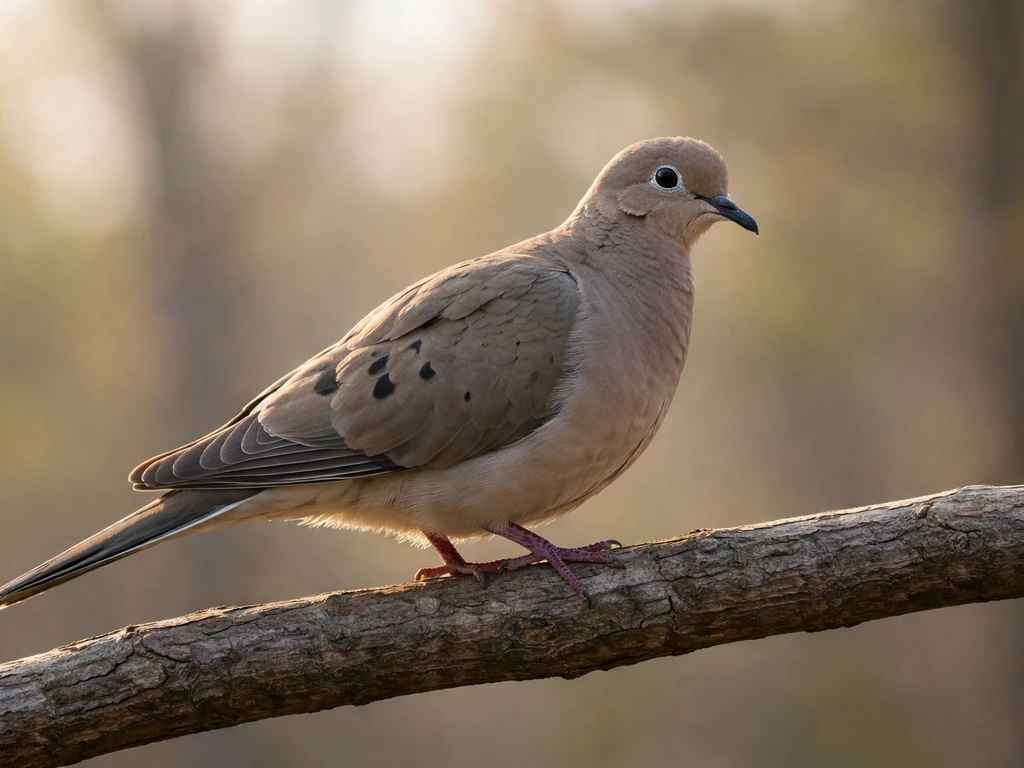
The Mourning Dove is the most common dove in North America, so it's a useful reference point for what a typical dove looks and acts like. Here are the key visual markers to look for:
- Gray-brown upperparts with large black spots on the wing coverts (those are the feathers covering the base of the flight feathers)
- Pale peach or pinkish-buff underparts
- A long, thin, pointed tail (distinctive when perched, and in flight it fans out showing large white tips)
- Small, rounded head sitting on a slim neck
- Juveniles can show buffy-tipped wing feathers, which can cause confusion in late summer
Compare that to the Rock Pigeon: heavier and plumper overall, with black wingbars, an iridescent green or purple sheen on the neck and throat, and a broad black band across the tail tip. If it looks chunky and city-worn, it's probably a pigeon. If it looks slim with a long tapered tail, you're likely looking at a dove.
Behaviorally, doves are ground foragers. Mourning Doves walk and feed on the ground, pecking almost exclusively at seeds (seeds make up more than 99% of their diet). They're not adapted for scratching through dense leaf litter the way thrushes or sparrows are, so you'll usually spot them on open ground, driveways, lawns, or bare dirt. During courtship, the male approaches the female with his chest puffed out, bowing and cooing in an emphatic display that's hard to miss once you know to look for it. Their call is the mournful, hollow cooing that gives the Mourning Dove its name. First time you hear it, you might mistake it for an owl.
Where doves actually live
Mourning Doves breed across all 48 contiguous U.S. states and into southern Canada, making them one of the most geographically widespread birds in North America. They're genuinely adaptable: Audubon places them across forest clearings, farmland, suburbs, prairies, and deserts throughout temperate North America. What they avoid is dense, swampy forest with thick undergrowth. They need open ground to forage and some elevated perch or light tree cover for nesting.
Nesting season starts in March and runs all the way into September, which is an unusually long breeding window. Doves will nest in wooded edges, open fields and pastures, and suburban yards. By late summer into fall, they gather into large flocks and begin migrating south, with fall migration typically kicking off around mid-August. Winter roost sites are usually small to medium woodlots. If you're trying to spot a dove right now in April, you're in luck: they're actively breeding and very visible.
The White-winged Dove is another species worth knowing if you're in the Southwest U.S. or Mexico. It looks similar to the Mourning Dove but has a distinctive white patch along the wing edge, a blue orbital ring around the eye, and a shorter, rounder tail. If you see white on the wings before the bird takes flight, that's your best clue you're not looking at a Mourning Dove.
How "dove" shows up in everyday language
"Dove" functions as both a literal bird name and a loaded symbolic term in English. Dictionary.com lists several usage senses for the word: a pure white dove representing innocence, gentleness, and peace; "peace dove" as a label for someone who advocates for nonviolent or diplomatic solutions (as opposed to a "hawk," who favors military force). You'll hear this dove/hawk contrast in political commentary constantly, especially around foreign policy discussions.
Here are a few practical examples of how the word actually gets used:
- "She released a white dove at the ceremony" (literal bird, symbolic moment)
- "The senator was considered a dove on defense spending" (political metaphor: favors restraint)
- "Gentle as a dove" (idiom meaning calm and non-threatening)
- "An olive branch and a dove" (combined image meaning a peace offer, rooted in biblical imagery)
The word also appears in proper names, brand names, and poetry in ways that rely entirely on the symbolic weight of the bird. When you see the word "dove" used figuratively, it almost always points back to the same cluster of meanings: peace, purity, gentleness, and innocence.
Why the dove carries so much symbolic weight
The symbolism of the dove is genuinely ancient and cross-cultural. The most direct root in Western culture is the story of Noah's Ark in Genesis 8:11, where the dove returns to the ark carrying an olive leaf in her mouth, signaling that the floodwaters had receded and life could begin again. That single image, a bird bringing a plant back to a survivor, became the template for what a dove means: it's a messenger of hope, a sign that something terrible has passed. Early Christians picked this up and ran with it, using the dove-and-olive-branch image to represent "perpetual peace," a phrase St. Augustine connected to the same imagery.
In Christian tradition, the dove also represents the Holy Spirit. Luke 3:22 describes the Holy Spirit descending "in the bodily form as a dove" at Jesus' baptism, which cemented the association between the dove and divine presence in Christian thought. In Jewish tradition, the Hebrew word for dove (יוֹנָה, "yonah," the same name as the prophet Jonah) appears throughout scripture linked to peace, purity, and divine favor. The full meaning of the dove bird in these religious and cultural traditions goes much deeper than a single symbol, but the core thread running through all of them is the same: this is a bird associated with something good arriving.
It's also worth knowing that specific species carry their own symbolic layers. The mourning dove bird meaning, for example, blends the dove's general peace symbolism with themes of grief, remembrance, and spiritual transition, because the bird's mournful call has made it a natural symbol for loss across many cultures. And if you've ever wondered about the connection between doves and death specifically, the dove bird meaning in the context of death is a genuinely interesting thread that shows up in funeral traditions, literature, and folklore worldwide.
Confirming you're looking at the right bird
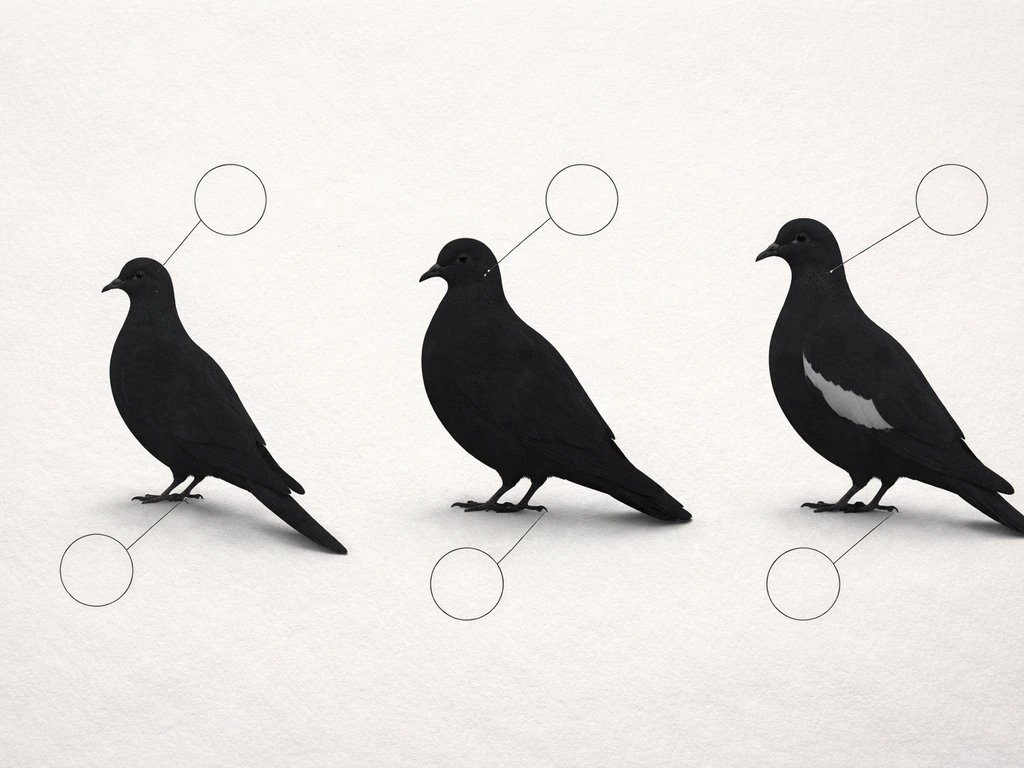
If you want a quick, practical checklist for confirming you're looking at a dove rather than a pigeon or another lookalike, use this:
| Feature | Mourning Dove | Rock Pigeon | White-winged Dove |
|---|---|---|---|
| Body size | Small, slim (about 12 inches) | Medium, plump (about 13 inches) | Similar to Mourning Dove |
| Tail shape | Long, thin, pointed | Short, fan-shaped with broad black tip | Shorter, rounded with white corners |
| Wing markings | Black spots on coverts | Black wingbars | Bold white wing patches |
| Neck/throat | Plain | Iridescent green/purple sheen | Plain |
| Eye ring | Plain eye area | Plain | Blue orbital ring |
| Call | Mournful, hollow coo | Gurgling, repetitive coo | Loud, drawn-out coo |
The long, tapered tail is the single fastest field mark for a Mourning Dove. All About Birds (Cornell Lab) also describes Mourning Dove identification traits such as a long, thin tail and gray upperparts with large black spots on the wing coverts blank" rel="noopener noreferrer">long, pointed tail. In flight, watch for that fan-shaped spread with white tips along the outer edges. If the bird in front of you is chunky, iridescent around the neck, and has a short tail with a dark band at the tip, you've got a Rock Pigeon, regardless of what anyone calls it.
For habitat context: if you're in a city center, you're almost certainly seeing Rock Pigeons. If you're in a suburban yard, open farmland, or near a forest edge anywhere in the continental U.S., a Mourning Dove is the most likely candidate. If you're in the Southwest and see white on the wings, check for that blue eye ring to confirm a White-winged Dove. And if you want to go further on the language side, understanding whether you're using the word "dove" in its literal or figurative sense is actually its own topic worth exploring, because the two usages carry genuinely different implications depending on context.
FAQ
Is “dove” ever a separate species from “pigeon,” or are they always the same kind of bird?
They are not separate scientific categories, because “dove” is a common name applied loosely within the same family as pigeons. However, individual species names (like Mourning Dove) are real, so you can be confident you are looking at a specific dove species even though the word “dove” itself is not a strict taxonomic label.
What’s the fastest way to confirm a Mourning Dove when it’s far away or the lighting is poor?
Use the tail first. In flight, a Mourning Dove tends to show a long, tapered profile and a fan-like tail spread with lighter tips along the outer edges. If the bird looks short-tailed and chunky with an obvious dark band near the tail tip, shift your assumption toward Rock Pigeon.
Can Rock Pigeons be mistaken for doves when they are not obviously city birds?
Yes, especially in suburban or park areas where pigeons roam widely. The key countercheck is structure, Rock Pigeons are heavier and plumper, with an iridescent neck or throat sheen and a short, thicker tail. If the bird looks “street-worn” and compact, treat it as a pigeon until the tail shape and wing pattern confirm otherwise.
Do doves only eat seeds, or will they eat insects too?
For Mourning Doves specifically, their diet is overwhelmingly seeds, they peck mainly at small seeds rather than scratching for insects. If you see lots of insect-hunting behavior, you are likely looking at a different kind of bird rather than a dove.
Where should I look for doves if the ground is covered in thick leaves or dense weeds?
Look for more open ground. Doves are ground foragers that prefer lawns, driveways, bare dirt, and field edges because they are not adapted for digging through heavy leaf litter. If the habitat is deeply shaded with dense undergrowth, a dove is less likely even if other birds are present.
What time of day are doves easiest to spot?
They are often most noticeable when they are feeding and moving between perches, typically earlier in the day and during times of less disturbance. During breeding season, you can also catch them more easily when you see frequent courtship postures (chest puffing and bowing) near preferred nesting edges.
If I find a “white-winged” dove in the Southwest, what quick detail confirms it?
Check for a distinct white patch along the wing edge before flight is fully underway. Also look for the blue orbital ring around the eye, if you see that eye ring plus wing-edge white, a White-winged Dove becomes the strong match rather than a Mourning Dove.
Are “peace doves” in art always real doves?
Not necessarily. The phrase is symbolic, and depictions are commonly based on domestic pigeons (like rock doves) rather than a wild dove species. So if you are identifying a bird from a drawing or statue, expect the image to reflect symbolism and convention more than field accuracy.
Why do people call the bird “the dove” in political speech, but also “the hawk”?
In everyday political language, “dove” and “hawk” refer to stances on conflict and diplomacy versus military force. The bird is used as shorthand for values, so the meanings are about attitudes and policy framing, not about which bird species is actually being discussed.
Do doves and pigeons have different nesting needs, or is habitat guidance the same?
There is overlap, but nesting success depends on open ground for foraging and some nearby cover for nesting. For Mourning Doves, they often use wooded edges or field borders and suburban areas, avoid dense swampy forest with thick undergrowth, because they need accessible ground to feed.
If I want to identify a dove by sound, what should I listen for and what can confuse me?
Listen for the Mourning Dove’s hollow, mournful coo. A common mix-up is mistaking it for an owl call, especially at dusk or in echoes. If the vocalization sounds rhythmic and coo-like and the bird is on or near open ground, that combination supports a dove ID.
Next Article
Meaning of Dove Bird: What Doves Symbolize and Why
Meaning of dove bird explained: what a dove is, symbols like peace and hope, and how context changes interpretation.