When someone searches 'pigeon bird meaning,' they're usually asking one of three very different questions: what kind of animal a pigeon actually is, what pigeons symbolize in culture and folklore, or what it means when someone calls a person a 'pigeon' in slang. The answer changes completely depending on which one they want. This guide walks through all three angles clearly, so you can land on the right meaning for whatever context sent you here.
Pigeon Bird Meaning: Literal and Symbolic Meanings

Marcus Whitley
10 Apr 2026
What a pigeon actually is (the literal answer)
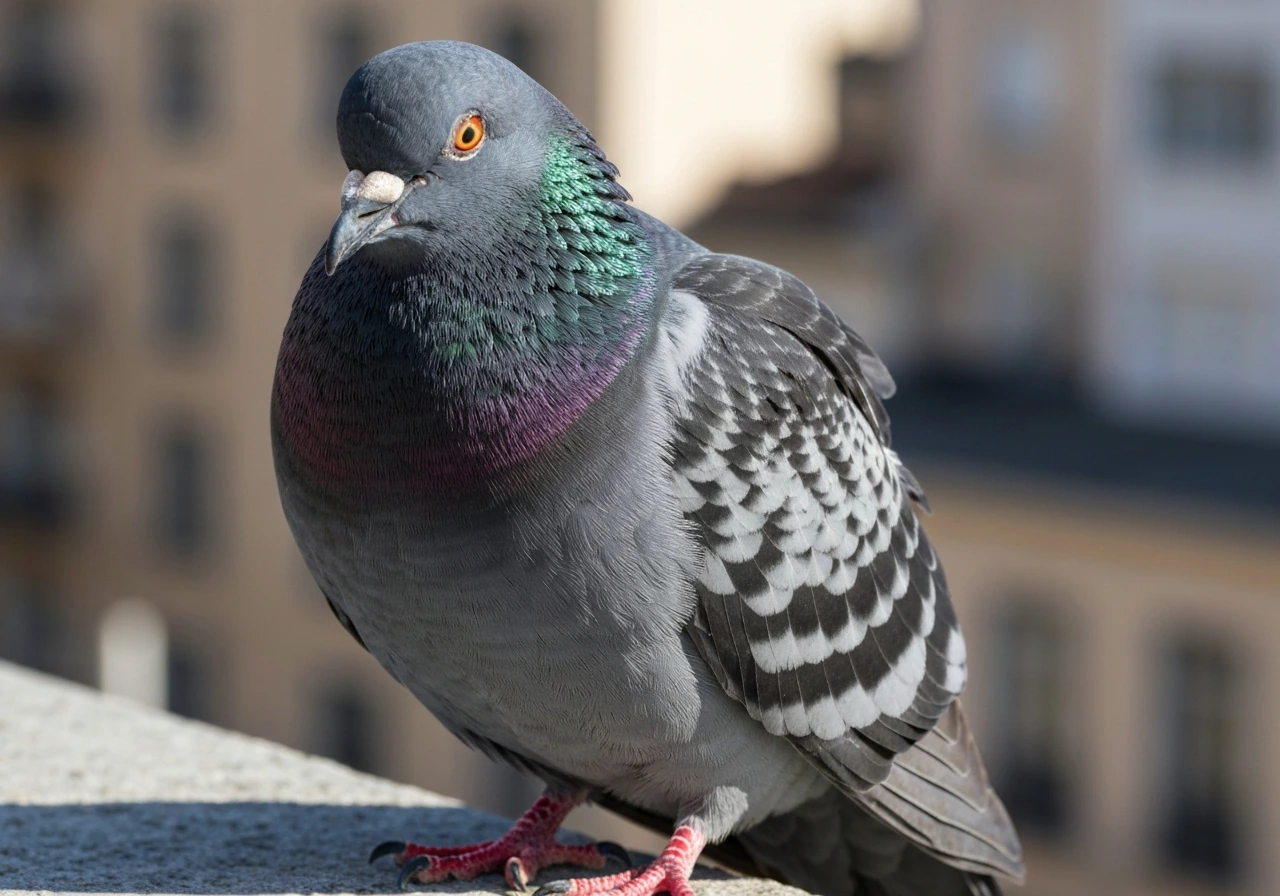
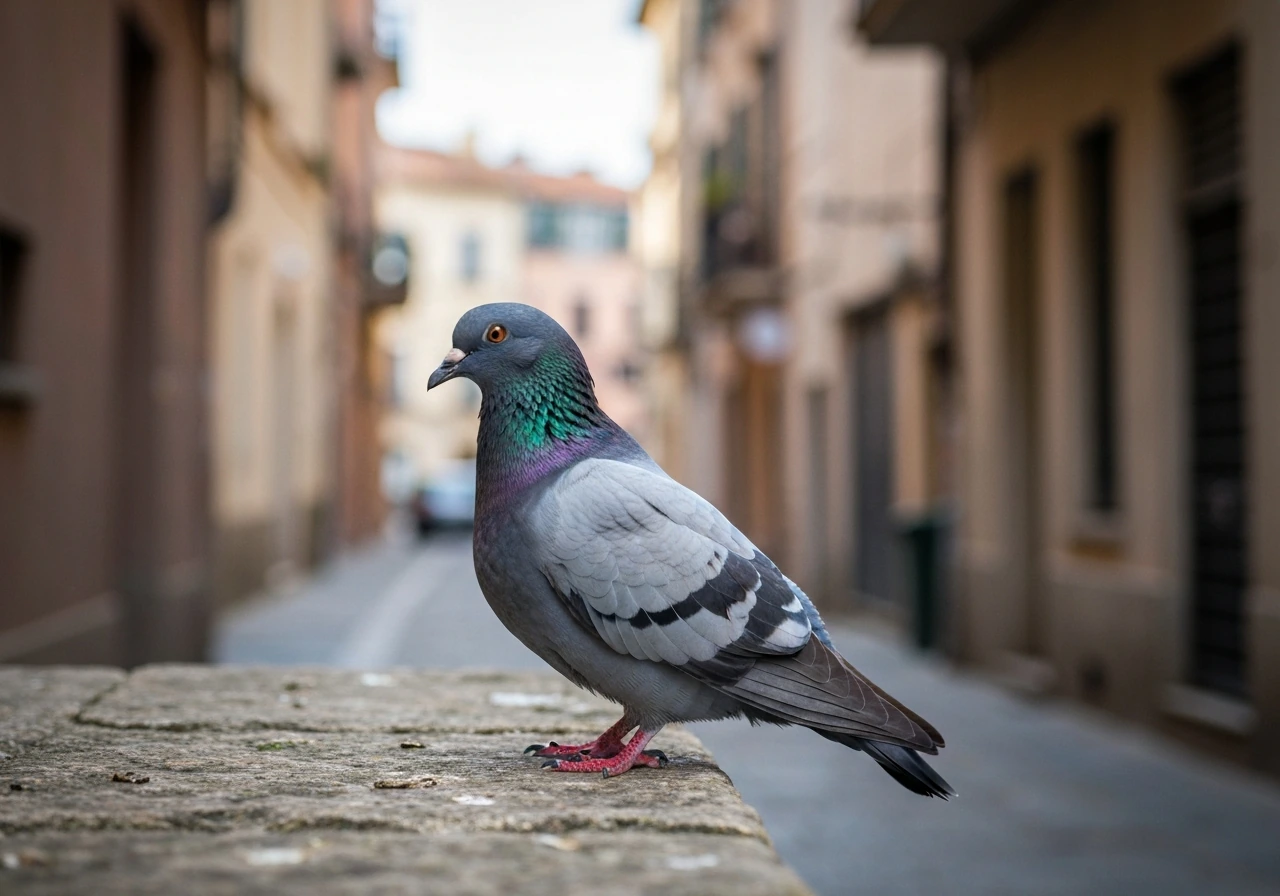
A pigeon is a bird in the family Columbidae, and when most people say 'pigeon,' they mean the rock dove (Columba livia), the species responsible for every gray, strutting bird you've ever seen pecking around a train station or city plaza. The rock dove is, technically, the wild ancestor of the feral pigeon. Wildlife sources describe it plainly: the wild rock dove is the ancestor of the feral pigeon commonly found in large numbers in towns and cities. In other words, the scruffy bird on your windowsill and the bird in a natural history textbook are the same species.
In terms of daily behavior, rock pigeons are herbivores: seeds, berries, and grains make up their diet. They're highly adaptable, living comfortably in cities, towns, suburbs, and also natural cliff settings (which is why you sometimes spot them nesting on building ledges, which mimic the rocky outcrops they'd use in the wild). They live in large groups, which is one reason they're so visible in urban spaces. Biologically, there's nothing exotic here: the pigeon is one of the most studied and familiar birds on earth.
What pigeons symbolize across cultures
Symbolically, pigeons carry a lot of weight, and most of it centers on communication, loyalty, and homecoming. This comes directly from pigeons' remarkable homing ability. Humans figured out thousands of years ago that a pigeon released far from home would fly back reliably, making them perfect message carriers. Pigeon post, the practice of using trained birds for military and maritime communication, is likely as old as ancient Persian civilization. By World War I, messenger pigeons were genuine military assets: Cher Ami, a carrier pigeon on the Western Front, famously delivered a critical message despite being severely wounded, saving nearly 200 soldiers. That history is why pigeons became symbols not just of communication but of bravery and loyalty.
In folk symbolism and cultural tradition, the pigeon is frequently associated with loyalty, love, and the security of home. That's a softer, more personal set of meanings than you might expect from a bird most people shoo away from their lunch. But it makes sense once you know the homing pigeon context: these birds literally always come home, which made them powerful emblems of fidelity and perseverance across many cultures.
Pigeons also pick up meaning just from being urban birds. In modern literature and poetry, a pigeon often appears as a symbol of city life, adaptability, and survival under unglamorous conditions. They thrive where other animals struggle, which gives them a certain scrappy, resilient quality in contemporary symbolism.
Pigeon vs dove: the single most common source of confusion
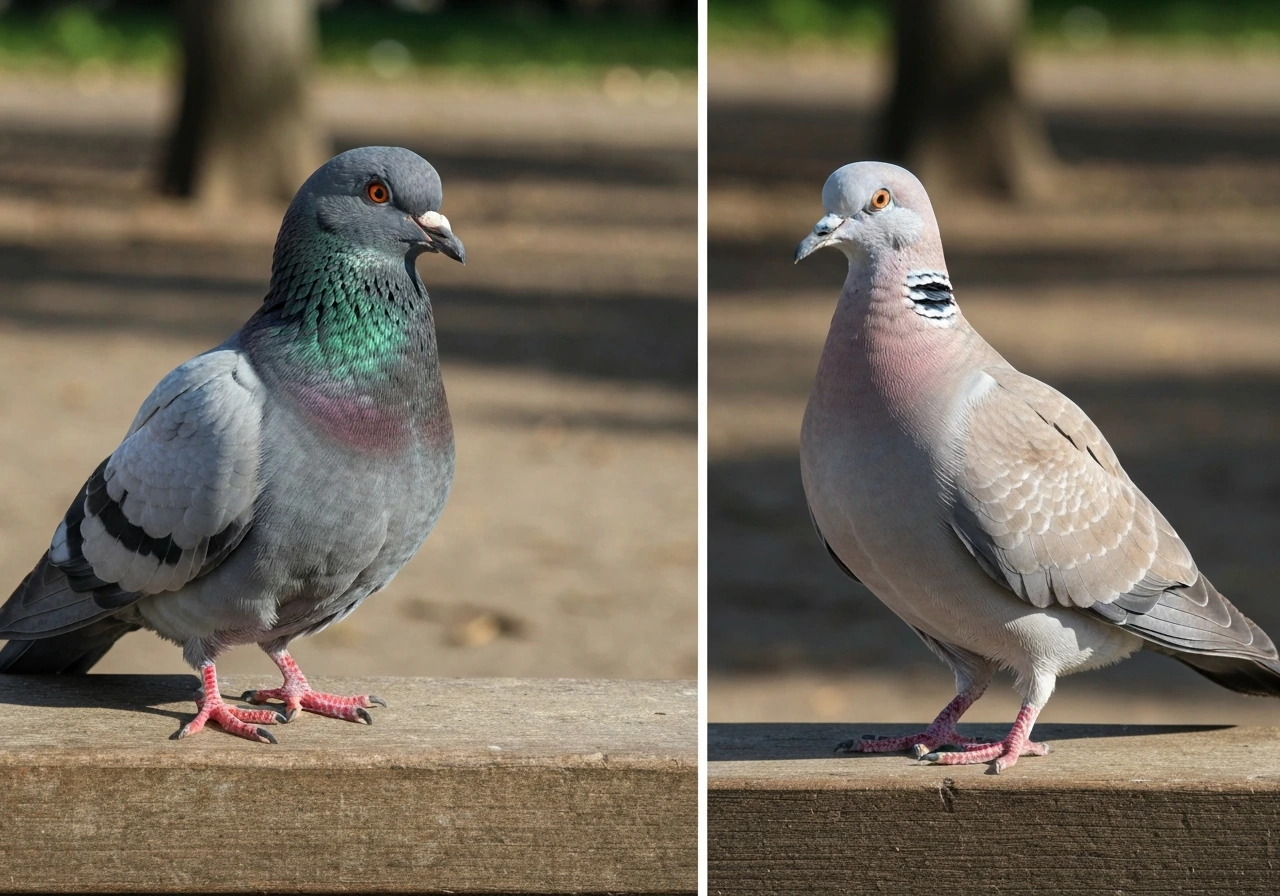
Here's where a lot of people get tangled up. Doves and pigeons are both members of the Columbidae family, which means they're literally the same type of bird. But the cultural meanings assigned to each word are completely different, and that gap matters enormously when you're trying to interpret a symbol or phrase.
The dove is the bird of peace, purity, and in Christian tradition, the Holy Spirit. In Christian iconography, the dove descending at Jesus's baptism is understood as a manifestation of the Holy Spirit, and this reading runs through centuries of art, theology, and language. The dove-and-olive-branch motif became the dominant secular peace symbol after World War II, which is why you see it on everything from protest posters to greeting cards. That peace imagery is almost entirely carried by the word 'dove,' not 'pigeon,' even though the birds overlap biologically.
The word 'pigeon' itself actually started out meaning 'dove.' It comes from Old French 'pijoun' and before that Late Latin roots meaning 'a young dove' or 'young chirping bird.' So historically, pigeon and dove were interchangeable, but in modern English they've drifted apart in connotation. If you want the peace-and-purity meaning, 'dove' is the word doing that work. If you see 'pigeon,' you're usually in the territory of urban birds, messenger history, loyalty symbolism, or (as covered below) slang.
This distinction also comes up when comparing pigeon symbolism with birds from other traditions. For example, the paloma bird's meaning in Spanish-speaking cultures overlaps heavily with dove symbolism (paloma literally means dove), and it carries many of the same peace and purity associations that the English word 'pigeon' has largely shed. It's a useful reminder that the same biological bird can carry very different symbolic weight depending on the word used to name it.
| Bird/Term | Family | Primary Cultural Meaning | Peace Symbol? | Typical Context |
|---|---|---|---|---|
| Pigeon (common/feral) | Columbidae | Loyalty, communication, urban survival | No | Folklore, slang, history |
| Dove | Columbidae | Peace, purity, Holy Spirit | Yes | Religion, politics, greeting cards |
| Homing pigeon | Columbidae | Fidelity, bravery, carrying messages | No | Military history, idioms |
| Paloma (Spanish) | Columbidae | Peace, love, freedom | Often | Spanish-language culture, song, poetry |
The short recommendation: if someone is talking about peace or religious symbolism, they almost certainly mean 'dove,' not pigeon. If they're talking about loyalty, homecoming, city life, or the bird as a symbol of someone being tricked, they mean pigeon.
How 'pigeon' (and 'bird') show up in sayings and metaphors
English is full of bird-based expressions, and 'pigeon' has its own specific corner of that space. The broader bird idioms are worth knowing as background: phrases like 'birds of a feather flock together' (meaning people of similar type naturally group together) or 'the early bird catches the worm' (reward goes to whoever acts first) are built on the general idea that birds model behaviors we recognize in people. These aren't pigeon-specific, but they show you how bird language works in English metaphor: the bird's natural behavior gets mapped onto human situations.
Pigeon-specific idioms in English tend to cluster around two ideas: responsibility and victimhood. 'Be not someone's pigeon' is a phrase meaning something is not that person's responsibility or concern. Cambridge Dictionary defines it precisely as 'to not be someone's responsibility.' You'll hear this in British English especially, where 'pigeon' in this sense is a polite way to say 'not my problem.' Collins English Dictionary also records the usage: 'it's his/her/their pigeon' to mean it's their affair or their responsibility to deal with.
It's also worth noting that bird-based terms can extend to personality metaphors more broadly. A pheasant's meaning in bird symbolism, for instance, involves luxury and ostentation, showing how different birds get assigned very different personality traits. Pigeons got the loyalty-and-loyalty angle, while other birds in English got mapped to pride, predation, or wisdom.
Slang: when 'pigeon' means a person

The most direct slang use of 'pigeon' is as a word for someone who's easily fooled or cheated. Merriam-Webster explicitly includes this as a separate definition: a pigeon is 'someone who is easily fooled or cheated.' This usage has a long history. Etymonline traces it back through the etymology of the word itself, noting the transferred sense of 'someone who will swallow anything thrown at him' developed naturally from the bird's famously indiscriminate eating habits.
In the world of confidence tricks and street scams, the 'pigeon' is the mark, the victim, the person being set up. The 'pigeon drop' is an actual named confidence scheme where the victim (the pigeon) is lured into handing over cash with the promise of sharing found money. The scam gave its name directly to the victim-as-pigeon idea, cementing the association between the bird and gullibility in informal English.
This figurative dimension of 'pigeon' is completely separate from the species meaning or the loyalty/homecoming symbolism. When someone in a crime drama says 'he's a pigeon,' they're not saying he's a homing bird with good navigation skills. They're calling him a pushover, an easy target. Context is everything.
The broader 'bird as insult' pattern shows up in other words too. 'Birdbrain,' for example, means a stupid or scatterbrained person, extending the general cultural idea that birds are not known for intellect. Pigeon fits neatly into this pattern, though its specific slang meaning (being fooled, not being stupid) has its own distinct flavor.
How to quickly figure out which 'pigeon meaning' someone actually wants
When you see or hear 'pigeon,' the context usually tells you everything within a sentence or two. Here's a practical checklist to run through:
- Are they describing a real bird or wildlife? Then they want the literal species meaning: rock dove, urban bird, Columbidae family.
- Are they discussing history, war, communication, or homing? Then they're in the messenger pigeon or loyalty/homecoming symbolism space.
- Do they want a peace symbol, religious meaning, or purity metaphor? That's almost always 'dove,' not pigeon. If they're using the word 'pigeon' in this context, they're probably conflating the two.
- Is the phrase 'not my pigeon' or 'that's his pigeon'? British English idiom meaning responsibility or concern.
- Is someone calling a person a pigeon? Slang: they mean a dupe, a gullible person, or the target of a scam.
- Is the context poetry, literature, or urban imagery? Pigeon likely symbolizes city life, adaptability, or scrappy survival.
Concrete examples in sentences
- "A pigeon landed on my fire escape this morning" — literal species, rock dove/feral pigeon in an urban setting.
- "They used carrier pigeons to deliver messages during the siege" — historical messenger symbolism, loyalty and communication.
- "The dove is a symbol of peace in the mural" — dove (not pigeon), peace symbol context; if someone says pigeon here, they're using the terms loosely.
- "Don't worry, it's not your pigeon" — British idiom, means: not your responsibility.
- "The con artist picked the tourist as his pigeon" — slang, means: easy victim, dupe.
- "She wrote a poem about pigeons on the subway platform" — urban symbolism, adaptability, modern city life imagery.
One thing worth knowing: 'pigeon' never really carries the religious or peace meanings that 'dove' does in modern English usage, even though they're biologically related. If you're reading a text and you see 'pigeon' in a spiritual or peace-related context, the writer is almost certainly either being deliberately unconventional or conflating the two terms. In standard usage, the peace/purity role belongs to the dove.
Pigeons compared to other birds you might be researching
If you arrived here because you're exploring bird symbolism more broadly, it helps to know that pigeons sit in a specific niche compared to other birds with strong symbolic profiles. Coastal and water birds, for example, often carry very different meanings: the pelican's meaning in bird symbolism centers on self-sacrifice and parental devotion, a completely different register from the pigeon's loyalty-and-communication themes.
Regional bird symbolism is also its own rich area. Polynesian bird meaning draws on a completely different cultural tradition, where birds often serve as spiritual messengers or ancestor figures, tying back to navigation and the sea. And if you've come across bird names in other languages that are new to you, it's worth checking what they refer to before assuming a shared symbolic meaning: the pura bird's meaning in English is a good example of how translated bird names can carry culturally specific weight that doesn't transfer directly.
The pigeon, in the end, is one of those words that does a surprising amount of work across different registers of English. It's a real bird with a specific biology, a historically significant messenger and symbol of loyalty, an urban icon with its own contemporary symbolism, and a slang term for someone being taken advantage of. Getting the meaning right just means reading the room: who's using the word, in what context, and whether the word 'dove' would fit instead. Once you have that habit, the right interpretation usually becomes obvious within a sentence.
FAQ
If pigeons and doves are related, can “pigeon bird meaning” mean the same thing as “dove meaning”?
In most modern English usage, “pigeon” and “dove” are not interchangeable in meaning. If the context is peace, purity, or Christian imagery, readers usually expect “dove.” Use “pigeon” when the writer is leaning on the urban bird, messenger history, loyalty, or the “easy to fool” slang sense.
How do I tell whether “pigeon” in a text means the animal, the messenger idea, or just urban imagery?
The biological pigeon is a Columbidae bird, but the “pigeon post” and loyalty symbolism depend on the homing and message-carrying idea, not on eating seeds or city nesting. If you’re interpreting a metaphor, look for cues like “message,” “home,” “return,” “duty,” or “trust,” rather than food or habitat.
What does “be not someone’s pigeon” actually mean in everyday terms?
When someone says “be not someone’s pigeon,” they mean it is not that person’s responsibility or concern. The common practical mistake is reading it as “don’t hurt the person” or “this person is gullible.” It is primarily about boundaries around who owns the problem.
Is “it’s his pigeon” the same as “not my problem,” or is it different?
“It’s your pigeon” (or “his/her/their pigeon”) is a responsibility assignment phrase, similar to “it’s your problem.” It is more common in British English tone, and it often sounds a little formal or wry compared with everyday American “not my problem.”
When someone calls a person a “pigeon,” does it mean they are loyal or that they are being tricked?
In slang, “pigeon” usually means the mark or the easy target, especially in stories about scams. People sometimes confuse this with the loyalty symbolism. A quick test is whether the sentence involves cheating, being fooled, dropping bait, or “getting” someone, those cues point to the scam meaning.
Does “pigeon drop” use “pigeon” in the slang sense?
“Pigeon drop” is a specific confidence trick name where the victim is lured into handing over money. If you see the phrase “pigeon drop” or language about found money, swapping cash, or a setup, interpret “pigeon” as victim, not as a bird or loyalty symbol.
What if a story uses “pigeon” in a religious or peace-related scene?
Some writers intentionally blur dove and pigeon for effect, but standard reading habits usually resolve “peace/religion” toward “dove.” If you want to keep your interpretation defensible, treat “pigeon” in those contexts as either (1) deliberate wordplay or (2) a mistake by the author, then confirm by surrounding clues.
Can “pigeon” mean both homing loyalty and gullibility at the same time?
No. “Pigeon” slang for an easily fooled person is separate from the bird’s homing symbolism. Even if the story mentions homing, the slang meaning can still apply if the sentence is clearly about manipulation, grifts, or setting someone up.
When people say “pigeon bird meaning,” are they talking about rock doves, feral pigeons, or both?
“Rock dove” and “feral pigeon” refer to the same species. If a text is using “pigeon” to talk about urban birds, it is almost certainly referring to the feral form as it appears in cities, not to a different species.
What’s the quickest way to choose between “pigeon” and “dove” in a phrase?
If the phrase is about love, fidelity, homecoming, or communication, “pigeon” is the safer interpretation. If it is about peace, holiness, purity, or an olive branch, “dove” is the better match, because English symbolism treats those words differently even though the birds overlap biologically.
Next Article
Perched Bird Meaning, Literal, Symbolic, Usage, Examples
Perched bird meaning: clear literal and symbolic definitions, usage differences, examples, and quick reference.