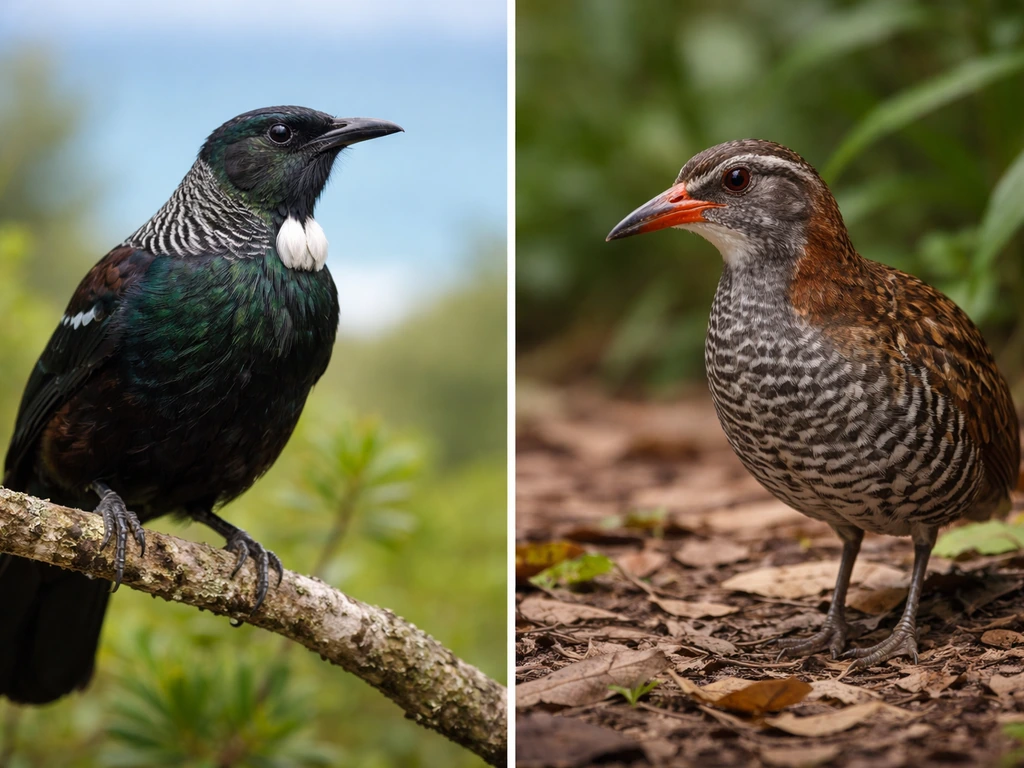
When people search for 'kahakos bird meaning,' they're almost always chasing a crossword answer rather than a real bird species. 'Kahakos' is not a bird name at all. It's a Hawaiian linguistic term for the macron diacritic, the small horizontal line placed over a vowel (like ō or ā) to mark a long, stressed sound. The bird that connects to it is the NENE, Hawaii's state bird, whose name can be written with two of those macron marks: nēnē. That crossword clue 'bird whose name may be written with two diacritics called kahakos,' which last appeared in the New York Times on March 8, 2025, is what's sending most people down this search path.
Kahakos Bird Meaning: What People Mean and Symbolism

Marcus Whitley
5 Jun 2026

So what exactly is a 'kahako'?
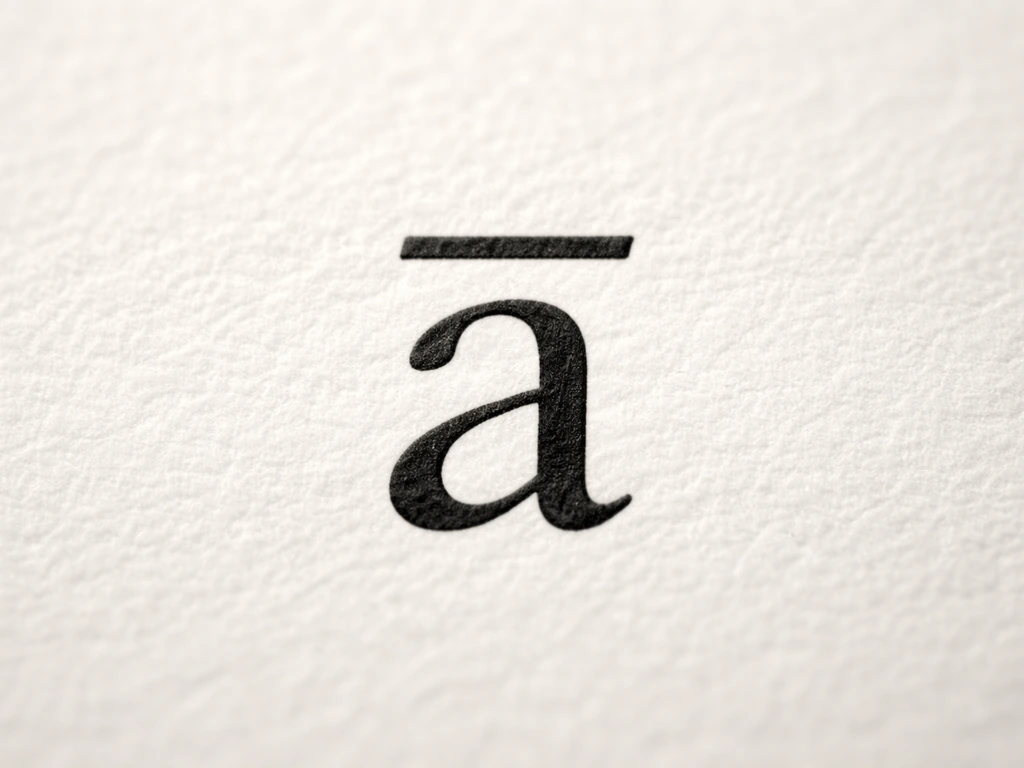
In Hawaiian orthography, the kahakō (also spelled kahako, sometimes pluralized as kahakos) is the macron diacritic. The University of Hawai'i describes it plainly: the kahakō lengthens and adds stress to the vowel it sits above. It works alongside the other key Hawaiian diacritic, the 'okina, which marks a glottal stop (a small pause or catch in the throat, written as a curved apostrophe). These two marks aren't decorative; they're functional. The position of a kahakō can literally change what a word means. A well-known example from Hawaiian language resources is the word 'pau,' which shifts in meaning depending on where 'okinas and kahakōs appear.
The term 'kahako' itself comes from the Hawaiian language and refers specifically to the macron as used in Hawaiian writing. English speakers sometimes encounter it through Hawaiian place names, official state documents, or, yes, crossword puzzles. Maui County records, Hawaii state legislative testimony, and University of Hawai'i style guides all treat 'okinas and kahakos as standard orthographic marks, not optional stylistic choices. The Historic Hawai'i Foundation frames these two symbols as the complete set of Hawaiian diacritical marks, both equally necessary for accurate spelling and pronunciation.
The actual bird: the nēnē
The nēnē (Branta sandvicensis) is the Hawaiian goose and the official state bird of Hawaii. Its name, when written with full Hawaiian orthographic precision, carries two kahakōs, one over each 'e': nēnē. Written without the macrons, it's simply 'nene,' but that drops the pronunciation cues that Hawaiian language experts consider important. The bird lives almost exclusively in Hawaii, making it one of the rarest geese in the world. At its lowest point in the mid-20th century, the wild population dropped to around 30 birds. Conservation efforts have brought numbers back up into the thousands, and the nēnē is now a protected species seen on the slopes of Mauna Loa, Haleakalā, and other Hawaiian landscapes.
The nēnē is a terrestrial goose, having adapted over thousands of years to Hawaii's volcanic terrain. Unlike most geese, it spends far more time walking on lava fields and grasslands than swimming. Its feet are less webbed than those of its waterfowl relatives, a physical evolution that reflects the island environment. That independence from water, that willingness to inhabit rugged and seemingly inhospitable ground, is part of what makes the nēnē a meaningful symbol in Hawaiian culture.
What the nēnē symbolizes
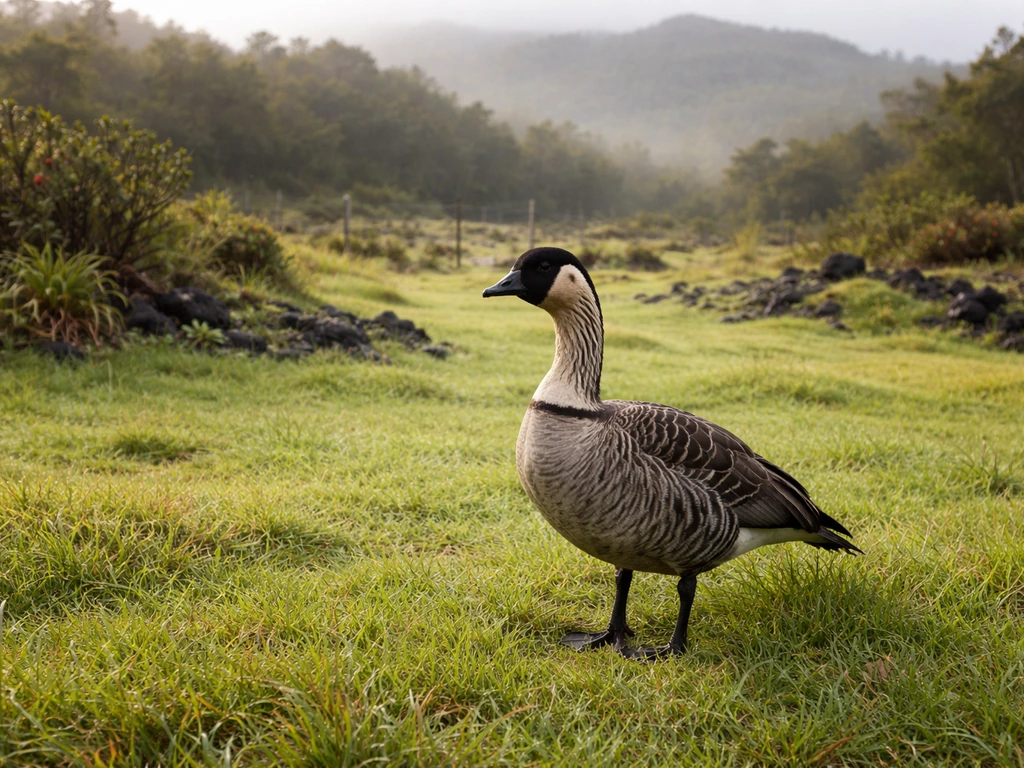
In Hawaiian culture, the nēnē carries strong associations with resilience, belonging, and the land itself. Its near-extinction and subsequent recovery make it a living symbol of environmental renewal and the value of conservation. Many Native Hawaiian cultural practitioners regard the nēnē as a kia'i, a guardian, of the volcanic highlands it inhabits. The bird's calm, unhurried presence on trails and lava fields has made it a kind of ambassador for Hawaii's native ecosystem, the creature you're most likely to encounter as a reminder that you're a guest in a place with its own deep history.
Beyond official symbolism, the nēnē also represents the idea of adaptability without losing identity. It evolved from migratory Canada goose ancestors but became something entirely its own over millennia of island life. That arc, arriving from somewhere else and becoming native through deep connection to the land, resonates in Hawaiian storytelling and in broader Pacific Islander cultural frameworks where the relationship between a creature and its specific place is spiritually significant.
Does 'kahakos' appear in any idioms or sayings?
Not in the way most bird terms do. Unlike words such as 'kokok,' 'koel,' or 'bobolink,' which carry onomatopoeic roots tied to bird calls and appear in regional idioms and folk sayings, 'kahako' stays firmly in the linguistic and orthographic lane. If you are actually asking about the koel bird meaning, it is a different bird entirely, tied to the cuckoo species found in South and Southeast Asia. If you meant a different bird word like bobolink, its meaning is tied to the name itself and the calls it echoes bobolink bird meaning. For example, the kokok bird meaning people look up is usually tied to the sound a bird makes, rather than to the Hawaiian macron term. You won't find it in proverbs or slang. It's a grammar term, not a cultural metaphor. That said, in Hawaiian language advocacy circles, using or omitting the kahakō and 'okina in written Hawaiian has become a politically and culturally loaded choice. Writing 'Hawaii' instead of 'Hawaiʻi' or 'nene' instead of 'nēnē' is increasingly read as a signal about how much respect a writer is paying to Hawaiian linguistic tradition. In that sense, the kahakō carries symbolic weight even if it doesn't appear in idioms.
The name 'Lahaina,' for example, appears in Maui County documents with discussion of whether to include 'the two kahakos' in official usage. That debate is about identity, accuracy, and cultural respect, not just typography. So while you won't hear anyone say 'she put the kahakō on that situation' as a metaphor, the mark itself has real cultural stakes in Hawaiian communities and their written language.
How to make sure you've got the right reference
If you landed on this article mid-search and you're still not sure whether 'kahakos bird' is pointing you toward what you need, here's a quick checklist to confirm you're on the right track.
- If you're solving a crossword and the clue is 'bird whose name may be written with two diacritics called kahakos,' the answer is NENE (4 letters). That clue appeared in the NYT Crossword on March 8, 2025.
- If you're researching Hawaiian language or orthography, 'kahako' (kahakō) is the macron diacritic used to mark long vowels. It is not a bird species.
- If you're looking for the bird itself, search for 'nēnē bird' or 'Hawaiian goose' (Branta sandvicensis) to find species information, conservation status, and cultural context.
- If you're unsure about the spelling, common variants include: kahako, kahakō, kahakos (plural), and macron. All refer to the same diacritical mark.
- Trust sources like the University of Hawai'i Hawaiian Language Online resources, the Historic Hawai'i Foundation, and Wikipedia's Hawaiian alphabet page for accurate linguistic framing.
- If the word you're researching sounds like a bird call rather than a Hawaiian spelling term (similar to how 'kokok' or 'koko' mimic bird sounds), it's likely a different entry entirely and not related to the nēnē or Hawaiian orthography.
Kahakos vs. the bird name: a quick comparison
| Term | What it is | Connection to birds | Primary source context |
|---|---|---|---|
| Kahako / Kahakō | Hawaiian macron diacritic (vowel-length mark) | Used in the correct spelling of 'nēnē' | University of Hawai'i, Hawaiian orthography |
| Nēnē (nene) | Hawaii's state bird, a native goose | The actual bird; name uses two kahakōs | Ornithology, Hawaiian culture, crossword clues |
| 'Okina | Hawaiian glottal stop diacritic | Used alongside kahakō in Hawaiian bird and place names | Same Hawaiian orthographic system as kahakō |
The bottom line is that 'kahakos bird' is a search that starts with a grammar term and ends with a real, remarkable bird. The nēnē is worth knowing about on its own terms: a Hawaiian goose that survived near-extinction, adapted to volcanic highlands over thousands of years, and became a living emblem of Hawaiian identity and resilience. The kahakō mark that sits above its name is, in its own small way, part of how that identity is preserved in writing. Learn how the macron spelling nēnē connects to the kolokolo bird meaning search. You might also be looking for the koko bird meaning, which is often confused with similar sounding Hawaiian bird terms.
FAQ
Is “kahakos bird meaning” really about a bird, or is it just about the word “kahakos”?
In Hawaiian writing, kahakōs are not optional, and leaving them out changes pronunciation guidance. If you see “nene” in a casual context, it’s usually a simplified spelling, but “nēnē” is the orthographically precise form that signals two long, stressed vowels.
How can I tell if a crossword clue is pointing to “nēnē” specifically?
Crossword clues can compress wording, so a “two diacritics” hint often points to kahakōs specifically, not to the bird’s call. If the answer is meant to be Hawaiian spelling with macrons, the expected entry is “nēnē,” which is the name of Hawaii’s goose.
What’s the difference between kahakōs and ʻokina, and which one matters for “nēnē”?
Hawaiian has two core marks in play here, the kahakō (macron) and the ʻokina (glottal stop). If your puzzle or note only mentions one mark or only shows a macron, you may still need ʻokina for other words, but for the state-bird name the defining feature is the two kahakōs over each “e.”
Is it wrong to write “nene” instead of “nēnē”?
Use the macrons when you’re representing Hawaiian spelling. Without them, you lose key pronunciation cues, and in some circles that’s read as a sign of low familiarity with Hawaiian orthography. For “Hawaii” versus “Hawaiʻi,” the stakes are similar, but the bird name case is “nene” versus “nēnē.”
What are common search mix-ups people make after typing “kahakos bird meaning”?
If you’re searching for “kahakos bird meaning” because you saw it next to another bird term, the mismatch is usually from similar-sounding words. The article’s scope is the kahakō diacritic, which maps to “nēnē,” while terms like “koel,” “bobolink,” or “kokok” follow different naming origins and should not be treated as variants of the same idea.
If I’m copying Hawaiian text into a document, why do the kahakō marks sometimes disappear?
When you encounter the kahakō word in documents or style guidance, it’s typically treated as part of standard spelling, not as decorative typography. If you’re formatting text, make sure your system supports macron characters (for example, Unicode), otherwise macrons may disappear or turn into plain letters.
Why do I see both “kahakō” and “kahako” in English sources?
“Kahakō” and “kahako” are used interchangeably in English to refer to the macron diacritic, but the spelling “kahakō” includes the very mark it describes. That means you might see both forms in English references, but in Hawaiian usage the macron position matters for the words being written.
How do I confirm what bird “kahakos” is supposed to point to in real-world terms?
If your goal is bird identification rather than orthography, you should look for the Hawaiian goose, scientifically Branta sandvicensis, and not for any species named “kahakos.” The “meaning” you’re really unlocking is the mapping from the diacritic clue to the bird’s Hawaiian name.
Does the kahakō symbol change the meaning of the bird itself, or is it mainly about language and respect?
Because the kahakō is a linguistic marker, the “symbolism” is mostly cultural, not a literal behavior change caused by the diacritic. The bird’s symbolism comes from conservation and adaptation stories, while the diacritic is a way of preserving correct pronunciation and written identity.
Next Article
Koko Bird Meaning: Origins, Symbolism, and How to Identify It
Decode koko bird meaning: origins, common interpretations, symbolism, and a step-by-step way to identify the real specie