A sleeping bird most commonly symbolizes peace, rest, pause, or hidden potential. But the exact meaning shifts depending on where you encountered it: in a dream, a poem, a Japanese proverb, or casual conversation. If you saw a sleeping bird in a dream, it likely signals a period of quiet waiting or emotional stillness. In literature or artwork, it often represents something dormant but alive. In a specific proverb context, it can mean vulnerability or a warning not to disturb what is currently at rest. Getting to the right interpretation means working backward from where you first ran into the phrase.
Sleeping Bird Meaning: Dreams, Symbolism, and Idioms
Marcus Whitley
22 Jun 2026
What 'sleeping bird' actually means as an expression
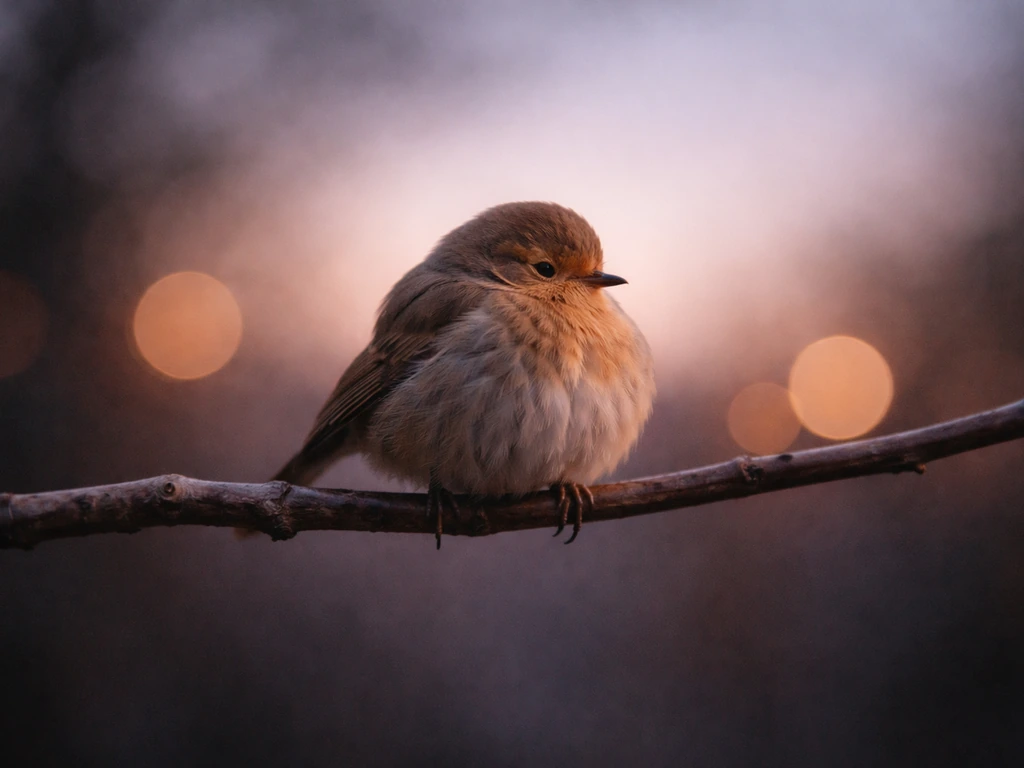
Unlike a fixed idiom such as 'early bird gets the worm,' the phrase 'sleeping bird' doesn't have one locked-in dictionary definition. It works more like a symbolic image that different cultures and writers have used in different ways. The core ideas that keep coming up across contexts are rest, pause, vulnerability, and latent energy. A sleeping bird is not dead, not gone, not finished. It is simply still. That distinction matters a lot for interpretation.
In English literary usage, sleeping birds tend to represent calm or emotional dormancy. A poem by Douglas Malloch uses the image of a sleeping bird stirring softly in its nest to set a mood of quiet intimacy. Another poem uses 'awakening a sleeping bird in the heart' as a metaphor for emotional awakening or rediscovered peace. James Merrill's poetry uses the phrase 'wake the sleeping bird' to suggest something better left undisturbed. Across these examples, the common thread is: something is present and alive, but resting. Whether waking it is good or bad depends entirely on the story.
There is also a well-known Japanese proverb, 寝鳥を刺す, which translates roughly as 'stab a sleeping bird.' This one flips the symbolism toward danger and vulnerability. The sleeping bird here represents someone who has let their guard down, and the proverb warns (or notes) that striking at such a moment is easy. So in East Asian folklore usage, a sleeping bird can specifically mean defenselessness rather than peace.
The contexts where 'sleeping bird' actually shows up
In dreams
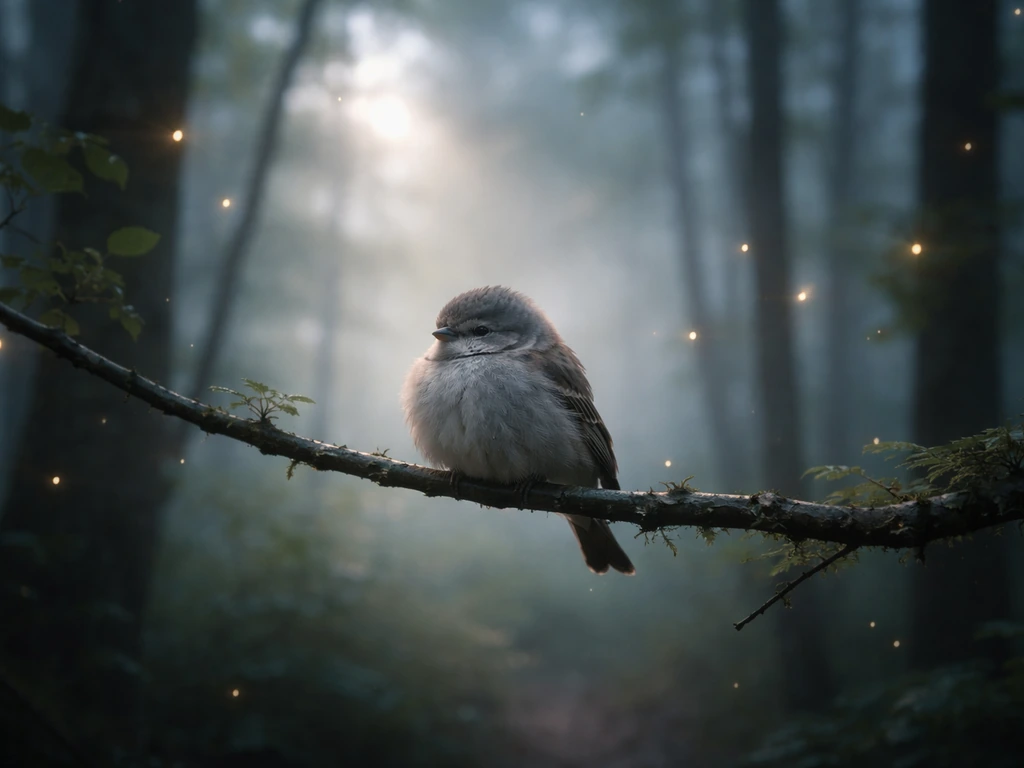
Birds in dreams are broadly associated with intuition, inner wisdom, freedom, and messages from the subconscious. Some people also search for the specific meaning of the “morning bird” or “Sade” reference, so it helps to check the source of the phrase in your context sade morning bird meaning. Dream interpretation frameworks consistently point out that the details matter enormously: species, color, setting, what the bird is doing. A sleeping bird in a dream adds a layer of stillness to all of that. It is likely pointing at something internal that hasn't activated yet, a feeling or decision or piece of awareness that is present but not in motion. The dream is not necessarily warning you; it may be showing you a moment of quiet readiness.
In folklore and proverbs
Outside of the Japanese 'stab a sleeping bird' proverb, sleeping birds don't have a single dominant proverb in Western tradition the way 'early bird' or 'night bird' do. The night bird meaning can be related, but it depends on the exact phrase and cultural context you are using. What you'll often find instead is the sleeping bird appearing as an incidental image inside a folk tale or cultural story, typically standing in for innocence, peace, or a brief window of opportunity or danger. Cross-cultural readings of sleeping animals tend to lean toward 'do not disturb' as a guiding theme.
In poetry, art, and literature
This is probably the richest context for the phrase. Writers use sleeping birds to create atmosphere: quiet woods, a still room, a moment before something changes. The sleeping bird image does a lot of work efficiently because it combines softness (a small animal) with suspension (neither flying nor dead). It tends to signal an in-between state: something on the edge of action or awakening, or something deliberately kept at rest.
In everyday conversation
If someone used 'sleeping bird' casually in conversation and you're trying to figure out what they meant, the most likely explanation is that they were constructing their own metaphor rather than quoting a fixed phrase. They probably meant something like 'leave it alone,' 'let it rest,' or 'don't push something that isn't ready yet.' It's worth asking directly what they had in mind, because this one really doesn't have a standard idiom meaning to fall back on. In some contexts, people also use the phrase as a way of telling someone to "shut up," so it helps to clarify the tone and setting don't push something that isn't ready yet.
What birds and sleep each symbolize on their own
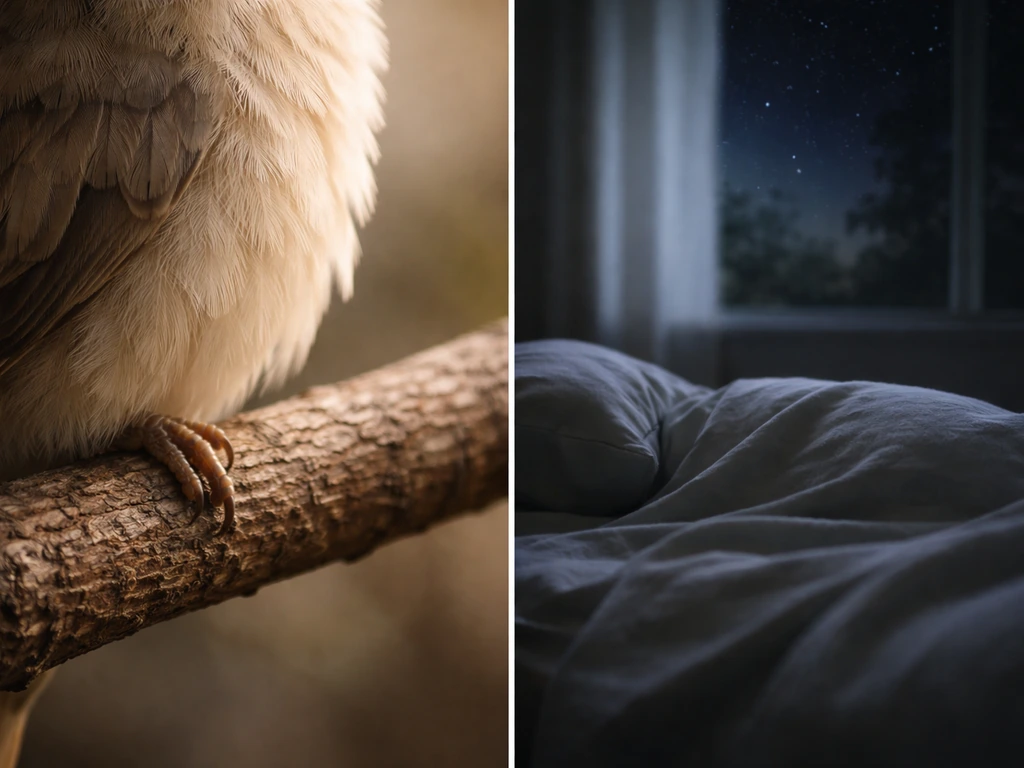
To decode 'sleeping bird,' it helps to know what each half of the image brings to the table separately. Porridge bird meaning is another example of how a phrase can shift depending on context and usage. Birds are almost universally linked to freedom, transcendence, spiritual messages, and intuition. Many traditions treat birds as messengers or symbols of the soul. Sleep, on the other hand, represents transition, vulnerability, inner processing, and the pause between states. It's associated with the unconscious, rest, and hidden interior life.
When you put them together, you get a kind of suspended state of awareness. blank" rel="noopener noreferrer">The bird's usual energy (flight, voice, movement) is temporarily offline, but the bird is still alive and will fly again. Interestingly, real birds back this up biologically: birds can sleep with one hemisphere of the brain at a time, keeping one eye open and one side alert. Wikipedia notes that sleeping birds can use blank" rel="noopener noreferrer">vigilant sleep, alternating rest with quick eye-opening peeks. Even a sleeping bird isn't fully unaware. That scientific reality maps neatly onto the symbolic one: a sleeping bird can mean rest without being entirely off guard.
| Symbolic Element | Common Meanings | How It Shapes 'Sleeping Bird' |
|---|---|---|
| Bird | Freedom, intuition, spiritual message, voice, movement | The active or awakened potential waiting to return |
| Sleep | Rest, vulnerability, inner processing, transition, the unconscious | The pause or stillness that precedes action or change |
| Sleeping Bird (combined) | Peace, dormant potential, latent awareness, protected rest | Meaning depends on whether context emphasizes peace or vulnerability |
How to figure out what it means in your specific situation
The four most common interpretations of 'sleeping bird' are: peace and rest, vulnerability or defenselessness, hidden or dormant potential, and a state of waiting rather than action. A broody bird meaning often overlaps with this idea of waiting, but it leans more toward nurturing, protectiveness, and a strong urge to settle. Here's how to figure out which one fits your situation.
| If you encountered it here... | Most likely meaning | Key question to ask yourself |
|---|---|---|
| A dream, especially vivid or emotional | Hidden potential, inner stillness, or something not yet ready to emerge | What feeling did the bird give you? Peaceful, unsettling, or neutral? |
| A poem, song, or artwork | Calm, emotional dormancy, or an in-between moment | Was waking the bird presented as good, bad, or ambiguous? |
| A Japanese or East Asian context | Vulnerability, defenselessness, 'striking when unguarded' | Was the proverb framed as warning or opportunity? |
| Everyday conversation or casual use | Leave it alone, don't force something before it's ready | Was the speaker urging caution or describing a situation? |
| Folklore or oral storytelling | Innocence, a brief window of danger or grace | Was the bird disturbed, protected, or simply observed? |
The emotional tone you experienced matters most when the source is ambiguous. A sleeping bird that felt peaceful in a dream points toward rest or readiness. If you are asking about brooding bird meaning, use the same approach: look at tone, context, and what the bird suggests emotionally. One that felt sad or exposed points toward vulnerability. One associated with something you've been holding back points toward dormant potential. Your gut reaction to the image is one of the most reliable clues.
Related phrases you might be mixing up with 'sleeping bird'
A few overlapping expressions are worth separating out, because people sometimes confuse them with 'sleeping bird' or stumble onto one when they're looking for the other.
- Let sleeping dogs lie: This is the actual fixed English proverb about not disturbing something that is currently settled or inactive to avoid causing new trouble. It's been around since at least the 14th century. If someone said 'let sleeping birds lie,' they were almost certainly adapting this idiom rather than quoting something distinct. The meaning is the same: don't stir up old problems.
- Brooding bird: A brooding bird specifically refers to a bird sitting on eggs or incubating them. Merriam-Webster traces this back to Old English roots connected to sitting and warmth. If you're researching the emotional sense of 'brooding,' that comes from this same origin. A sleeping bird and a brooding bird are different images with different symbolic weight.
- Night bird: A night bird is a literal or metaphorical term for something nocturnal. It can describe a person who stays up late or an animal active at night. It doesn't carry the same 'rest and pause' symbolism of a sleeping bird.
- Morning bird (as in Sade's song): This refers to something entirely different in contemporary cultural use. Sade's song 'Morning Bird' is associated with loss and emotional presence, not the dawn-activity bird idiom. If you found 'sleeping bird' through music research, double-check whether you're actually thinking of that reference instead.
- Shut up bird: This is slang or meme usage, not traditional bird symbolism. It typically refers to an irritating bird (or person) being told to stop making noise. Unrelated to the symbolic meanings here.
What to do right now to pin down your meaning
If you're still unsure which interpretation fits, here are a few practical steps you can take today to get clearer.
- Trace the source first. Where exactly did you see or hear 'sleeping bird'? Was it a dream, a specific book or poem, something someone said, a proverb you read online? Pinning down the source is the fastest way to narrow interpretation. A Japanese proverb context and an English poem context point in opposite directions.
- Write down every detail you remember. If it was a dream, note the species (if you could tell), the setting, whether the bird was alone, whether it woke up or stayed asleep, and the overall emotional tone. If it was a quote or artwork, note what surrounded it. Details almost always clarify the meaning more than the phrase itself.
- Ask: was the sleeping state fragile or protected? If the context emphasized how vulnerable the sleeping bird was (easy to harm, exposed), lean toward the vulnerability reading. If the context felt calm and undisturbed, lean toward peace, rest, or dormant potential.
- Journal on these prompts if the phrase came from a dream: What in my life feels like it's resting right now but isn't gone? Is there something I've been waiting on that might be ready to wake up? Do I feel peaceful about something being still, or anxious about it?
- Check whether you're actually looking for a different phrase. If the 'sleeping bird' phrase you encountered feels like it might be an idiom or proverb, search specifically for 'let sleeping dogs lie' and see if that's what you were actually thinking of. A lot of 'sleeping bird' searches turn out to be this substitution happening in memory.
- If the phrase was used by a person in conversation, ask them directly. Because 'sleeping bird' isn't a locked-in idiom, the person who used it was probably constructing their own metaphor and can tell you exactly what they meant.
The phrase 'sleeping bird' rewards slowing down rather than jumping to a single definition. It sits in a symbolic space where peace, vulnerability, and potential all overlap, and the context you bring to it is what makes it specific. Once you know where it came from and what feeling surrounded it, the meaning usually becomes clear pretty quickly.
FAQ
How can I tell whether sleeping bird is meant positively (rest) or negatively (danger)?
Start with the emotional temperature and the surrounding action. If the scene feels protective, tender, or quiet, it usually points to rest or readiness. If the scene feels predatory, urgent, or exposes someone’s guard being down, especially in proverb or folklore-like wording, it leans toward vulnerability and possible harm.
Does the species, color, or setting of the bird change the sleeping bird meaning in a dream?
Yes, details often shift the emphasis from one theme to another. A quiet nest setting tends to reinforce dormancy or hidden potential, while a more exposed location (open field, window ledge, inside a room with people) can increase the vulnerability reading. Color can also act like a “tone modifier,” for example darker tones often make stillness feel heavier rather than peaceful.
What should I do if I only remember the phrase “sleeping bird” but not where I encountered it?
Treat it like a prompt, not a definition. Note what you were thinking or feeling right before you noticed it, then ask what area of life is in a “waiting” phase (a decision, an apology, a project). The meaning that fits best is the one that matches the timing in your real life, not the most common dictionary-style interpretation.
Is “sleeping bird” ever used as a direct insult or to tell someone to shut up?
It can be, particularly in informal conversation when someone uses the image as a metaphor for stopping interruption. The clue is tone. If it’s said sharply, with impatience, or during a disagreement, it’s more likely “leave it alone” than poetic symbolism.
If I think I’m dealing with the Japanese proverb 寝鳥を刺す, how do I avoid misreading it?
Confirm the tone and framing. The proverb’s usual point is that attacking someone when they are at rest or unguarded is easy or notable. If your version reads like gentle quiet or emotional calm, it’s probably not being used in the proverb sense, even if the words sound similar.
Can sleeping bird meaning relate to “one hemisphere of the brain” sleep, and does that change interpretation?
It can help you understand the symbolism, but it should not override the context you personally experienced. If the dream or image emphasized alertness despite stillness (watching, sensing, “half-aware” moments), the biological angle supports a “rest without total unguardedness” reading.
What are common mistakes people make when interpreting sleeping bird symbolism?
The biggest mistake is forcing a single fixed meaning. Another is ignoring tone and action (for example, interpreting any sleeping bird as a warning). Finally, people sometimes treat “waiting” as always positive. In many stories it signals risk, timing, or hesitation that may need an emotional decision.
How can I quickly narrow the meaning when it appears in a story or poem?
Ask two questions. First, what changes right after the sleeping bird image (calm continues, tension rises, someone wakes it, someone refrains)? Second, whose perspective is it from (the person safe beside the bird, the person tempted to disturb it, an outside observer). Those answers determine whether it’s peace, vulnerability, or dormant power.
If sleeping bird keeps showing up for me repeatedly, what practical step should I take?
Use it as a check-in prompt. Identify one thing you have been “keeping still” (a conversation, a boundary, a decision you postponed). Then decide whether the most aligned move is to rest and wait longer, or to make a gentle, deliberate “wake” attempt at the right moment.
Next Article
Sade Morning Bird Meaning: What It Symbolizes and Why
Interpret sade morning bird meaning: how morning bird symbolism and Sade context shape the message in lyrics or captions