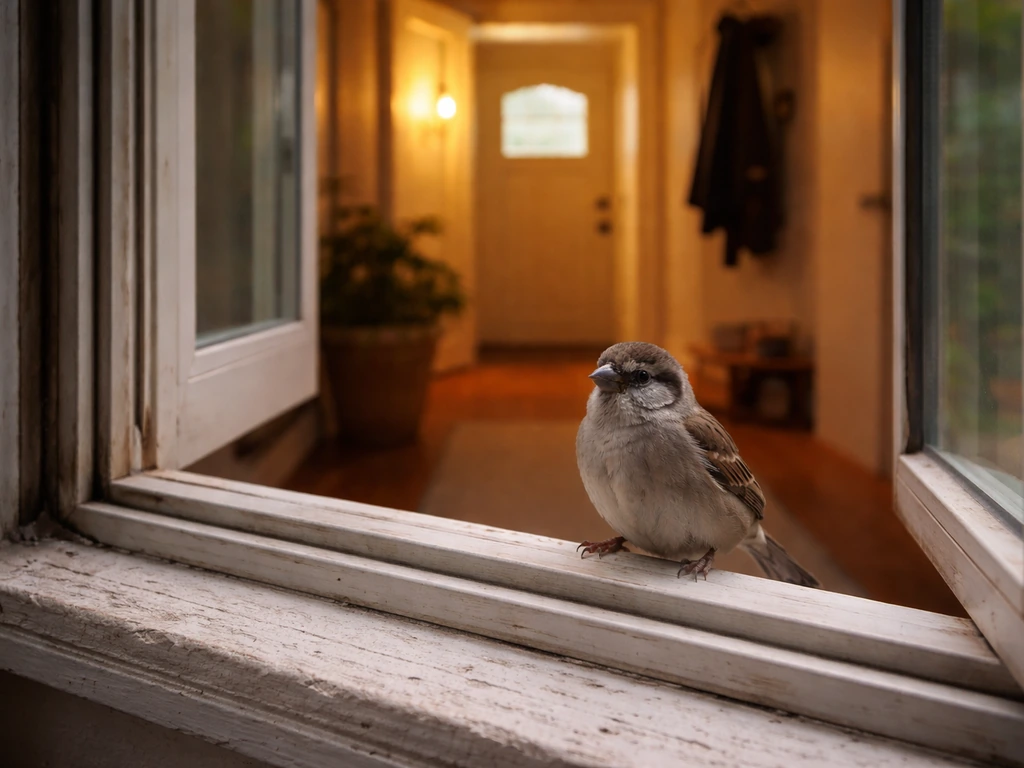
When someone says 'bulbul bird meaning,' they are almost always asking about one of two things: either the actual bird family (Pycnonotidae, a large group of songbirds found across Africa and Asia), or the rich poetic and cultural symbol tied to the Persian word 'bulbul,' which historically meant 'nightingale' and carries centuries of meaning around love, longing, and the power of song. The two senses overlap but are not the same thing, and knowing which one applies to your situation makes all the difference.
Bulbul Bird Meaning: Symbolism, Sayings, and Identification

Marcus Whitley
27 May 2026
Wait, is it 'bulbul,' 'ba,' or 'ern'? Clearing up the search confusion
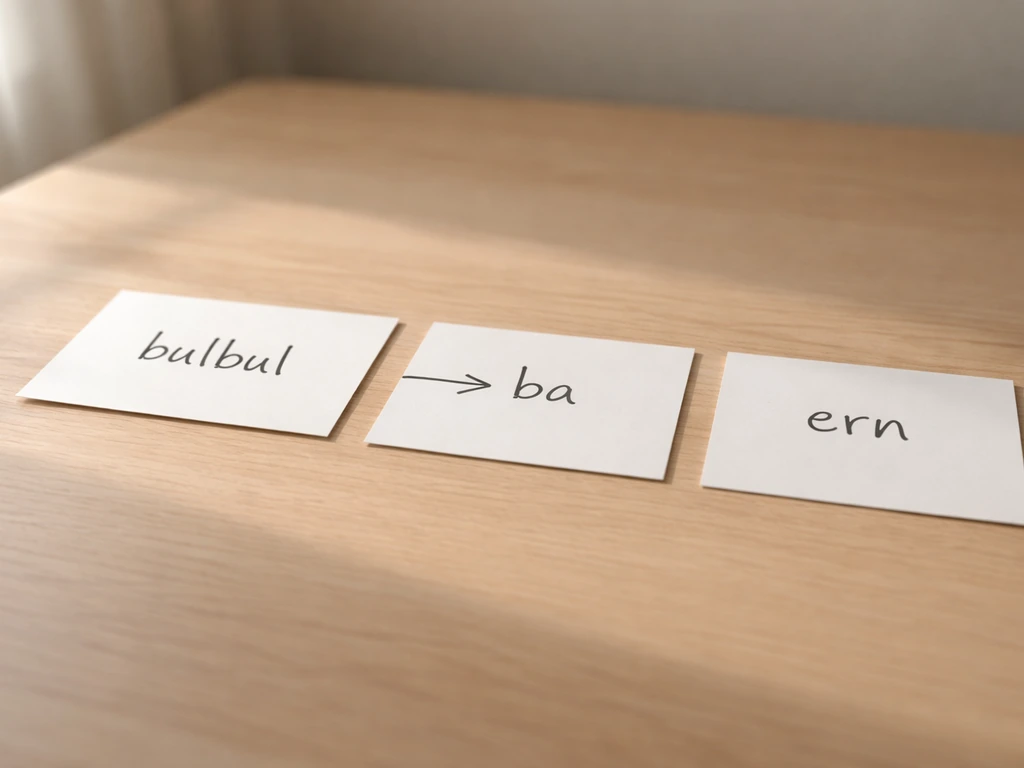
If you ended up here after searching for 'ba bird meaning' or 'ern bird meaning,' those are almost certainly typos or autocorrect casualties of 'bulbul.' The word 'bulbul' looks a little unusual in English, and quick typing can drop letters or swap them entirely. 'Ba' is not a recognized bird name in English (though it does appear in Ancient Egyptian symbolism as a soul concept, which is a different domain entirely). 'Ern' or 'erne' is a real, old English word for an eagle, so if you are actually looking for eagle symbolism, that is a completely separate bird. If your search landed here, the term you most likely intended is 'bulbul,' spelled b-u-l-b-u-l. Double-check your original source before reading further, because the meaning attached to bulbul is very specific and does not transfer to either of those other terms.
What the bulbul bird actually is
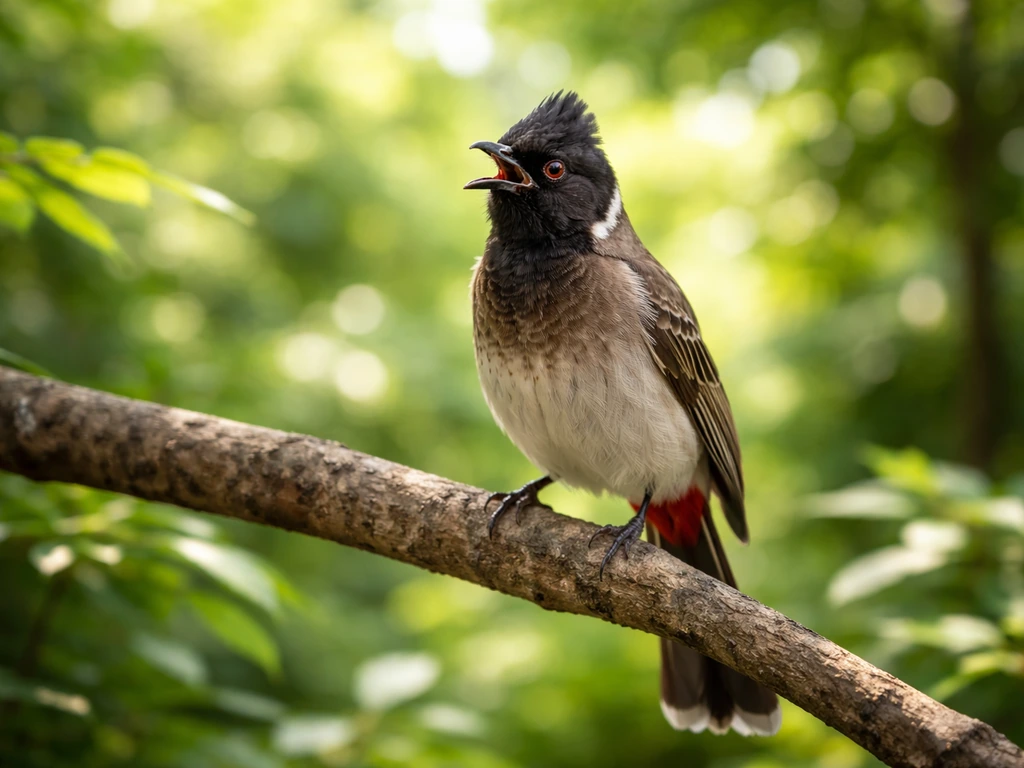
In modern English ornithology, 'bulbul' refers to birds in the family Pycnonotidae, a large and diverse family of passerines (perching songbirds) spread across Africa, the Middle East, South Asia, and Southeast Asia. Family-level, they tend to be moderate-sized, fairly gregarious, and often described as dull-colored with soft, fluffy plumage, though plenty of species break that mold with splashes of red or yellow. A few specific species give a clearer picture: the Common Bulbul (Pycnonotus barbatus) is widely distributed across Africa and is the bird Cornell's bird guide profiles as following driver ant swarms, a useful ID trick. The Red-whiskered Bulbul (Pycnonotus jocosus), sometimes called the crested bulbul, is one of the most recognized species across South and Southeast Asia. The Light-vented Bulbul (Pycnonotus sinensis) goes by the common name 'Chinese bulbul.' And the Flame-throated Bulbul (Rubigula gularis) is notable enough to be the official state bird of Goa in India. So 'bulbul' as a bird label is stable, specific, and taxonomically grounded, even though it covers dozens of species.
The confusion between the English bird family and the poetic tradition comes from etymology. The word 'bulbul' entered English from Classical Persian (بلبل) and Arabic (بُلْبُل), where it historically referred to the nightingale, not the Pycnonotidae family. English-speaking naturalists then applied the name 'bulbul' to Asian and African songbirds that reminded them of the same general category, even though the nightingale is a different bird entirely (it belongs to the family Muscicapidae). This layered history is why the same word can appear in a Persian poem meaning 'nightingale and love' and in a birdwatching guide meaning a specific African or Asian species.
The core symbolism: what bulbul actually stands for
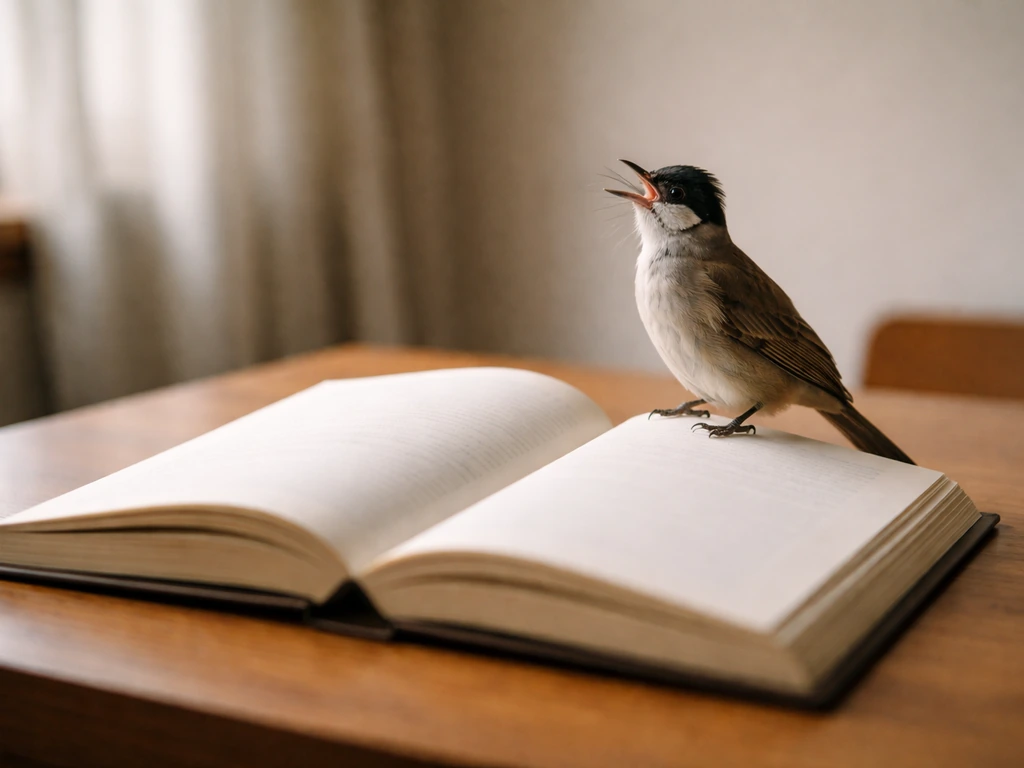
The dominant meaning cluster around 'bulbul' across cultures comes down to voice, passion, and love that cannot be easily satisfied. In Persian and broader Persianate literary tradition, the bulbul (understood as the nightingale) is the archetypal lover: eloquent, intensely passionate, and in love with the rose (gul) in a way that is beautiful but ultimately painful. This is not casual romantic imagery; it is a major philosophical and spiritual metaphor in Sufi poetry, where the rose represents divine beauty and the bulbul's song represents the soul's longing for union with the divine. On a more everyday level, the bulbul simply represents the power of a beautiful singing voice and the joy of music, morning song, and spring.
- Voice and song: the bulbul is first and foremost a singer, the bird whose sound defines its meaning
- Love and longing: specifically the lover who is devoted, eloquent, and unfulfilled, unable to possess what they love
- Spring and joy: bulbuls are associated with the season of new growth, mornings, and happiness
- Spiritual yearning: in Sufi readings, the bulbul's love for the rose becomes a metaphor for the soul's relationship with God
- Earthly and divine love simultaneously: the same image can carry both a romantic and a spiritual reading depending on context
The 'rose and nightingale' (gul-u-bulbul) pairing is so established in Persian, Urdu, and Turkish artistic traditions that it became its own recognized subtheme in art, poetry, and decorative craft. When you see it referenced in a painting, a tile pattern, or a poem, the shorthand meaning is: beauty and its devoted admirer, the one who sings for what it cannot hold.
How 'bulbul' actually shows up in language: idioms, names, and literature
Persian has a direct expression built from the word: 'bulbul shudan,' which literally means 'to become a bulbul' and is used to mean falling in love. That is about as direct a linguistic encoding of meaning as you can get. In the ghazal (a major lyric poetry form in Persian, Urdu, and Turkish traditions), the poet frequently takes on the persona of the bulbul, singing to an unattainable beloved, which is the 'Garden' persona that scholars of the form describe as one of its stock roles. So when you read an Urdu or Persian ghazal and the speaker compares themselves to the bulbul, they are consciously stepping into a very old role: the passionate, musical, lovesick devotee.
In literature outside the ghazal tradition, poets like Sarojini Naidu used the bulbul in spring landscape imagery, where the bird's song in a garden carries both earthly romance and the suggestion of something more divine. The Arabic poem 'Sawt Safir al-Bulbul' (literally 'the sound of the nightingale's whistle') is one of the most well-known classical examples of the bulbul invoked purely for its voice, its music foregrounded as the subject itself.
As a personal name, 'Bülbül' is a living Turkish and Azerbaijani feminine given name meaning 'nightingale,' used independently of any poetic framework, just the way an English speaker might name a child Melody or Lyric. There is also a famous Azerbaijani singer who went by the stage name Bulbul precisely because 'bulbul' meant 'nightingale' and therefore signaled an exceptional voice. Place names carry it too: 'Bulbul' is a village name in Syria, where the word's Arabic and Turkish roots connect it to the nightingale's presence or perhaps a local association with that bird's song.
How the meaning shifts depending on where you are
The meaning of 'bulbul' is not uniform across all the cultures that use the word, and knowing the regional version matters when you are trying to interpret it in a specific context.
| Region / Tradition | What 'bulbul' refers to | Primary meaning/symbolism |
|---|---|---|
| Persian (classical & modern) | Nightingale (European nightingale conceptually) | Passionate lover, spiritual longing, the soul seeking the divine rose |
| Arabic | Nightingale (bolbol/bulbul); in Syria, mapped onto Pycnonotus species | Song, eloquence, sometimes romantic longing |
| Urdu / South Asian literary | Nightingale (literary) or melodious local songbird | Romantic love, poetic voice, spring joy; ghazal persona |
| Turkish / Azerbaijani | Nightingale (bülbül) | Beautiful voice, femininity, used as a personal name |
| English ornithology | Pycnonotidae family birds (Common, Red-whiskered, Chinese bulbul, etc.) | Identification label; limited cultural symbolism attached |
| Indian regional (e.g., Goa) | Specific native bulbul species (e.g., Flame-throated Bulbul) | Regional identity and pride; official state symbol |
Rekhta's Urdu dictionary puts this split neatly: in Persia and Arabia, 'bulbul' means the nightingale specifically, while in India it can mean 'a certain melodious bird resembling the nightingale,' which opens the label to local species. This is typical of how bird names travel: the poetry and symbolism come first, then the name attaches itself to whatever local bird seems to fit the same role.
Common confusion cases and how to sort them out
The biggest source of confusion is the nightingale overlap. If you are reading a Persian or Urdu poem and the word 'bulbul' appears, it almost certainly means nightingale in spirit even if the actual bird being described is different from the European nightingale zoologists know. Do not assume the poem is about a Pycnonotidae species just because 'bulbul' is technically the English name for that family.
The second confusion is typographical. 'Ba bird' and 'ern bird' are not alternate names for the bulbul. If someone wrote either of those, it is almost certainly a corrupted version of 'bulbul.' Cross-check with the original source (a poem title, a caption, a tattoo description) to confirm the spelling. Other bird terms that can get tangled with 'bulbul' in casual searching include 'bul-bul' (hyphenated variant, same bird), 'nightingale' (the cultural equivalent in many traditions), and occasionally 'myna' or 'shama' (other celebrated Asian songbirds with similar cultural roles but different identities).
Dream interpretation is another area where people search 'bulbul meaning' expecting something different. It helps to treat "intro bird meaning" as a shorthand for which framework you are using: the literal bird identity, the Persian nightingale symbolism, or dream lore. If you are asking about hook bird meaning, it helps to clarify whether you mean a specific bird name or a symbolic phrase used in stories and dreams. Several Urdu and Persian-influenced dream interpretation traditions treat seeing a bulbul in a dream as a positive omen, generally associated with joy, good news, or emotional contentment, though the specific meaning can shift based on context (who the dreamer is, what the bird is doing). For example, UrduPoint’s dedicated dream-interpretation page for “خواب میں بلبل دیکھنا” treats the bulbul as a symbolic nightingale-type sign rather than a strict bird taxonomy question seeing a bulbul in a dream. This is a separate interpretive system from either ornithology or literary symbolism, and it is useful to know which of the three frameworks the person asking 'bulbul bird meaning' is actually working within.
It is also worth noting that while this article focuses on bulbul, similar symbolic journeys happen with other bird terms. The way 'bulbul' carries the weight of poetic identity and cultural belonging is comparable to how terms like 'home bird' or 'winter bird' accumulate meaning that goes well beyond the literal species, and the same disambiguation process applies to any of those terms when they show up in an unfamiliar context. In the same way, the phrase "home bird meaning" usually points to the symbolic idea attached to a “home bird” rather than a specific species. If you are wondering about winter bird meaning specifically, the same idea applies: the phrase can point to symbolism, language, and context, not just one literal species.
How to figure out what 'bulbul' means in your specific situation
The fastest way to pin down which meaning applies is to ask three questions about the context where you found the word.
- What language or cultural tradition is the source material from? If it is Persian, Urdu, Turkish, or Arabic poetry, music, or art, go with the nightingale-lover symbolism. If it is an English birdwatching resource, field guide, or nature documentary, treat it as a Pycnonotidae family label.
- Is it being used as a name? A person named Bülbül or Bulbul almost certainly has Turkish, Azerbaijani, Persian, or South Asian roots, and the name means 'nightingale' with all its connotations of beautiful voice and passionate spirit.
- Is it a dream, omen, or spiritual context? In that case you are in the Urdu/Persian folk interpretation tradition, where bulbul generally signals joy, good news, or emotional warmth, though context matters and interpretations can vary.
If you are still uncertain, the simplest cross-check is to look at whether the source pairs 'bulbul' with 'rose' or 'gul.' The rose-and-nightingale (gul-u-bulbul) pairing is one of the most stable signals in world poetry that you are in Persian-influenced symbolic territory and the full weight of the love-longing tradition applies. If there is no rose in sight and the context is field notes or a wildlife article, you are looking at the bird family, full stop.
One last practical note: if you are researching 'bulbul' for a tattoo, a poem you are writing, or a name you are considering, the poetic tradition gives you enormous material to work with. The bulbul is not just a pretty bird; it is one of the most developed symbols for the experience of loving something intensely and expressing that love through your voice. That is a meaningful thing to carry on your skin or put into a line of verse, and it lands differently, and more powerfully, once you know what tradition you are invoking.
FAQ
In a poem or song, how can I tell whether “bulbul” means nightingale symbolism or the actual bulbul bird?
Decide what kind of source you are reading. If it is a Persian, Urdu, or Turkish poem, a ghazal, or an artwork using “rose” language, “bulbul” almost always means nightingale in the literary sense. If it is a bird guide, field notes, or a species caption, it refers to the bulbul birds in the Pycnonotidae family.
What signs show that “bulbul” is being used with the Persian love metaphor (like “bulbul shudan”) rather than just describing singing?
Look for the “bulbul shudan” phrasing or close variants, and also check whether the speaker treats love as something they are becoming, not something they are merely experiencing. That “becoming” framing is a strong sign you are in the Persianate love-metaphor register.
If I saw a bulbul bird in a dream, what details change the interpretation?
In dream traditions that use “bulbul” as a positive omen, the meaning typically shifts by what the bird is doing (singing, silent, flying in, appearing dead) and by the dreamer’s emotional state. A common mistake is treating it as a one-size-fits-all sign without those context details.
Are “ba,” “ern,” or “bul-bul” ever legitimate meanings of “bulbul,” or are they usually mistakes?
“Ba bird” and “ern bird” are almost certainly corrupted searches or mistypes, but hyphenation can also trip people up. For example, “bul-bul” (hyphenated) is usually the same poetic term, not a different bird or a separate symbol.
What is the quickest way to verify which meaning applies without looking up every line of the context?
Do not rely on a single English sentence. If the text mentions a gul/rose or consistently pairs the bird with longing, devotion, or an unattainable beloved, it is pointing to the nightingale-and-love tradition. If the text is focused on geography and identification traits, it is pointing to a Pycnonotidae species or group-level description.
If “Bulbul” is a person’s name in a story or genealogy, should I treat it as the bird meaning or the poetic meaning?
Yes. “Bulbul” is a living personal name, and in some communities it can be used independently of the poetic metaphor. If you are interpreting a name, check whether the surrounding text talks about birds and poetry, or whether it is simply identifying a person, since that changes the likely meaning.
If a culture uses “bulbul” to mean nightingale, does it still correspond to one specific bird species?
Some cultural references use “bulbul” as a nightingale substitute, but the exact species-equivalent may vary by region. If you need a literal bird for identification, use local field guides and treat the poetic term as a clue to “nightingale-like” rather than a guaranteed match to one zoological species.
When “bulbul” appears with other words, what combinations indicate symbolism versus bird identification?
If your source pairs “bulbul” with terms like “whistle,” “song,” or “rose,” prioritize the symbolism. If it pairs “bulbul” with taxonomy clues (genus/species names, range, habitat, behavior like following driver ants), prioritize ornithology. The same word can sit in both domains, but your surrounding vocabulary usually tells you which one.
Next Article
Home Bird Meaning: What a Bird at Your House Signals
Home bird meaning explained: symbolism of birds at your house and what to do if one is indoors or nesting.