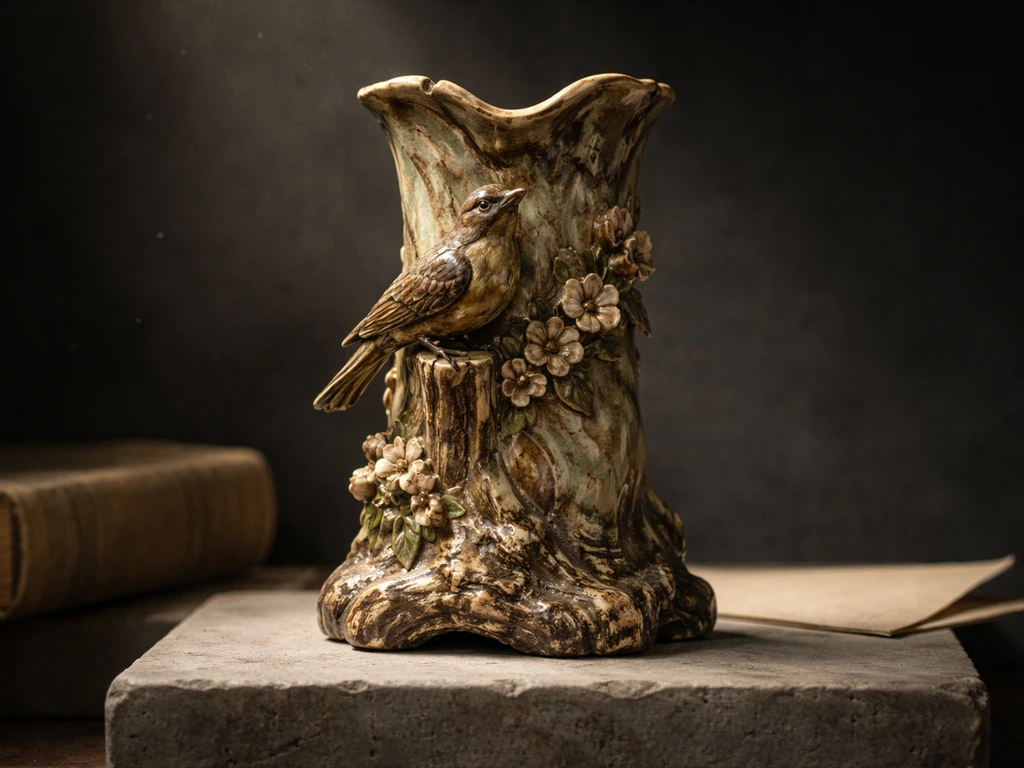
When someone searches 'spurs bird meaning,' they're almost always asking one of three things: what does 'spurs' mean when paired with a bird in a metaphor or phrase, which bird species are physically associated with spurs, or how the imagery of spurs sharpens a bird's symbolic meaning. The most common answer: 'spurs' adds urgency, aggression, or readiness to whatever bird symbolism is already in play, and the bird most tightly linked to literal spurs in both anatomy and symbolism is the rooster, followed closely by spur-winged birds like the lapwing.
Spurs Bird Meaning: Symbolism and How to Interpret It

Marcus Whitley
19 May 2026
What 'spurs bird' actually means (let's clear this up first)
The phrase 'spurs bird' doesn't refer to one fixed idiom. It lands in one of three categories, and getting the right one matters for interpretation.
- A verb-plus-noun phrase: 'spurs' as in urges, motivates, or drives a bird (or bird metaphor) forward — 'freedom spurs the bird to fly' style usage
- A species description: birds that literally have spurs on their wings or legs, like the spur-winged lapwing or longspur
- A symbolic modifier: 'spurs' narrowing or intensifying a bird's existing symbolism toward aggression, defense, or readiness — most common in rooster symbolism, dream interpretation, and tattoo meanings
The first category is the most common in poetry, lyrics, and captions. The second is a zoological descriptor that some readers stumble across when researching birds. The third is where most dream-meaning and tattoo-meaning searches land. Knowing which bucket your usage falls into tells you almost everything about the intended meaning.
What 'spurs' actually adds to bird meaning
The core definition of 'spur' as a verb is 'to urge or push to action.' Merriam-Webster defines it as an incitement to accelerated movement or growth. Cambridge leans into the physical image: pushing spurs into the side of a horse to force it forward. When that energy attaches to a bird, it layers urgency or provocation onto whatever the bird already represents. A bird already symbolizing freedom gets an extra charge of 'pushed into flight.' A bird symbolizing vigilance gets sharpened toward aggressive defense.
As a noun, 'spur' means a pointed spike or hard protrusion. In zoology, wing spurs and leg spurs are literal features on certain birds. Zoo Atlanta describes wing spurs in lapwings as a 'secret weapon' covered in keratin, the same material as fingernails, used for territorial and defensive displays. That physical image carries straight into metaphorical readings: a bird with spurs isn't just free or watchful, it's armed.
So when 'spurs' pairs with any bird reference, the semantic weight it adds is almost always in this cluster: urgency, provocation, aggression, readiness to act, or the crossing of a threshold from passive to active. The bird brings its usual symbolic freight (message, omen, freedom, song), and 'spurs' tips it from passive to engaged.
The birds most closely tied to 'spurs' and what they symbolize
The rooster: the primary spur bird in symbolism
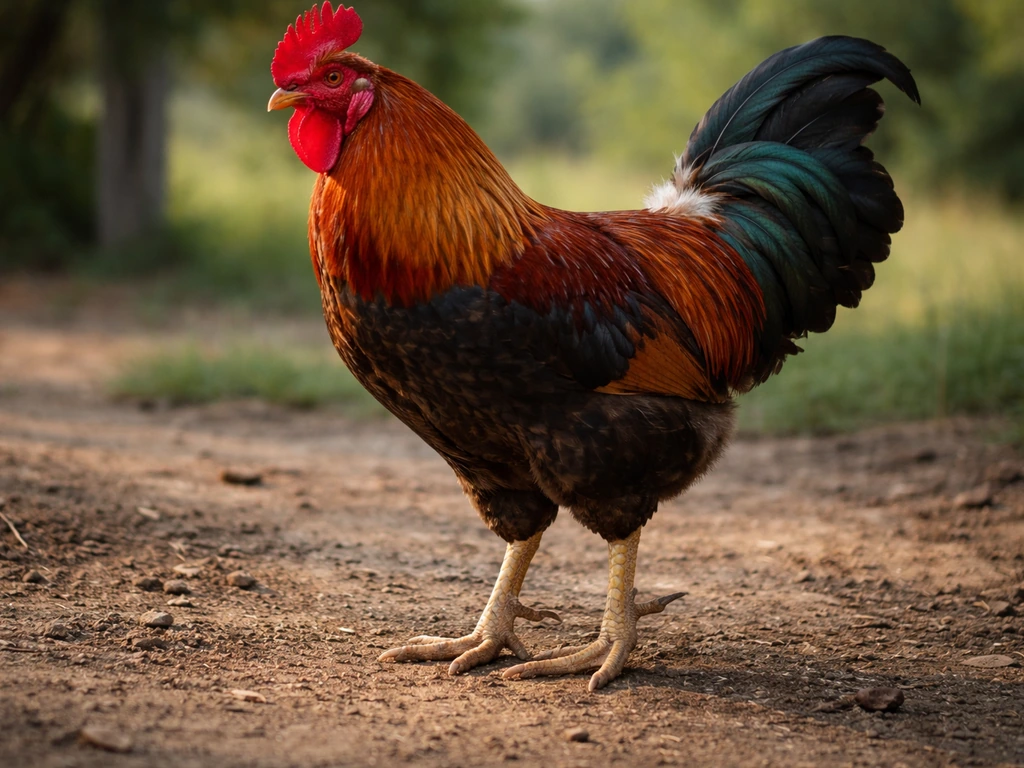
If someone is looking up 'spurs bird meaning' in a dream-interpretation or spiritual context, the rooster is almost certainly the bird they mean. Roosters grow hard, curved spurs on their legs throughout their lives, and those spurs feature prominently in rooster symbolism across multiple traditions. In martial symbolism, the rooster's spurs represent readiness for combat and protection of the flock. Islamic dream-interpretation sources link rooster spurs specifically to 'defensive ego' and competitive energy. The New Acropolis Library ties rooster spur imagery directly to 'martial virtues,' placing it alongside the bird's other symbolic attributes: confidence, courage, the announcement of dawn, and vigilance.
Stripped of the spur detail, the rooster's core symbolism is about confidence, new beginnings, and seizing the moment (the dawn call). Add spurs back in, and you shift the emphasis toward the combative, protective, and aggressive dimensions of that same energy. A rooster without spurs is a herald. A rooster with spurs is a warrior. That distinction matters when you're trying to interpret a dream or read a tattoo.
Spur-winged birds: lapwing, longspur, and spur-winged goose
On the species side, several birds carry 'spur' in their name because of actual physical anatomy. The spur-winged lapwing (also called the masked lapwing or spurwing plover) has a yellow spur at the 'elbow' of each wing, which Indigenous Australian descriptions compare to yellow spears. The longspur gets its name from Latin 'calcaria,' meaning spurs, referring to the elongated hind claw. The spur-winged goose has wing spurs that can be used defensively. Wikipedia also notes that blank" rel="noopener noreferrer">wing spurs in some birds can be used defensively, including in spur-winged geese.
These birds don't carry a single unified symbolic tradition the way the rooster does, but when they appear in symbolism or omen readings, the spur anatomy reinforces themes of protection, territorial boundary-setting, and hidden capability. The lapwing in particular has older symbolism around deception and protection of the vulnerable (it famously leads predators away from its nest), so its physical spurs layer in an 'armed protector' dimension that's easy to read in either a literal or metaphorical direction.
Bird symbolism you're probably really after
Most people searching 'spurs bird meaning' aren't primarily interested in anatomy. They want to understand what the combination of bird imagery and 'spur' energy means at a symbolic level. Here's the framework that covers most cases: birds themselves most commonly symbolize freedom, messages from beyond, omens of change, spiritual travel, or vigilance. 'Spurs' then acts as a modifier that pushes any of those meanings toward action, urgency, or the crossing of a threshold.
| Bird's Base Symbolism | What 'Spurs' Adds | Combined Reading |
|---|---|---|
| Freedom / independence | Urgency, being pushed forward | A moment where freedom is no longer optional — action is required |
| Message / omen | Provocation, sharpened attention | A warning or sign that demands a response, not just notice |
| Vigilance / watchfulness | Aggression, armed defense | Active protection rather than passive watching |
| Confidence / dawn (rooster) | Martial readiness, competition | Willingness to fight for what you stand for |
| Spiritual travel / soul | Incitement, crossing a threshold | Being driven or called to make a spiritual move |
How context completely changes the interpretation
In speech and everyday language
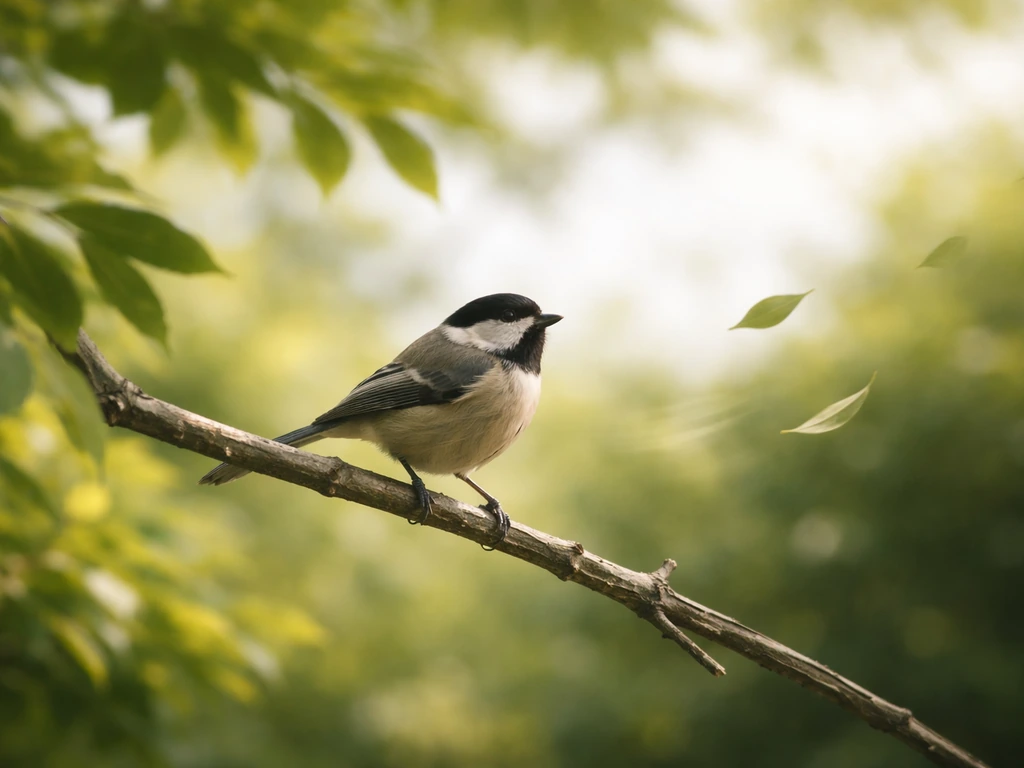
When someone says 'freedom spurs the bird to sing' or 'curiosity spurs the bird from the branch,' 'spurs' is functioning as a simple verb meaning 'causes' or 'drives.' The bird here is usually a stand-in for a person, an idea, or a soul. The meaning is motivational and forward-moving. There's no aggression implied, just the image of something being set in motion.
In lyrics and poetry
Songwriters and poets use bird plus spur imagery to create a sense of restlessness or being driven against one's will. A lyric like 'what spurs the bird to leave the wire' is really asking what forces change or departure. In this context, the spur is usually an external pressure (loss, longing, danger) rather than an internal drive. Identifying whether 'spurs' is internal motivation or external force changes the emotional reading considerably.
In dreams and omen readings
Dream-interpretation contexts are where 'spurs' gets the most literal and the most specific. If you dreamed of a rooster's spurs specifically, the reading leans toward defensive energy, ego protection, or competitive pressure in your waking life. Some symbolism guides interpret a rooster's spurs as emphasizing confidence, morning sun energy, and assertive readiness blank" rel="noopener noreferrer">rooster's spurs specifically. If you're specifically wondering about the bishop's bird stump meaning, this same spur-plus-bird logic can help you narrow down the symbolic interpretation. If the dream featured a bird with wing spurs, the interpretation often centers on hidden capability or a protective force you haven't yet recognized. The key detail to note is which bird appeared, whether the spurs were prominent or incidental, and whether the spur imagery felt threatening or empowering in the dream itself.
In tattoos and visual art
A rooster tattoo with visible spurs reads very differently from a generic bird-in-flight tattoo. The spurs communicate that the wearer identifies with the warrior or protector dimension of rooster symbolism, not just the confidence-and-new-beginnings dimension. Other spur-bearing birds in tattoo form (lapwing, fighting cock) similarly signal readiness, boundary defense, or hard-won strength rather than pure freedom or spiritual travel.
In quotes and written phrases
When you encounter 'spurs' in a written bird quote ('hope is the bird that spurs the dawn'), parse whether 'spurs' is a verb (drives or greets the dawn) or a noun phrase (has spurs, is armed). Most literary uses are verb constructions. The double meaning is sometimes intentional, especially when the bird in question is a rooster, where both readings make sense simultaneously.
Common misreadings people bring to this search
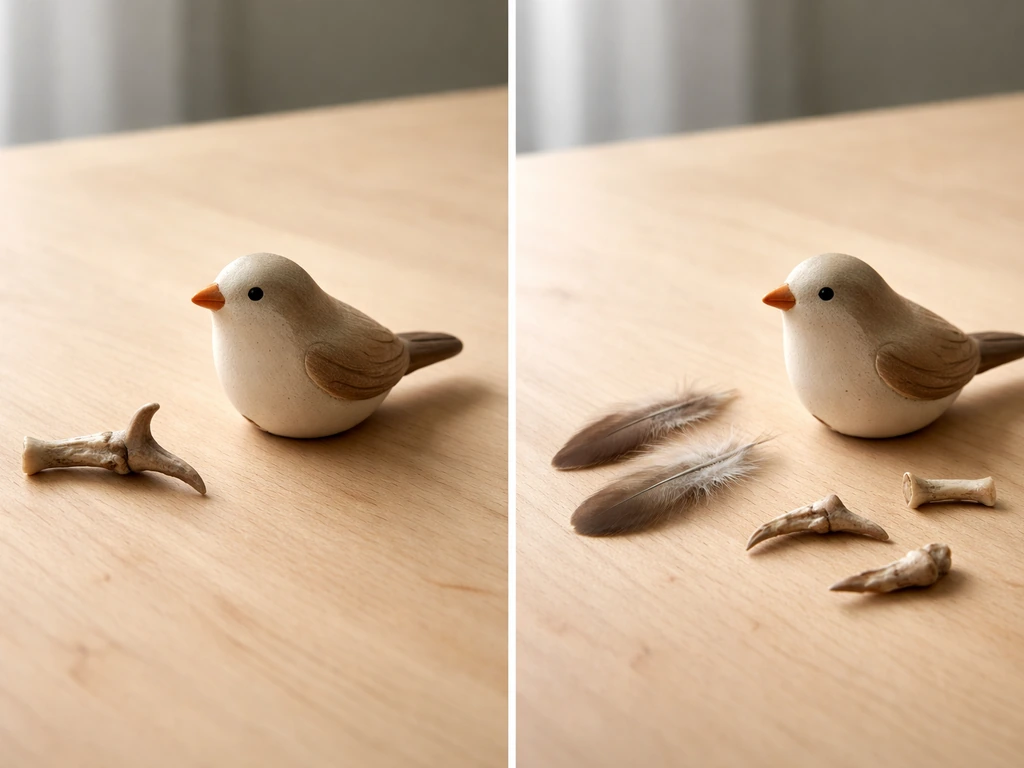
The biggest mistake is assuming there's one specific bird called a 'spur bird' with a defined symbolic meaning. There isn't. 'Spur' attaches to bird references in multiple ways, and treating it as a fixed species name leads to confusion. If you've been searching for 'spur bird' as a single species, you'll most likely land on the spur-winged lapwing or a longspur finch, neither of which carries the rich symbolic tradition most searchers are actually looking for.
The second common mistake is over-literalizing dream or omen searches. Someone who dreamed of a bird and woke up thinking about 'spurs' often conflates the dream image with cockfighting or competitive sport, when the actual symbolic reading is more personal: where in your life are you being pushed to act, or where are you defending your territory? The literal image of the spur (a pointed prod) is meant to be read as a psychological or spiritual prompt, not a literal prediction.
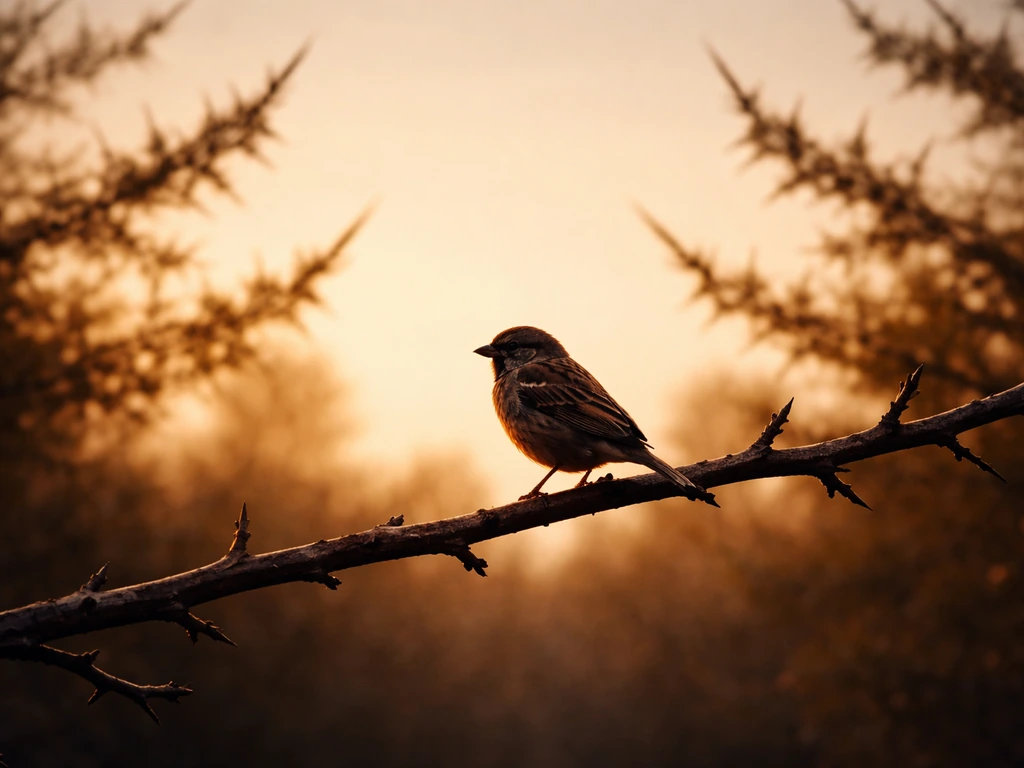
A third misreading: assuming the bird is incidental. In 'spurs bird meaning' searches, some readers focus entirely on 'spurs' and treat the bird as decoration. But the bird species changes the meaning significantly. A sparrow being 'spurred to flight' reads as vulnerability being pushed into action. If you are wondering what a sparrow symbolizes, it often points to vulnerability, sensitivity, and small but real chances for change A sparrow being 'spurred to flight'. A rooster 'with spurs raised' reads as confident aggression. Similar bird symbolism distinctions come up with species like starlings (collective movement, murmurations as metaphor) or storks (transition, delivery, threshold-crossing), where the same 'spurs' energy would land completely differently depending on which bird you're reading. If you were specifically drawn to the starling bird meaning, remember that starlings tend to symbolize collective movement and murmuration patterns starlings (collective movement, murmurations as metaphor).
Quick self-check: pinpoint the exact meaning for your situation
Before you settle on an interpretation, run through these questions:
- Where did you encounter the phrase? (dream, tattoo, lyric, caption, spoken conversation, written quote)
- Is 'spurs' being used as a verb (drives/urges) or as a noun (the physical spur on a bird's body)?
- Is a specific bird named or shown? If yes, look up that bird's base symbolism first, then add 'spur' energy on top.
- Is the spur imagery positive (being driven toward something good) or threatening (being prodded or armed against you)?
- Is this a rooster specifically? If yes, you're almost certainly in martial/protective/competitive symbolism territory.
- Is this a spur-winged bird (lapwing, spur-winged goose)? If yes, the emphasis is on hidden defense and armed protection.
- Is no specific bird named at all? Then 'spurs' is probably functioning as a motivational verb and the bird is a general symbol for aspiration or freedom.
Putting it to work: examples and what to take away
Here are a few concrete examples of how 'spurs bird' actually reads in real usage, and what each one means:
- 'Ambition spurs the bird beyond the cage' — motivational phrase, bird = human aspiration, spurs = external drive to exceed limits. Takeaway: someone or something is pushing you past a self-imposed boundary.
- 'The rooster's spurs gleamed in the morning light' — physical detail used symbolically. Takeaway: readiness, martial confidence, visible capability. Often used to signal that a character or moment is primed for confrontation.
- 'What spurs this bird to sing before the sun?' — philosophical question about internal motivation. Bird = soul or creative spirit, spurs = what ignites it. Takeaway: asking about the source of drive, not the destination.
- A tattoo of a rooster with raised, visible spurs — visual symbol of the wearer's protective, combative spirit. Not aggression for its own sake, but willingness to fight for what matters.
- A dream of a bird attacking with its wing spur — defense symbolism, likely pointing to a real-life situation where you feel threatened at a boundary or where someone's 'hidden weapon' surprised you.
The practical takeaway is this: find the bird first, understand its base symbolism, then apply the 'spur' layer. Spur almost always moves the meaning from passive to active, from potential to kinetic, from watchful to armed. If you can identify the bird and the context (dream, art, language), you have everything you need to land on the right interpretation. When no specific bird is named, default to the rooster as the anchor species, because it's the one where 'spurs' has the richest and most documented symbolic history.
FAQ
If someone searches “spurs bird meaning” but they only remember the word “spurs” and no bird species, what’s the best default interpretation?
If no specific bird is named, treat “spurs” as the main modifier and use the rooster as the anchor bird. That gives the most consistent reading, emphasizing readiness to act, protective or combative energy, and a push from passive awareness into active defense or initiative.
How can I tell whether “spurs” is being used as a verb or a noun when I’m reading a quote or caption?
Check whether the sentence structure shows causation or possession. If “spurs” is followed by a verb pattern like “spurs the bird to” or “spurs the bird from,” it’s acting like “drives or causes.” If it sounds like “the bird has spurs” or “with spurs raised,” it’s describing the bird as armed.
In a dream, does seeing spurs mean I should expect conflict, or is it more psychological?
It’s usually psychological. Spurs in dreams most often point to where you feel pressured to defend boundaries, prove yourself, or respond quickly. The “conflict” angle tends to show up more when the dream also includes aggression cues (charging, threats, being cornered).
If my dream includes a rooster but the spurs are not visible, how should that change the interpretation?
If the rooster is clear but the spurs are incidental or faint, the reading shifts from “armed warrior” to “new beginnings and alert timing.” You’d focus more on confidence or readiness for a new phase, with less emphasis on competitiveness or defensive ego.
What if the bird in “spurs bird meaning” imagery looks like a species I can’t identify, like a small brown bird or a generic silhouette?
Use the visual cues that stand in for species symbolism. Small, drab birds often get read as vulnerability or sensitivity, while larger or brighter birds skew toward messages and visibility. Then apply “spurs” as urgency, a threshold shift, or being pushed into action, rather than locking into a rooster-specific meaning.
Can “spurs” ever imply gentle motivation instead of aggression?
Yes. If the imagery feels energizing rather than threatening, “spurs” functions as encouragement or forward drive (restlessness, ambition, curiosity, departure). Aggression becomes more likely when the dream or artwork highlights defense, territorial behavior, or hostile intent.
Are spur-winged birds (like lapwings) read differently than a rooster when “spurs bird” comes up in symbolism?
Typically, yes. Spur-winged birds tend to reinforce protective territory and hidden capability, often with a “guarding or misleading to protect the vulnerable” vibe (especially with lapwing imagery). A rooster more strongly emphasizes martial readiness, dawn, and competitive confidence.
What’s a common mistake when interpreting tattoo versions of “spurs bird meaning”?
Assuming it’s always just about “freedom.” If the artist clearly depicts spurs, raised leg spines, or wing-spur anatomy, it’s usually signaling boundary defense, readiness to fight, or hard-won strength. If spurs are not depicted, the tattoo may read closer to general vigilance or transition themes.
How do I handle “spurs bird meaning” searches that seem to connect to a specific phrase like “spurs the dawn” or “spurs the bird to sing”?
Treat those as literary, verb-like uses. In these phrases, “spurs” usually means “to urge into action,” so the meaning centers on timing (arrival of change), inner drive, or external pressure that forces movement. The bird’s base symbolism (announcement, message, vigilance) supplies the rest.
If someone links “spurs bird meaning” to “cockfighting” or competition automatically, is that always correct?
Not automatically. Spurs can evoke competitive energy, but the more accurate reading depends on context and emotion. If the dream, art, or caption includes sport imagery, hierarchy, or fighting cues, then competition fits. If it feels like warning, protection, or urgency, the same spurs image is more likely about boundaries and self-defense rather than literal sport.
When interpreting the combination, what practical question should I answer first?
First answer: what is the bird’s base symbolism in your context, then add what “spurs” changes about it. A reliable pattern is that “spurs” moves the meaning from potential or watching into action, either as protective defense or as motivational urgency.
Next Article
Bishop's Bird Stump Meaning: Literal, Figurative, and Origin
Learn bishop’s bird stump meaning: literal and figurative uses, origin, common confusions, and how to confirm intent.