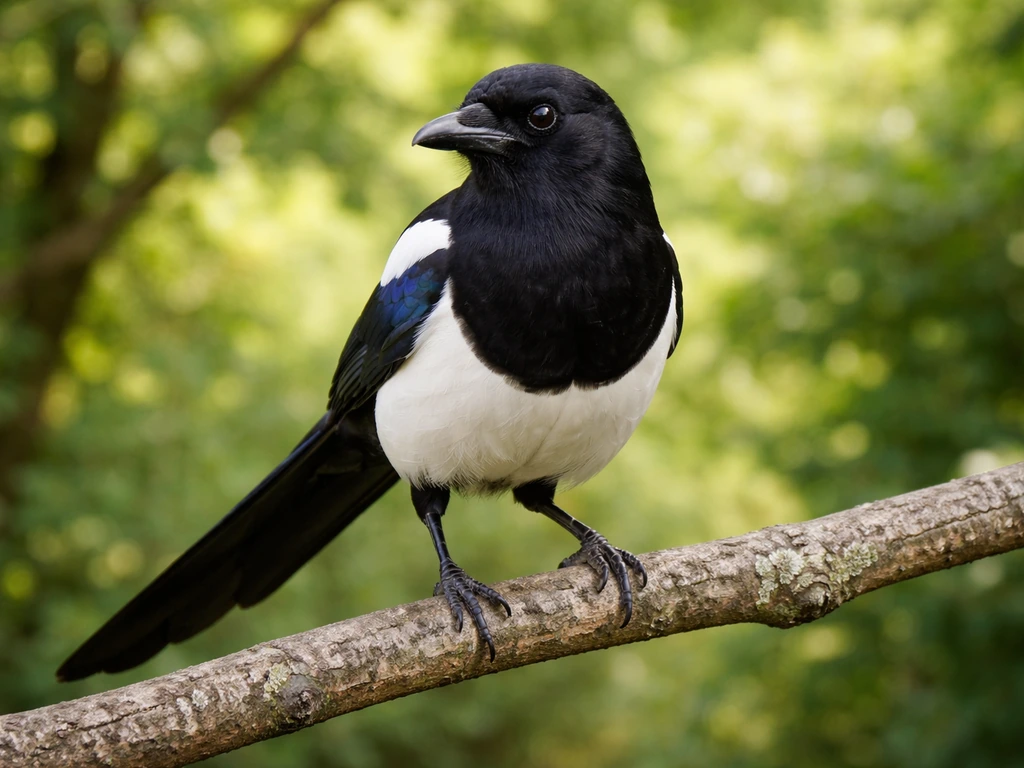
blank" rel="noopener noreferrer">"Picherie" is not a recognized bird name or bird-related term in any major language. When someone searches for "picherie bird meaning," they are most likely working from a misspelling, a dialect form, or an OCR/transcription artifact that points toward another word entirely. In the same way, people also search for pelagic bird meaning when they are trying to identify a specific seabird or its symbolism. The most probable destination is "pigeon" (via spelling confusion) or the French word "pêcherie" (a fishing place), neither of which is a bird symbolic term on its own. Getting to the actual answer means tracing where you first saw or heard "picherie" and correcting from there.
Picherie Bird Meaning: What Picherie Likely Refers To

Marcus Whitley
9 Jul 2026
What "picherie" actually is (and isn't)
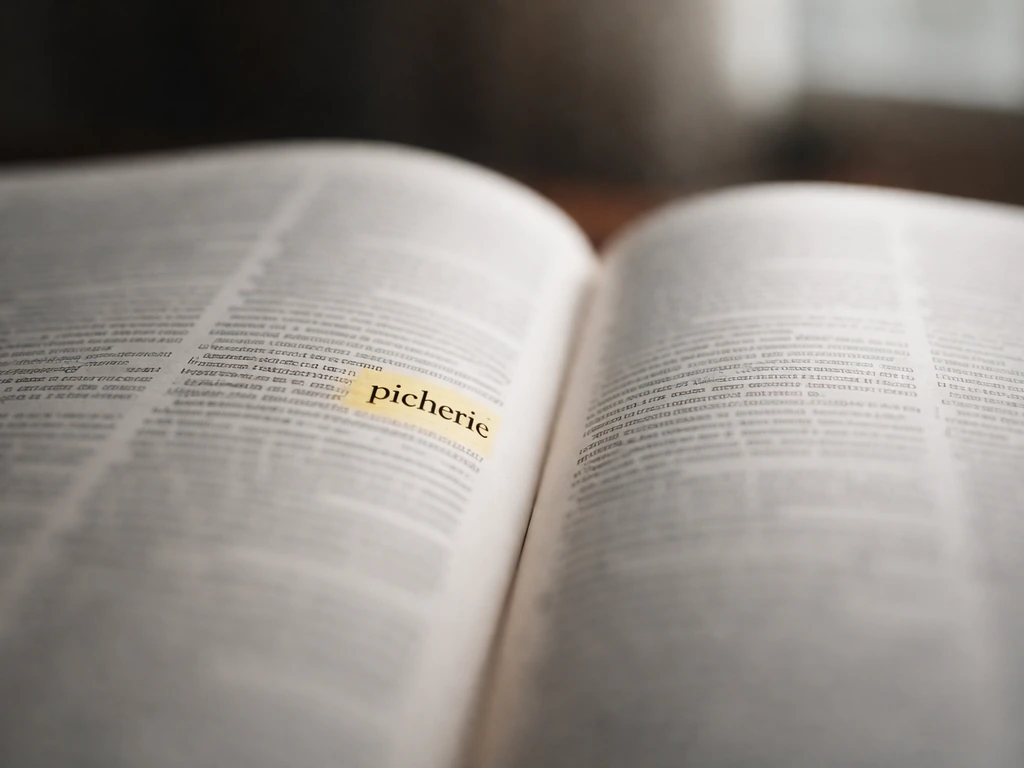
Let's clear the air on what this word is. "Picherie" does not appear in any standard ornithological dictionary, bird-symbolism glossary, or major linguistic database as a term meaning a bird or referring to one. What you will find if you dig into French lexicography is the word "pêcherie" (pronounced roughly pê-che-rie), which means a fishing place or a set of installations arranged for fishing. Classic dictionaries from Littré to the Académie française all define it the same way: a location where fishing happens, like the famous pêcheries de Terre-Neuve (the Newfoundland fisheries). That is a far cry from a bird.
The spelling "picherie" pops up as a variant or near-homophone of "pêcherie" in some older and regional texts, and it also appears in historical literature as a phonetic spelling of an entirely unrelated word (researchers documenting Aboriginal Australian plant use recorded "picherie" among a table of spelling variants for the word "pituri," a native tobacco plant). So "picherie" is genuinely a floating spelling that has attached itself to multiple concepts depending on the source. It also shows up as a French surname and as a place name or venue label in France, particularly around the Nantes region. None of those uses connect to a bird.
The one path that does lead toward a bird is simple letter-swap confusion. The jump from "picherie" to "pigeon" is not a long one phonetically or visually, especially if you encountered the word handwritten, in a poorly printed text, through OCR scanning, or via a dialect spelling. That's the most useful lead to pull on.
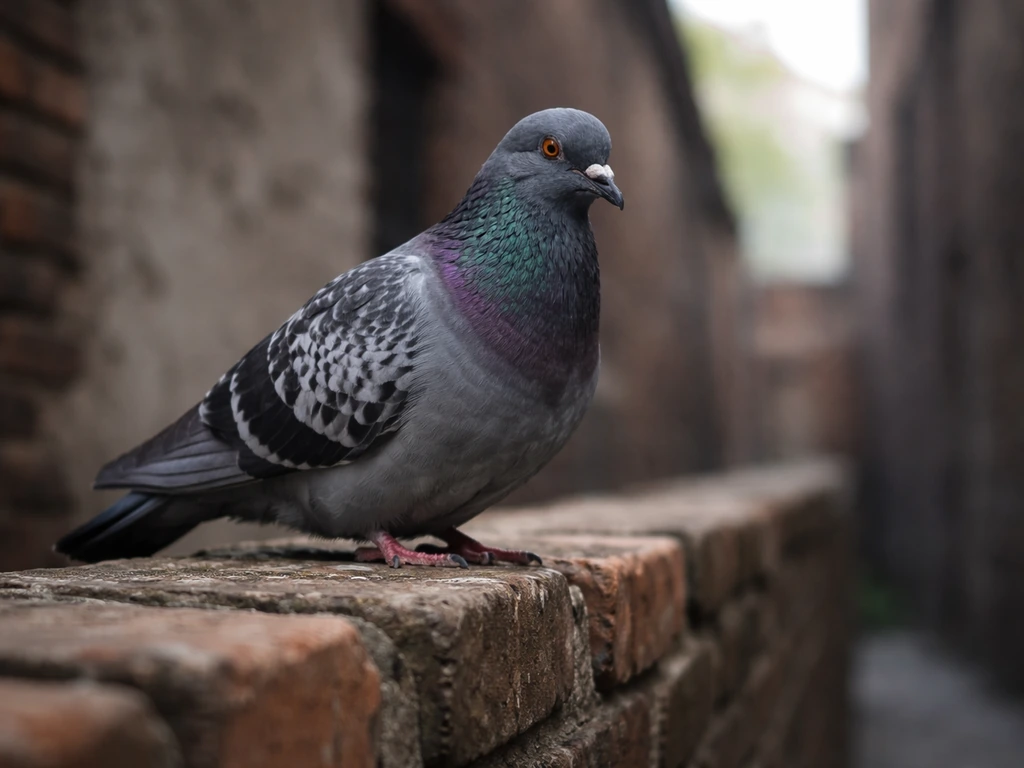
The bird you probably mean: pigeon
If you searched "picherie bird" with a specific bird in mind, pigeon is the overwhelmingly likely candidate. If you are wondering about the stuffed bird meaning, it usually points to themes of preservation, display, and memory rather than a specific species symbol.
The spelling confusion has a documented history: "pidgeon" (with a d) was a legitimate older spelling of pigeon used well into the 18th century before standardizing, and dialect forms like "pidjon" exist in regional French varieties such as Champenois. The leap to "picherie" can happen through a combination of dialect pronunciation, OCR error, or simple phonetic guessing when someone hears a word and tries to spell it.
"Pigeon" is the standard modern spelling in both English and French, and that is the bird the symbolism connects to.
What the pigeon actually symbolizes
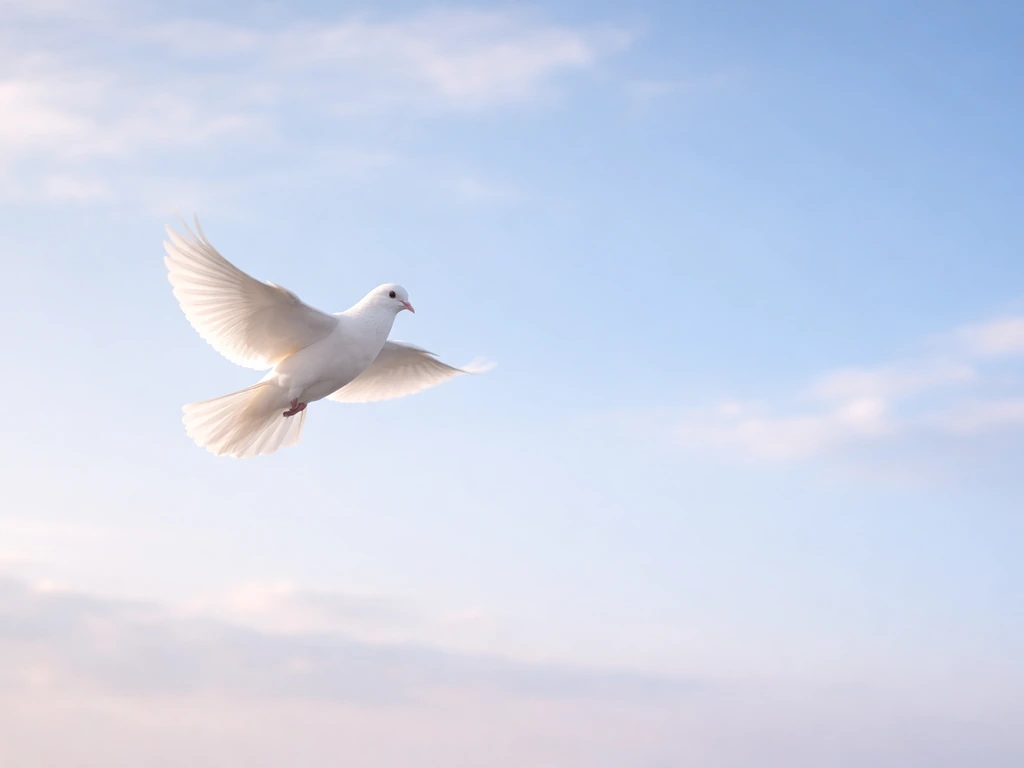
The pigeon carries one of the richest and most contradictory sets of meanings in bird symbolism, which is part of what makes it so interesting. In that case, you are probably asking what “plump bird” means in relation to the pigeon symbol plump bird meaning. Here is where the actual cultural weight lives.
Peace and divine connection
The most globally recognized pigeon symbol is peace. This goes back to the biblical story of Noah's ark, where a dove (a close relative of the domestic pigeon, and often used interchangeably in symbolism) returns carrying an olive branch, signaling the end of the flood and God's renewed covenant with humanity. Picasso's 1949 lithograph of a white pigeon became the defining image of the modern peace movement, cementing this meaning for the 20th century and beyond. The white pigeon or dove appearing in a story, poem, or phrase almost always invokes peace, reconciliation, or divine favor.
Loyalty, homing, and devotion
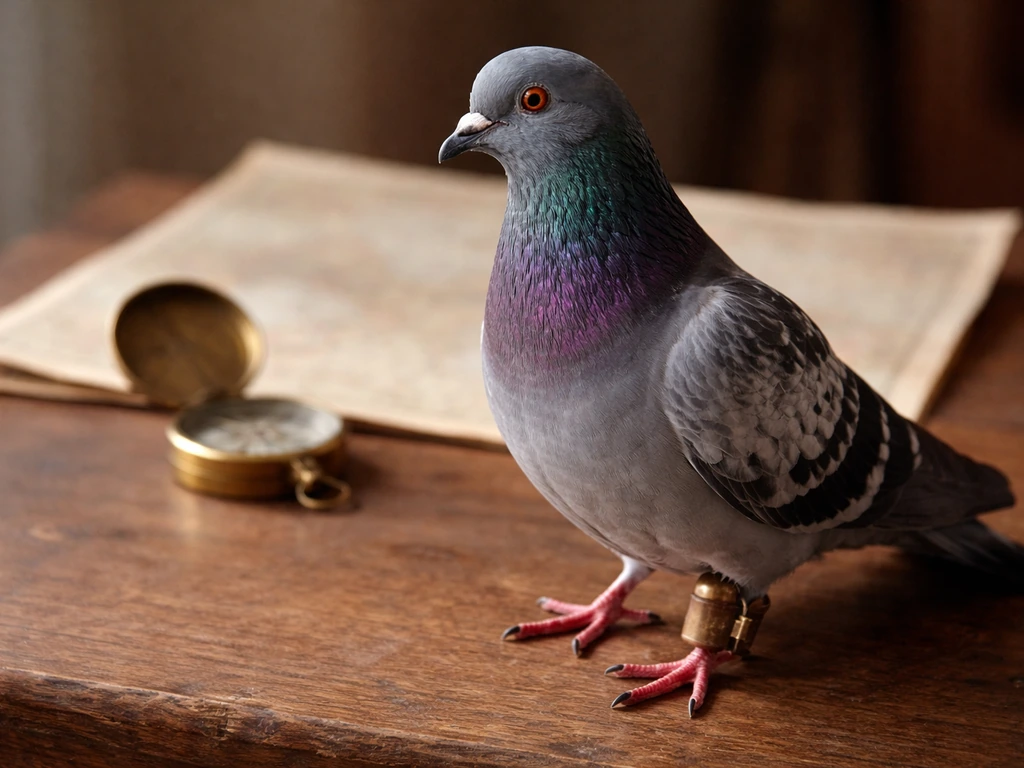
Pigeons were used as messengers for thousands of years precisely because of their extraordinary ability to return home across vast distances. In World War I and II, carrier pigeons saved thousands of lives by delivering messages through active combat zones. This practical history feeds directly into symbolic meaning: the pigeon represents faithfulness, the pull toward home, and the idea that love or loyalty will always find its way back. You see this in folk sayings and stories across Europe and the Middle East where releasing a pigeon represents sending a message from the heart.
Fertility and love
In ancient Mesopotamia and across the Mediterranean world, the pigeon was sacred to Ishtar, Aphrodite, and Venus, all goddesses of love and fertility. Doves and pigeons were offered at temples devoted to these deities. This association persists today in wedding symbolism, where releasing white doves (again, closely tied to pigeons in symbolism) represents the couple's union and the blessing of new life. In many folk traditions around the Mediterranean and Middle East, a cooing pigeon near a home is considered an auspicious sign for romantic relationships.
Vulnerability and being "a pigeon"
Not all pigeon symbolism is warm. In English slang, "a pigeon" means someone who is easily deceived or taken advantage of, a mark or dupe. This usage likely comes from the pigeon's famously trusting behavior around humans. The phrase "plover bird meaning" explores the symbolism and interpretations commonly associated with plover species. It shows up in con-artist culture ("pigeon drop" is the name of a classic confidence scam), and in older theatrical and literary language a "pigeon" was a naive young person ripe for exploitation. This is a meaning worth knowing if you encounter the bird in a story with a darker or ironic tone.
How the term shows up in real life
Pigeon appears in idioms, folklore, and literary contexts across many cultures. In English, "stool pigeon" originally referred to a decoy bird used in hunting, and evolved to mean a police informant. "Pigeon-holed" means categorized or confined to a narrow role, drawn from the small compartments in a pigeon loft. In French, "pigeon" carries many of the same slang connotations of a naive victim, and you will find it used that way in novels, films, and everyday speech. In Hindi, the word "kabootar" (pigeon) is woven into poetry and folk songs representing longing, messages between lovers, and the yearning for home. Urdu poetry in particular uses the pigeon as a messenger between separated souls.
In folklore, pigeons nesting in or near a home are seen as protective in many European traditions. Portuguese and Spanish folk belief holds that a pigeon entering a house can signal a visitor is coming, or in some regional variants, that a family member will soon return from a long journey. In contrast, a pigeon dying inside a home is considered an ill omen in some Italian and Sicilian folk traditions. The bird sits right at that interesting intersection between good fortune and warning, which makes it a recurring figure in storytelling.
How pigeon symbolism changes by region
| Region / Culture | Primary Meaning | Typical Context |
|---|---|---|
| Western Europe (Christian tradition) | Peace, divine reconciliation | Religious art, weddings, peace symbols |
| Ancient Mediterranean (Greek/Roman) | Love, fertility, sacred to Venus/Aphrodite | Temple offerings, love poetry |
| Middle East / South Asia | Loyalty, messages between lovers, longing | Urdu/Persian poetry, folk songs |
| English slang | Naivety, being easily deceived | Crime slang, con-artist culture, idioms |
| French slang | A naive victim, a dupe | Everyday speech, literature, film |
| Italian / Sicilian folk belief | Omen (positive if nesting, negative if dying indoors) | Folk superstition, oral tradition |
| Portuguese / Spanish folk tradition | Coming visitor, return of a loved one | Folk belief, regional oral tradition |
What stands out across all of these is that the pigeon's meaning almost always clusters around human connection: the delivery of messages, the return home, love, peace, or the risk of being taken in by someone untrustworthy. It rarely carries the death or darkness symbolism you find in ravens or owls, and it lacks the pure-freedom connotation of eagles or hawks. It is fundamentally a relational bird in symbolism, tied to the bonds between people and places.
How to quickly verify the exact meaning you are looking for
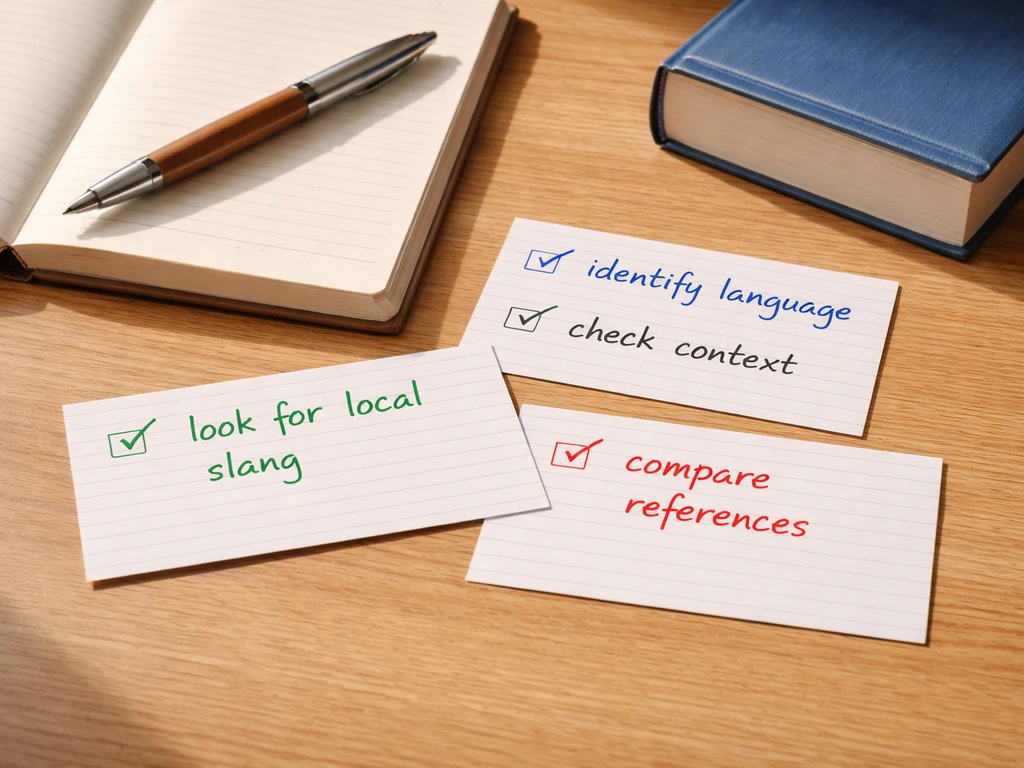
If you are still unsure whether "picherie" in your specific source actually means pigeon or something else entirely, here is a practical checklist to work through. In practice, the puffin bird meaning is usually about independence, hard work, and finding your way back to the flock.
- Identify the language of the source. If the text is French, "picherie" is most likely a variant or typo of "pêcherie" (fishing place) and has no bird meaning. If the text is English but phonetically transcribed from a spoken source, the target is almost certainly "pigeon."
- Check the surrounding context. Is there any other wildlife, nature, or animal imagery nearby in the text? That strongly suggests a bird meaning. If the context is about water, fishing, or coastal industry, you are looking at "pêcherie" and there is no bird involved.
- Try spelling alternatives. Search for "pigeon bird meaning," "pidgeon bird meaning," and "picheoun" (an old Occitan/Provençal form of pigeon) to see which matches what you are reading.
- Look for place-name or surname use. If "Picherie" appears capitalized as a proper noun in a French-language document, it is most likely a place name (like a fishing spot, estate, or restaurant) rather than a bird reference.
- Ask the source. If you saw or heard this word from a person, ask what language or dialect they were using and what bird they pictured. Most of the time the answer will be an immediate "oh, I meant pigeon."
One last note: this kind of spelling drift is genuinely common with bird names. Terms like "puffin," "plover," and "pigeon" all have interesting phonetic histories and regional variants, and it is easy for an unusual spelling to make a simple bird name feel like a mystery. Once you pin down the bird, the symbolism tends to fall into place quickly. Pigeon in particular has such a well-documented and globally consistent symbolic tradition that once you confirm that's the bird in question, you have a lot of rich material to work with.
FAQ
How can I tell whether “picherie” in my document is meant to be “pigeon” or “pêcherie”?
If your source is a handwritten note, a low-resolution scan, or OCR output, “picherie” is most likely a misspelling of “pêcherie” (fishing place) or “pigeon.” A quick test is context: if the surrounding text mentions nets, boats, or fisheries, go with “pêcherie.” If it discusses a bird, symbol, message, or peace imagery, go with “pigeon.”
What nearby words should I check to confirm the correct meaning of “picherie”?
Use the language around the word. “Pêcherie” belongs to French fishing terminology, so look for nearby words like pêche, filets, ports, or Terre-Neuve. “Pigeon” (French pigeon, English pigeon) is the one tied to bird symbolism, so look for peace, dove, message, or homecoming themes.
What if “picherie” appears in a historical text, and spelling looks inconsistent?
If the text is older, you may encounter transitional spellings like “pidgeon” (with a d) or regional forms that resemble your query. In that case, prioritize phonetic similarity and the period’s spelling conventions, rather than modern spelling rules. “Picherie” can be a transcription drift from those older or regional variants.
Is “picherie” ever the name of a specific bird species?
It is very unlikely that “picherie” is a distinct, recognized bird species name. The article’s key issue is that “picherie” is a floating spelling attached to different concepts depending on the source. If you need a precise species, you must identify the intended word first, then map symbolism to that bird (for example, pigeon symbolism usually refers to pigeon or dove traditions, not a specific pigeon subspecies).
Why do different websites give different meanings for “pigeon,” even when it seems to be the same word?
“Pigeon” symbolism is not uniform, so you may get different “meanings” depending on the specific usage. For example, a peace symbol (white dove or pigeon) differs from slang uses where “pigeon” means a gullible victim, or from con-artist references like pigeon drop. Identify the genre (religious, literary, slang, scams) before choosing the interpretation.
What common research mistake leads people to the wrong conclusion from “picherie”?
Don’t stop at “pigeon” if your goal is etymology. In many cases “picherie” is an OCR or phonetic transcription artifact, so the original might have been “pêcherie,” a place label, a surname, or a different word entirely. If you can access the original file or a better scan, re-check the letters around the word (especially the first vowel and the final -ie cluster).
Can sentence structure help me decide between “picherie” as a place and as a bird?
If your sentence uses grammar that fits a noun meaning a location, that leans toward “pêcherie” (fishing place). If it uses grammar that fits an animal or a metaphor (for example, “a pigeon symbol,” “pigeon cooing,” “pigeon holed,” “pigeon in a story”), that leans toward “pigeon.” In French, prepositions and article usage often reveal whether the word is being used as a place versus a bird.
My source mentions a “stuffed bird,” could that change what “pigeon” symbolism means?
If you are researching symbolism, decide whether you mean the bird itself (pigeon/dove) or the broader concept in the artwork or phrase. Some images that get labeled “stuffed bird meaning” can be about preservation and display, not the species’ symbolism. So confirm whether the source clearly indicates the species or is using a generic bird prop.
What’s the fastest way to trace where “picherie” came from and correct it?
If you are trying to locate the earliest mention of “picherie,” start by tracing the screenshot or quote back through where it was first published. Many “meaning” pages reuse each other, so verify the first appearance you can find, then read the surrounding lines in the earliest version. That usually shows whether “picherie” was meant as a spelling of “pigeon” or “pêcherie.”
Next Article
Piecost Bird Meaning: What It Refers To and How to Check
Piecost bird meaning: how to decode the term, find the intended bird identity, and verify symbolism from context.