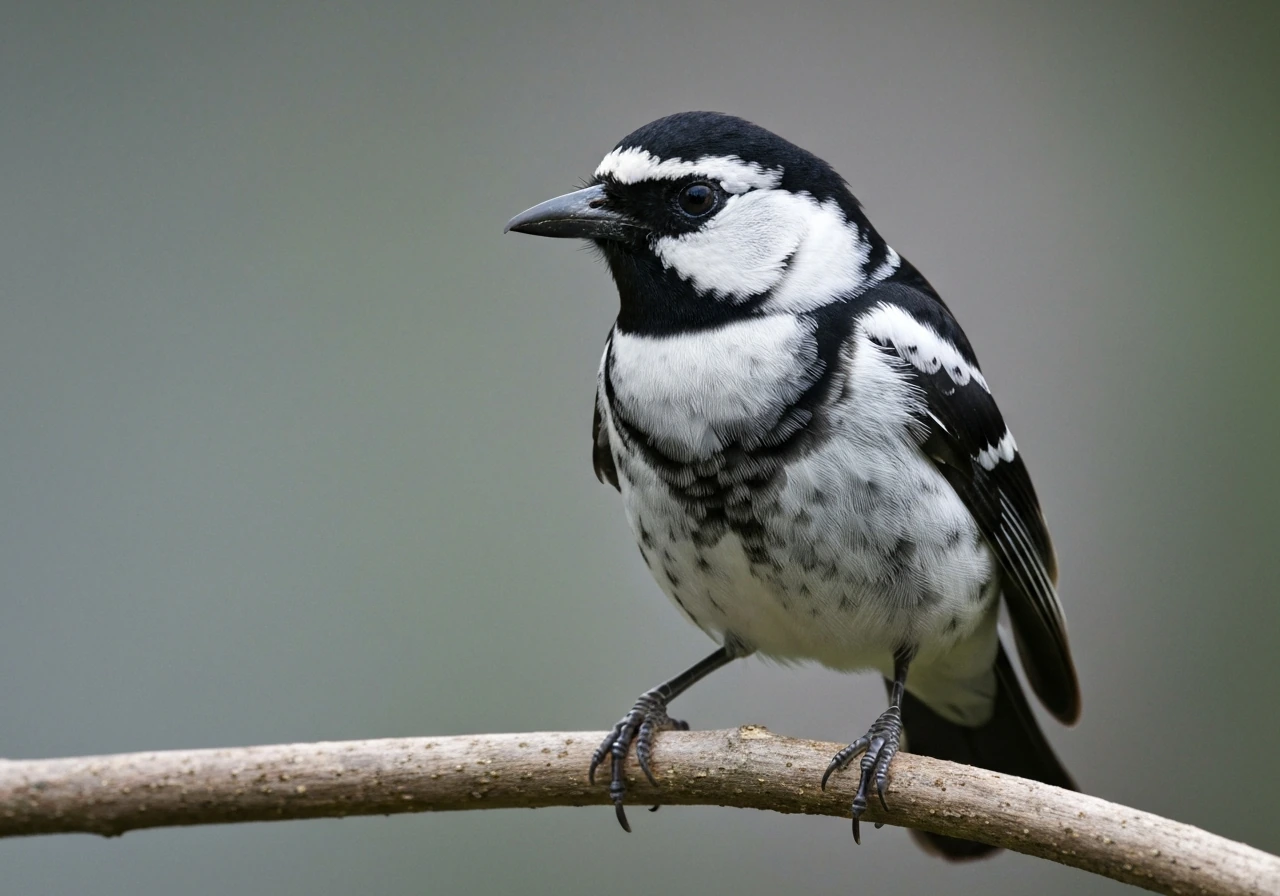
A pied bird is simply a bird with two or more contrasting colors in its plumage, most often black and white, arranged in patches or blotches rather than a smooth blend. Merriam-Webster defines pied (adj.) as “of two or more colors in blotches” and also as “wearing or having a parti-colored coat.”. The word 'pied' is an adjective describing that patchy, two-tone pattern, not a species name. When someone calls a bird 'pied,' they're talking about how it looks, not what kind of bird it is.
Pied Bird Meaning: What Pied Means and How It’s Used

Marcus Whitley
7 Jul 2026
What 'pied' actually means, in plain English
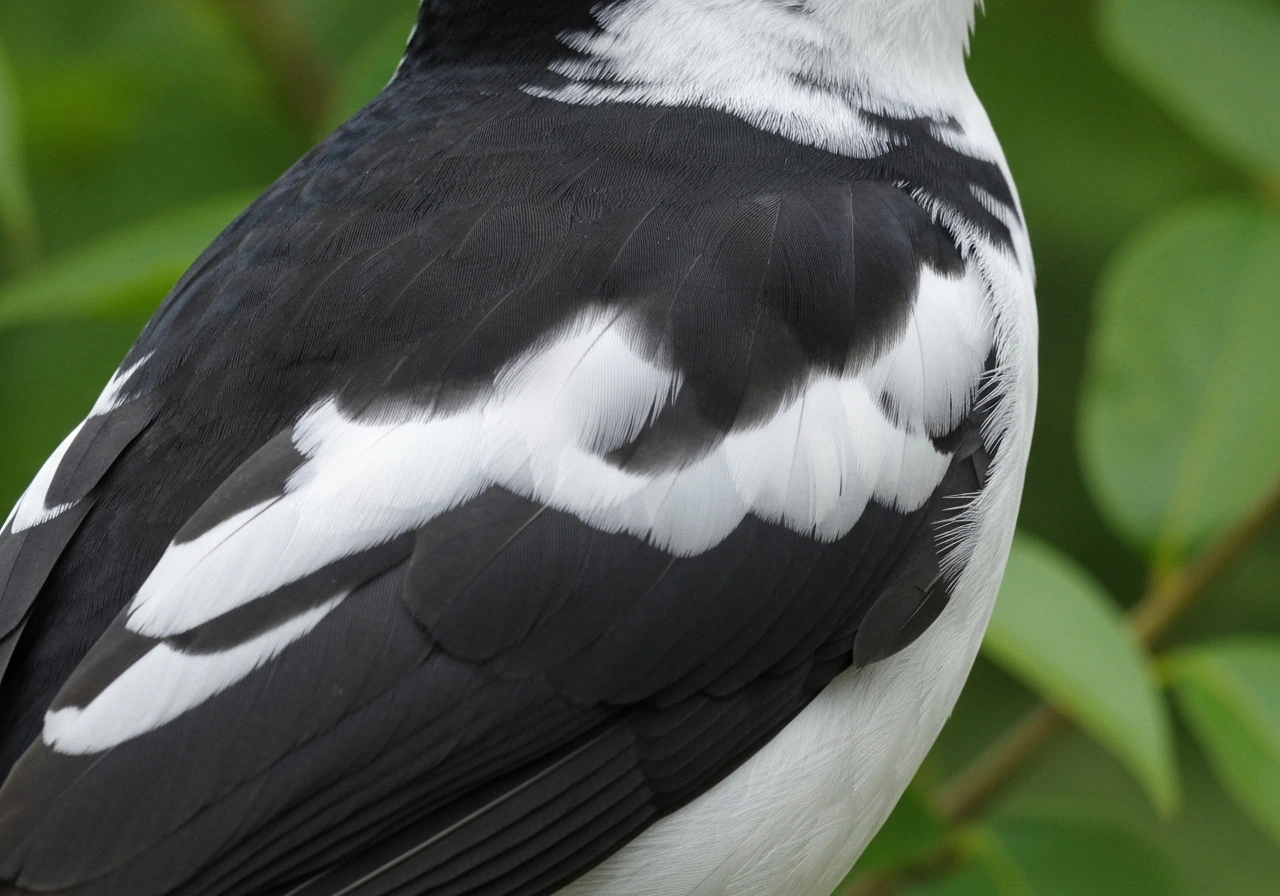
Merriam-Webster defines pied as 'of two or more colors in blotches,' and Oxford Learner's Dictionaries specifically notes it's used especially of birds to mean 'of two or more different colours, especially black and white.' Dictionary.com adds that it describes 'having patches of two or more colors, as various birds and other animals.' Collins gives the direct example: 'a bird with pied markings.' So across every major reference, you get the same core idea: pied means patchy and multi-colored, with black and white being the most common combination.
The word itself comes from the Middle English 'pie,' meaning magpie, which is one of the most recognizable pied birds in the world. That's not a coincidence. The magpie's stark black-and-white contrast is practically the defining image the word grew out of. So when you see 'pied' in any bird name or description, picture the magpie's patchy look, and you've got it.
The symbolism of pied coloring: what two-tone patterns have meant across cultures
Color symbolism doesn't happen in a vacuum, and pied birds have attracted a lot of meaning specifically because of their split appearance. In the same way, woodpecker symbolism often centers on themes like rhythm, tapping, and finding hidden messages meaning. A bird that's visually divided between two strong contrasting colors, especially black and white, lands differently in the imagination than a bird that's all one shade.
In many traditions, black-and-white creatures are read as living in two worlds at once. Black often carries associations with mystery, the unseen, death, or the shadow side of life. White typically signals purity, light, peace, or the divine. A pied bird wears both simultaneously, which has made this coloring a rich target for symbolic interpretation. In some European folklore, for instance, the magpie (the original pied bird) was seen as an omen precisely because of that duality: one magpie for sorrow, two for joy, the nursery rhyme runs, as though the bird itself embodies life's unpredictability.
The speckled or mottled variation of pied coloring carries slightly different weight. Where stark black-and-white suggests clear duality, a speckled or blotchy pattern can symbolize complexity, change, or things that resist easy categorization. This is part of why pied and speckled birds show up so often in spiritual and religious imagery when the subject is something in-between: not purely good or purely bad, not fully known or fully mysterious. The great speckled bird, for example, has its own rich symbolic tradition that overlaps with this broader pattern of seeing mottled birds as symbolically layered. The great speckled bird meaning often ties back to the idea of mottled birds being symbolically layered and hard to categorize.
Where you'll actually see 'pied bird' used

In birdwatching and nature writing
This is the most literal use of the phrase. Ornithologists and birdwatchers use 'pied' as a formal descriptor in species names: the Pied Kingfisher, Pied Avocet, Pied Wagtail, Pied Flycatcher. When you see 'pied' in a bird's official name, it's telling you exactly what to look for in the field: a bird with contrasting patches, usually black and white. Field guides use it as a plumage term. If you're in a birdwatching context and someone says 'that's a pied bird,' they almost certainly mean: look for the two-tone markings.
In literature and historical texts
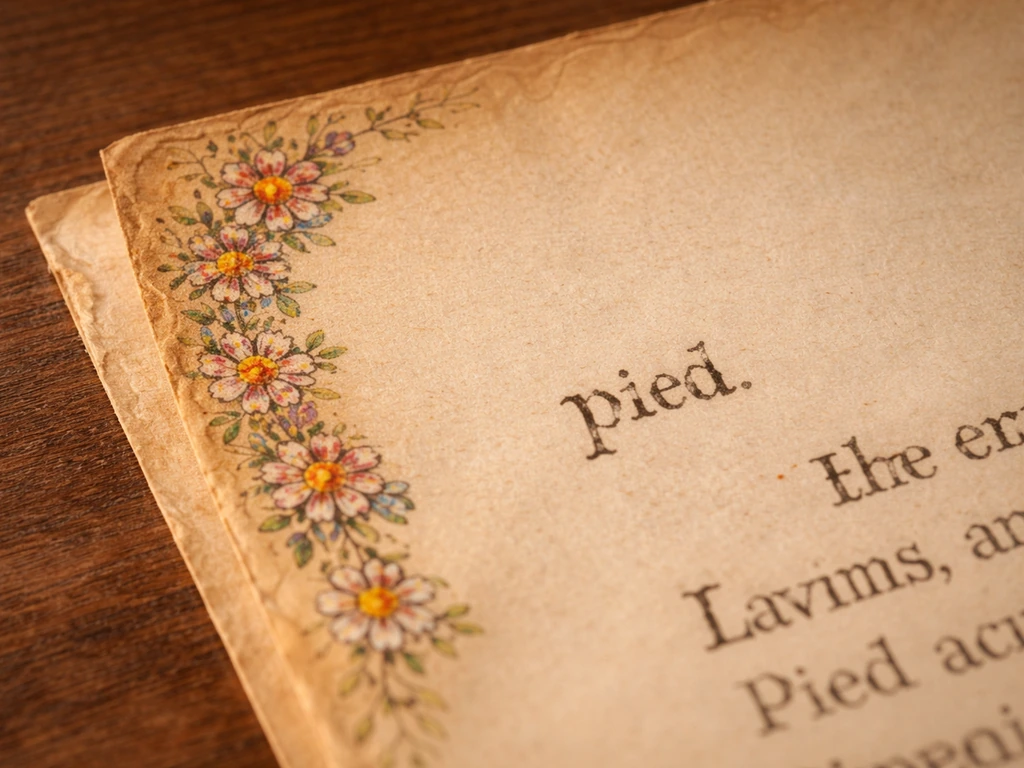
Older literature uses 'pied' freely as a poetic adjective for anything colorfully patchy. Shakespeare used it in songs and descriptions of nature, 'daisies pied' in Love's Labour's Lost for example. When you encounter 'pied bird' in a poem, novel, or older text, the writer is usually evoking that visual image of cheerful, patchy color contrast rather than naming a specific species. The connotation in literary use often skews toward vibrancy and variety rather than any dark symbolism.
In idioms and cultural references
The Pied Piper of Hamelin is probably the most famous cultural use of 'pied' in the English-speaking world. The piper wore a multi-colored coat, and the 'pied' in his name describes that visual patchwork. This story has given 'pied' a secondary connotation in English: someone who leads others astray, or a figure who operates outside the normal social order. When people use 'pied' metaphorically today, they're often drawing on either the visual two-tone meaning or this trickster/outsider undercurrent.
In spiritual and symbolic contexts
Online spiritual communities, tarot readers, and people exploring bird omens frequently use 'pied bird' or 'black and white bird' as a category when discussing what a bird sighting might mean. If you’re searching for peyote bird meaning specifically, you’ll usually want the spiritual or omen interpretation rather than the field-guide definition of pied coloring pied bird. Here, the phrase is almost always shorthand for the duality symbolism described above. If someone asks what a pied bird means in a dream or as an omen, they're looking for the metaphorical interpretation, not field guide information.
Spiritual and folklore meanings attached to pied and black-and-white birds
Across multiple cultures, pied birds, especially magpies, have been treated as messengers, omens, and threshold creatures. If you are wondering about the pecking bird meaning, the best approach is to look at the bird involved and the tradition or story being referenced. In Celtic traditions, the magpie was associated with prophecy and the liminal space between life and death. In Chinese culture, the magpie is actually a good luck symbol: the word for magpie sounds similar to happiness in Chinese, and two magpies together symbolize marital bliss. In Korean folklore, magpies bring good news. Native American traditions vary widely by nation, but many assign special significance to black-and-white birds as creatures that navigate between worlds.
The duality reading is remarkably consistent across cultures even when the specific valence differs. The pattern of two contrasting colors seems to trigger a near-universal symbolic response: this creature carries opposites together. Whether that's read as dangerous, lucky, magical, or prophetic depends entirely on the cultural tradition doing the reading. If you're investigating pied bird meaning through a spiritual lens, it's worth asking: which cultural tradition are you working within? If you’re investigating scratching bird meaning, the key is to look at which tradition or story the person is drawing from. The answer can shift the meaning dramatically.
In Christian symbolism, black-and-white birds have sometimes represented the soul's struggle between good and evil, or the coexistence of the sacred and profane. In heraldry, pied or particolored creatures were used to signal complex allegiances or dual natures. These threads run through Western literature and religious imagery in ways that still surface when people describe a pied bird sighting as feeling spiritually significant.
How to figure out which meaning applies in your situation
The fastest way to sort this out is to look at the context around the phrase. Ask yourself a few quick questions:
- Is this in a field guide, nature article, or birdwatching forum? Then 'pied bird' is a literal plumage description. Look for a black-and-white or multi-patched bird.
- Is this in a poem, novel, or older written work? Then 'pied' is being used as a color adjective, likely for visual imagery or to evoke variety and contrast.
- Is this in a spiritual, dream interpretation, or folklore context? Then 'pied bird' almost certainly means the symbolic duality reading: two worlds, two natures, omens, or threshold symbolism.
- Is this in casual conversation or social media? Someone might be using 'pied' loosely to describe any noticeably two-toned bird they saw, or they might be referencing the Pied Piper cultural connotation.
- Is a specific species named alongside it? If someone says 'a pied bird, like a wagtail,' they're in literal description territory. If they just say 'I saw a pied bird and felt strange,' they're likely in symbolic territory.
Here's what that looks like in practice. 'The pied bird caught my eye as it landed on the fence post' is straightforward description: the writer noticed a two-colored bird. 'The pied bird appeared at my window three days in a row, and I knew something was changing' is clearly in symbolic/spiritual territory. If you're wondering about the bird pecking meaning people talk about online, the context and tradition around the behavior make a big difference. 'He was a pied piper among his followers' is using the cultural idiom. Same root word, three completely different conversational registers.
| Context | What 'pied bird' likely means | Practical example |
|---|---|---|
| Field guide / birdwatching | A bird with patchy black-and-white or two-tone plumage | 'The Pied Kingfisher is unmistakable in flight' |
| Literature / poetry | A colorfully patchy bird, often used for visual imagery | 'Daisies pied and violets blue' (Shakespeare) |
| Spiritual / folklore | A dualistic symbol: light and dark, two worlds, omen | 'A pied bird at your door signals a turning point' |
| Casual / social media | A noticeably two-colored bird someone spotted, described plainly | 'Saw a pied bird in the garden today, anyone know what it is?' |
| Idiom / cultural reference | Something linked to trickery, outsider status, or the Pied Piper | 'He played the pied bird, leading everyone along' |
Related terms and common mix-ups worth knowing
People searching for 'pied bird meaning' sometimes land on slightly different terms and wonder if they're the same thing. If you came here because you want the pecker bird meaning, keep in mind that the word meaning will depend on the species being discussed and the context you saw it in. Here's a quick rundown of what's related and what's different.
- Pied vs. speckled: Both describe multi-colored birds, but pied usually means distinct patches or blocks of color, while speckled means small dots or flecks scattered across the plumage. The great speckled bird carries its own specific cultural and religious symbolism separate from the broader pied bird category.
- Pied vs. piebald: Piebald means the same thing (patches of two colors, especially black and white) but is used more often for mammals like horses and dogs than for birds. If you see 'piebald bird,' it means the same as pied bird.
- Pied bird vs. pied birds: No meaningful difference. Both refer to birds with contrasting patchy coloring. The plural just means more than one.
- Pied vs. parti-colored: Parti-colored is an older, more formal synonym for pied. It means exactly the same thing: patches of two or more colors.
- Pied bird vs. black-and-white bird: Black and white is the most common specific version of pied coloring, but technically pied can include any two or more contrasting colors. In practice, most pied birds people reference are black and white.
- Pied Piper vs. pied bird: These share the same root word but are different uses. The Pied Piper wears pied clothing (multi-colored coat), not a reference to birds directly, though the cultural meaning of that story colors how 'pied' reads in English more broadly.
If you're chasing a bird's literal identification and you've found the word 'pied' in a name or description, you're looking for a patchy, two-toned bird: look up the specific species name alongside it (Pied Kingfisher, Pied Avocet, etc.) and you'll find exactly what it looks like. If you're trying to understand what someone meant symbolically when they used the phrase, the duality reading (two natures, two worlds, omens of change) is your starting point, and the cultural tradition the person comes from will fine-tune what that duality means in their context.
FAQ
Is “pied” the same as “spotted” or “speckled” when describing birds?
Not exactly. Pied usually means clear contrasting patches or blotches of different colors, often black and white. Speckled or mottled describes a more finely mixed pattern, with dots or uneven speckling rather than bold, block-like divisions.
Does “pied bird” tell me the species name?
No. It’s a color pattern description, not a taxonomic label. “Pied Kingfisher” or “Pied Wagtail” includes the pattern term, but “pied bird” by itself could refer to many different species with patchy coloration.
What should I look for to confirm a bird is truly pied in the field?
Look for distinct, contrasting areas (patches, blotches, or sharply defined sections). If the colors blend smoothly into one another or look mostly uniform, the term pied may not fit, even if the bird has multiple colors.
Can a bird be pied without being black-and-white?
Yes. “Pied” means two or more colors in patchy arrangements, not strictly black and white. However, many common examples and names use black-and-white because the contrast reads clearly.
When someone says “pied bird meaning” in dreams, what context should I check first?
Check whether they mean a general omen theme (dualities like two sides, thresholds, change) or a specific cultural reference. The same “pied” visual can be interpreted differently depending on the tradition or story framework the dreamer is using.
Is it safe to assume a spiritual interpretation whenever I see “pied bird”?
No. In birdwatching contexts, “pied” is usually literal field-guide language. In community posts or tarot-style discussions, it’s often shorthand for symbolic duality. The best clue is the surrounding wording, like whether it talks about sightings, omens, or simply appearance.
Why do “pied” and “particolored” sometimes show up in writing together?
They overlap. “Particolored” is a broader term for multiple colors on an animal, while “pied” emphasizes patchy blotches or contrasting sections. A particolored bird could be described as pied if the colors are clearly in patches rather than a gradual gradient.
If a poem says “pied” (like “daisies pied”), is it always about birds?
Not necessarily. In older or poetic usage, “pied” can describe any patchy, multicolored subject, such as flowers. It relies on the visual pattern idea, not an animal-specific meaning.
How do I avoid confusing “pied bird” meaning with other bird-specific keywords online?
Use the word that appears with it. If the phrase includes a behavior or a different term (for example, pecking or scratching), the meaning may shift to a separate symbolism layer. If it includes a species name (like Pied Avocet), rely on identification plus the pattern.
What’s the quickest way to interpret a “pied bird” omen claim responsibly?
Ask two questions: which tradition is being referenced, and what is the exact claim (one-day omen, repeated sightings, number of birds, location). Without those details, many “pied bird” interpretations are guesswork rather than a consistent system.
Next Article
Scratching Bird Meaning: Definitions, Symbolism, Examples
Learn scratching bird meaning with context clues, symbolism, scenarios, examples, and a checklist to pick the right inte