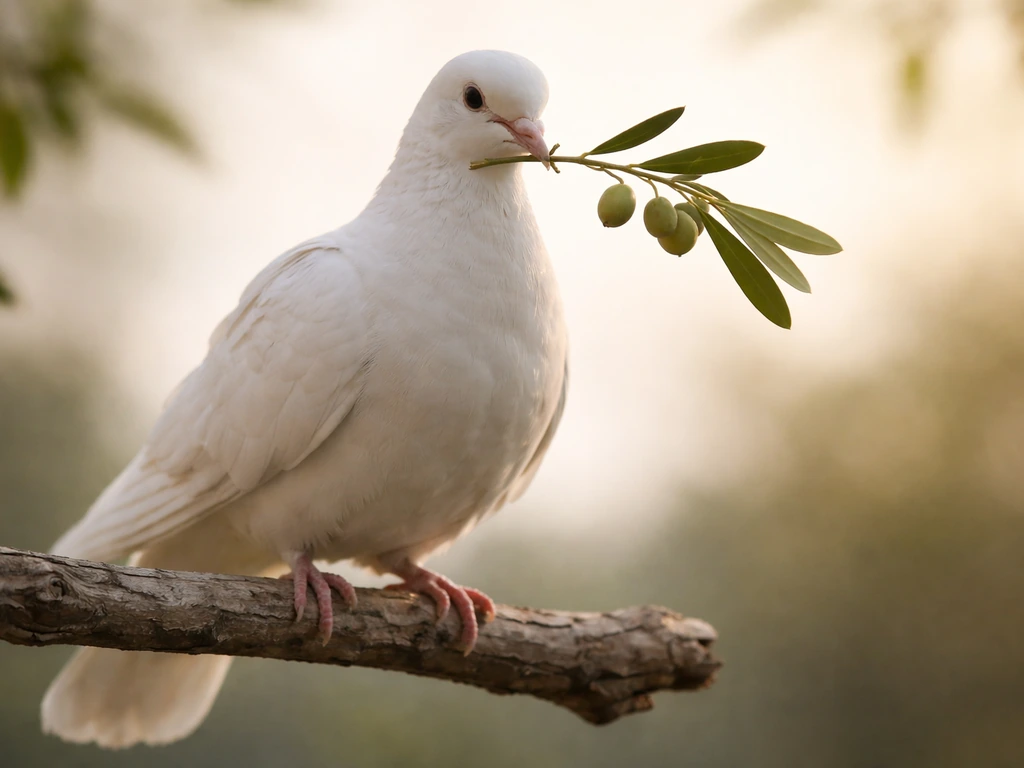
If you spotted 'pura bird' in a Tamil caption, a wildlife post, or a regional lyric and wondered what it means in English, here's your answer: 'pura' (புறா) is the Tamil word for dove or pigeon. So 'pura bird' most literally translates to 'dove bird' or 'pigeon bird' in English.
Pura Bird Meaning in English: What It Likely Refers To

Marcus Whitley
13 Jun 2026
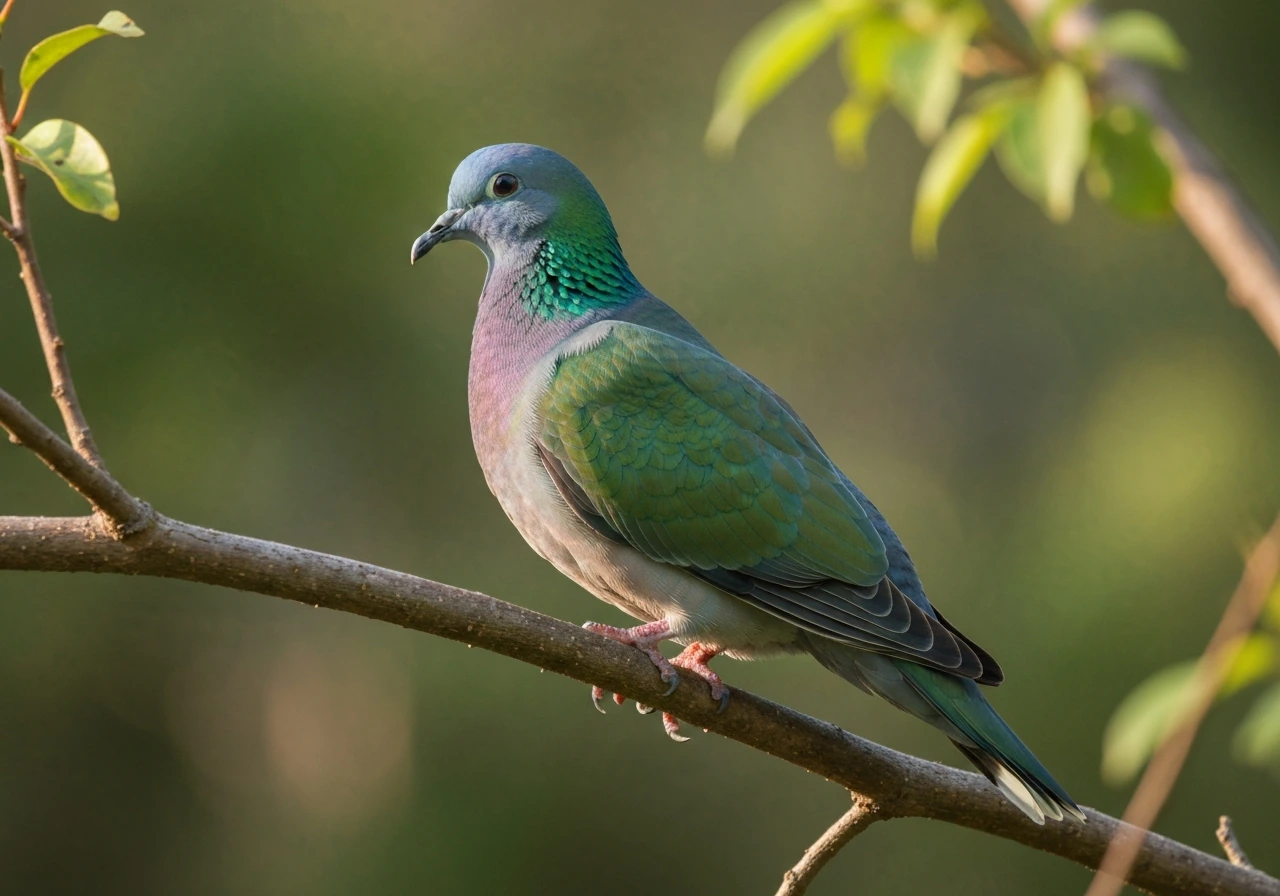
If you want the pigeon bird meaning in plain terms, it basically comes down to the Tamil word புறா referring to dove or pigeon. The most common specific bird it points to is the emerald dove, sometimes called 'Maragadha Pura' in Tamil, though the word covers the whole dove and pigeon family.
Wikipedia’s list of birds of Tamil Nadu includes English bird names paired with Tamil local names, including emerald dove entries that use Tamil-name variants such as “pancha varna pura. ”.
What 'pura bird' actually means in English
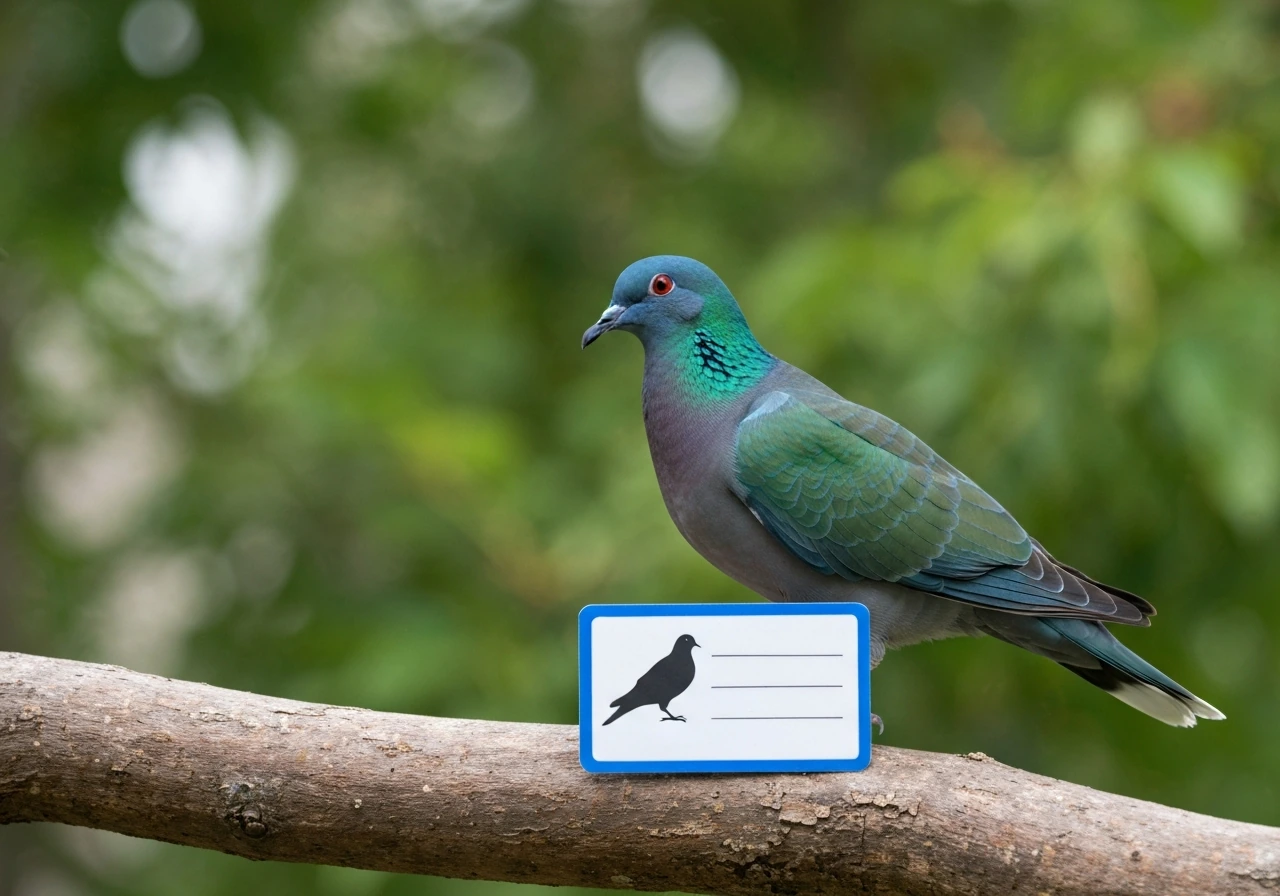
The Tamil word 'புறா' is romanized as 'pura' or 'puraa' and directly translates to 'dove' or 'pigeon' in English. Tamil dictionaries (including the Madurai Tamil Lexicon) give both of those English meanings for the entry. So when someone writes 'pura bird,' they are essentially layering the Tamil noun with the English word 'bird' for clarity or emphasis, the same way someone might say 'kabutar bird' using the Hindi word for pigeon alongside the English label.
The emerald dove is the bird most closely associated with 'pura' in modern Tamil usage. A Times of India report on wildlife rescue in Tamil Nadu refers to it specifically as a 'rare pigeon species' and names it 'Maragadha Pura' in Tamil, where 'maragadha' means emerald. Government conservation documents also list a variant name, 'Padaki Pura,' for the same bird. But in everyday speech, 'pura' without any prefix just means dove or pigeon in general, not exclusively the emerald species.
Where you're likely to see the phrase
You're most likely to encounter 'pura bird' in a few specific contexts. Wildlife and birdwatching communities in Tamil Nadu, Sri Lanka, and the broader Tamil diaspora use it in social media captions, especially Instagram reels and YouTube shorts about native birds. It also appears in folk music references, there's a whole genre of Tamil folk music called 'Pura Pattu' (pigeon songs) dating back to the eleventh century, so older cultural content and scholarly articles about Tamil folk traditions will use it freely.
You might also see it in nature documentaries or regional wildlife education material produced in Tamil Nadu, where the local name sits alongside the English common name. Occasionally it turns up in captions or memes shared by Tamil-speaking communities on Twitter or Facebook, sometimes without any translation, which is exactly how people end up searching for what it means.
Where 'pura' comes from linguistically
The word has deep roots across South Asian languages. Tamil 'pura' (புறா) for dove or pigeon has close relatives across the Indian subcontinent, the forms 'pera' and 'paira' appear in related languages and dialects with the same core meaning. Sanskrit contributed 'kapota' for pigeon (you see this in the Sibi Jataka, an ancient folk tale about a king and a dove), and the whole family of languages kept variations of bird-name roots that traveled along trade and cultural routes.
One thing worth knowing: 'pura' has a second, entirely separate meaning in South Asian languages, it's also a Sanskrit-origin suffix meaning a fortified town or settlement, as in 'Jaipur' or 'Singapore.' That meaning shows up in place names and historical texts and has nothing to do with birds. If you saw 'pura' in a historical or geographic context, it's almost certainly the settlement meaning, not the dove meaning. Context is everything here.
It's also worth noting that 'pura' is not the same as the English word 'pure,' even though they look similar when typed out. And it's not related to 'puru' (a Finnish word) or 'Pura Vida' (a Costa Rican Spanish expression meaning 'pure life'). Those are completely different words that just happen to share a spelling string.
The symbolism and cultural life of the pura bird
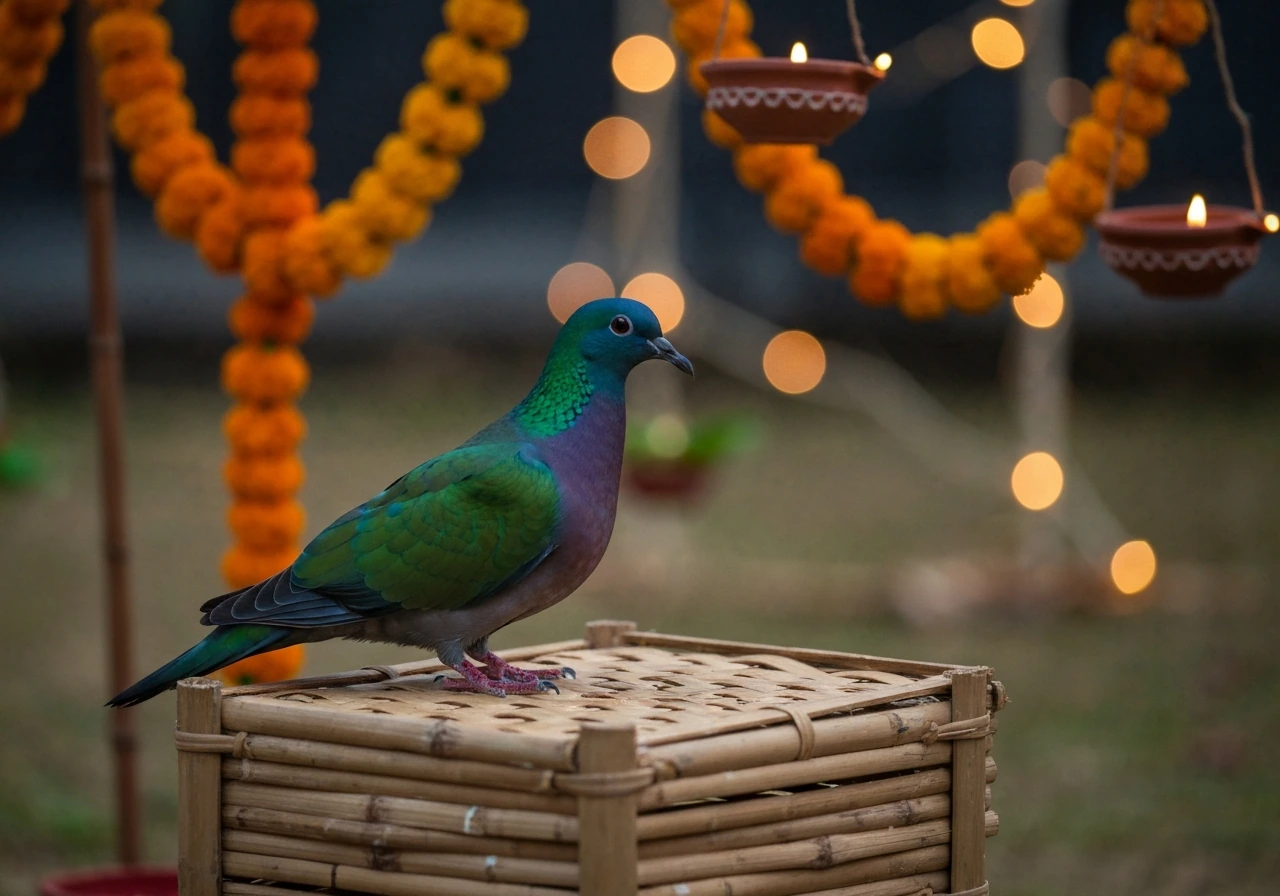
Because 'pura' covers both doves and pigeons, it carries the symbolic weight of that whole bird family, which is considerable. In Tamil and broader South Asian tradition, the dove/pigeon is a symbol of love, fidelity, and peace, not unlike how doves are read in Western and Mediterranean cultures. The Sibi Jataka story, one of the most retold Buddhist and Hindu folk tales, centers on a king who sacrifices himself to protect a dove from a hawk, casting the bird as innocent and worthy of protection. It can also help to read pelican bird meaning when you see other bird phrases, since different birds can be mixed up in online captions pura bird.
The emerald dove specifically carries additional symbolism because of its striking appearance. With its bright green wings and coral-red bill, it's visually associated with rarity and natural beauty in Tamil Nadu. Conservation articles describe it as rare, which adds a layer of preciousness to the name when used poetically. When Tamil poets and folk singers used 'pura' in verse, they were often invoking softness, gentleness, and tenderness, qualities that track closely with how the dove reads in other world traditions.
The folk music genre 'Pura Pattu,' pigeon songs sung in Tamil since at least the eleventh century, shows just how embedded this bird is in Tamil cultural expression. These songs used the dove as a messenger of longing, similar to how nightingales function in Persian poetry or how cranes appear in Japanese verse. The bird became a vehicle for expressing separation, yearning, and the hope of reunion. If you want the pheasant bird meaning, use the same approach of checking context and the local name before assuming it refers to a different bird altogether.
If you're interested in how other birds carry similar symbolic weight across languages, the dove's close relative the pigeon has its own rich cultural story, and the Spanish word for dove, 'paloma,' carries a parallel set of meanings in Latin American and European traditions worth exploring alongside this one. In Polynesian cultures, bird names and symbols can carry specific meanings, so “polynesian bird meaning” is worth checking for the exact species or legend being referenced. If you’re also curious about paloma bird meaning in Spanish and Latin American traditions, that dove imagery carries its own symbolism of love and messages.
How 'pura bird' actually gets used in conversation
In practice, you'll see 'pura bird' used in a few different tones depending on context. Here are the main patterns:
- Descriptive/wildlife: 'Spotted a pura bird in the garden this morning' — straightforward identification, the speaker is using the Tamil name naturally and adding 'bird' for an English-speaking audience.
- Affectionate nickname: Calling someone a 'pura' or 'my pura bird' is a tender, gentle compliment in Tamil-influenced speech, implying softness and sweetness — similar to calling someone a 'dove' in English.
- Poetic/lyrical: In song lyrics or captions referencing Tamil folk traditions, 'pura' evokes longing and emotional vulnerability, the bird as a metaphor for a gentle soul or a loved one far away.
- Conservation and educational: 'The Maragadha Pura bird is endangered in parts of Tamil Nadu' — factual usage where the Tamil name is cited alongside the English emerald dove label.
- Cultural pride: Tamil diaspora communities sometimes use 'pura bird' in captions to connect with their heritage, the same way someone might use 'sparrow' or 'robin' as a culturally loaded image.
Common misunderstandings and what to double-check
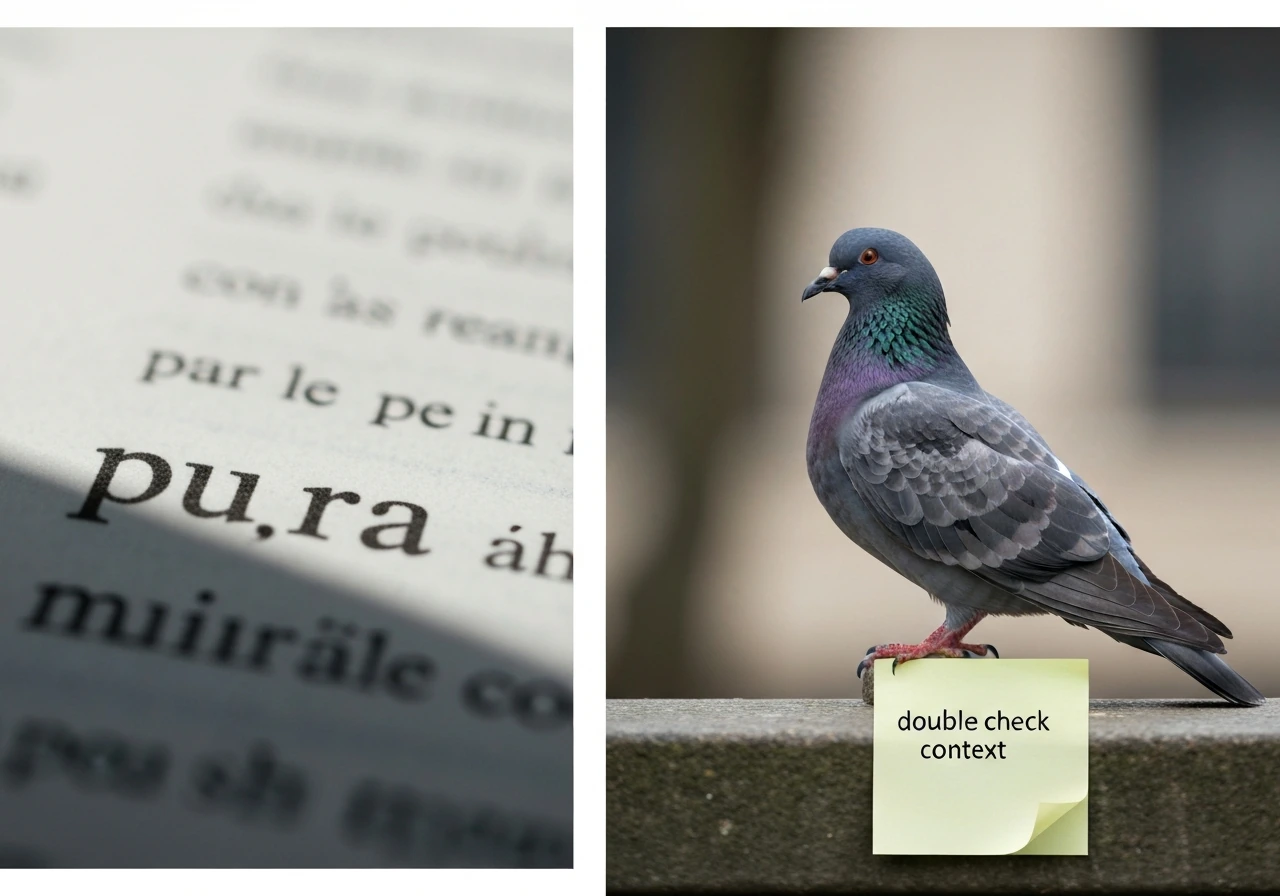
The biggest source of confusion is reading 'pura' as the English word 'pure' and interpreting 'pura bird' as 'pure bird', a kind of mystical or poetic descriptor. That's a natural guess if you don't know Tamil, but it's almost always the wrong reading when the phrase appears in a South Asian or diaspora context.
| What you might think it means | What it actually is | How to tell the difference |
|---|---|---|
| 'Pure bird' (English adjective + noun) | Tamil word for dove/pigeon | Check the surrounding language — is the content Tamil-influenced? |
| A specific exotic bird species | The whole dove/pigeon family, often the emerald dove specifically | Look for a full name like 'Maragadha Pura' — that points to the emerald dove |
| 'Pura Vida' reference (Spanish/Costa Rican) | Unrelated phrase meaning 'pure life' | Context: is it Latin American or Tamil? Completely different origins |
| A place name (pura = town/city) | The settlement-suffix meaning of 'pura' | Place names like Jaipur use this suffix — no bird meaning here |
| A typo for 'pure' or 'para' | A legitimate Tamil bird name with its own dictionary entry | Cross-reference Tamil script: புறா = pura = dove/pigeon |
If you're still unsure after checking context, look at what's around the word. Is there Tamil script nearby? Is the source a wildlife account, a folk music reference, or a South Asian cultural page? Those signals almost always confirm the dove/pigeon reading. If the source is Latin American or Spanish-language, you're probably looking at 'Pura Vida' territory instead. And if it's a historical or geographic text about South Asia, the town-suffix meaning of 'pura' is likely in play, with no bird connection at all.
One last thing to check: spelling variants. You might see it written as 'puraa,' 'pura,' or even 'poora' depending on how the person romanized the Tamil. All of these point to the same word, புறா, and the same English meaning: dove or pigeon.
FAQ
Does “pura bird” always mean the emerald dove specifically?
Not always. In Tamil, “pura” usually means dove or pigeon generally. “Maragadha Pura” is a specific emerald dove name, so if the text includes “maragadha” or clear visual clues (green wings, coral-red bill), it likely refers to the emerald dove. Otherwise, treat “pura bird” as the broader dove/pigeon family.
How can I tell if “pura” is being used as a bird word or a town-suffix?
Check whether “pura” appears inside a place name or in a historical/geographic sentence. If it is part of a settlement-like term (for example, ending or component of a city name), it is the “fortified town or settlement” meaning, not dove/pigeon. If it is paired with bird-related words (caption terms like dove, nest, song, rescue, or wildlife), it is the bird meaning.
I saw “puraa” or “poora” online, do those mean something different from “pura”?
Usually no. Different romanization choices can add extra vowels or change letters, but they can still point to the same Tamil word புறா. If the surrounding content is about birds, the intended meaning is still dove or pigeon.
Is “pura bird” the same as the English phrase “dove bird” in meaning?
They are effectively parallel. Adding “bird” after “pura” is often an emphasis or clarity move by multilingual posters, similar to writing the local word plus an English label. The core meaning remains “dove/pigeon,” not a separate species created by the English word “bird.”
What should I do if the caption mixes languages and doesn’t show Tamil script?
Use the source and neighboring words. Wildlife pages, birdwatching hashtags, and folk-music references strongly suggest the bird meaning. If the post is about a location, history, or travel itinerary where “pura” appears as part of a name, switch to the town-suffix interpretation.
Could “pura bird” be a typo for a different bird like “pheasant” or “pelican”?
It can happen, but you should not assume. “Pura” itself is a dove/pigeon word in Tamil, so it is unlikely to become a pheasant or pelican unless the author explicitly names that bird elsewhere. If you see another bird word nearby, follow the most specific local identifier rather than the similarity of the romanized spelling.
Why does “pura” look like “pure,” and is that ever intended?
Mostly it is just a spelling similarity. Readers sometimes misread it as “pure,” but in South Asian and Tamil contexts it is almost always the dove/pigeon word. Only treat it as “pure” if the author is explicitly writing English wordplay and the context is not Tamil bird-related.
Is it safe to translate “pura bird” literally into English for translation tools?
Often yes, but with one caveat. A direct literal translation gives “dove/pigeon bird,” which may sound odd but is understandable. If the sentence is about a place name containing “pura,” literal translation will be wrong, so look for whether it is used as a standalone bird term or embedded in geography.
Next Article
Paloma Bird Meaning: Dove Symbolism, Phrases, and Examples
Paloma bird meaning explained: dove symbolism, translation from Spanish, phrases, and how to interpret it in names, tatt